
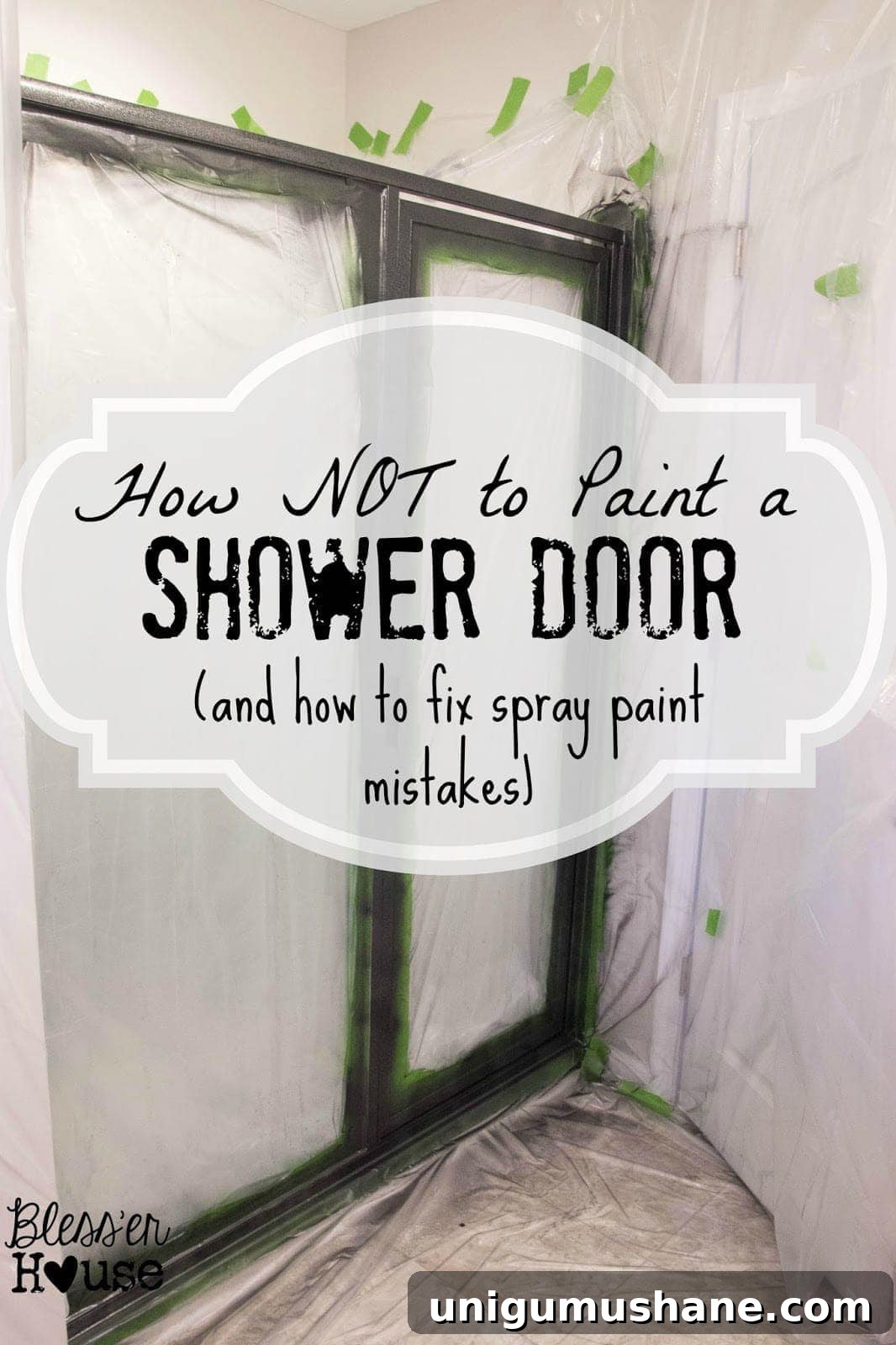
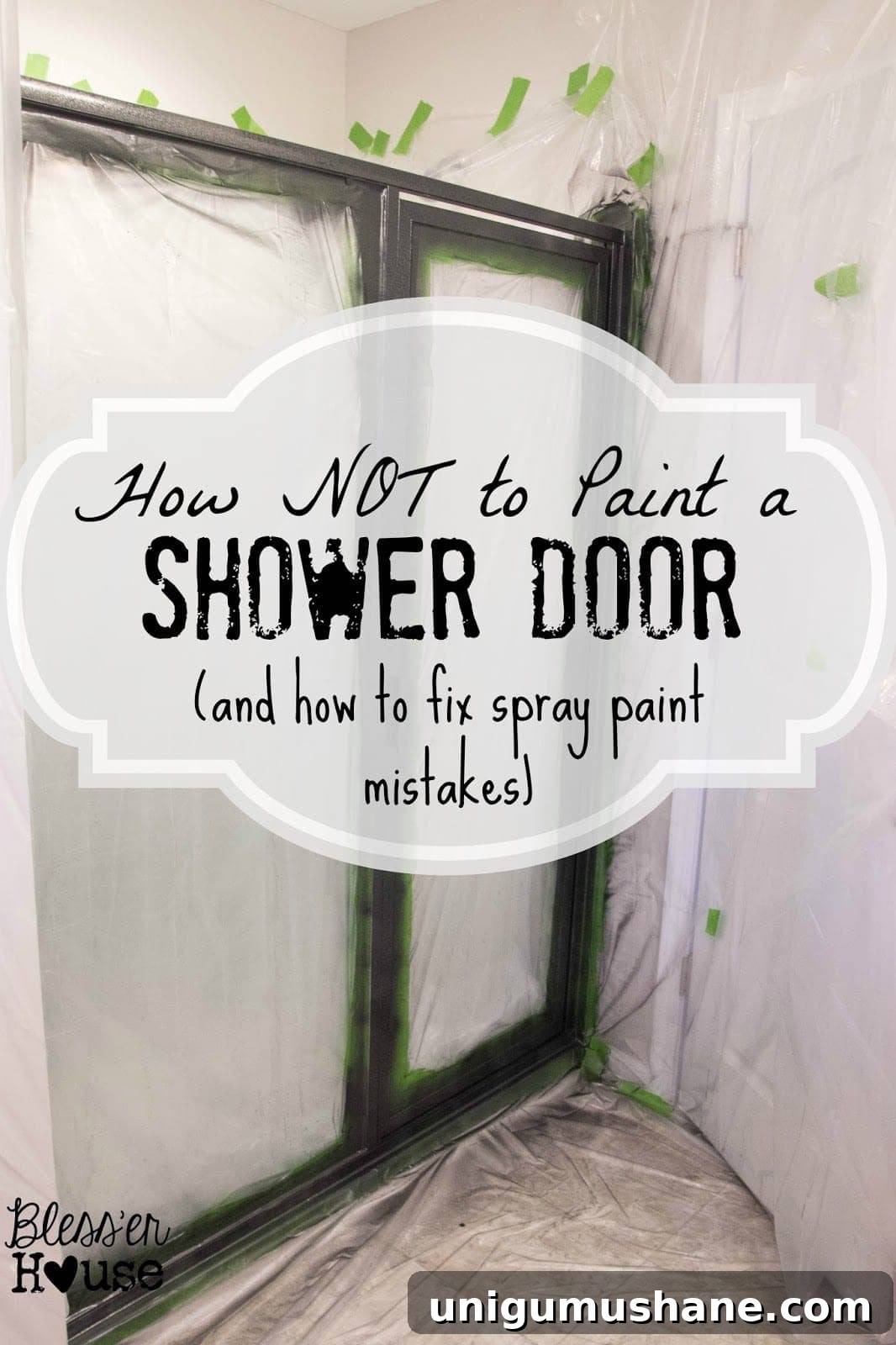
I’ll admit it up front: I make plenty of mistakes in my DIY projects. Sometimes I stand back and think, “What on earth was I thinking?”—and yes, Pinterest gets the blame more than once.
If you want proof, I’ve documented other fiascos in past posts—like a stubborn varnish-removal disaster on dining room chairs that I eventually rescued with a simple trick, or an early chair makeover that didn’t go smoothly at first but ended well. Those projects taught me to expect hiccups and to keep troubleshooting until it’s right.
This weekend’s shower door spray-painting attempt felt like déjà vu. It turned ugly fast, but thankfully it ended up fine—and I want to share what went wrong, and how I fixed it, so you won’t have to learn the hard way.
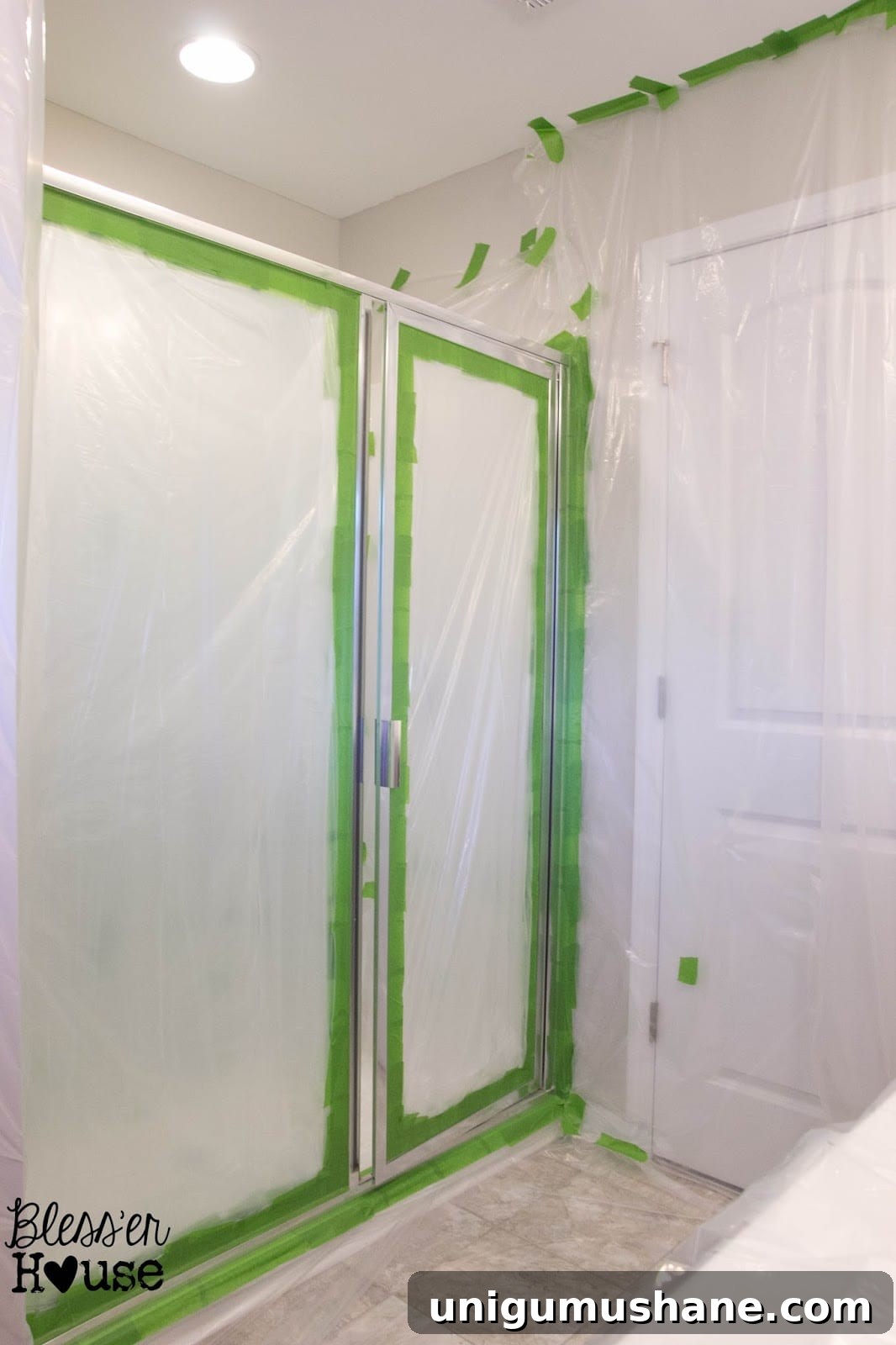
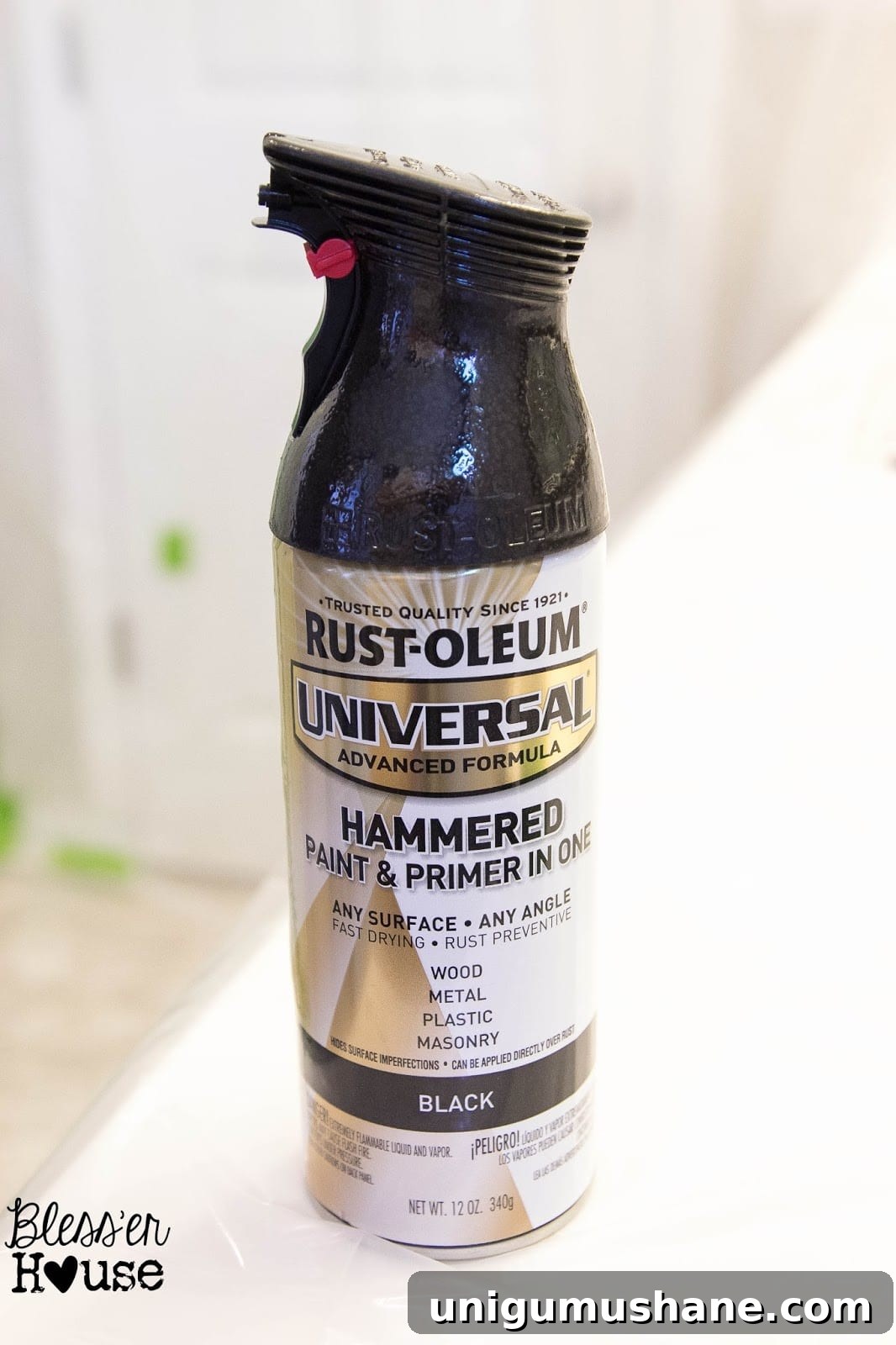
I did the usual prep: covered everything with plastic drop cloths and taped edges carefully with Frog Tape, which I prefer over standard blue painter’s tape. I also used Rust-Oleum Universal spray paint—my go-to product—which usually gives flawless results when applied correctly.
If you follow me on Instagram, you might have seen the chaos: our bathroom went from normal to disaster set in a matter of minutes. After three thin coats the finish looked even and promising, and I thought I was in the clear—until I learned otherwise.
If you plan to spray paint a shower door, here’s what NOT to do—and how to fix common mistakes:
1. Don’t assume a recent cleaning is enough.
Even if you cleaned the shower a few days ago, wipe down the frame thoroughly with a rag and white vinegar to remove soap scum. Spray paint won’t adhere properly to residue, and that’s a quick way to invite peeling and flaking later.
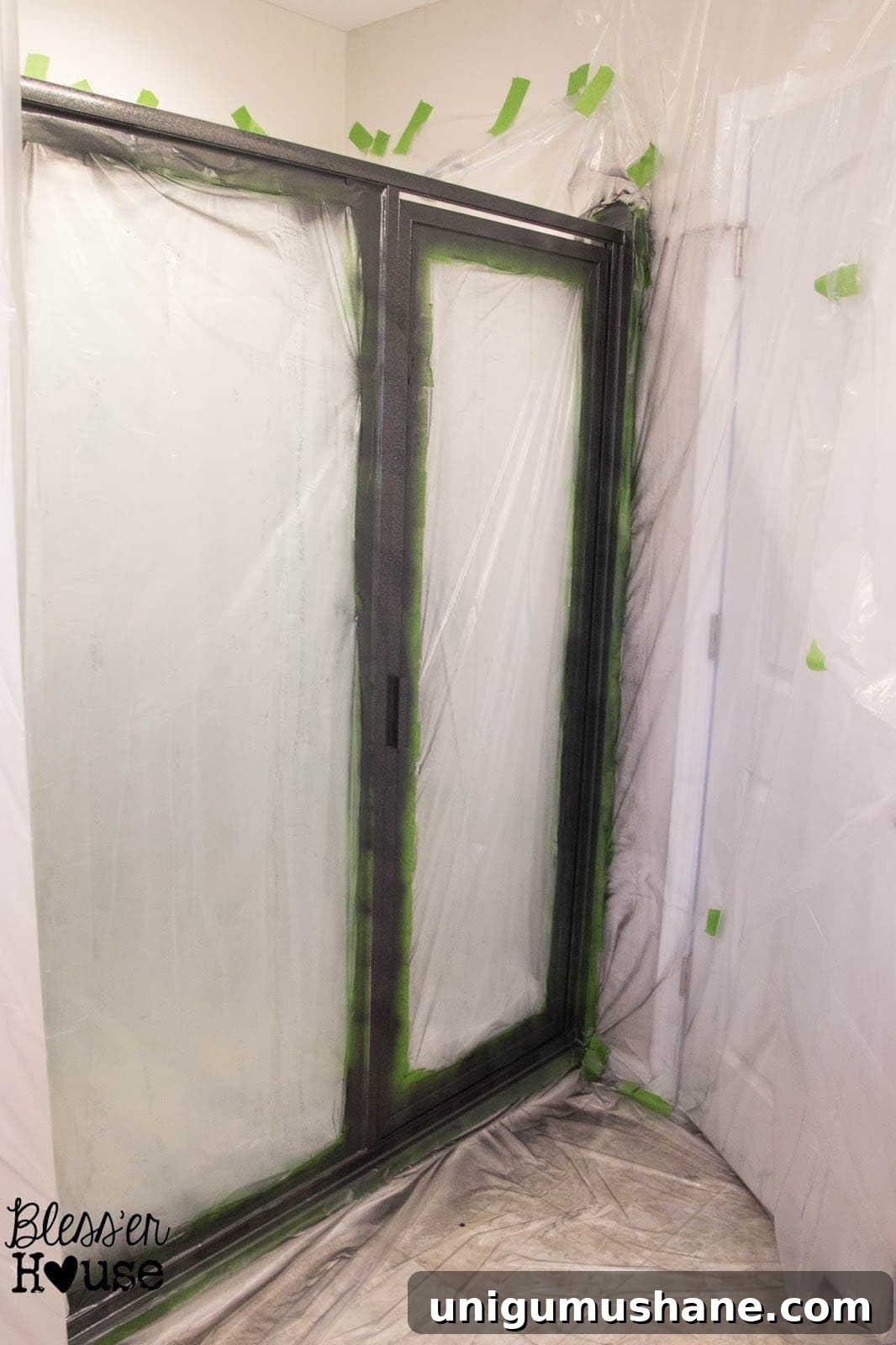
2. Don’t rush removing the tape.
I peeled off the tape about an hour after painting and the paint came up with it. Let the paint cure for a full 24 hours before taking tape and protective plastic down. Patience here saves you a lot of touch-up work.
*Tip: How to fix peeled paint
Rather than re-taping the whole area, I used a cardboard box as a shield, sprayed a little paint into it, and dabbed the paint onto an artist’s brush. I carefully touched up the peeled spots with the brush, then taped a crisp edge and waited for the paint to dry completely before removing the tape.
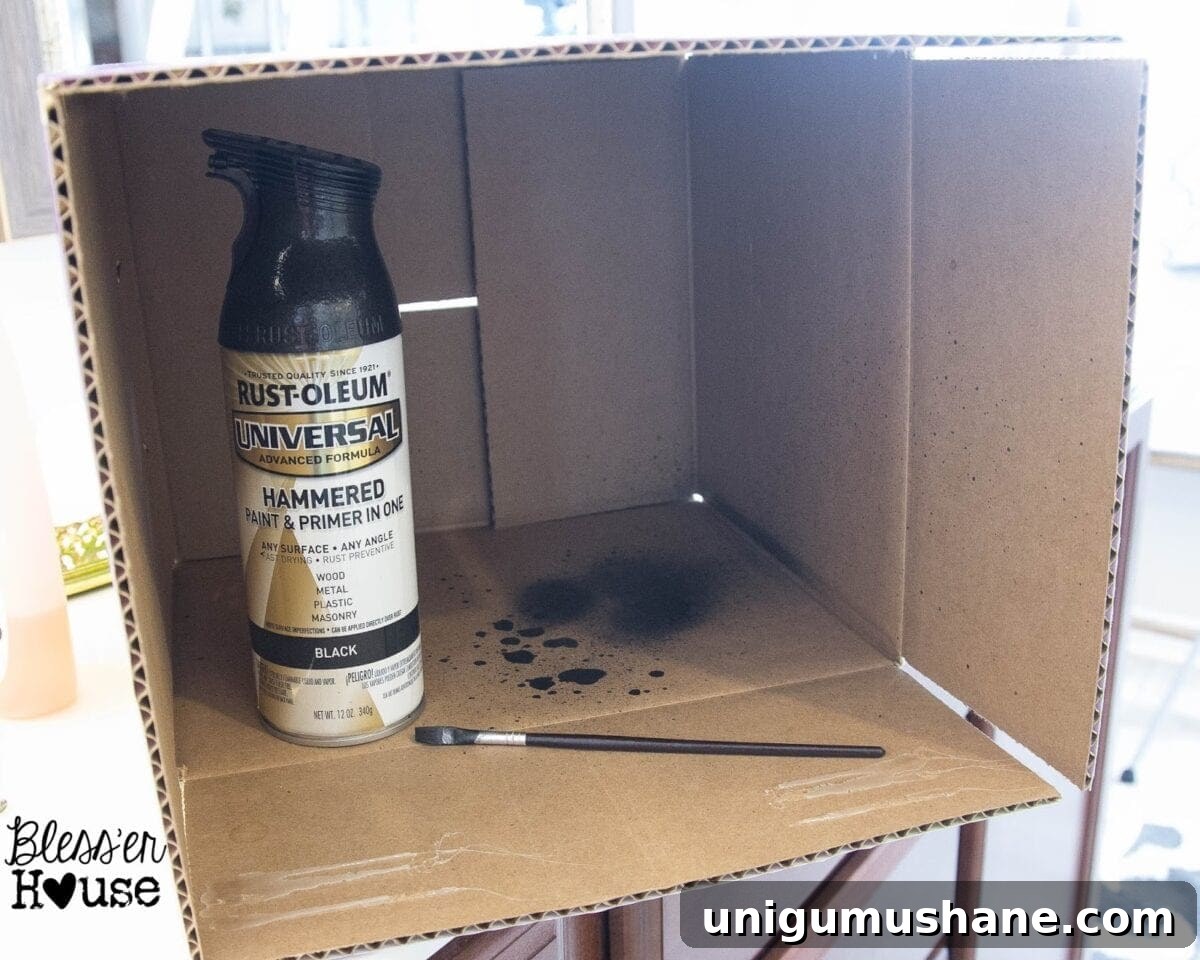
Painting around silicone caulk is fiddly, so the result isn’t flawless up close, but the touch-ups made the door look much better overall.
3. Don’t leave gaps where plastic sheets overlap.
Spray paint sneaks into tiny gaps. I overlapped plastic and didn’t seal it completely, so overspray found its way under the edges. When I pulled the plastic away, I discovered spots of paint where I didn’t want them.
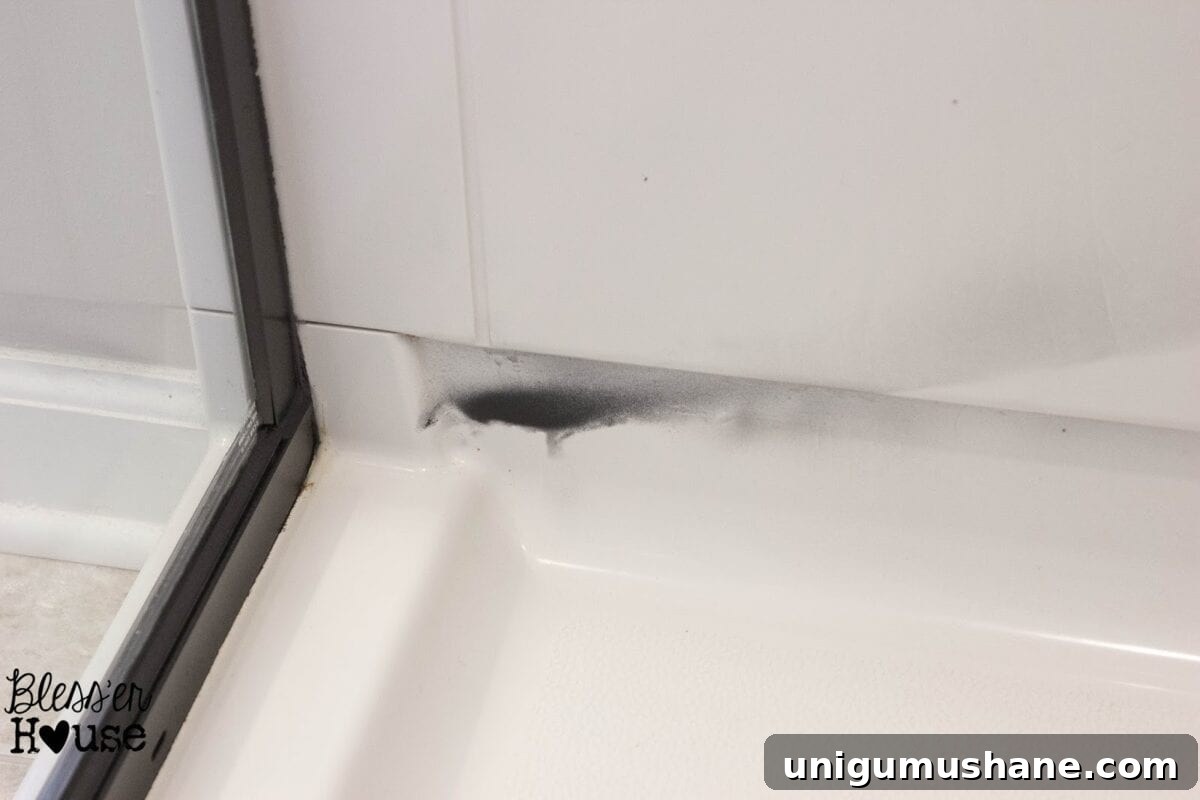
*Tip: Remove paint overspray from plastic or tile
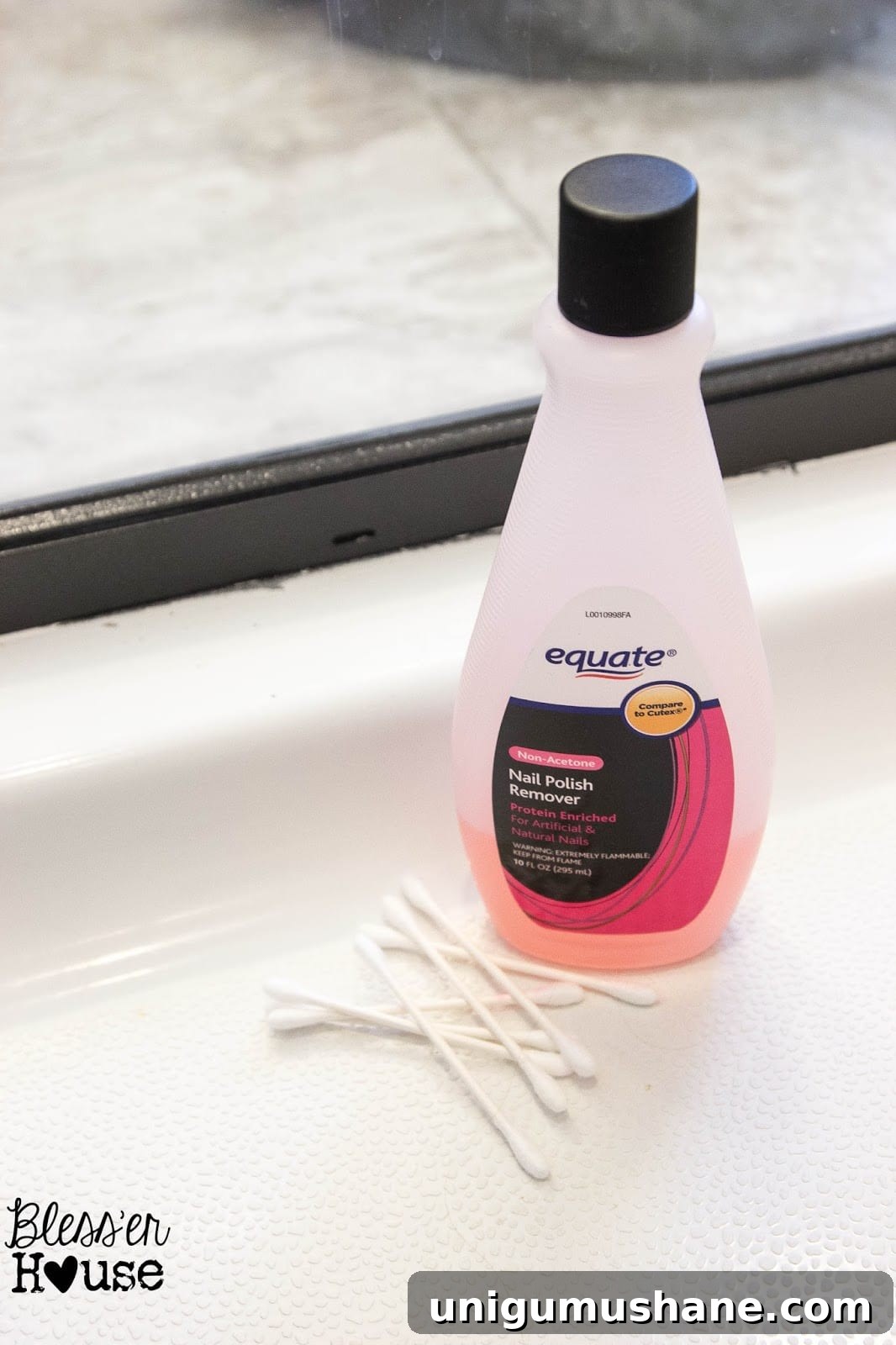
Nail polish remover is surprisingly effective on spray paint overspray. A cotton ball soaked in remover will usually lift the spray paint from plastic or glazed tile with very little scrubbing.
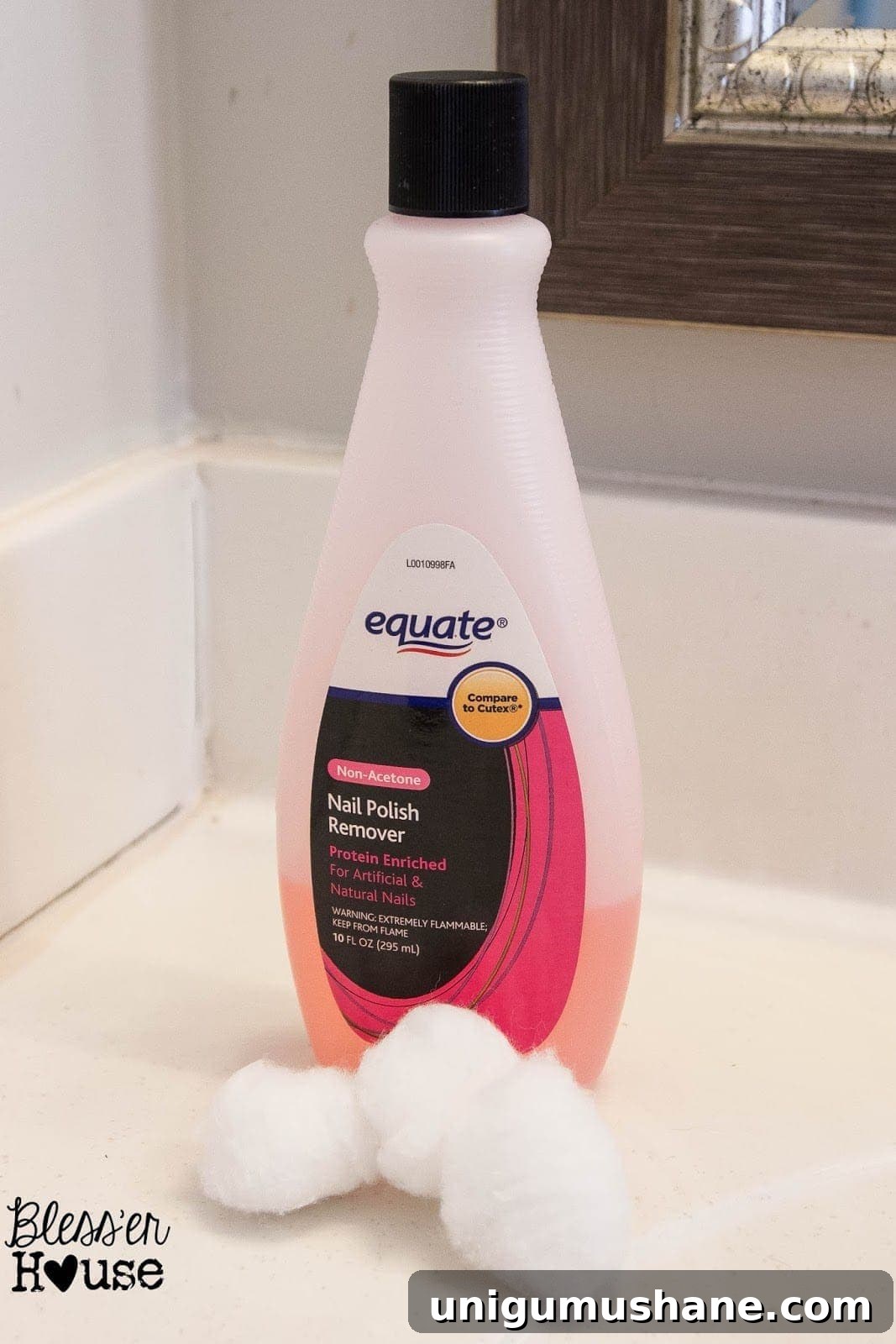
4. Don’t rely only on tape for a perfect edge.
Even the best painter’s tape can let paint bleed. Take the extra step to score the tape edge with a utility knife after it’s applied; that helps form a tighter seal and produces a sharper line.
*Tip: Fix smudged spray paint lines
For paint that sneaks under the tape, soak a Q-tip in nail polish remover and gently run it along the smudged line. If any residue remains, use a razor or your fingernail to lift the rest, and you’ll have a clean, crisp edge.
I probably should compile a collection of my biggest DIY blunders someday—there are plenty—but the point is this: mistakes happen. The important part is learning from them, fixing what you can, and moving forward with more knowledge for the next project.
If you hit roadblocks in a project, don’t give up. Use those moments to become a smarter DIYer, and keep creating. After you nail the next project, you’ll be glad you stuck with it.
This post contains affiliate links. Click here for my full disclosure policy.
Blessings,

Follow me on
Bloglovin
Or find me on
Facebook | Twitter | Pinterest | Google+