
This post is sponsored by Samplize. All opinions are my own.
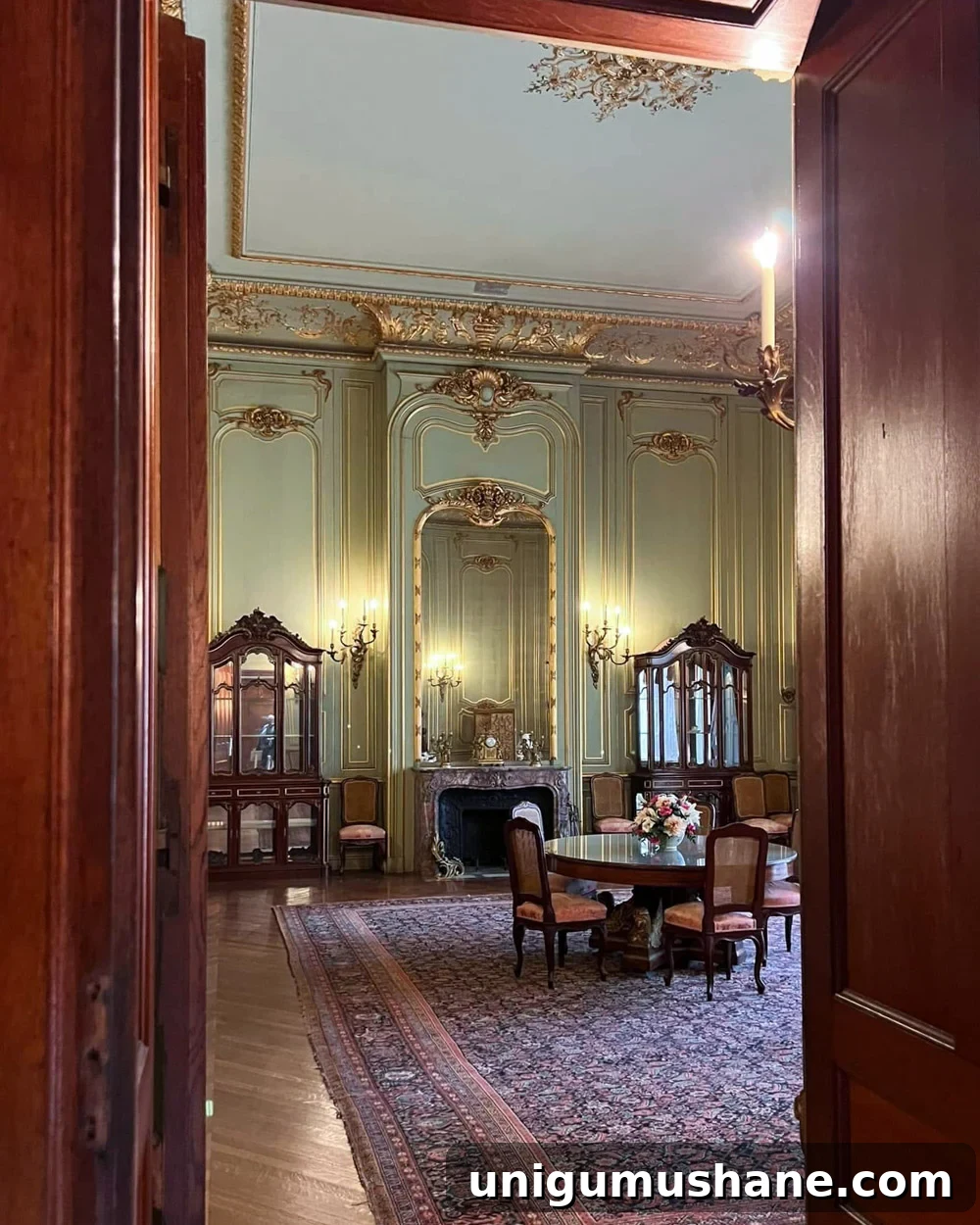
My husband Robert and I recently spent an anniversary weekend in Newport, Rhode Island, touring The Breakers. Ever since, I’ve been obsessed with the palette of The Gilded Age—especially one particular room in the Russell family’s mansion.
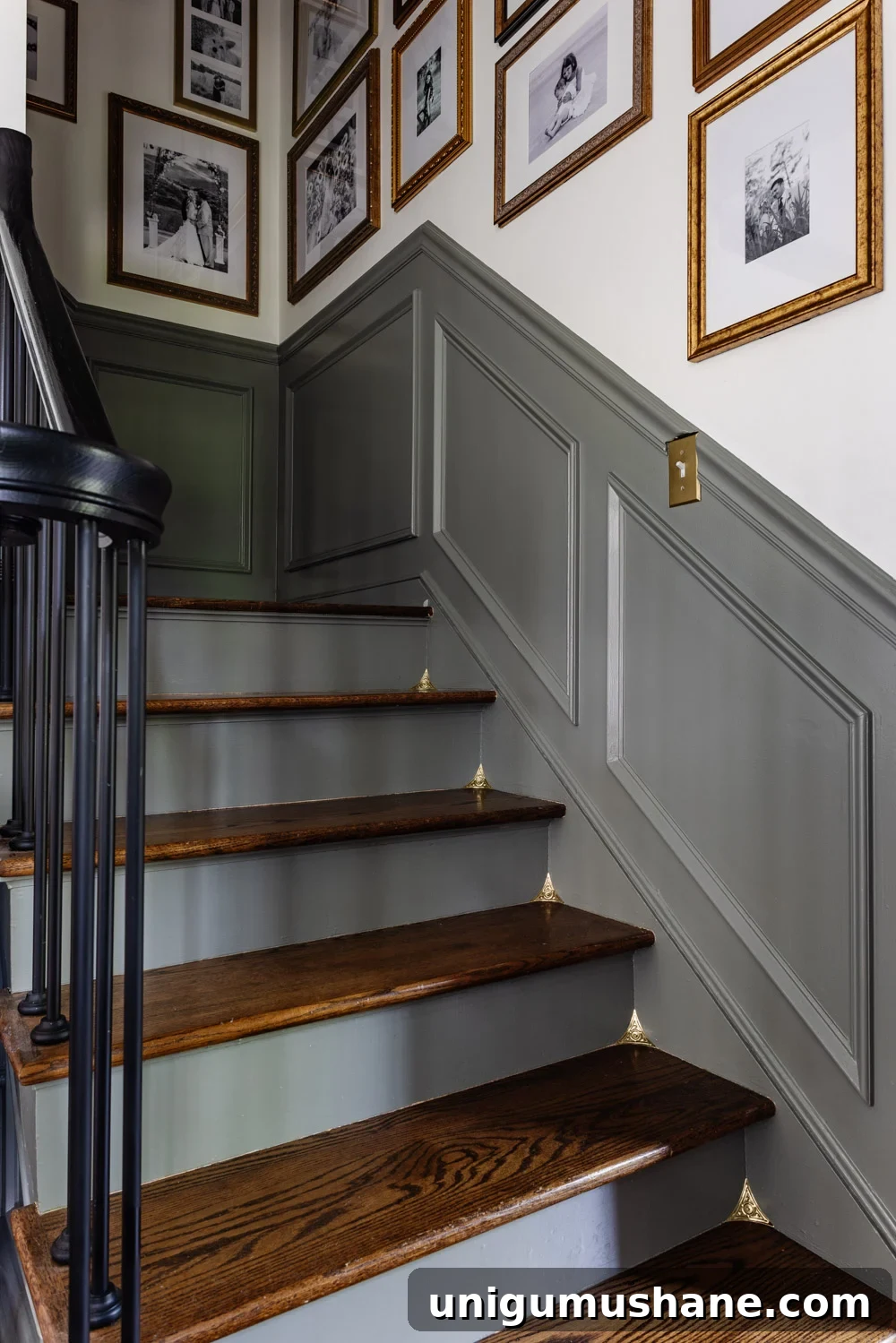
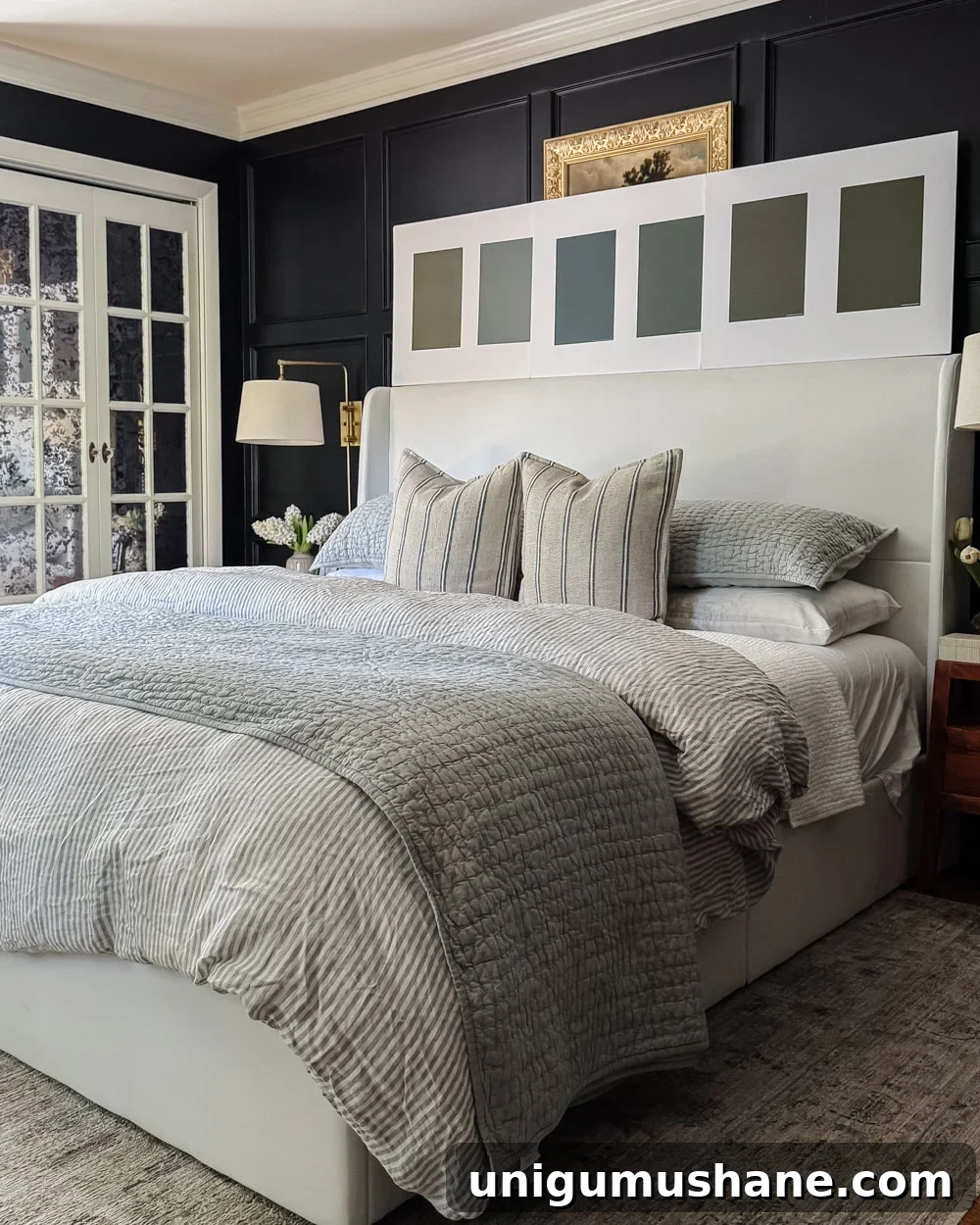
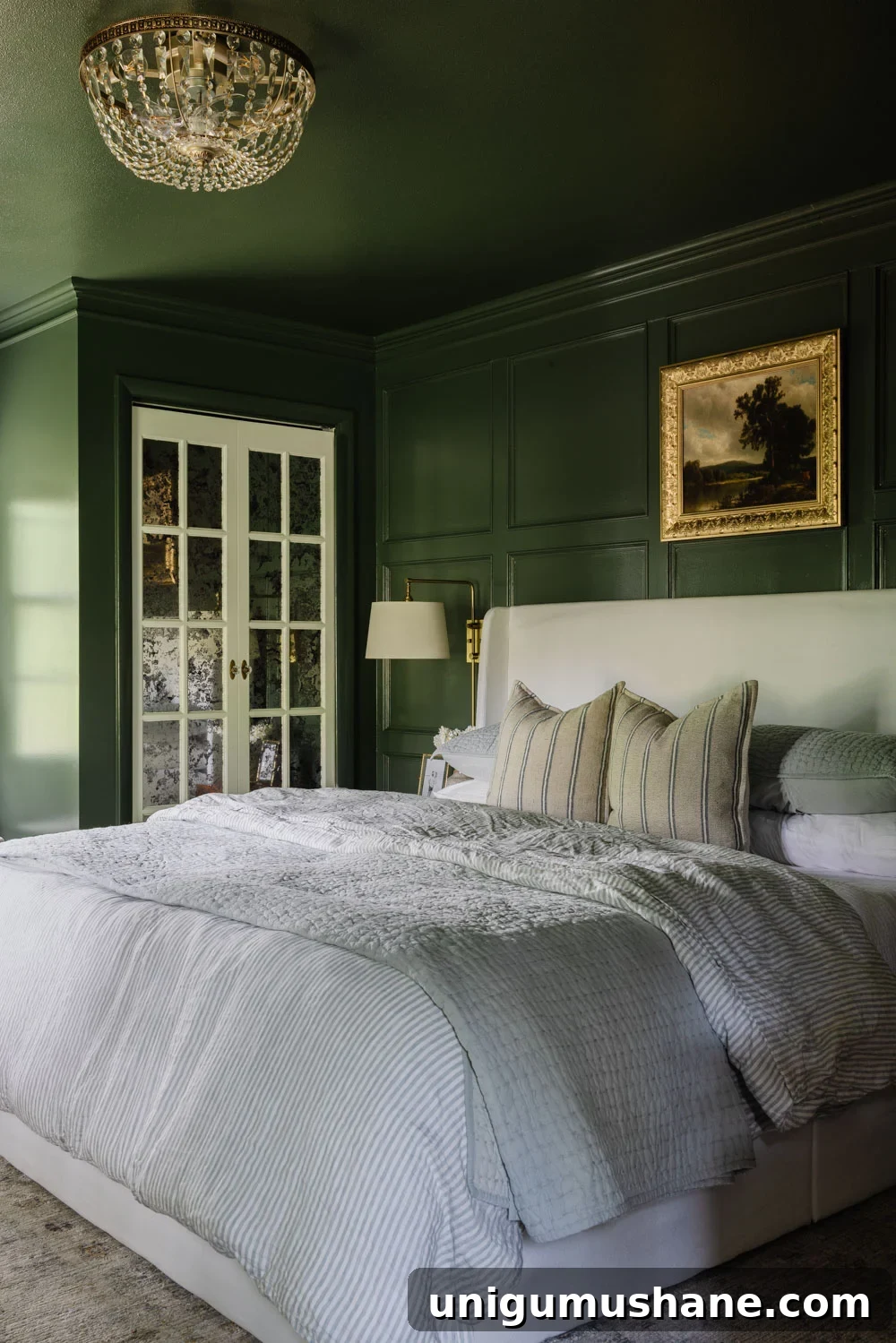
It’s a beautiful gray-green room with gilded millwork that’s been living rent-free in my head. Our guest bedroom is overdue for an update, so naturally I’ve been hunting for the perfect version of that color for our house.
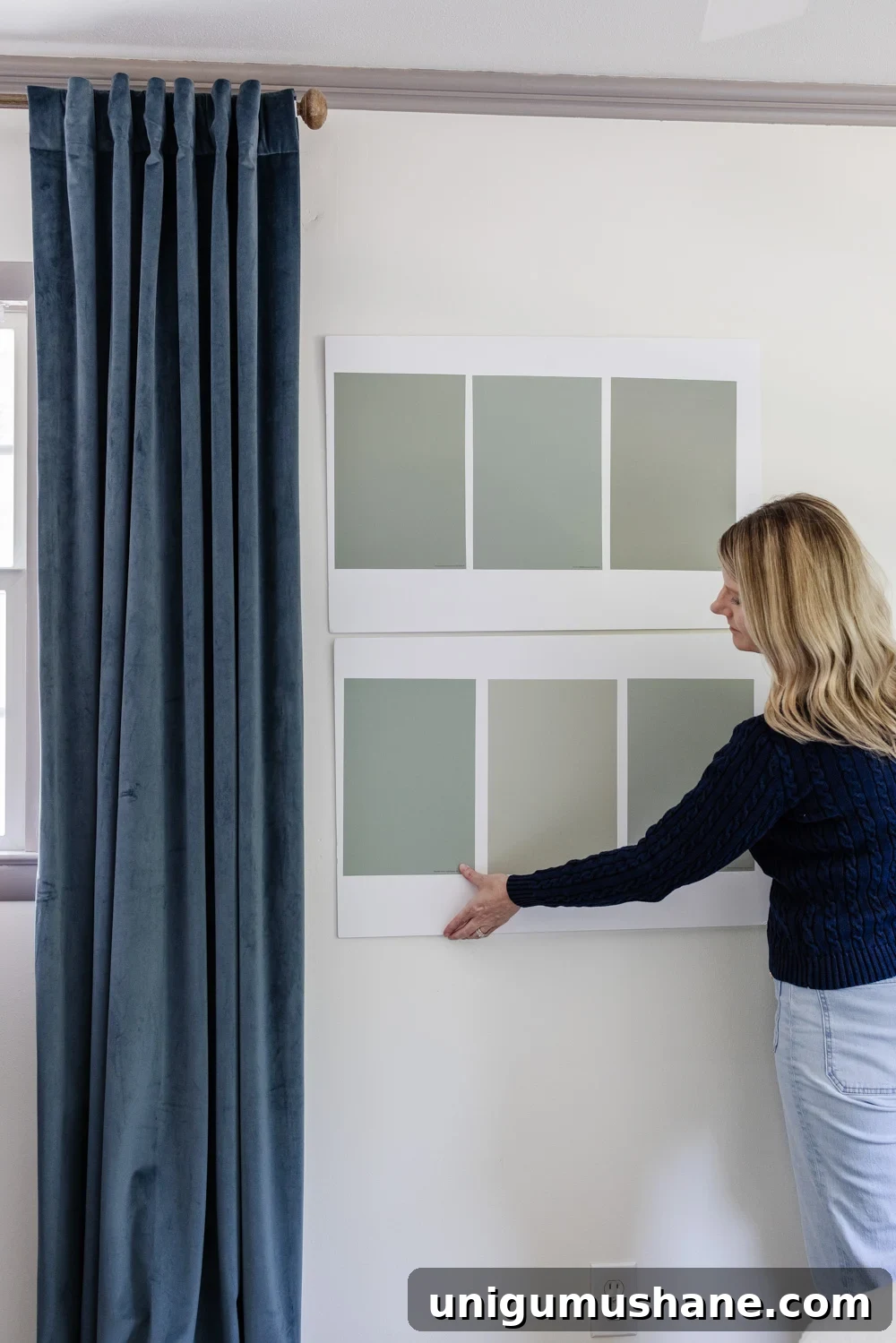
Finding the right paint color is harder than it looks. What appears to be the ideal gray-green in someone else’s home can read too gray, too green, or even too blue once it’s on your wall. That’s why my walls have been decorated with Samplize peel-and-stick samples while I test options.
After years of repainting rooms and learning from mistakes, I’ve realized most regrets aren’t from choosing the wrong color—they come from choosing colors the wrong way. Below are the common mistakes to avoid and practical tips that will help you pick a paint color that actually looks like what you imagined.
1. Stop Trusting That Tiny Paint Chip
Choosing a color from a small paint chip at the store is one of the most common mistakes. A color printed on a tiny card rarely reads the same when it covers an entire wall. As the surface area increases, so do the visible undertones.
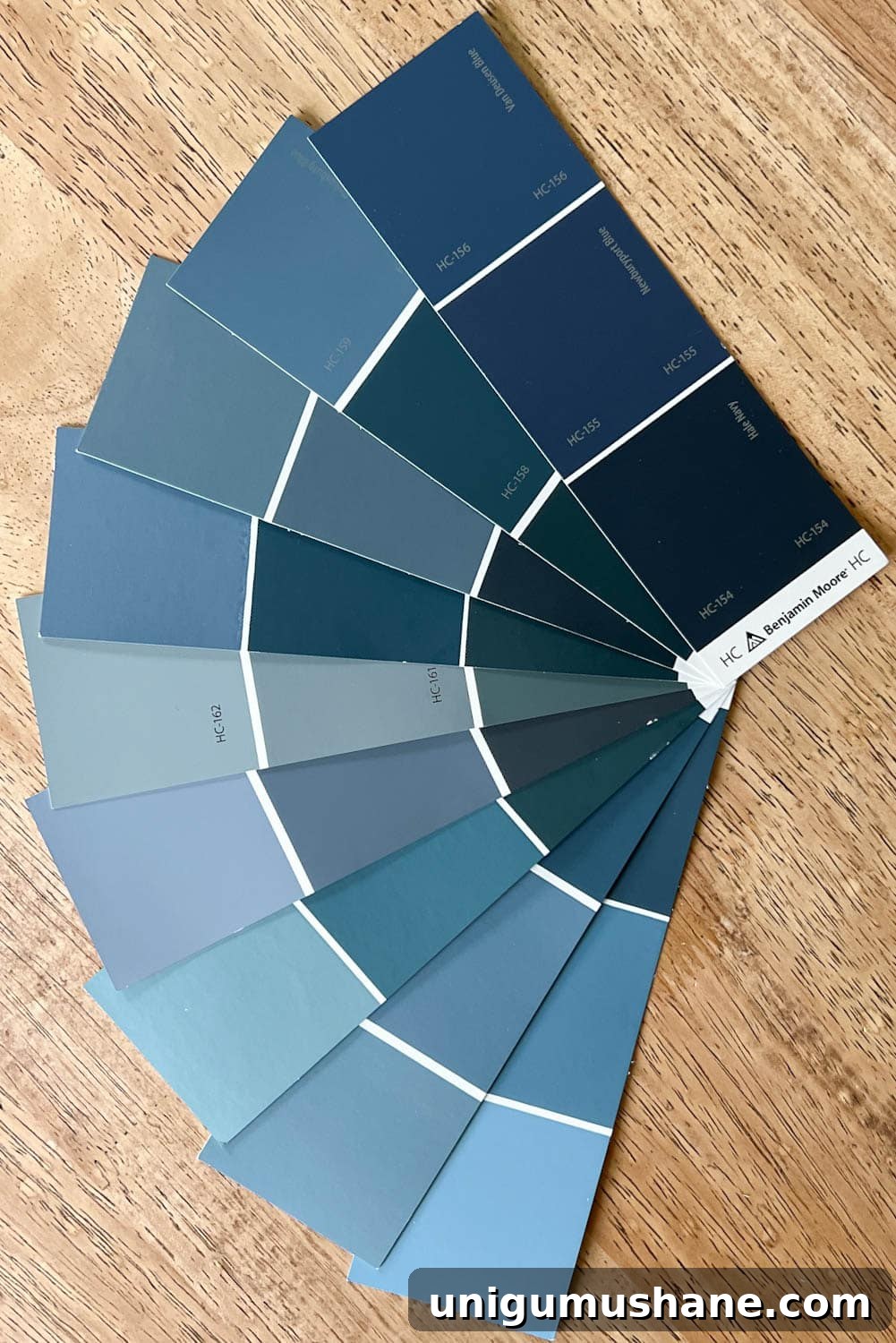
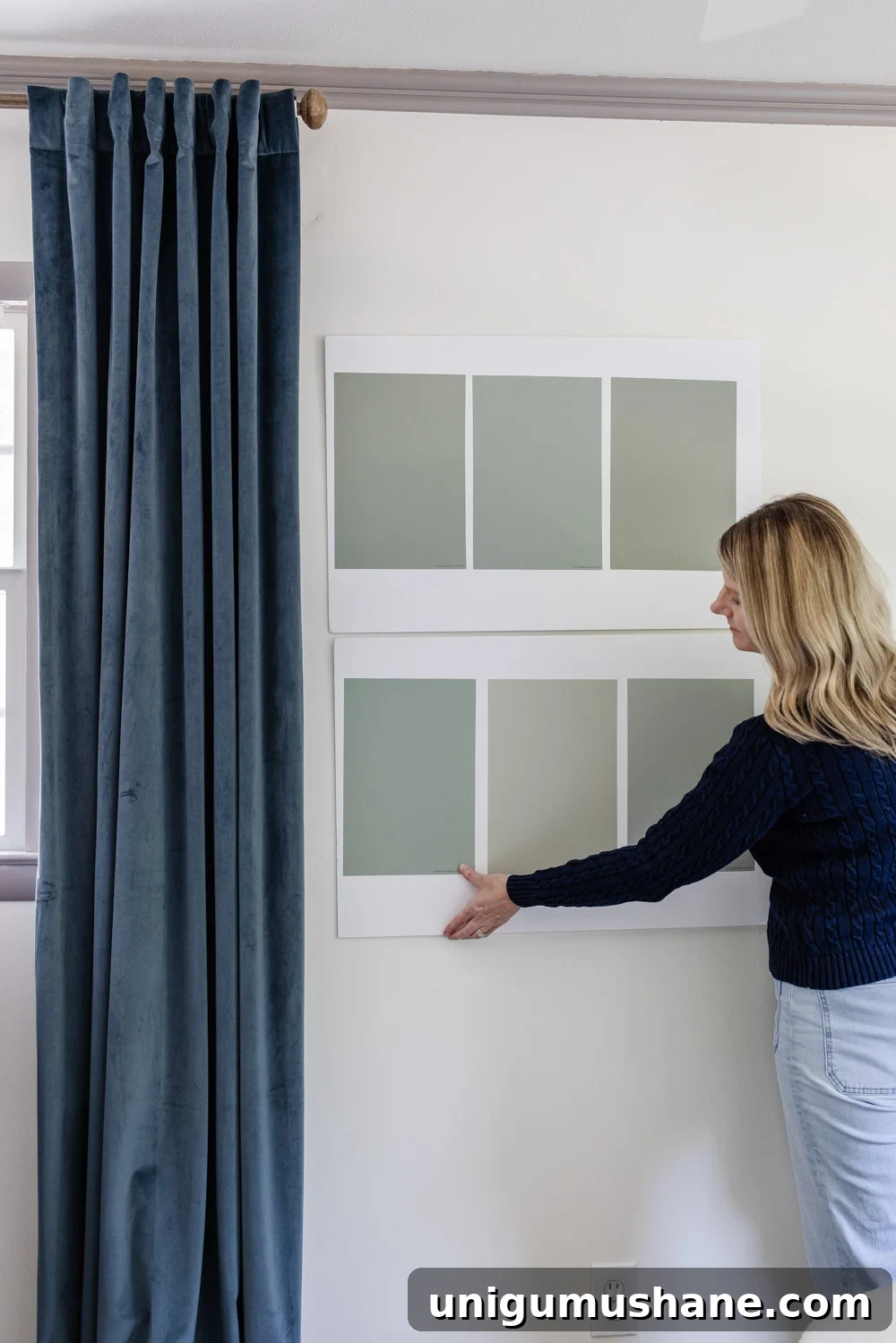
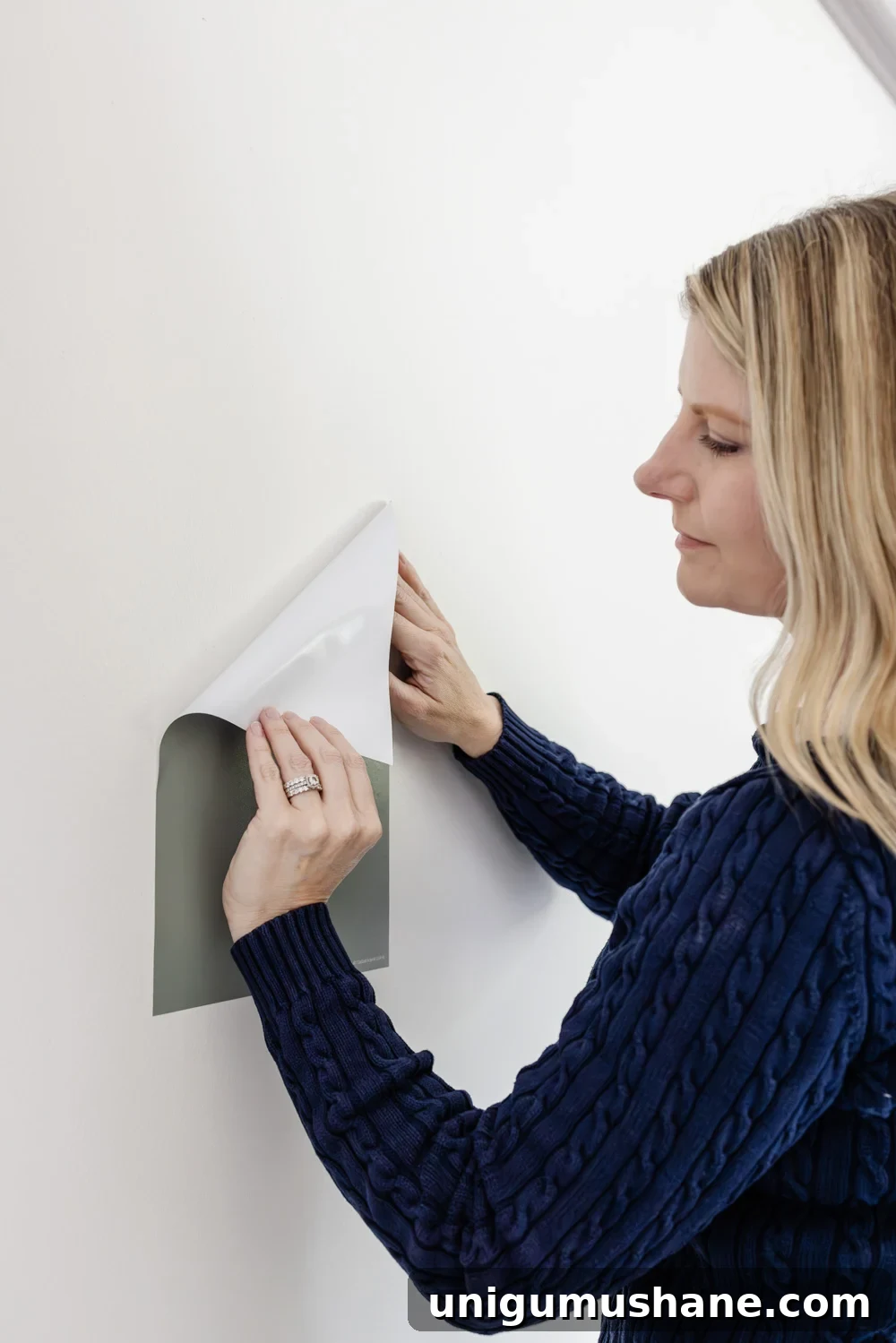
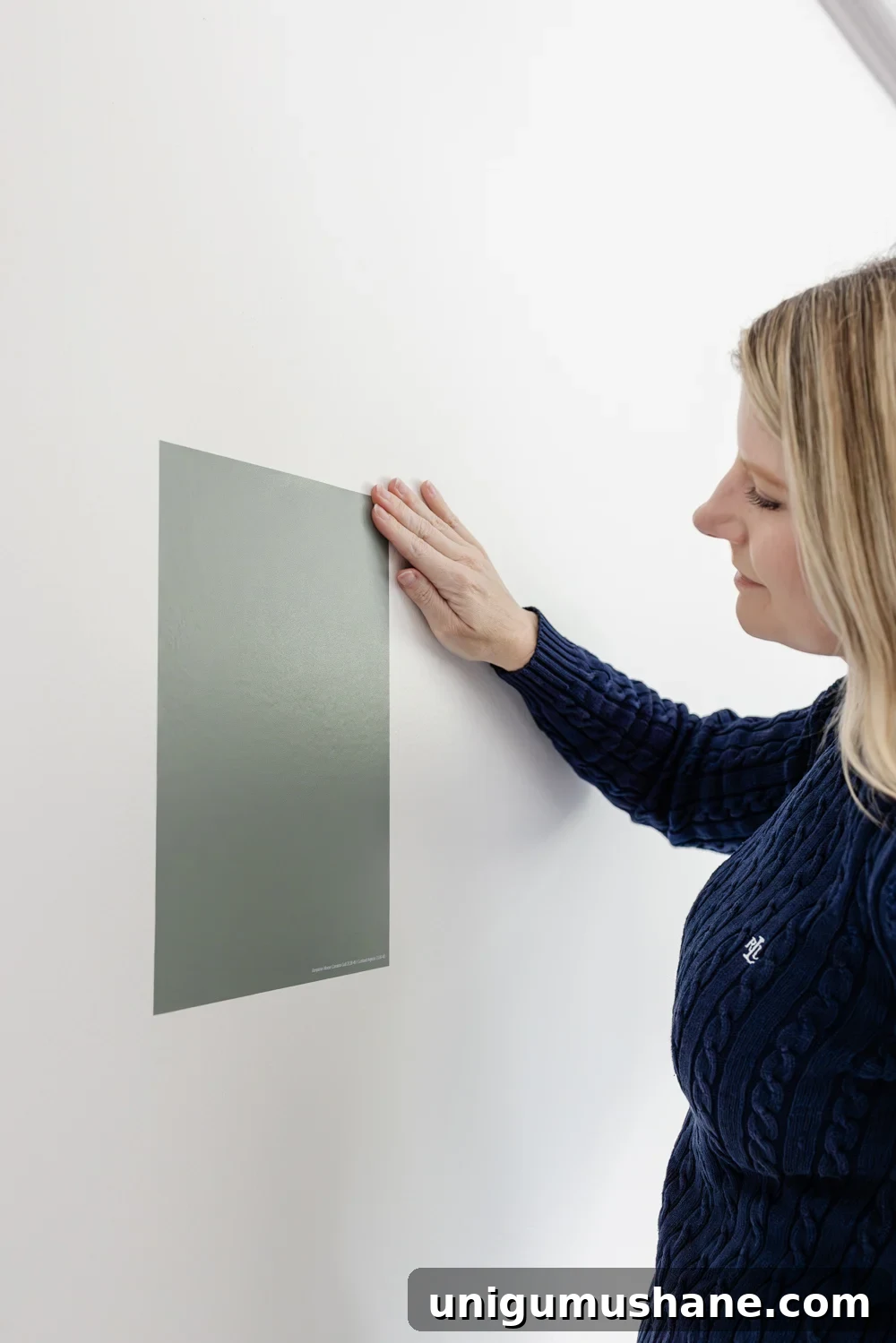
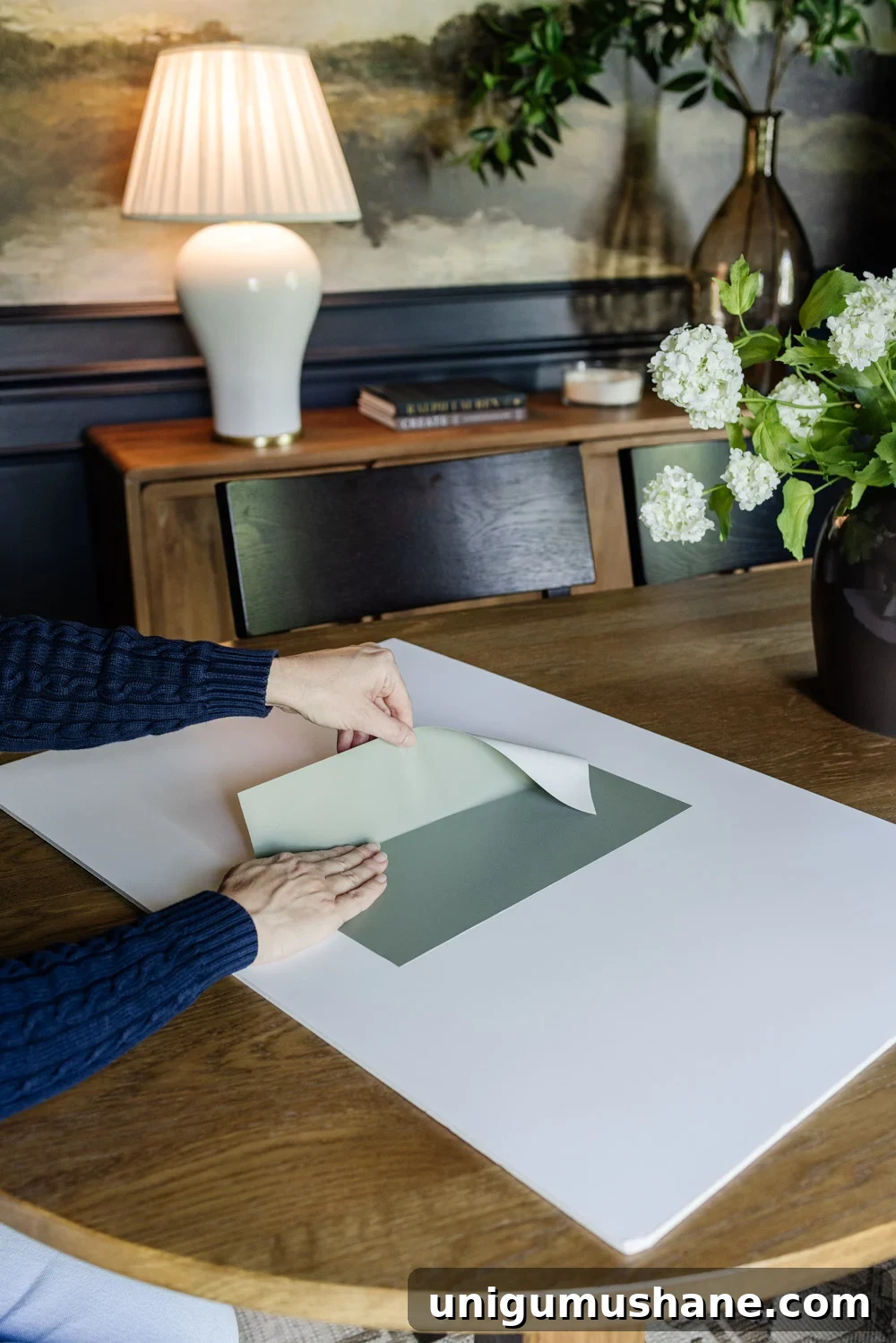
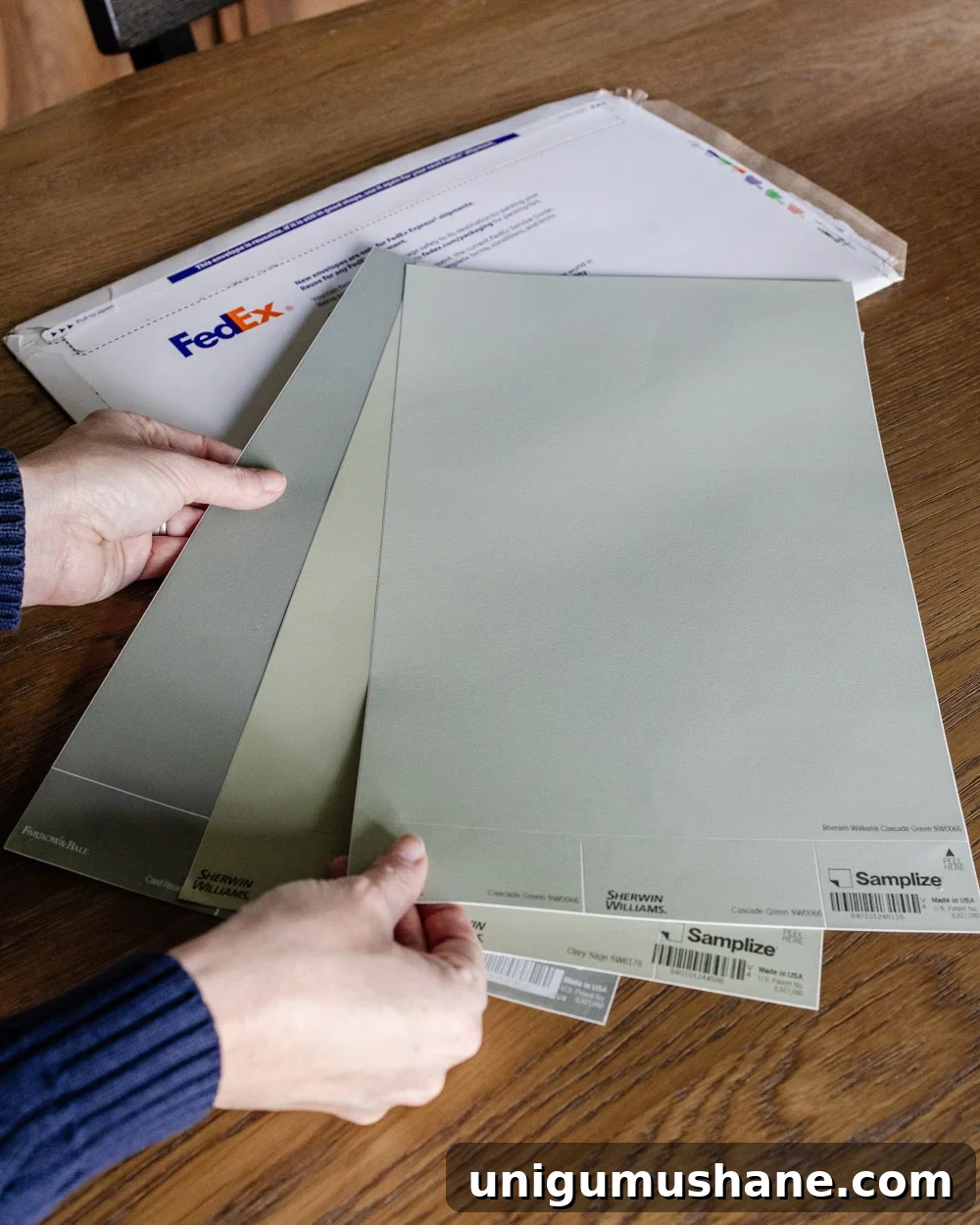
For years I painted sample squares directly on walls, which works but creates a mess you have to cover later. Now I prefer Samplize peel-and-stick samples. They’re made with real paint, they’re large enough to judge how a color pairs with flooring and furniture, and some sizes are extra large (15″ x 18″). They’re reusable and moveable, so you can test the color in several spots before committing to a whole room.
2. If You Ignore Undertones, You’ll Regret It
Every paint color has undertones—even neutrals. Some grays tilt blue, green, or purple; whites can appear creamy, pink, yellow, or cool depending on lighting and adjacent finishes. If you don’t account for those subtleties, a technically beautiful color can still feel off.
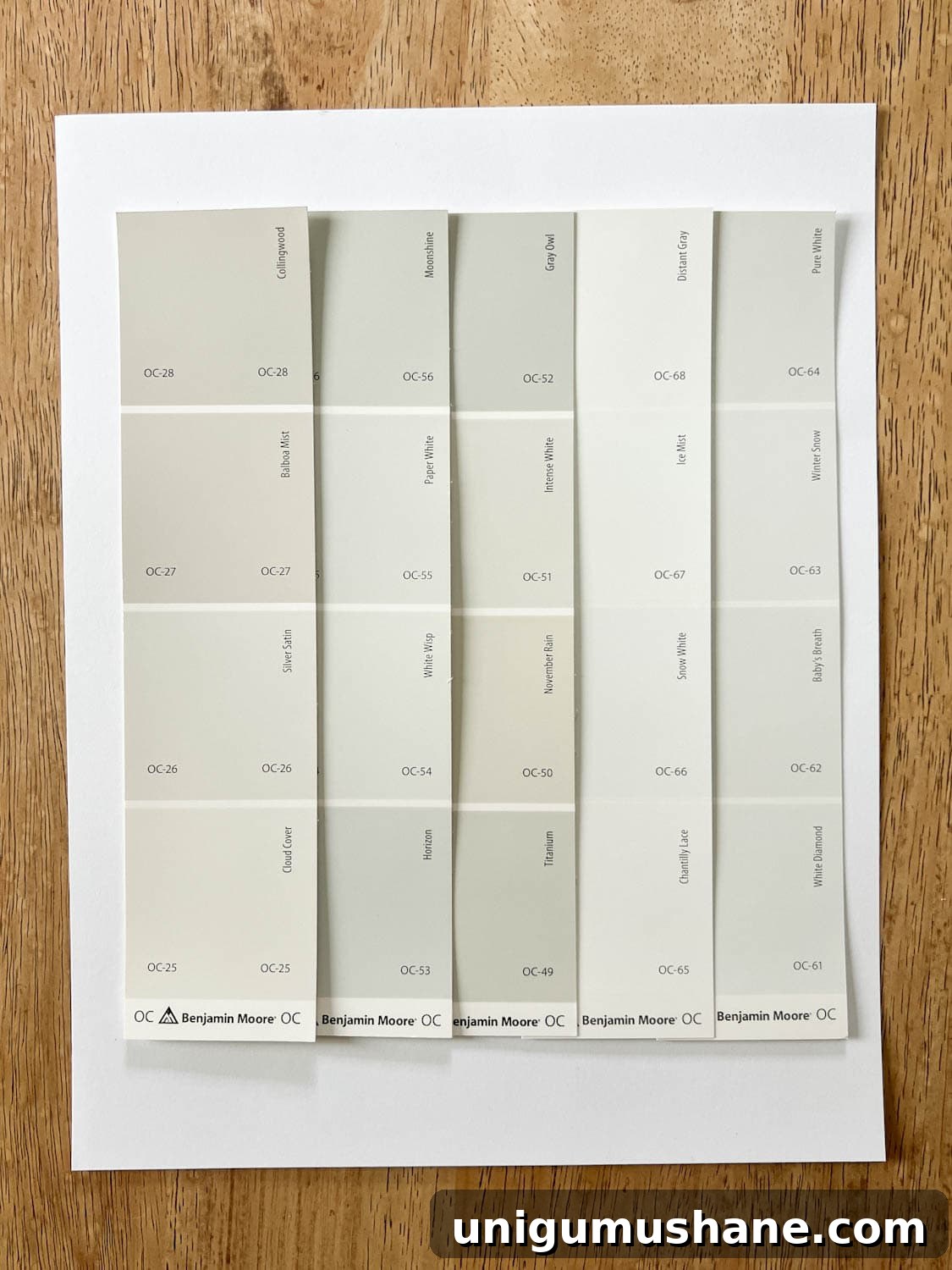
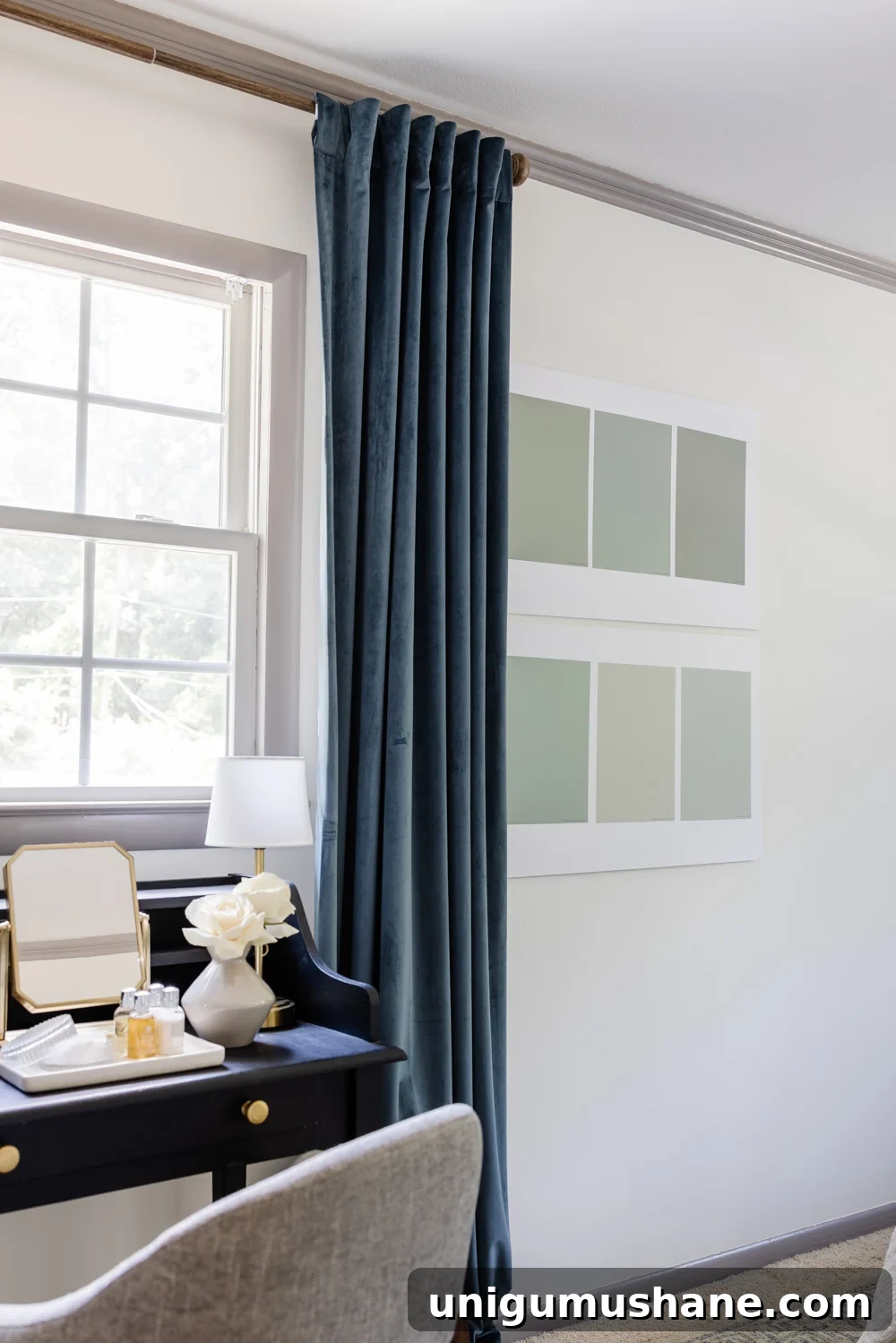
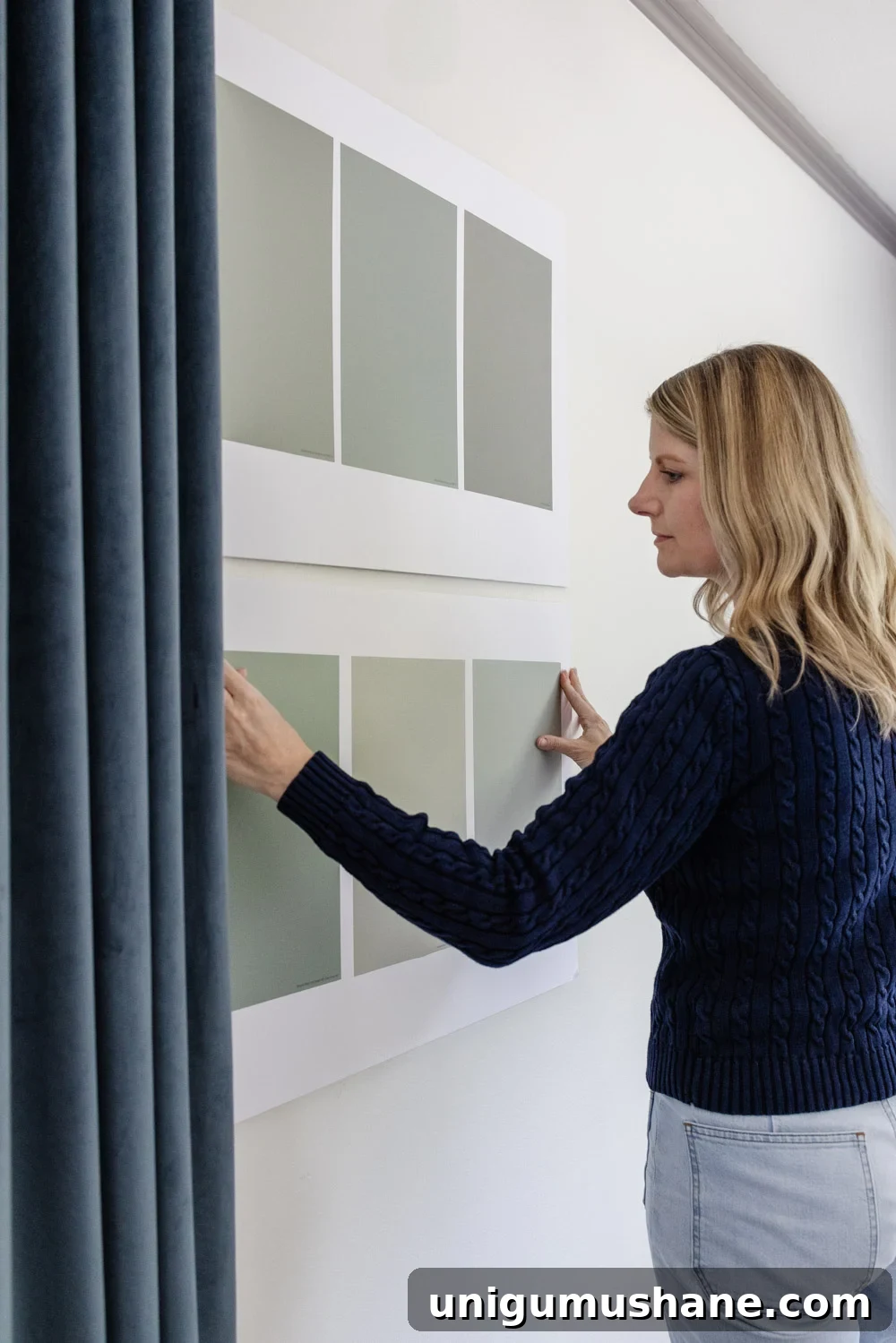
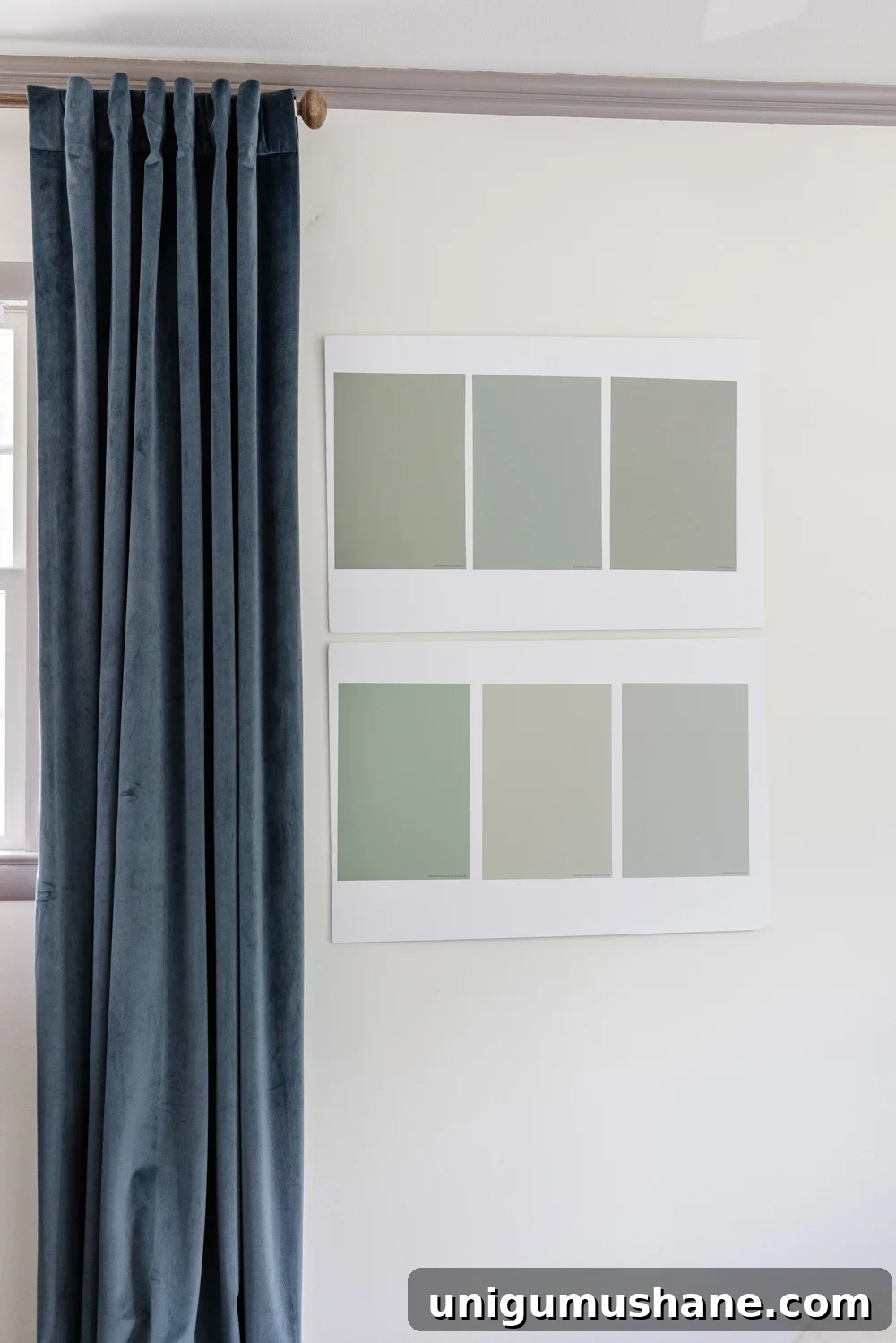
I test multiple gray-green samples for the guest bedroom by mounting them on large white poster boards. A white background helps reveal undertones more clearly because furniture, trim, or existing wall colors can otherwise influence perception. This simple step keeps my eyes from playing tricks and makes subtle differences easier to spot.
3. Paint Colors Look Different Throughout the Day
Don’t judge a color from a single glance. Natural light changes with the time of day, the weather, and the orientation of your room. Move samples to different walls and check them in morning, afternoon, and evening light. Cloudy versus sunny days can dramatically alter how a shade reads.
Samplize swatches are especially handy here because you can reposition them without repainting multiple sample squares. Putting them on poster board makes them easier to move and compare in different rooms and lighting conditions, which beats relying on online photos alone.
4. Flooring Gets a Vote
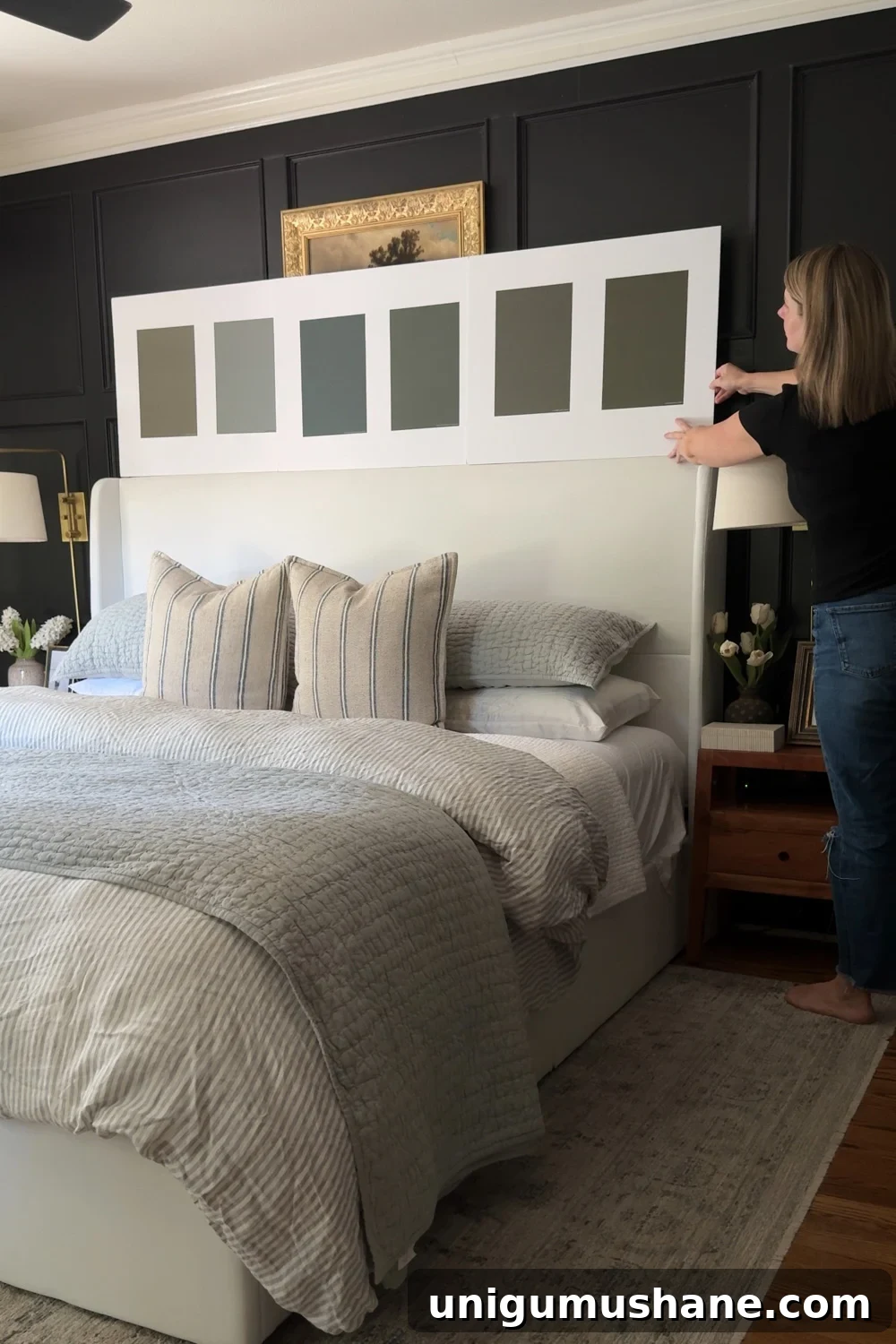
Flooring and other fixed finishes cast a strong influence on paint color. Hardwoods, tile, countertops, and cabinetry have undertones that interact with any new wall color. Carry a piece of white card stock around the room and hold it next to these elements to better detect hidden undertones—like warm orange in walnut floors or cool blue in tiles.
If your new paint feels “off” despite being beautiful on paper, competing undertones between floor, trim, and walls are often the culprit.
5. Stop Choosing Paint Before Everything Else
Although paint covers the most surface area, it’s often easier and smarter to select large, more permanent pieces first—sofas, rugs, drapes, bedding, and big furniture. These are bigger investments and harder to change. With so many paint colors available, it’s generally easier to find a paint that complements existing furnishings than to find furnishings that match a pre-chosen paint color.
6. Trendy Doesn’t Always Mean Right
Trends can be inspiring, but they shouldn’t drive your decision. The best paint color is what works with your home’s light, architecture, and fixed finishes—not what’s currently popular on social media. Focus on what performs well in your space, and you’ll be happier long term.
My Favorite Way to Test Paint Colors Before Painting
After painting countless sample squares, I now rely on peel-and-stick samples. They remove much of the guesswork: I can compare multiple shades side-by-side, move them through the house, and view them next to floors, trim, and furniture. I also appreciate being able to order swatches from different brands—Benjamin Moore, Sherwin-Williams, Farrow & Ball—and see them together without visiting multiple stores.
The samples arrive quickly, so projects don’t stall while you wait. Most importantly, testing this way builds confidence and prevents costly color mistakes.
Final Thoughts
Most paint color regrets come from the process—not the color itself. Avoid trusting tiny chips, ignore undertones at your peril, check how colors change with light, and remember that flooring and other finishes have strong opinions. Take your time, test thoroughly, and prioritize lasting pieces first. A little patience up front will save you a lot of repainting later.
If you’re hunting for the perfect shade, you’re not alone—I’ll be in our guest bedroom moving gray-green samples around and trying to capture a bit of that Gilded Age charm.
Need More Paint Color Help?
- Our Calming Whole House Paint Color Palette
- How to Choose Paint Colors for Your Home Like a Pro
- Top Recommended Contrast Trim Paint Color Ideas