
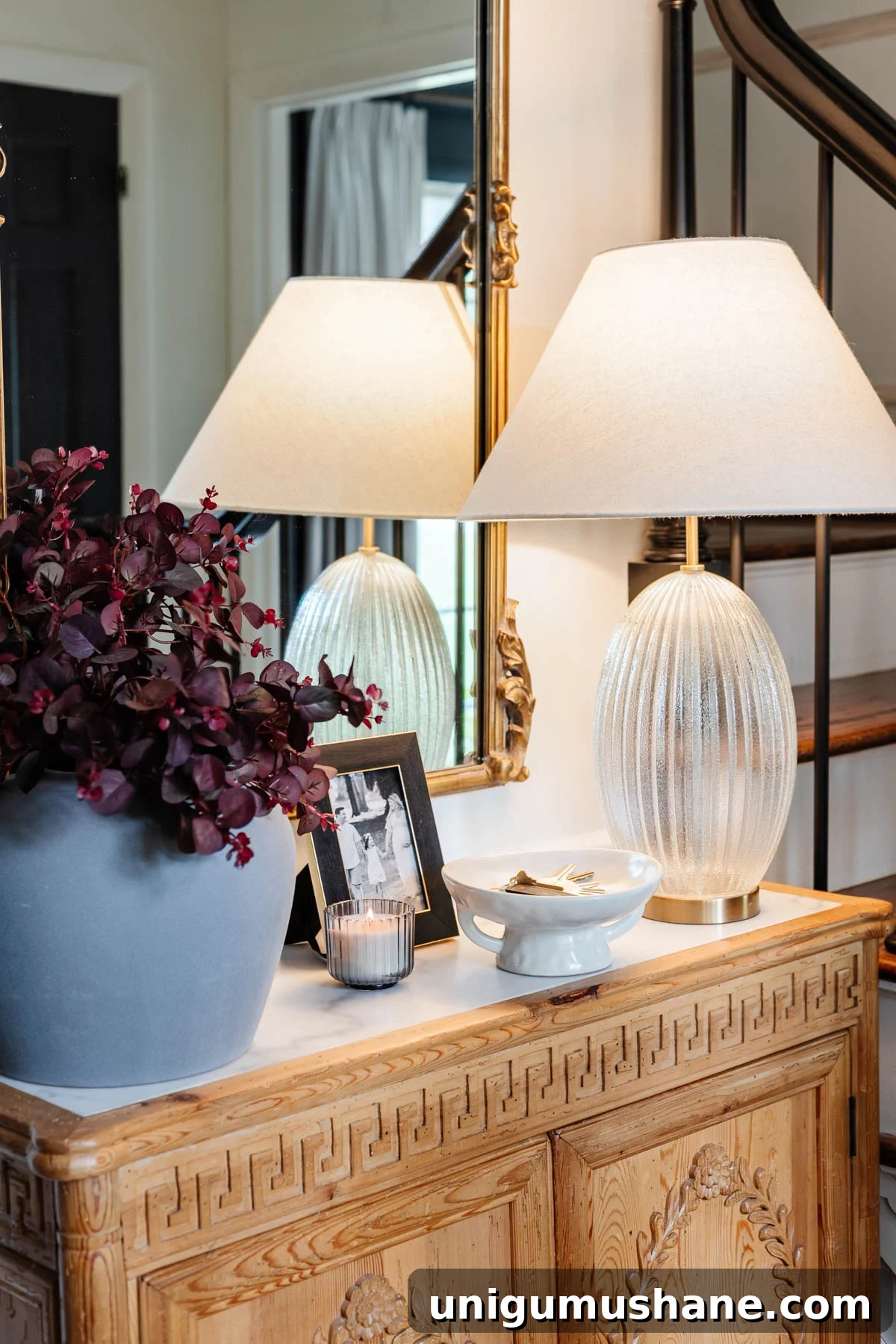
When I first began decorating my home, I scrolled Pinterest for inspiration and focused almost entirely on visuals. The images were beautiful, but they only engaged one sense: sight.
Over the years I’ve shifted toward designing spaces that engage all five senses. That approach has transformed how my family and I experience our home—making it feel calmer, more welcoming, and truly restorative.
Why Sensory Integration at Home Matters
In every room I’ve refreshed—whether at our house or for friends—I try to include elements that appeal to all five senses. A room designed this way doesn’t just look good; it feels good.
When a space is intentionally sensory, people often react instinctively: they breathe deeper, their shoulders drop, and they relax. That immediate physical response is a reliable sign the design is working.
Home should be a refuge for the nervous system—a place that signals safety and rest the moment you walk through the door. I even used some of these techniques when I taught, arranging my classroom to help students calm and focus.
The great news is that building a sensory-driven home is usually simple and affordable. Small, thoughtful changes can have a big impact on daily comfort and wellbeing.
Related: 10 Cozy Bedroom Ideas on a Budget for the Best Sleep Ever
1. Make Your Home Smell Good
Scent is one of the fastest ways to shape mood. I prefer natural options over artificial fragrances—simple, low-waste methods are effective and healthier for most households.
Try simmering citrus peels, cinnamon sticks, or herbs for a gentle, inviting aroma. Essential oil diffusers are useful too; choose calming oils like lavender or bergamot and always check pet safety if you have animals.
- Place charcoal bags in closets and drawers to absorb odors.
- Add houseplants to improve air quality and bring a natural scent.
- Diffuse calming essential oils, keeping pets’ safety in mind.
- Sprinkle baking soda in trash cans to neutralize odors.
- Open windows briefly to refresh indoor air.
- Wash linens with a cup of white vinegar and baking soda to remove mustiness.
Related: 16 Natural Hacks to Make Your House Smell Amazing
2. Stream a Relaxing Playlist
Sound shapes atmosphere. Calm music or ambient playlists create continuity throughout a home and help reduce stress during daily routines and projects.
I often play instrumental or soft acoustic tracks while cooking, cleaning, or winding down in the evening. For more active moments, an upbeat playlist helps keep energy and motivation high.
Related: Home Office Layout Ideas to Improve Your Productivity
3. Lean Into Soft Textures
Texture invites touch and comfort. Soft throws, plush pillows, and layered bedding make a room feel cozy and approachable.
Choose natural, breathable fabrics when possible—these are often more comfortable for those with sensory sensitivities and they wear well over time.
Recommended fabrics for comfort and sensory-friendly design include:
- Cotton
- Bamboo
- Flannel
- Linen
- Fleece
- Jersey knit
Related: How to Make a Bed Like the Magazines
4. Keep Color Theory in Mind
Color affects mood. Thoughtful paint and fabric colors can encourage relaxation, focus, or sociability depending on the room’s purpose.
When selecting paint or textiles, consider how the hue will influence daily feelings—soft greens and blues tend to soothe, while warm tones like reds and oranges add energy.
Related: Our Calming Whole House Paint Color Palette
Quick guide: common emotions associated with colors
- Red: Energy and passion; can be stimulating.
- Orange: Warmth, creativity, and sociability.
- Yellow: Optimism and clarity; use sparingly to avoid overstimulation.
- Green: Balance, calm, and a connection to nature.
- Blue: Tranquility and focus; darker blues can feel formal.
- Purple: Creativity and luxury; lighter shades like lavender soothe.
- Pink: Gentle, nurturing energy.
- Brown: Stability and warmth.
- Black: Sophistication; can feel heavy if overused.
- White: Clean and simple; can feel stark on its own.
- Gray: Neutral and calming when balanced with accents.
Recommended Paint Colors
Interior designers often recommend a palette that blends calming neutrals with one or two accent colors for personality. Popular choices include navy, sage, blush, teal, and burgundy—each brings a distinct mood depending on its saturation and pairing.
- Best Navy Blue Paint Colors
- Trending Burgundy Paint Colors
- Best Sage Green Paint Colors
- Recommended Blush Pink Paint Colors
- Best Teal Paint Colors
5. Be Mindful of Light Bulb Hues
Lighting color temperature has a strong effect on mood. Warm, dim lighting feels cozy and intimate, while cool, bright light supports alertness and task work.
I find 3000K bulbs hit a comfortable middle ground—warm without feeling overly yellow. Use warmer tones in living areas and bedrooms, and brighter, cooler light where you need focus.
Also maximize natural daylight when possible by opening curtains and shades during the day to support circadian rhythm and uplift mood.
Taste and ritual are simple ways to engage the final sense: flavor. A pot of coffee, fresh-baked cookies, or a cup of herbal tea can signal comfort and slow the pace of a busy day.
At the end of my day I often light a candle, play a relaxing playlist, make tea, and wrap up in a soft blanket. Those small rituals help my body and mind unwind.
Sensory design doesn’t require overhauls—thoughtful choices and little daily rituals are enough to make your home feel like a sanctuary.
Do you design with the senses in mind? If not, start small—you’ll notice the difference quickly.
More Relaxing Decorating Ideas
- Cozy Conference Room Design Ideas & Office Makeover
- Simple Spa Bathroom Ideas to Create Luxury for Less at Home
- Our Calming Whole House Paint Color Palette
- 10 Cozy Bedroom Ideas on a Budget for the Best Sleep Ever