
Can I just hand out free goodies in every post from now on? Every time I share a little DIY, craft, decor idea, or an oops I made, I do a happy dance because I’m still amazed that people beyond my family read about our projects.
Your visits, comments, ideas, and encouragement are what keep this momentum going. To say thank you, I’ve included a set of free botanical printables at the end of this post.

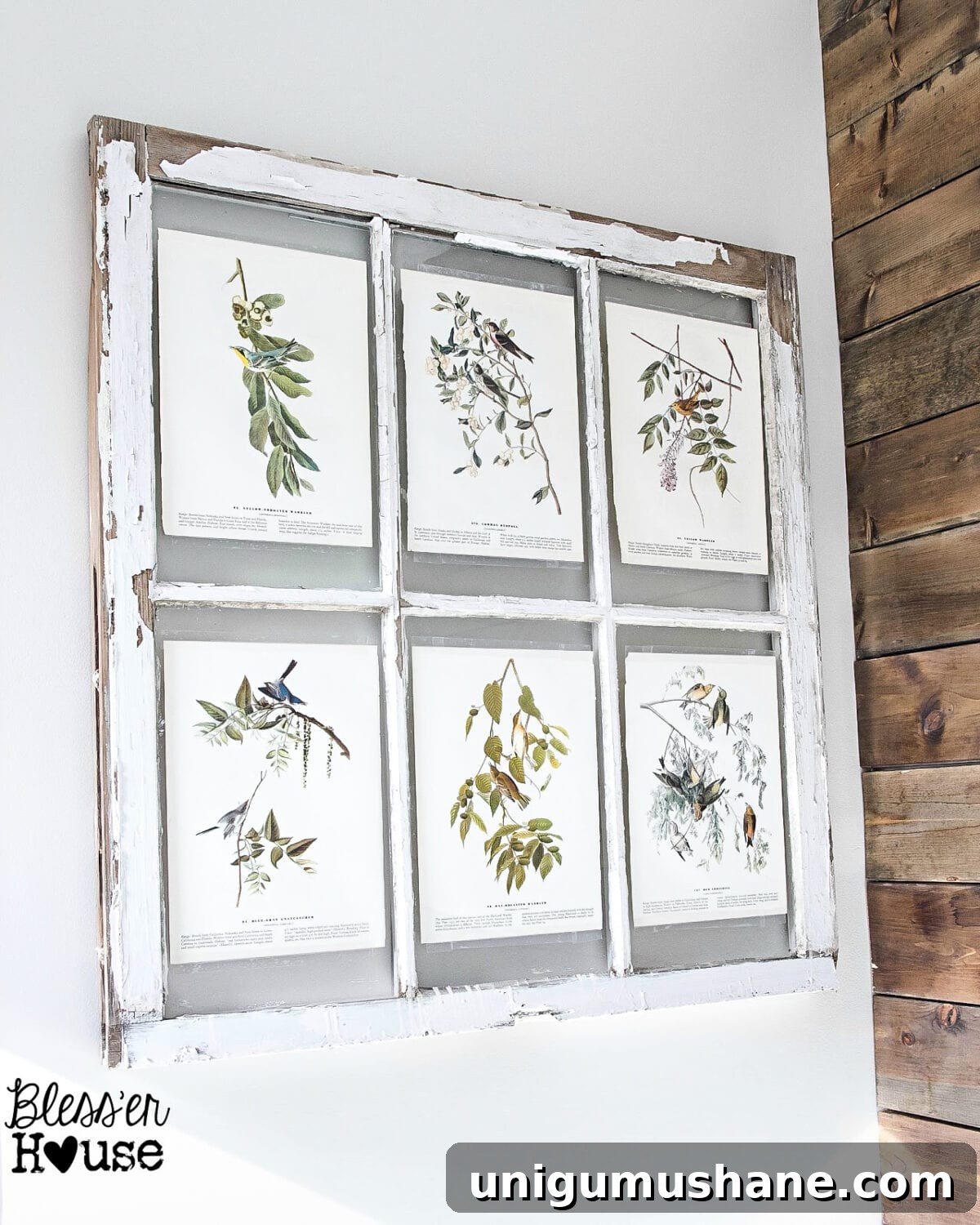
For a quick Trash-to-Treasure recap, here’s one of my favorite, super-simple wall decor makeovers: a reclaimed window turned into botanical wall art. It’s practical, inexpensive, and adds instant character to any room—especially when you use vintage book pages or botanical prints.
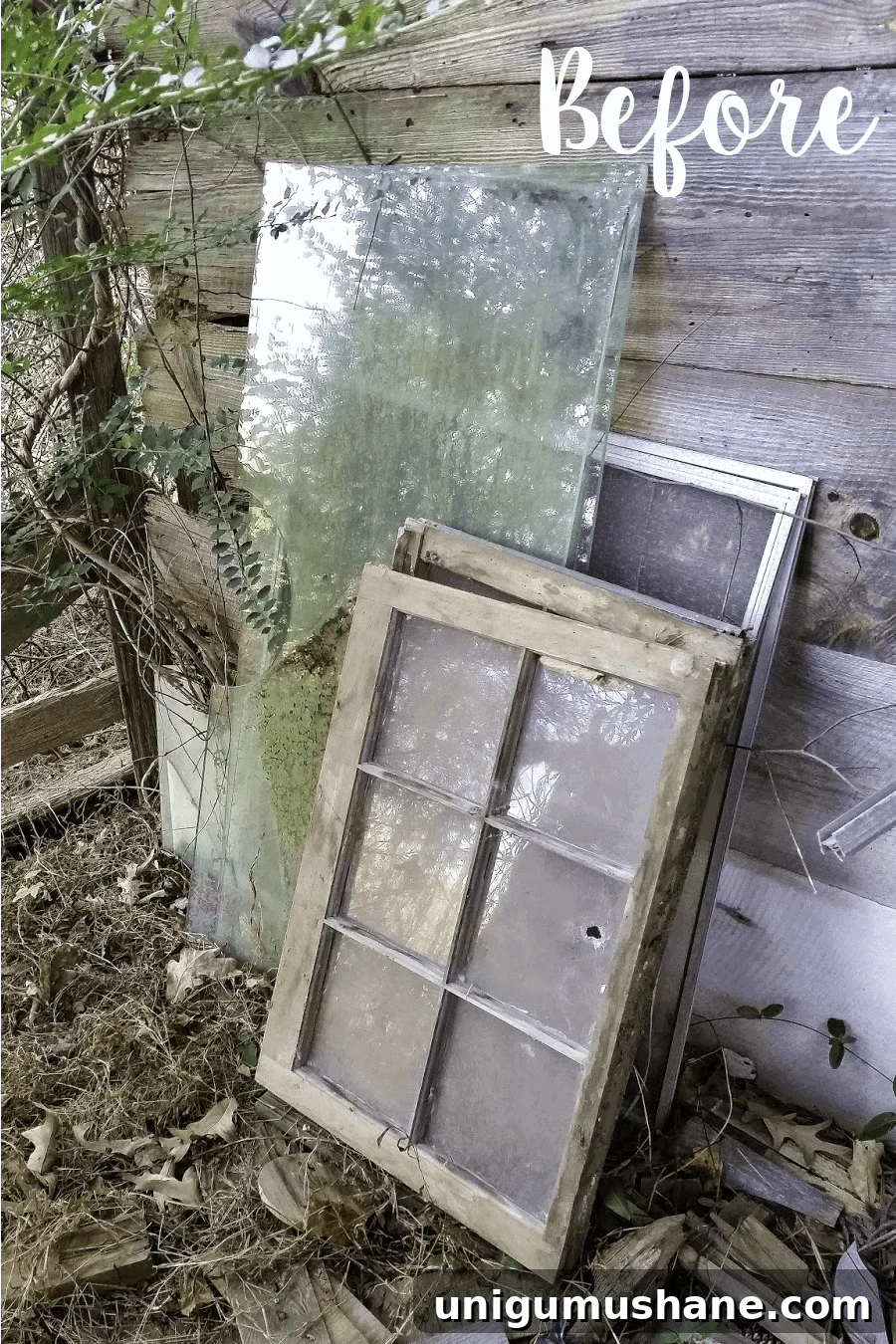
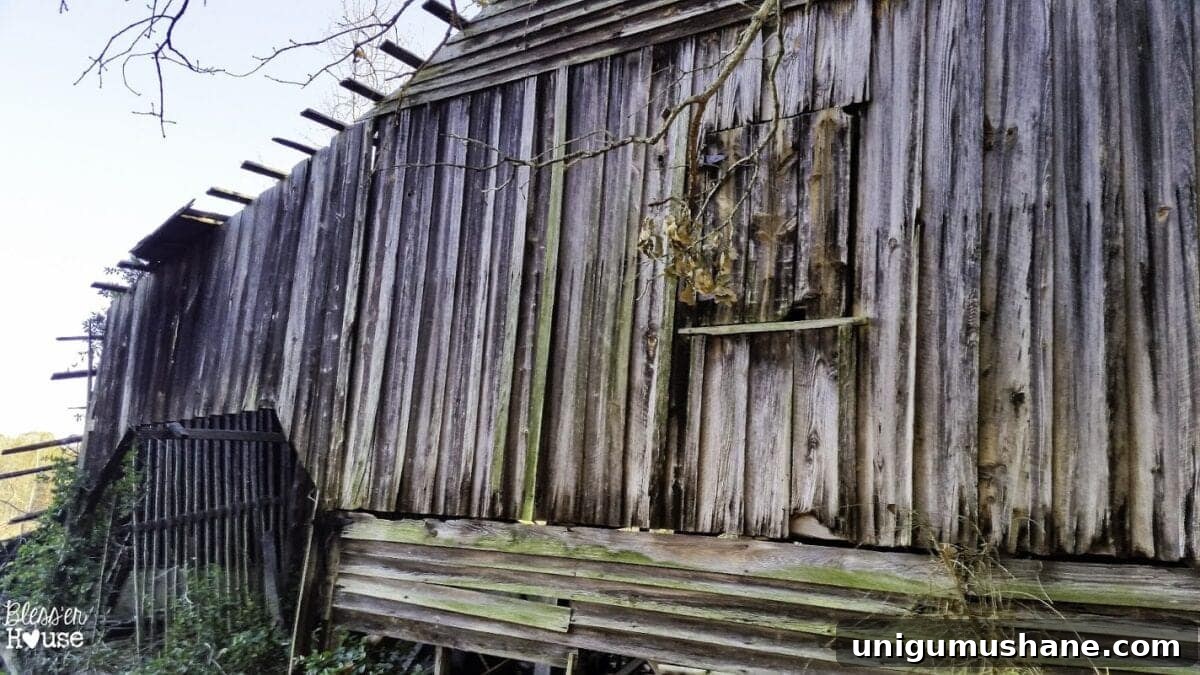
This all started with a stack of abandoned windows in my in-laws’ old barn. I rescued the one that wasn’t broken and brought it home to clean, stabilize, and style. If you find a reclaimed window, here are the essential preparation steps I recommend: test for lead paint if the frame is old, vacuum out debris with a wand attachment, wipe it down with an all-purpose cleaner, let it dry thoroughly, and seal the wood and any exposed paint with a clear matte spray polyurethane to protect against moisture and wear.
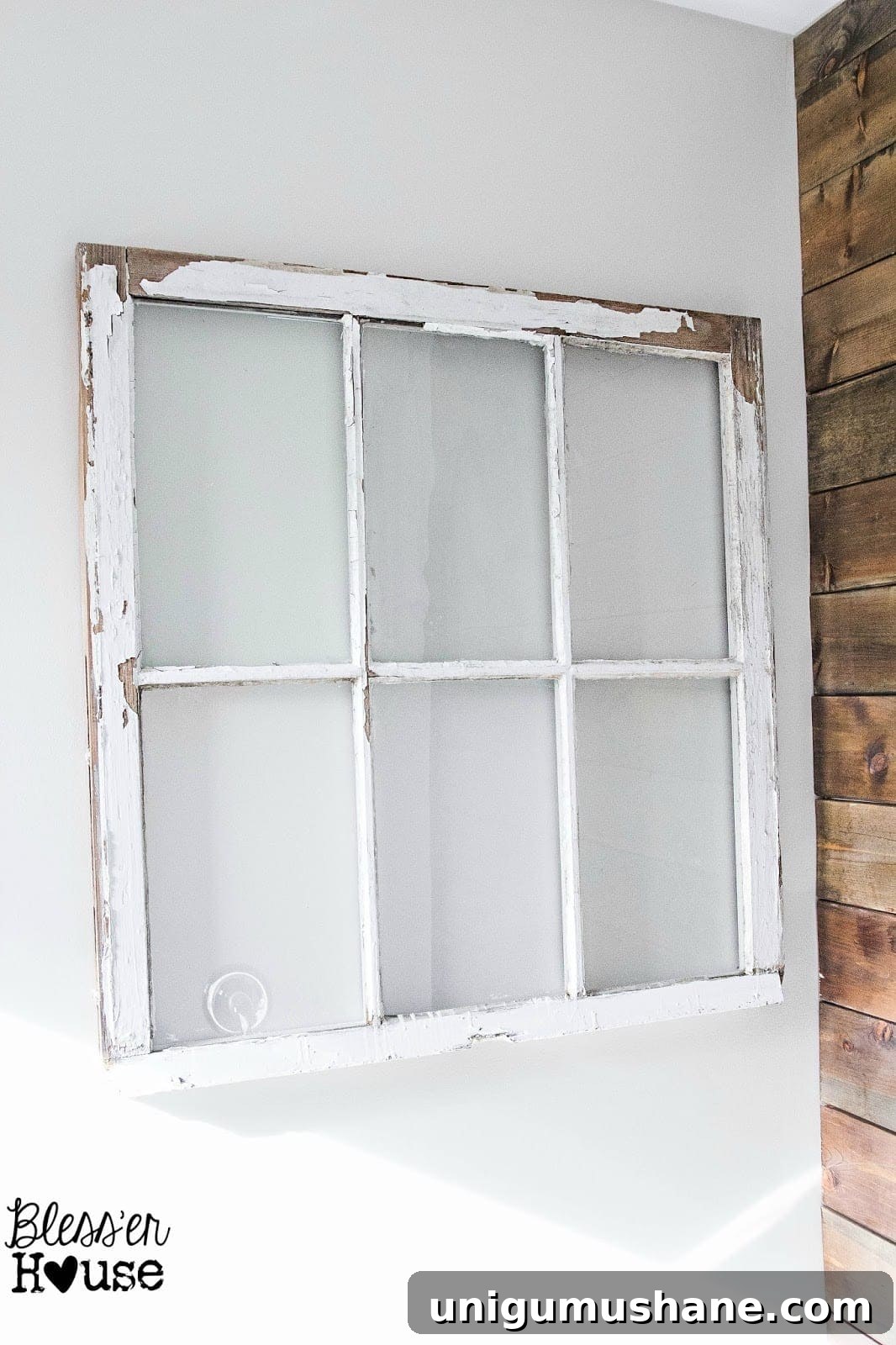
I hung the finished window behind our master tub. For heavy or valuable reclaimed pieces, use a secure hanging system rated for the weight—those dedicated hangers make me feel confident the piece will stay put. If you’re hanging near moisture, seal the frame and the art to prevent warping or mildew.
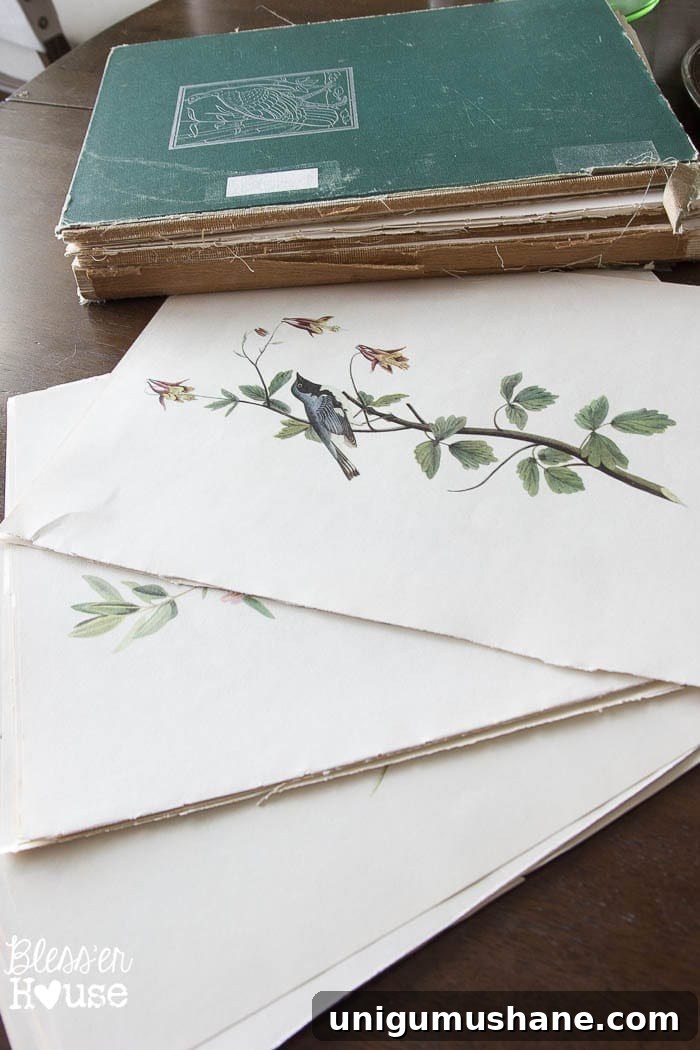
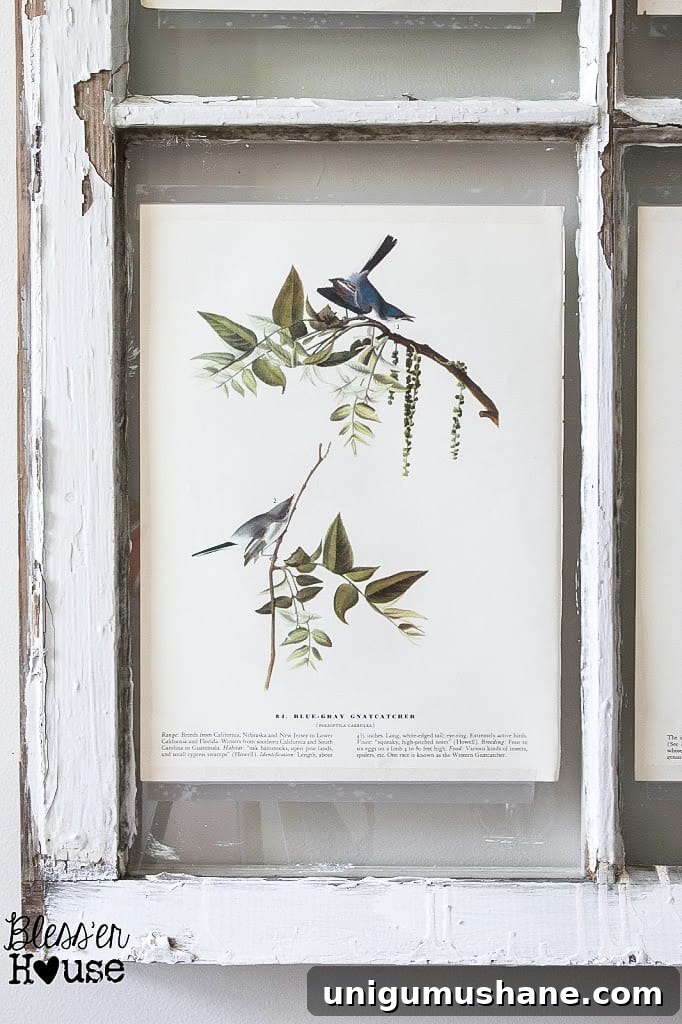
I had a thrifted Audubon Birds of America book that was falling apart—perfect material for this project. Instead of throwing the pages away, I used several of the book’s plates as art inserts. I simply taped the pages to the inside of the window panes; the effect is vintage, layered, and so charming. If you plan to display the window in a bathroom or other humid room, consider sealing the pages with clear laminating sheets to protect them from moisture.
I also used more pages from the same Audubon book to create framed botanical art for our foyer with poster frames. This approach gives you coordinated decor throughout the house and is ideal for spring and summer styling. Framed book plates work well in groups—three across a stair landing or a pair flanking a mirror creates a curated, collected look.
Tips and variations:
- Alternative art sources: vintage book pages, botanical prints, scanned antique plates, or your own printed botanical images on quality paper.
- Sealing: use clear laminating sheets or archival spray if the piece will be exposed to humidity or sunlight.
- Mounting: if you prefer a cleaner look, mount prints to lightweight foam core or matboard before attaching them behind the panes.
- Styling: pair the window with natural textures—linen towels, woven baskets, and potted greenery—to enhance the botanical vibe.
- Hanging: use picture-hanging hardware rated for the weight; for very old frames, reinforce the back with plywood strips for extra support.
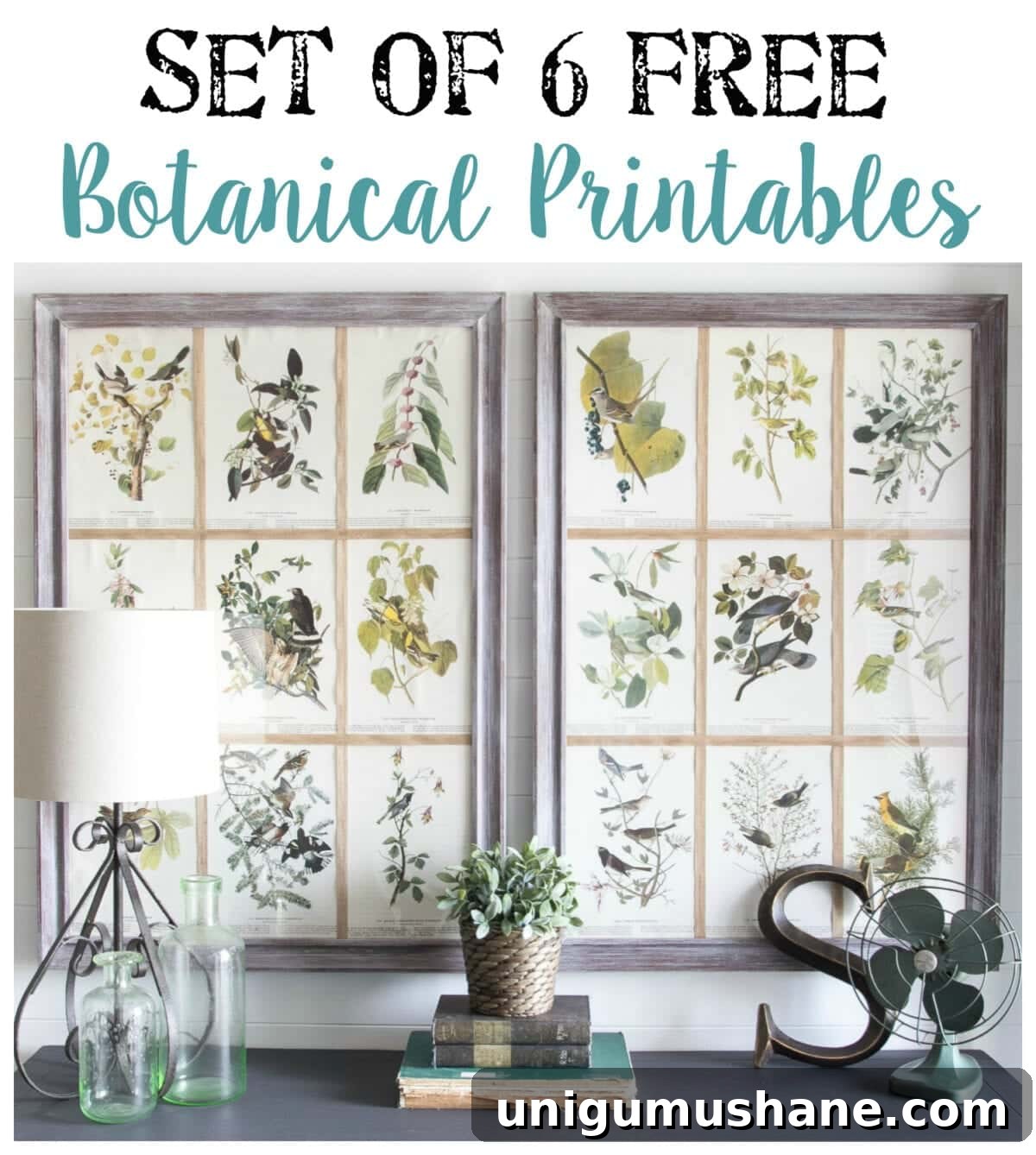
If you don’t have a vintage book, you can also download botanical printables to print on your own paper. I’ve included a set of six free botanical printables with this post—look for the printable button image below to get them. These printables are great for small repurposed windows, poster frames, or gallery wall mixes and are perfect for seasonal updates.
You can also find vintage natural history books and plates at thrift stores, estate sales, and online marketplaces to repurpose into unique wall art if you’d like a wide selection of illustrations. Using reclaimed materials is an affordable way to add personality and history to your home decor.
Below is the free printable button—click or tap the image if you’d like to download the set of six botanical prints. Enjoy!

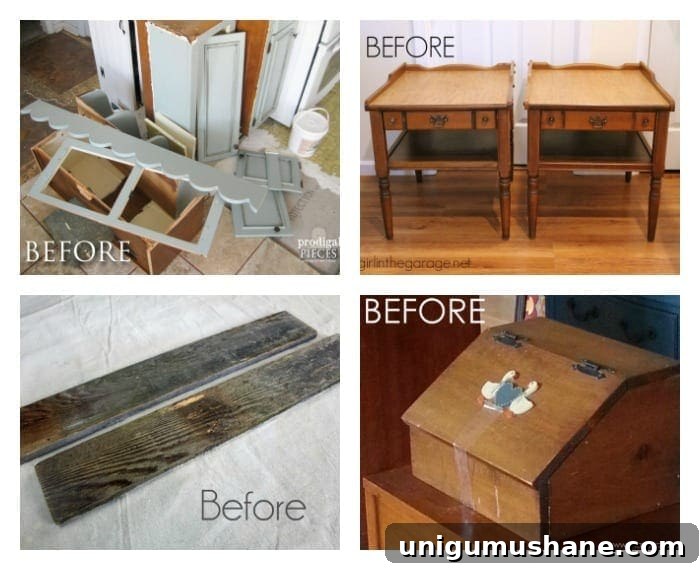
If you’re interested in more Trash-to-Treasure transformations, I’ve teamed up with some blogger friends who love salvaging and repurposing as much as I do. Their projects are full of creative inspiration: Prodigal Pieces, Girl in the Garage, Confessions of a Serial Do-It-Yourselfer, and Artsy Chicks Rule.

Note: This post originally included affiliate links to products and resources. If you have questions about materials or the process, feel free to leave a comment—I’d love to help you adapt this idea to your space.