

How to easily distress anything – plastic, wood, glass, resin – for an authentic antique finish using just paint and Vaseline
Hi everyone! I’m getting back into a creative rhythm after a short beach break, and today I want to share a simple, reliable technique for creating an aged, distressed finish on frames and other items.
This tutorial is a little preview of a larger gallery wall project I’ve been planning. If you have a pile of plain picture frames or thrifted finds waiting for a makeover, this method is perfect — you’ll get a convincing vintage look with minimal effort.

Over time I’ve collected a variety of frames from thrift stores and craft outlets. Some cost under a dollar, others a bit more — but all had interesting shapes and details that begged for a makeover. I selected six frames to distress for the wall: four thrifted and two bought new.
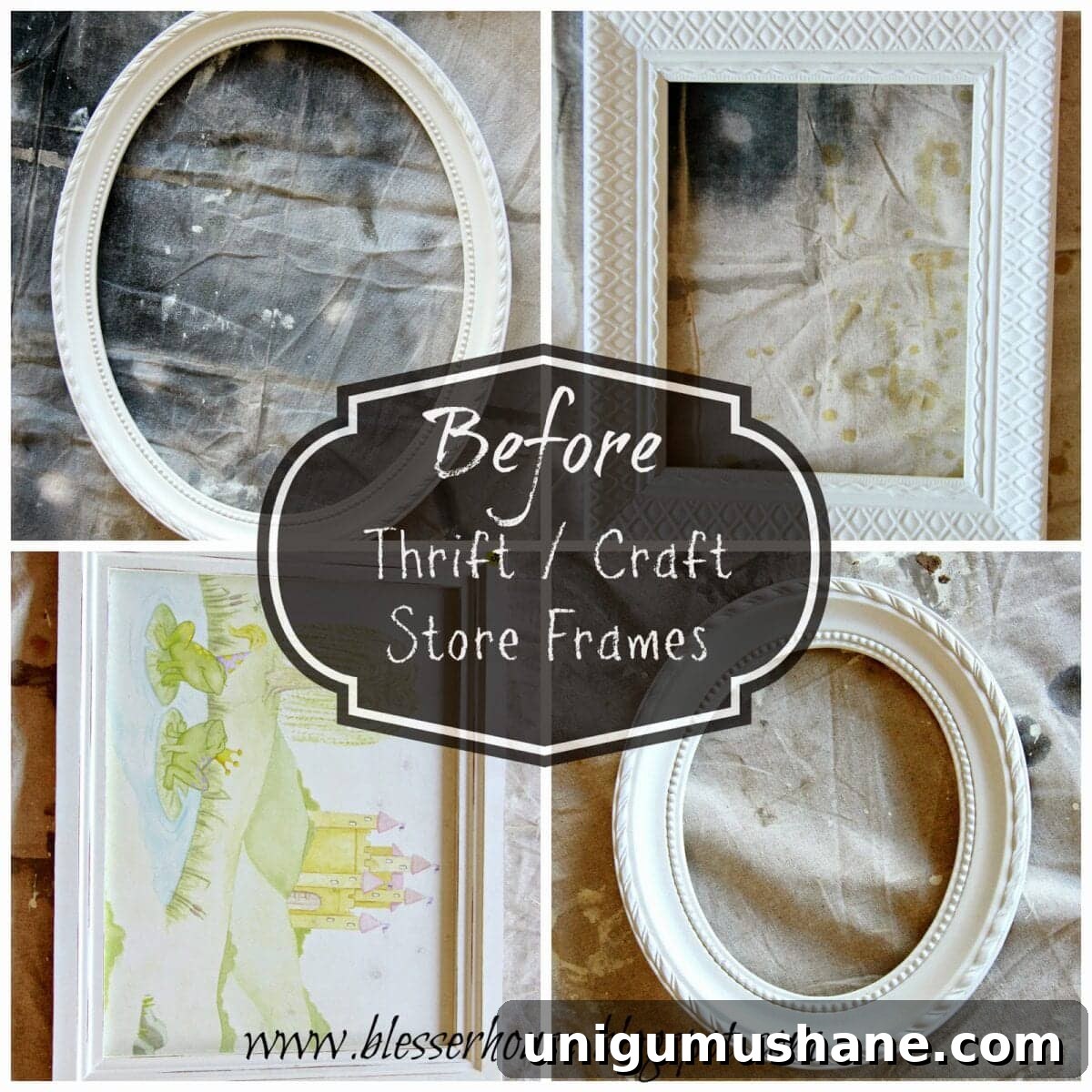
At first I considered saving a few for a child’s themed room, but I reclaimed them for the living room gallery wall — the vintage, distressed finish suits a variety of styles and adds instant character.
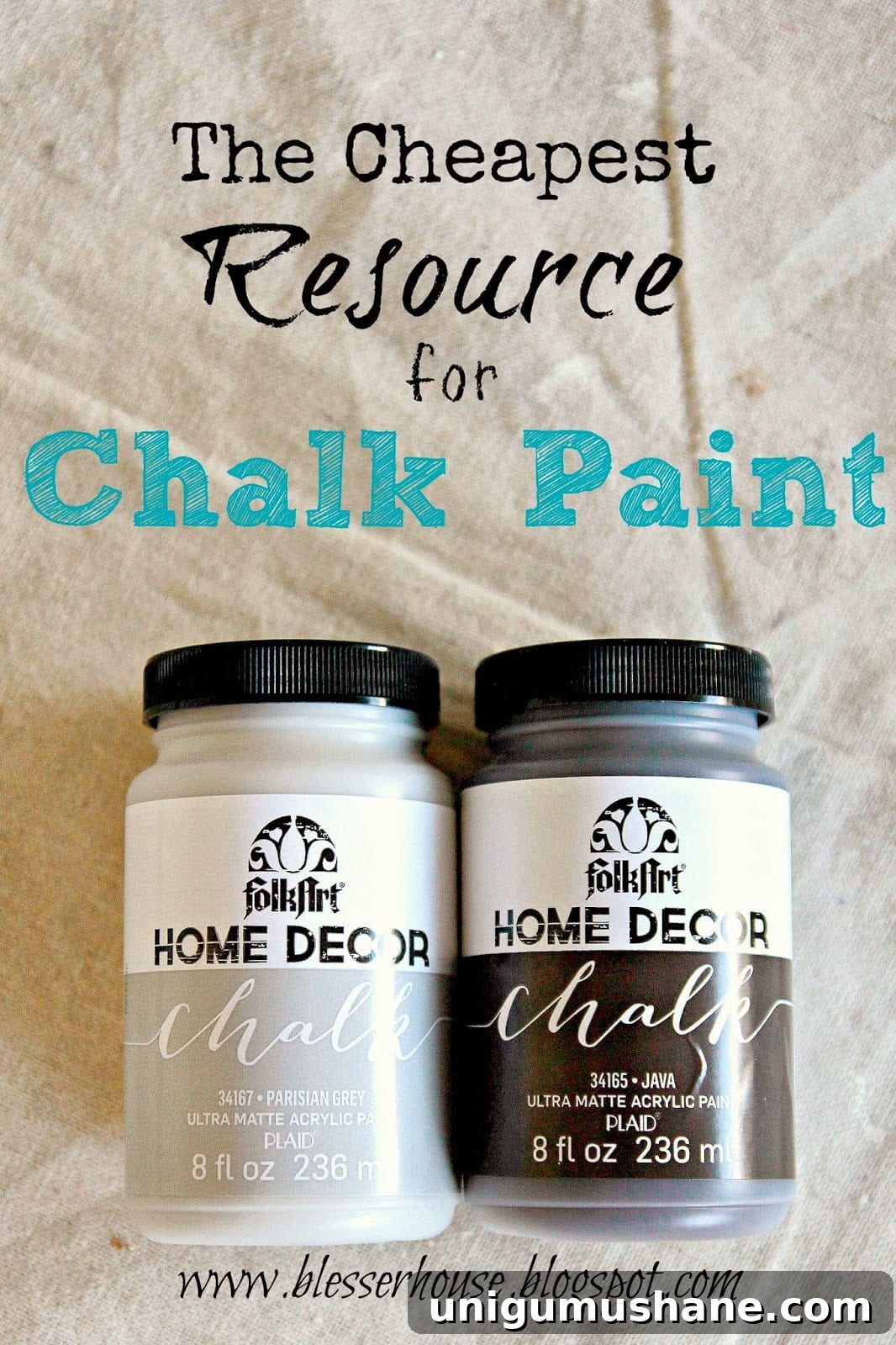
If you’re new to chalk paint, it’s a fantastic product for creating a matte, vintage appearance without a lot of prep work. I used an affordable line of chalk-style paint for these frames and had excellent results. If you prefer, any paint that adheres to the material will work — the key is the layering and the Vaseline resist technique.
Supplies I used:
- Two paint colors: a base color (the shade that will peek through) and a topcoat color (the visible finish).
- Vaseline (petroleum jelly) to create a simple resist for distressing.
- A clean, dry rag.
- Paper towels for blotting and clean-up.
- Two to three medium to large artist brushes.
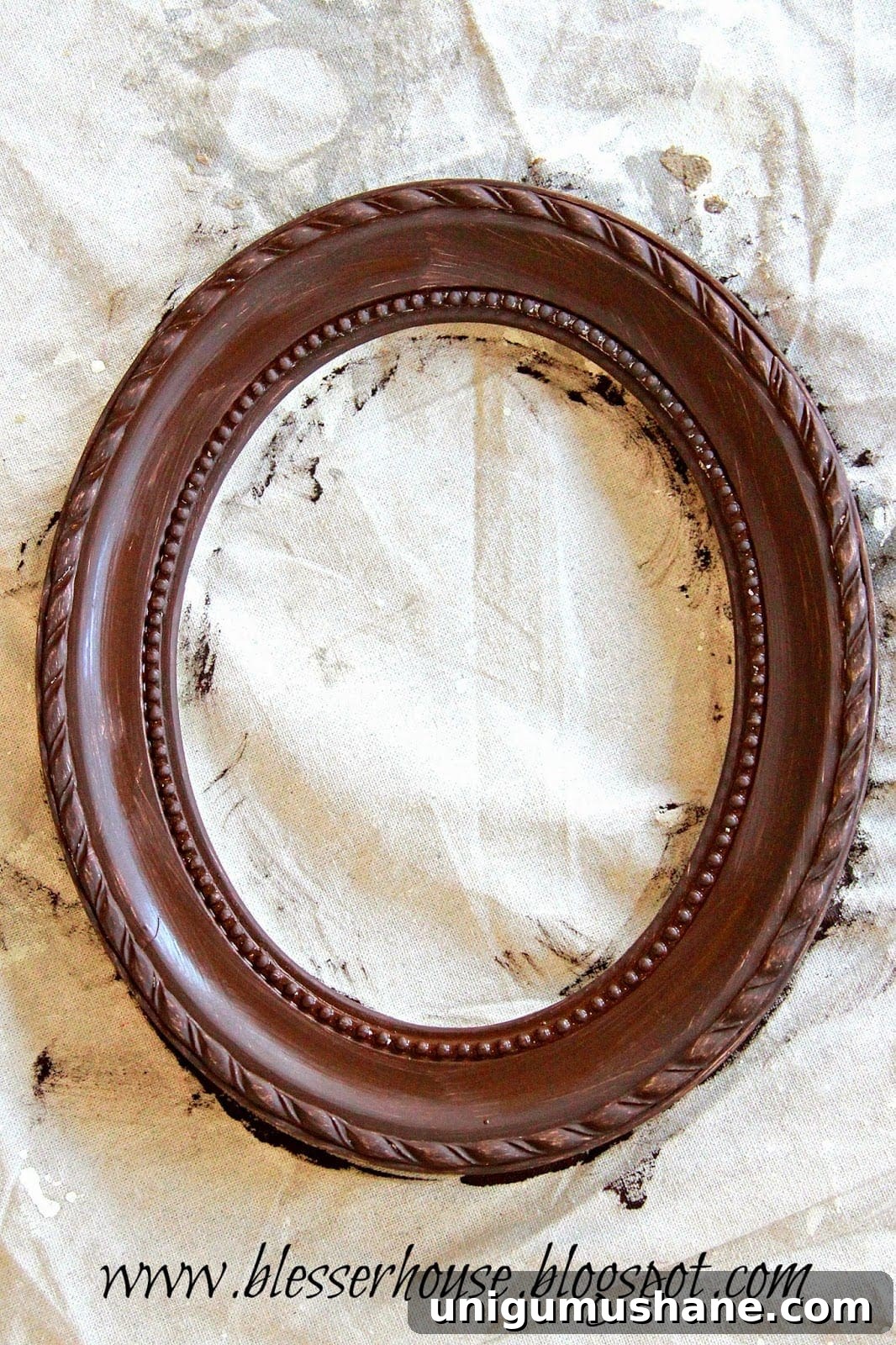
Step 1. Paint the frames with a coat of your base color — this is the color that will show through where you distress. I used a warm brown base for most frames and an oil-rubbed bronze base on a couple of others to test contrast. Let the base coat dry completely before moving on.
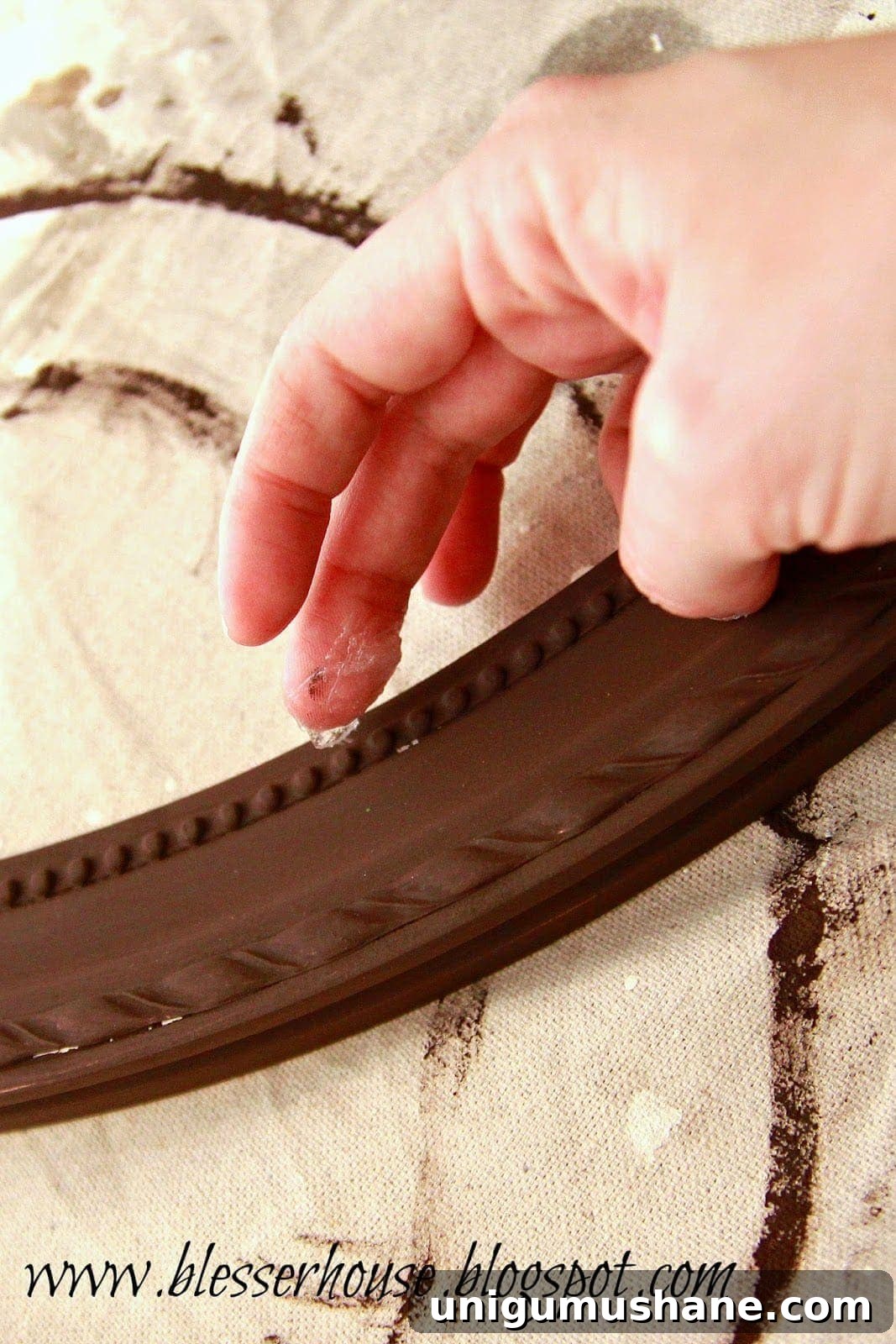
Step 2. After the base coat is dry, rub Vaseline sparingly onto areas where natural wear would occur — corners, raised details, edges, and any places you want to look aged. The Vaseline acts as a resist, preventing the next coat from fully adhering in those areas.
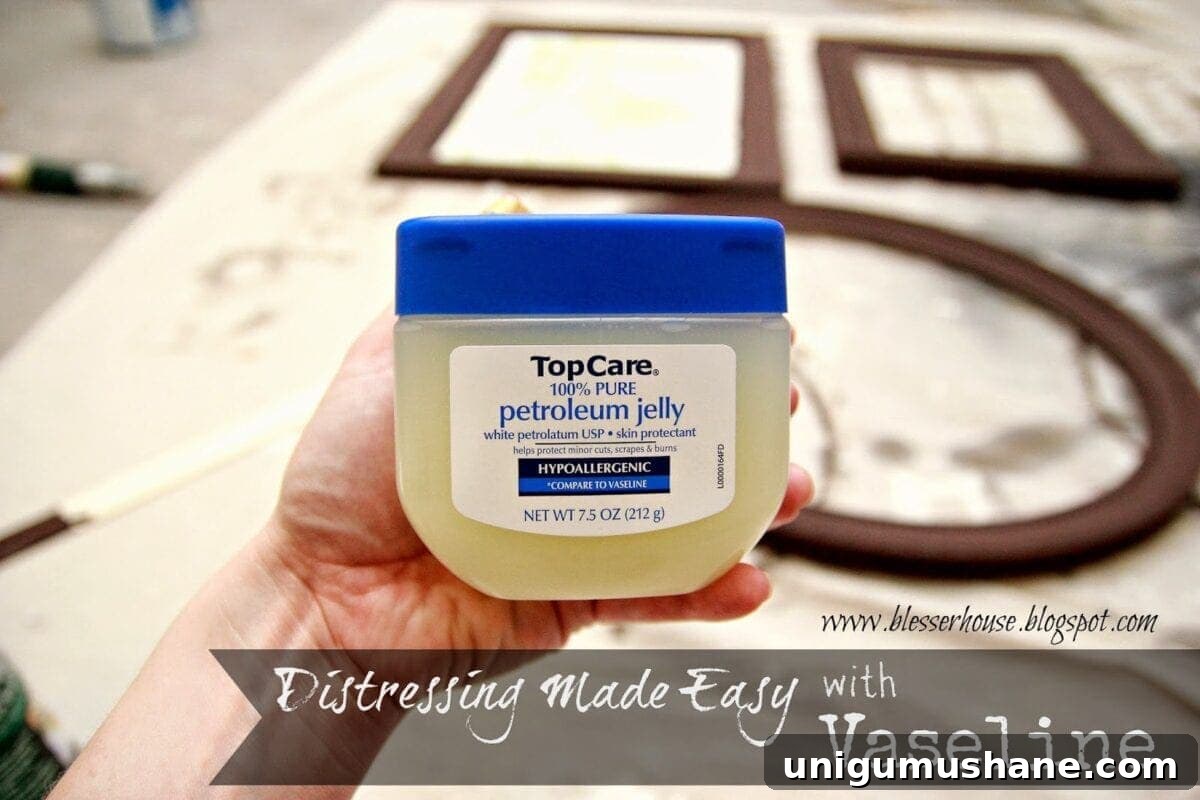
Concentrate on edges and raised flourishes for the most natural-looking wear. A little Vaseline goes a long way — you can also rub it on with your fingers, which doubles as an unexpected hand moisturizer.
Step 3. Apply a layer of your topcoat color over the entire frame, including over the Vaseline spots. Don’t worry about getting paint into every crevice — the contrast and random coverage add to the aged effect. Chalk-style paint or spray paint both work. I used a soft grey topcoat for these frames.
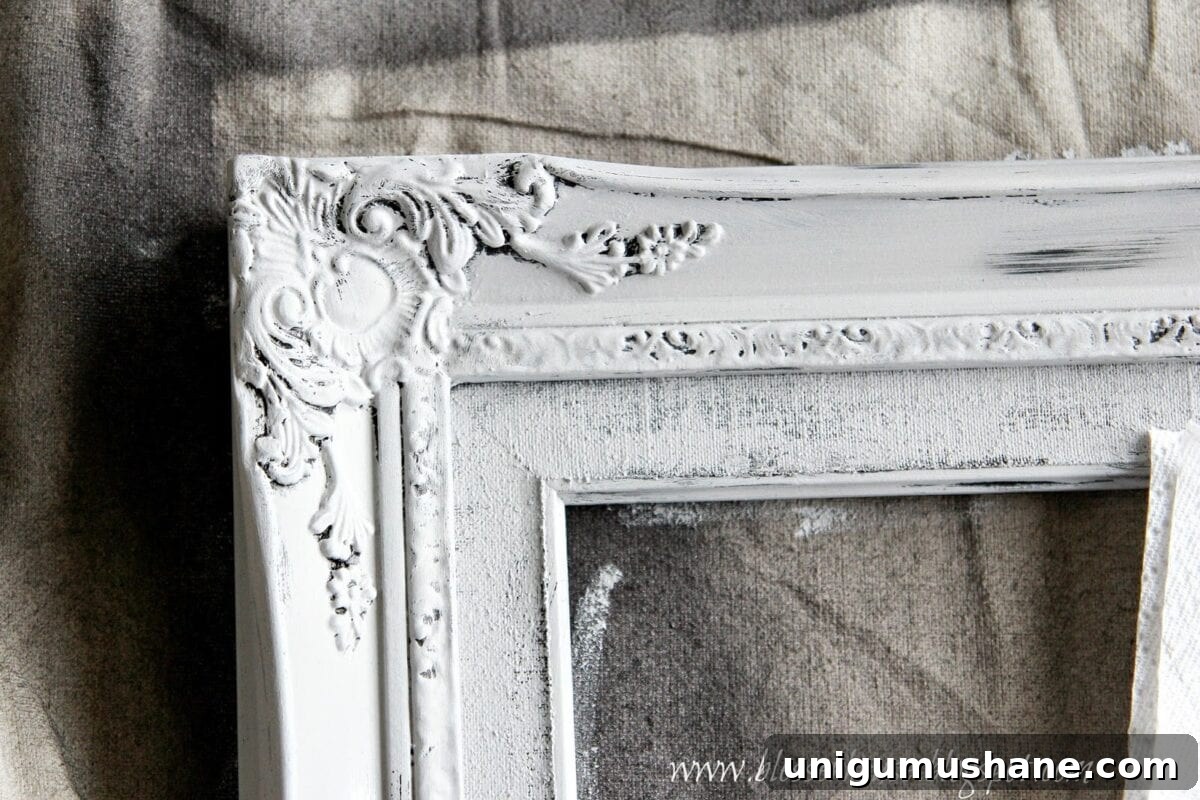
Step 4. Once the topcoat is dry to the touch, use a clean, dry rag to wipe away the Vaseline. The paint that was repelled by the petroleum jelly will come off and reveal the base color beneath, creating a natural, worn look.
Optional: Dry brush any additional color for depth. To dry brush, dip an artist brush into the base paint, wipe most of it off on a paper towel until the bristles are nearly dry, and lightly sweep the brush over raised details. This adds subtle highlights and dimension to the distressed finish.
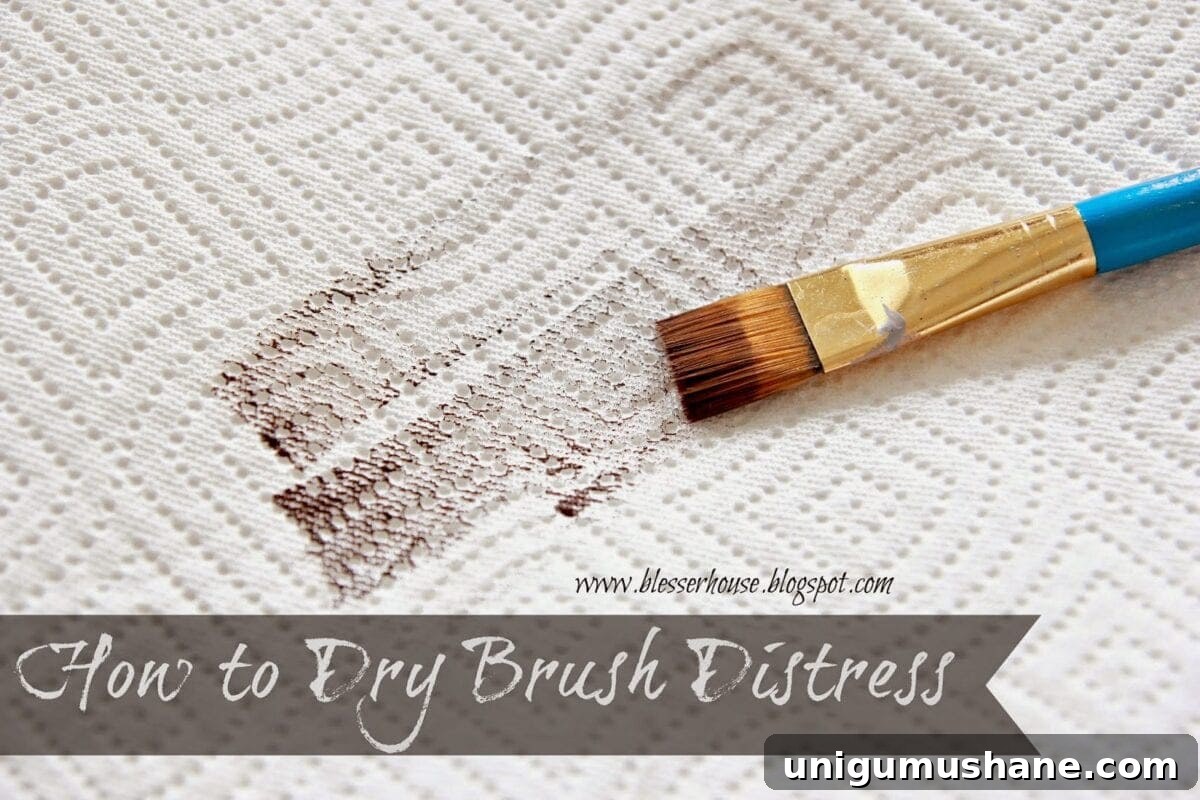
As you dry brush, the base color will appear faintly on the surface and accentuate ornate details, making the finish look more authentic and layered.
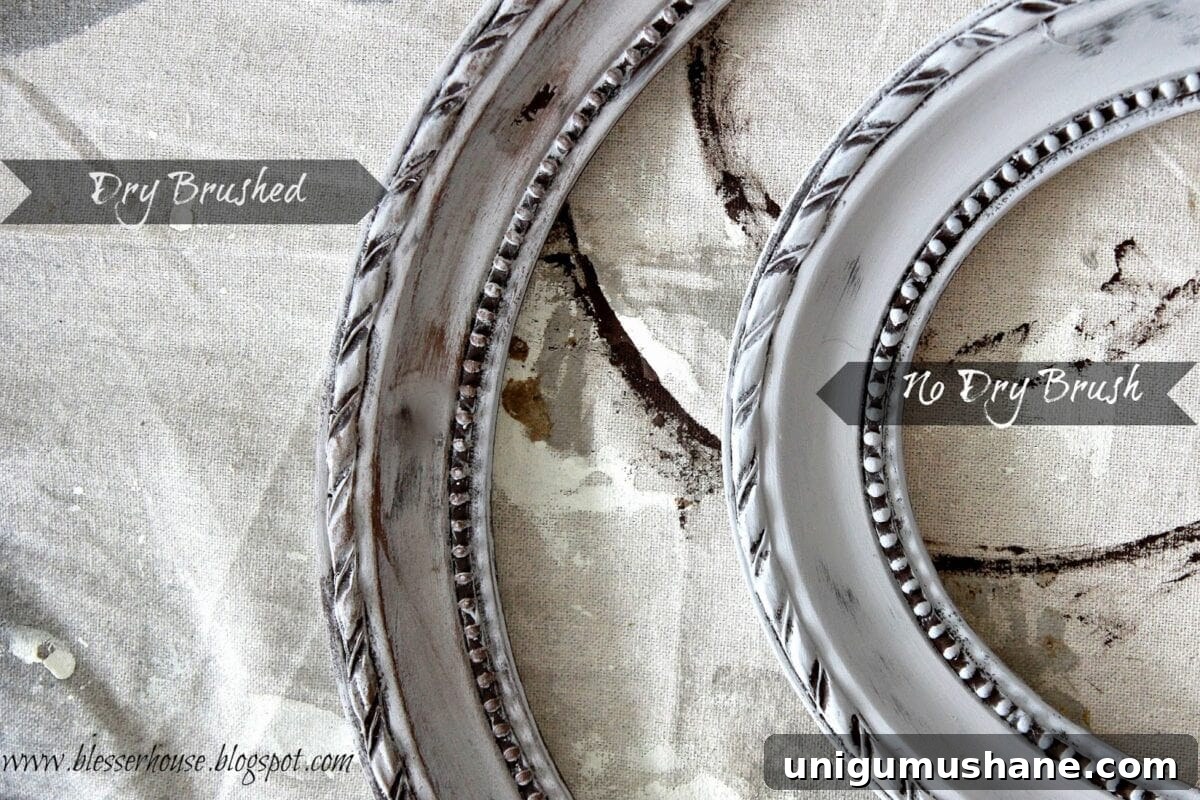
That’s it — the process is quick and forgiving. Drying time between coats is usually the longest part; the actual distressing steps are fast. This technique works on almost any surface: wood, plastic, resin, glass, and even some metals. Two of my frames were plastic and, when finished, they looked convincingly like painted, distressed wood.
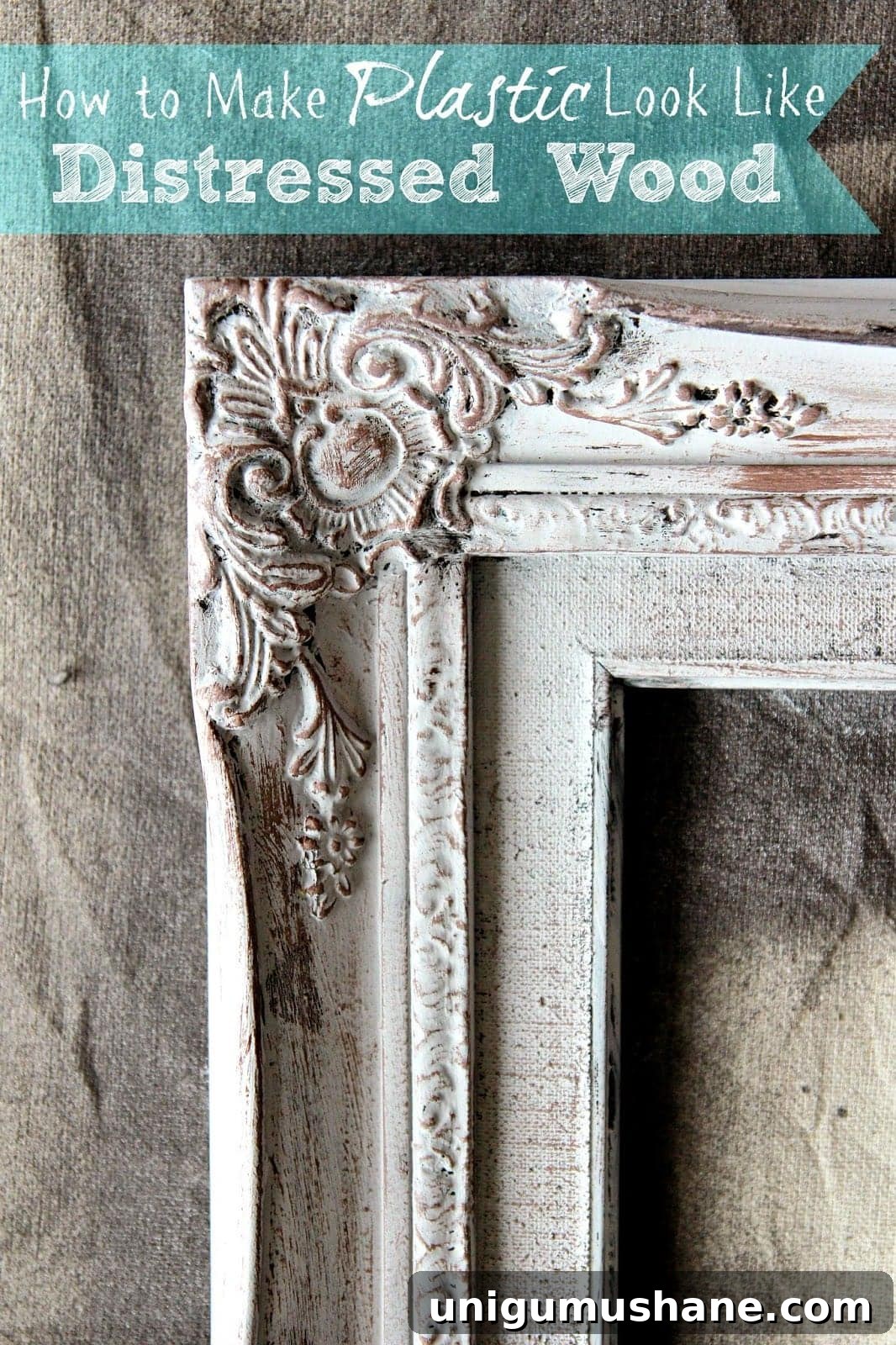
Now the frames are ready to hang in the gallery wall. For contrast, I also spray painted a few frames a darker shade to mix finishes and add visual interest. Mixing tones, textures, and levels of distress makes the overall display feel curated and authentic.
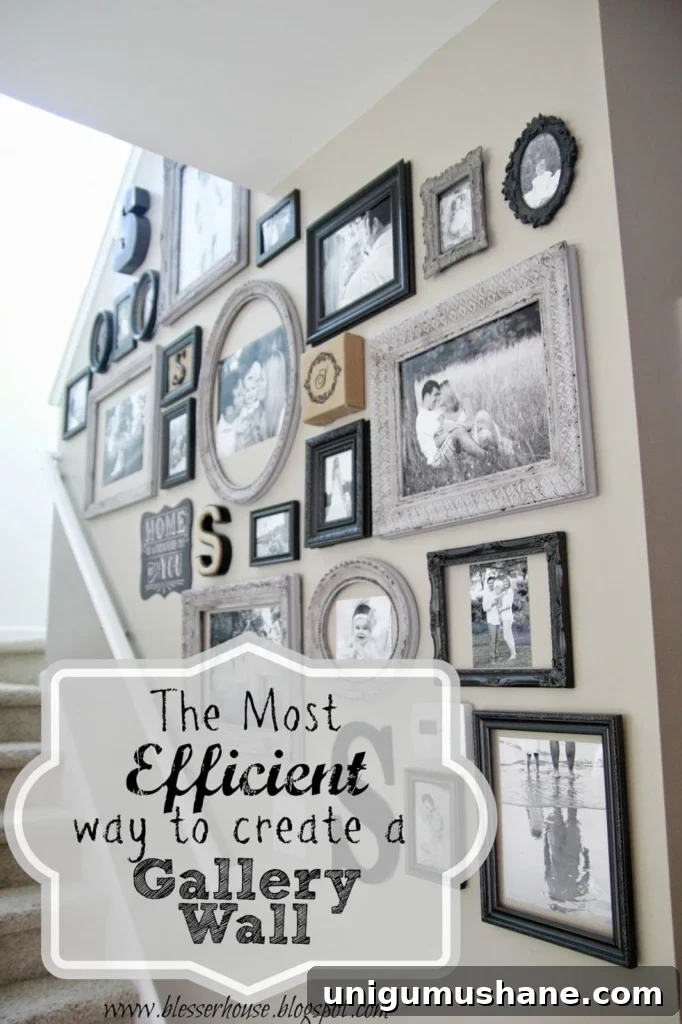
Update: I completed the full gallery wall and used these distressed frames throughout — the result is layered, balanced, and full of character. The Vaseline resist method remains one of the easiest ways to achieve an authentic antique finish without sanding or complicated prep.

What distressing projects have you tried lately? Share your tips and favorite paint combinations!