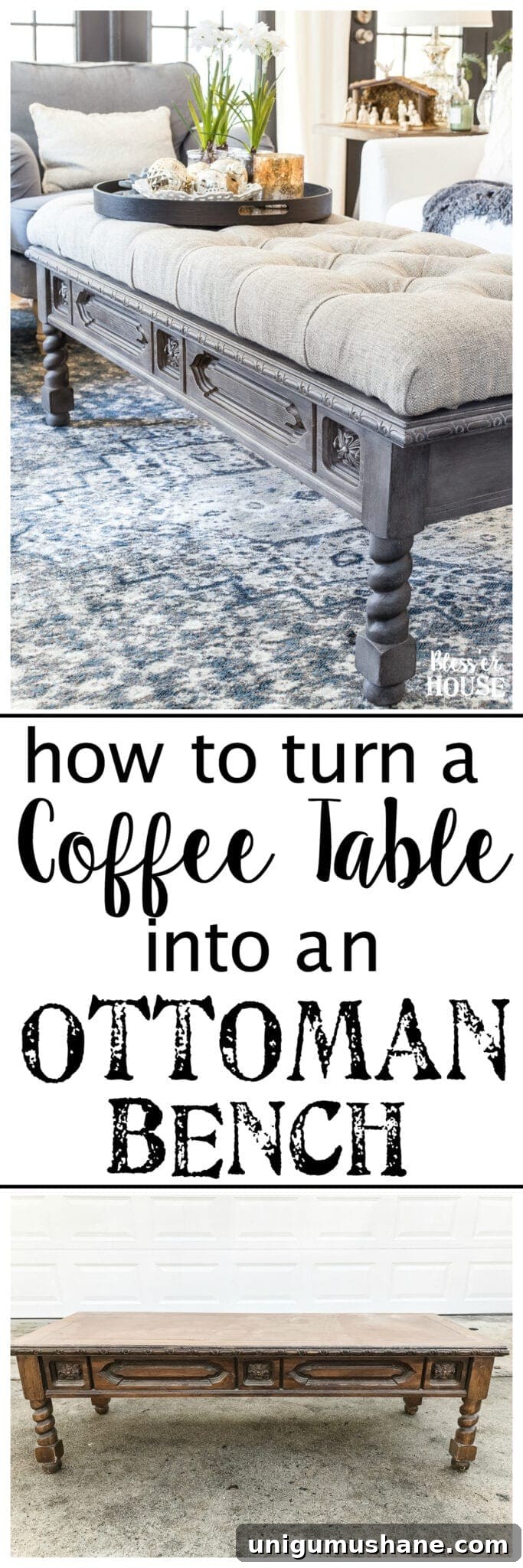
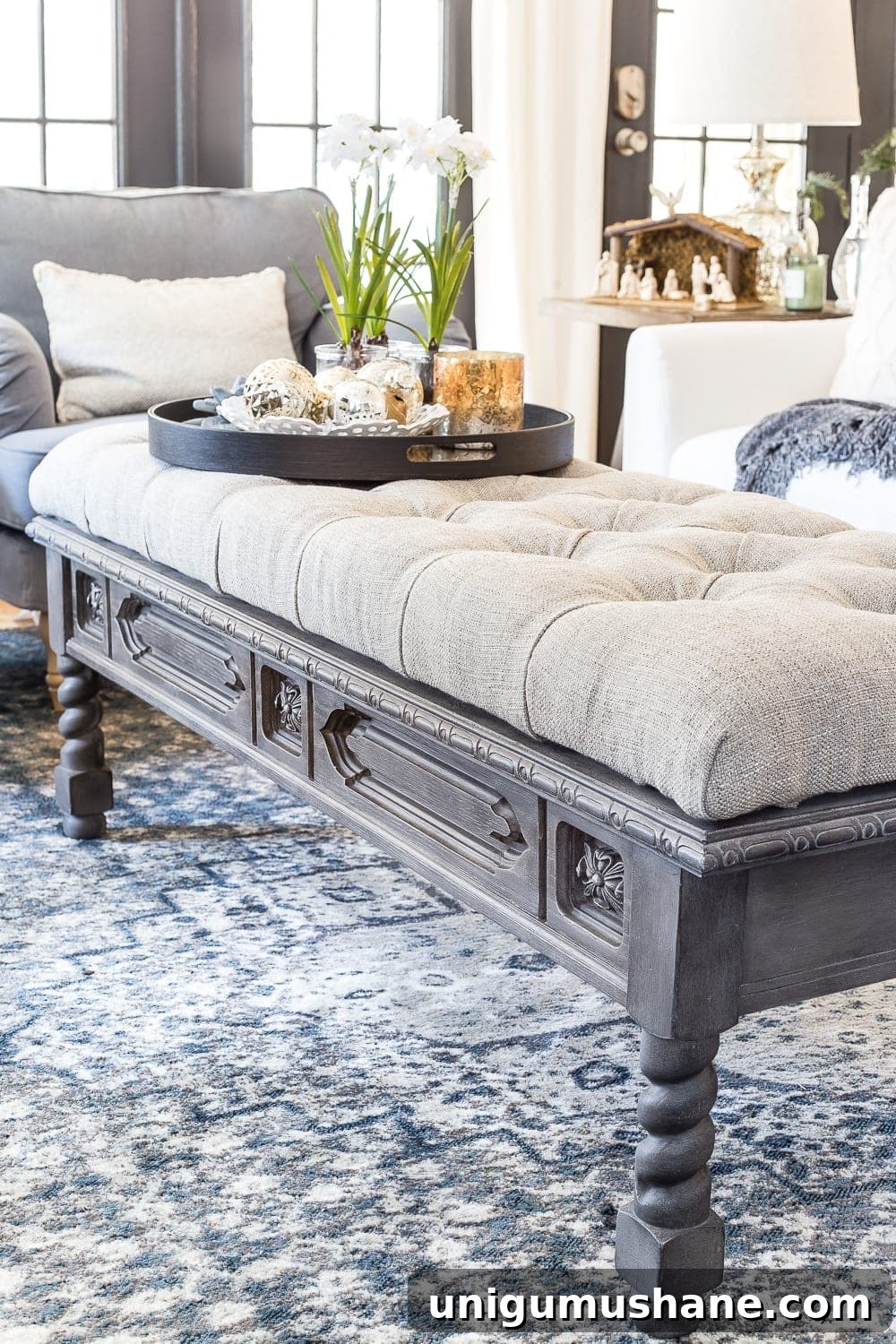
How to repurpose an old coffee table into a designer-inspired ottoman bench with tips for getting a faux weathered wood finish and diamond tufted upholstery
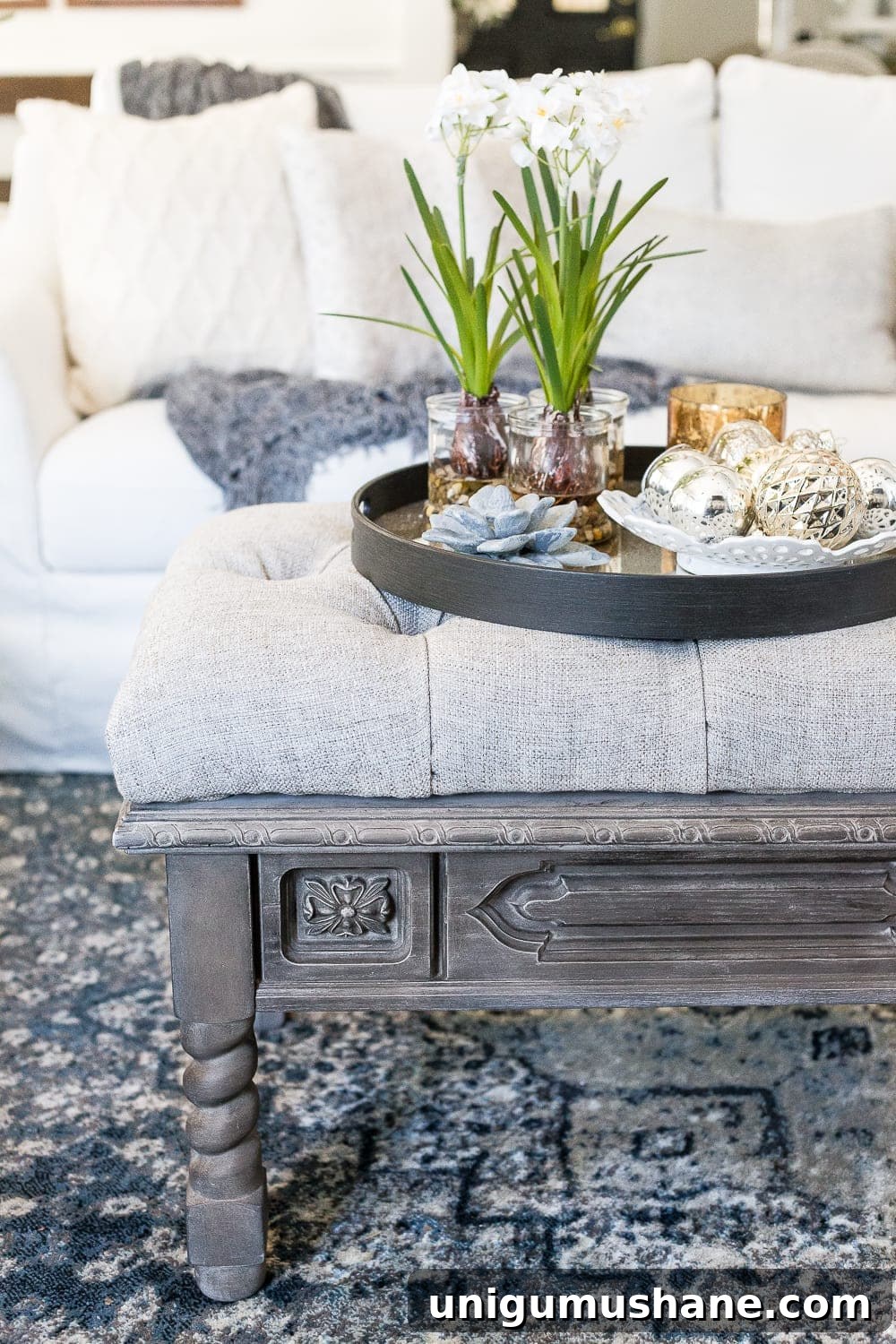
This project began as a thrift-store rescue that sat in the garage for far too long until I finally turned it into a functional, stylish ottoman bench. If you enjoy scavenging thrift stores, you know the thrill of spotting a solid piece and imagining its potential—this was one of those finds.
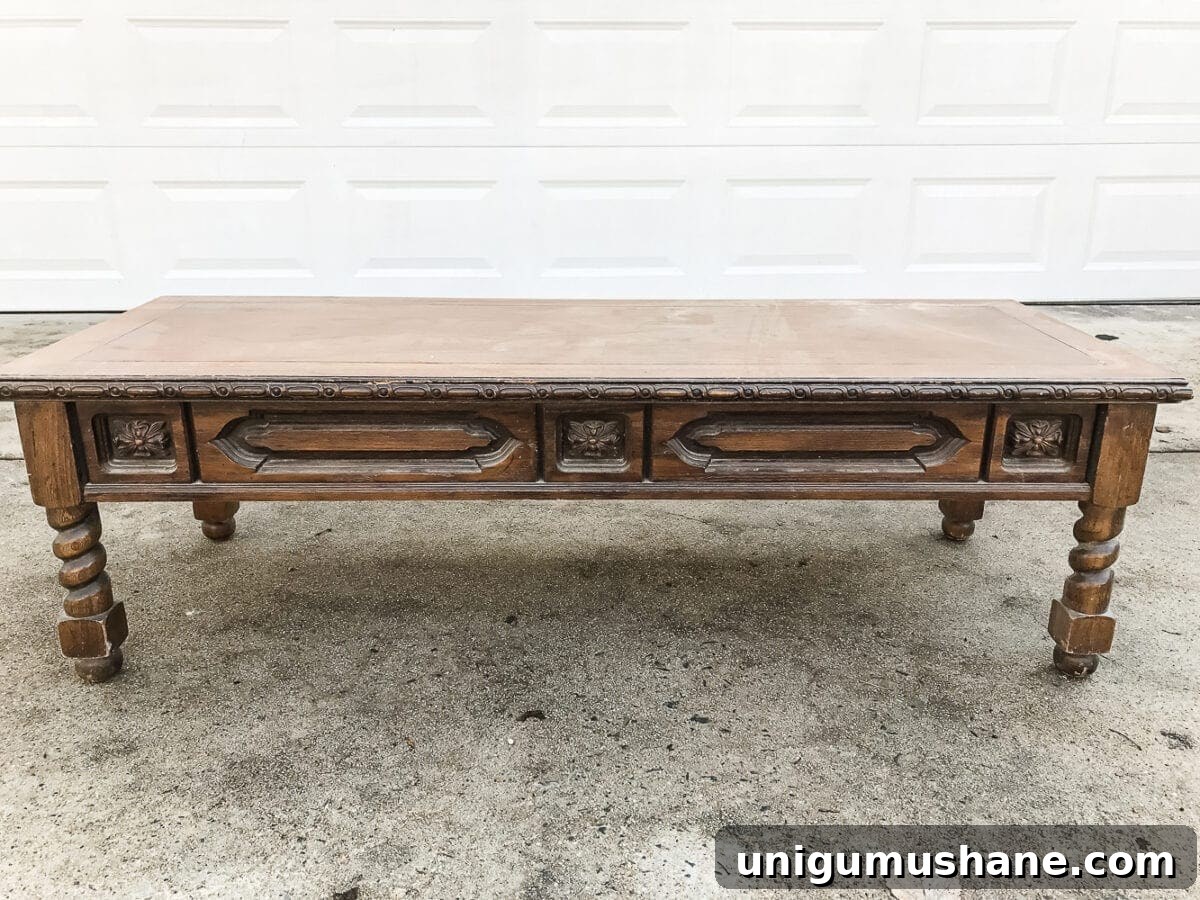
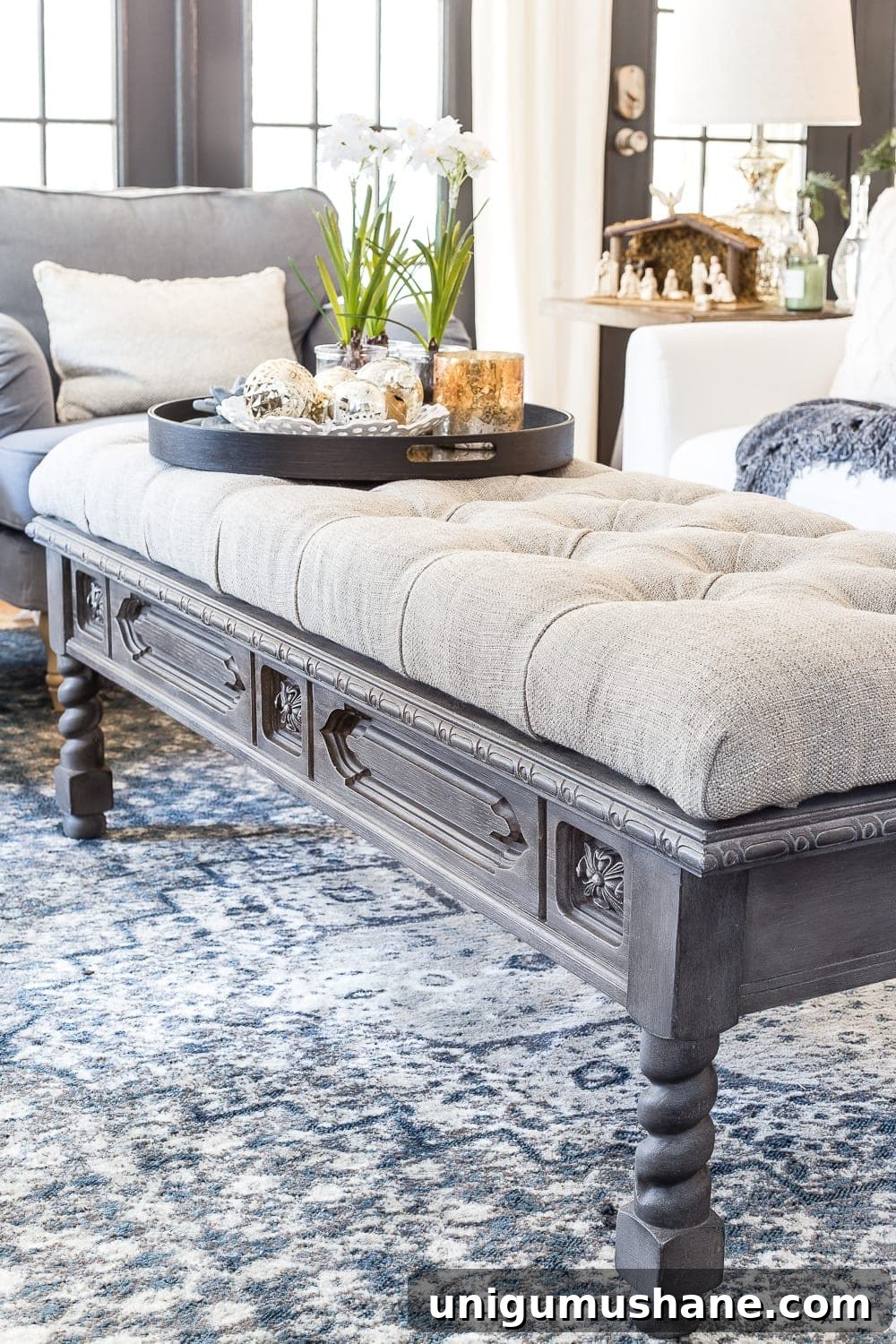
I picked this coffee table up for $15 the week before Thanksgiving. The frame and carved details were sturdy and perfect for converting into an ottoman bench with a cushioned, diamond-tufted top. Below I’ll walk you through the makeover steps I followed to achieve a faux weathered wood base and a professional-looking tufted cushion.

Supplies Used:
- Coffee table (thrifted) — $15
- Annie Sloan Chalk Paint in French Linen
- Annie Sloan Black Wax (or dark/espresso wax for warmer tones)
- White paint for dry-brushing (I used Fusion Mineral Paint Casement)
- Natural bristle brushes (for paint and wax)
- Small chip brush (for dry-brushing)
- 3/4″ hardwood plywood (top)
- Paper towels and lint-free rags
- 3″ high density foam sheet
- Twin-size hi-loft batting (two layers)
- Upholstery button kit
- 3 yards upholstery fabric
- Power drill/driver
- Electric carving knife (optional, for cutting foam)
- Sharpie, tape measure, yard stick
- Spray adhesive
- High-heat hot glue gun and glue sticks
- #8 3/4″ wood screws and #10 flat washers
- Manual staple gun and 3/8″ staples
- Liquid Nails or similar construction adhesive
- Fabric scissors
- Patience—diamond tufting takes time!
The total outlay was about $174.32 because I already owned most tools and paint. Considering similar ottoman benches retail for several hundred dollars, this DIY version is economical and customizable.
I borrowed tufting techniques and general inspiration from other DIY upholstery tutorials. If you plan to diamond-tuft, patience and organized steps make the process much easier.
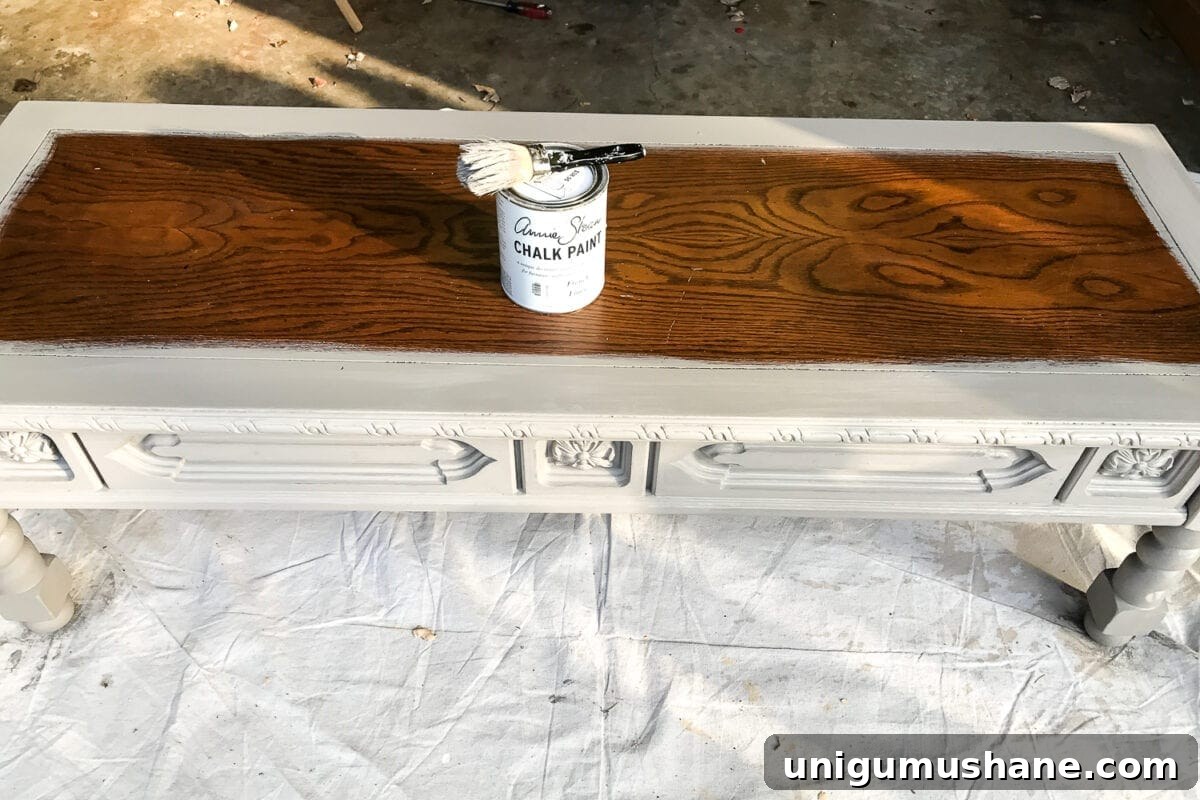
Step 1: Prepare the base. Clean the table and sand any glossy finishes so paint adheres. Apply two even coats of Annie Sloan French Linen (or another neutral gray) using a natural bristle brush to work into carved details. Allow paint to dry completely between coats.
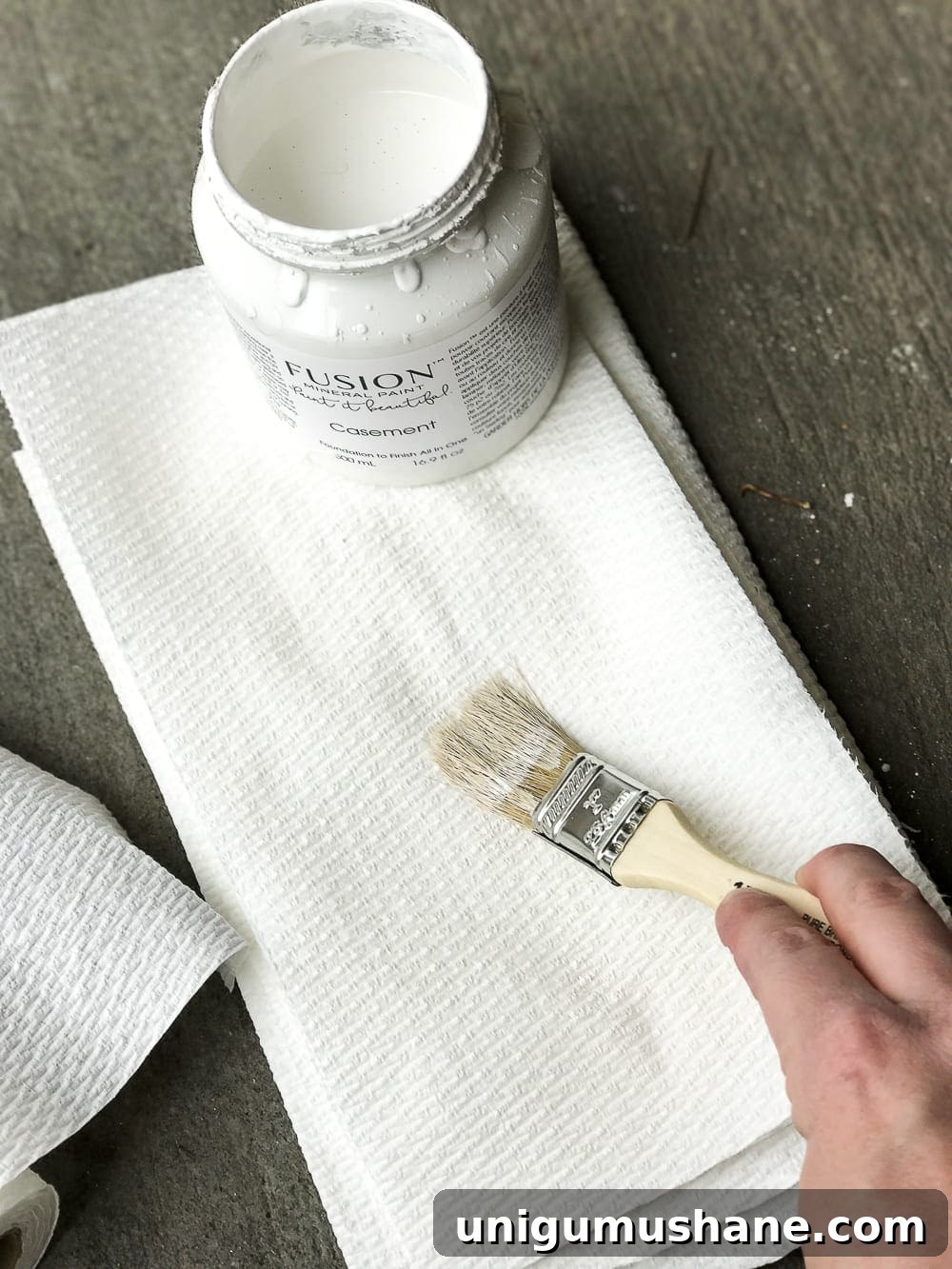
Step 2: Create a faux weathered look. Once dry, dry-brush a little white paint (Casement or similar) to add texture and highlight details. To dry-brush: dip a chip brush lightly into paint, wipe most off on a paper towel, then stroke sparingly where you want highlights.
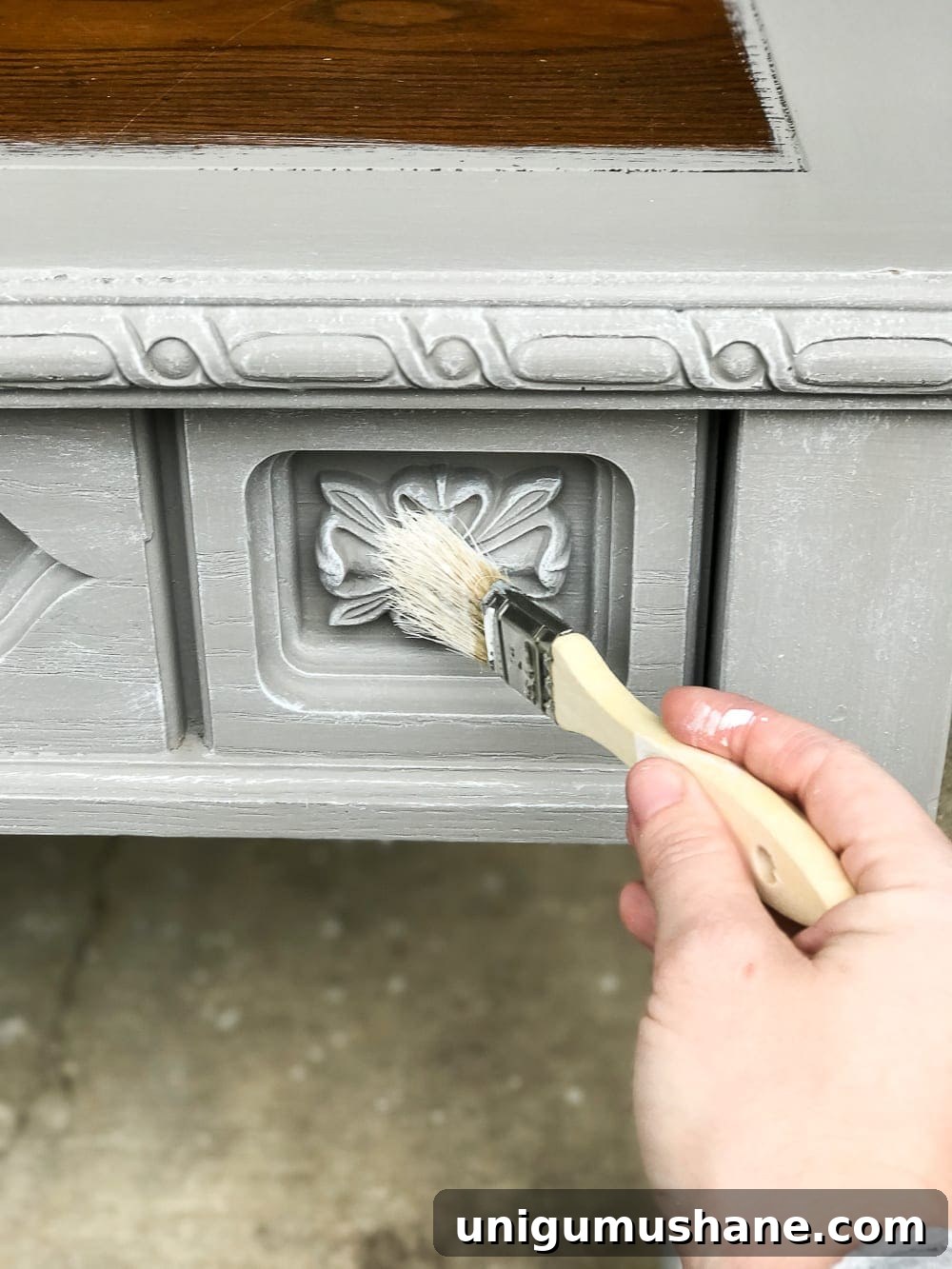
Step 3: Add depth with black wax. Using a natural bristle brush, apply a light coat of Annie Sloan Black Wax and work it into the crevices and carved details. Wipe excess with a dry rag to reveal raised areas and create contrast. Apply sparingly to avoid a sticky finish.
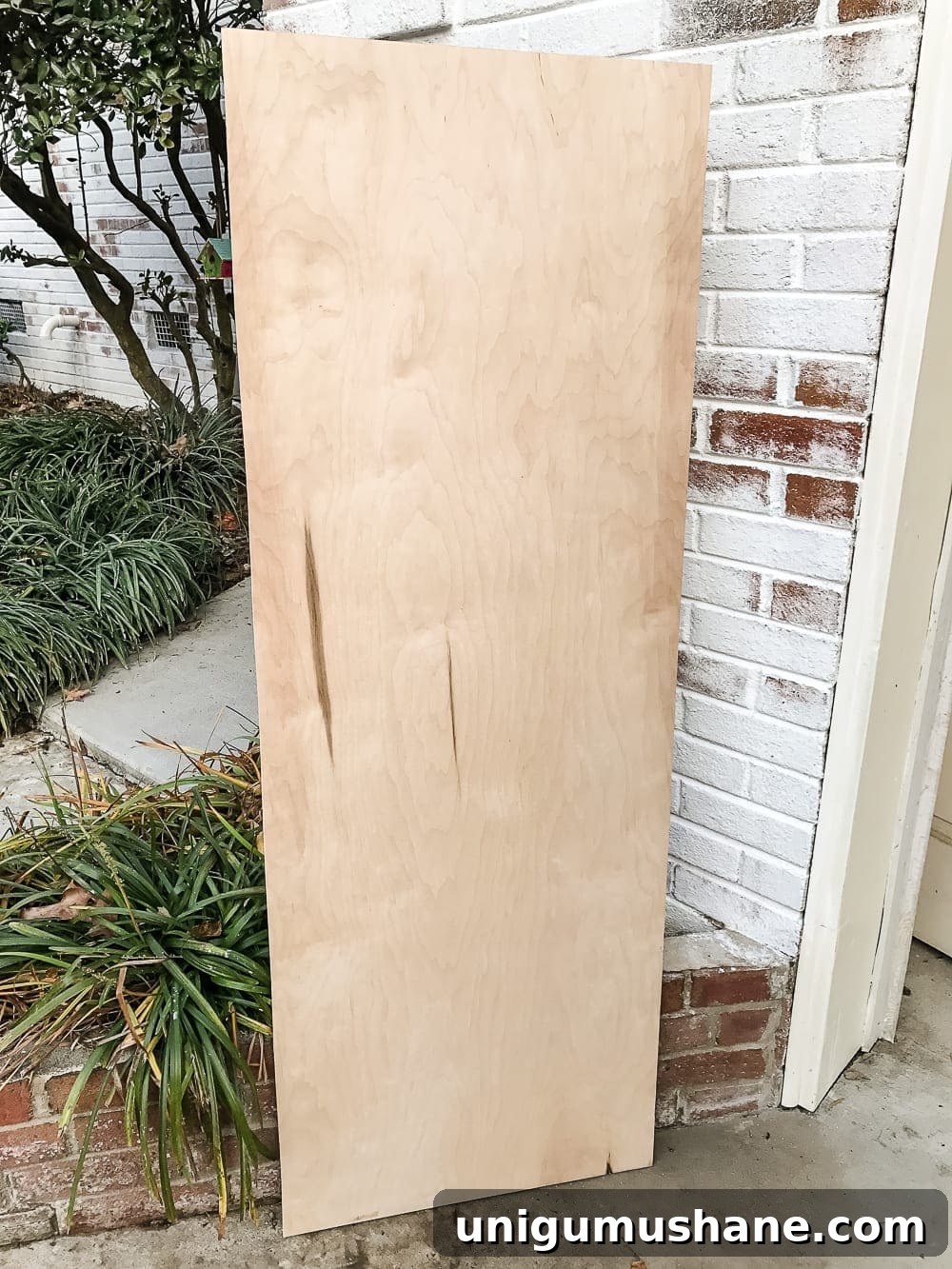
Step 4: Prepare the upholstered top. Have 3/4″ hardwood plywood cut to the table top dimensions. This will serve as the base for the foam, batting, and fabric.
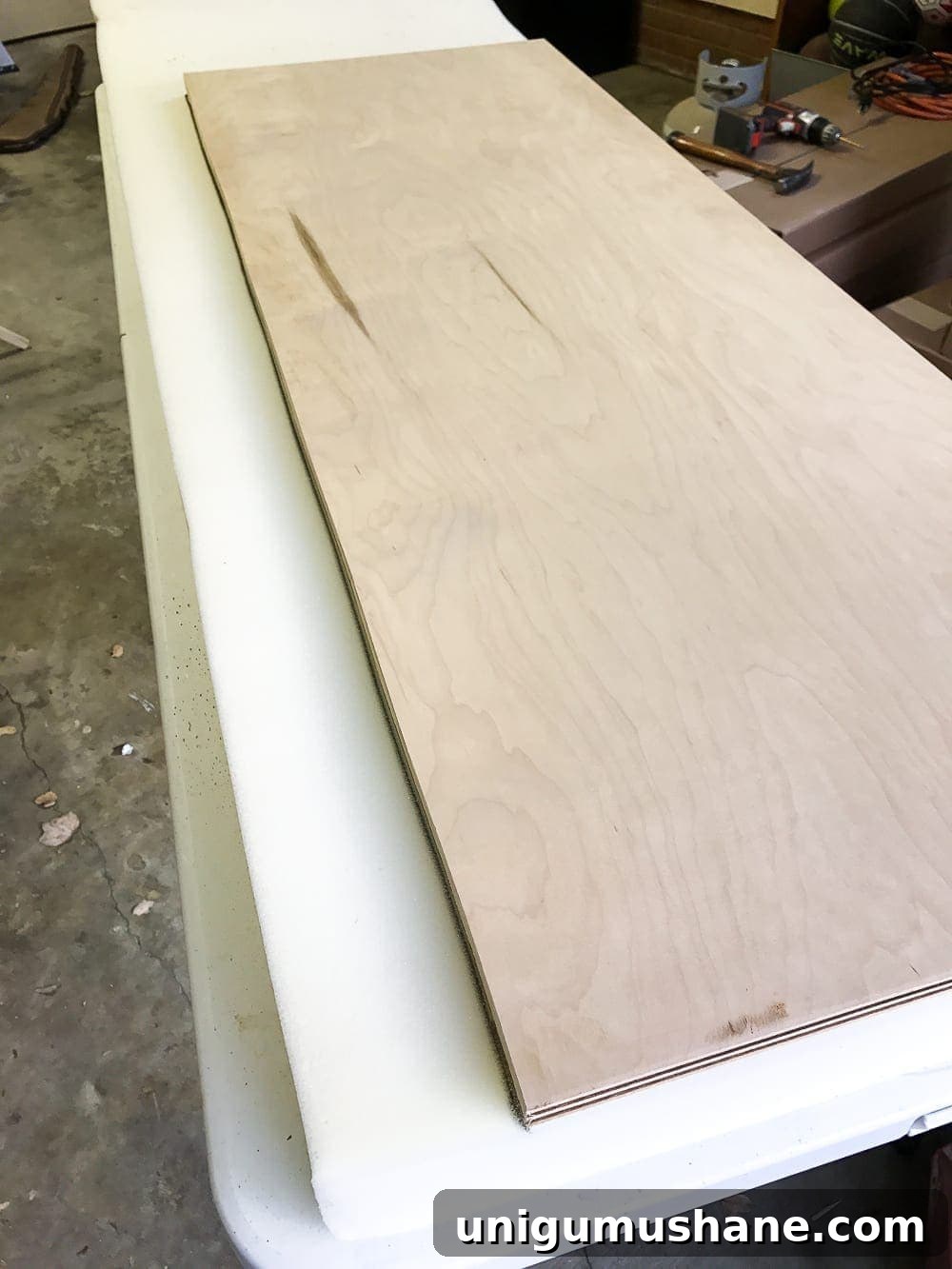
Step 5: Cut the foam. Roll out a 3″ high density foam and trace the plywood onto it. An electric carving knife makes this easy; otherwise a serrated knife works. Use a folding table to raise the work surface for comfort.
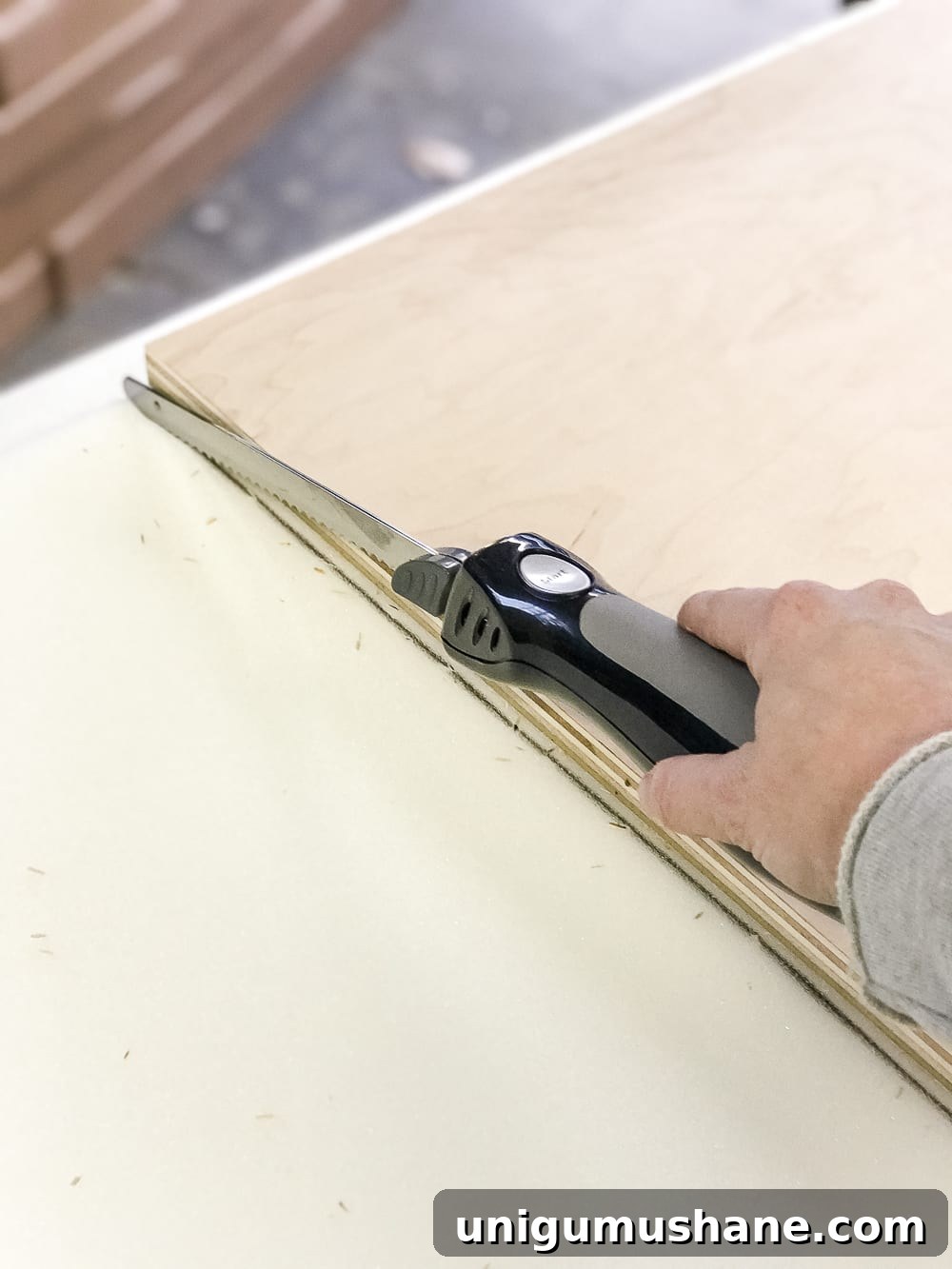
Step 6: Adhere foam to plywood. Spray both the foam and plywood with spray adhesive, align carefully, and press to bond.
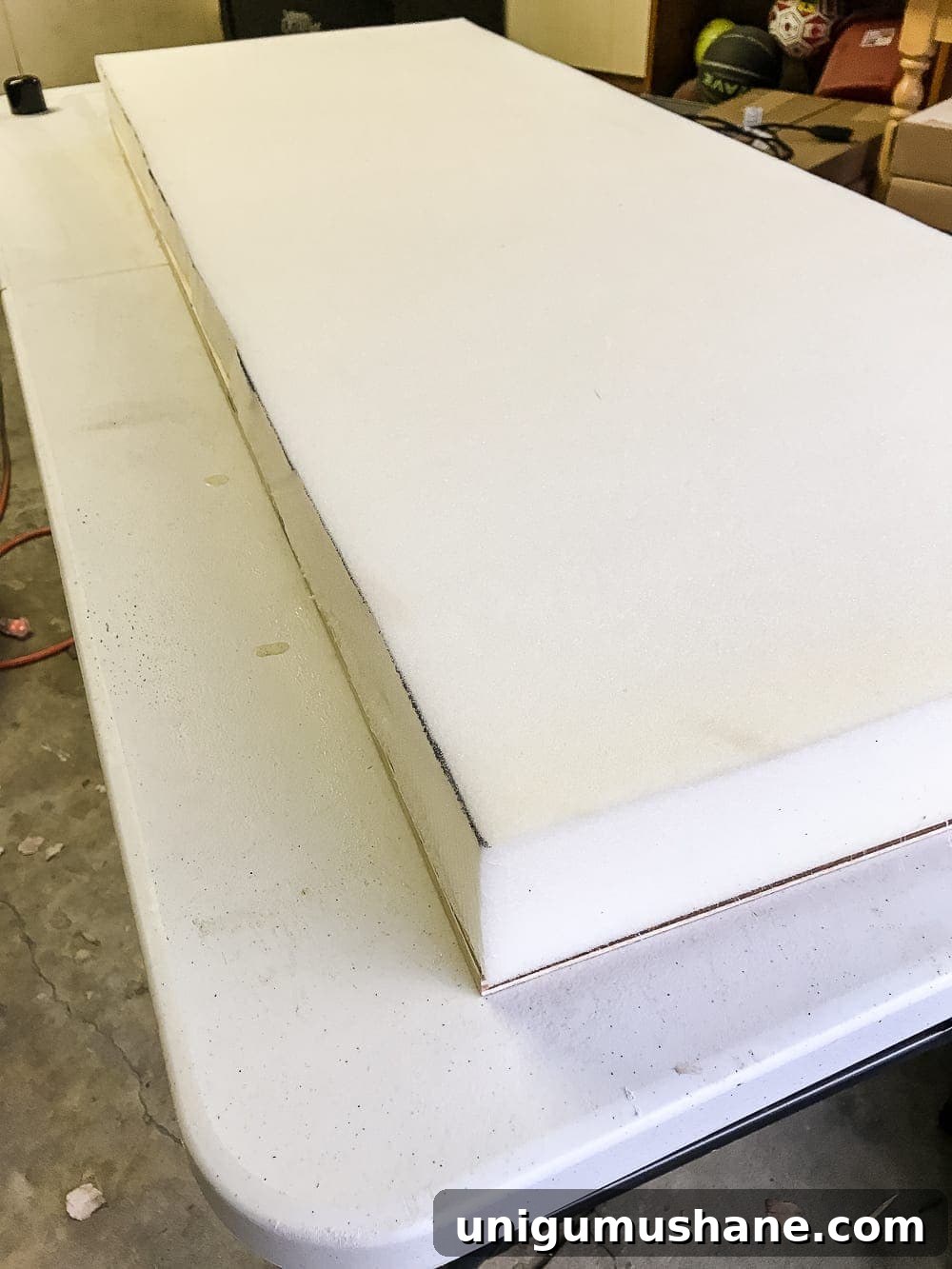
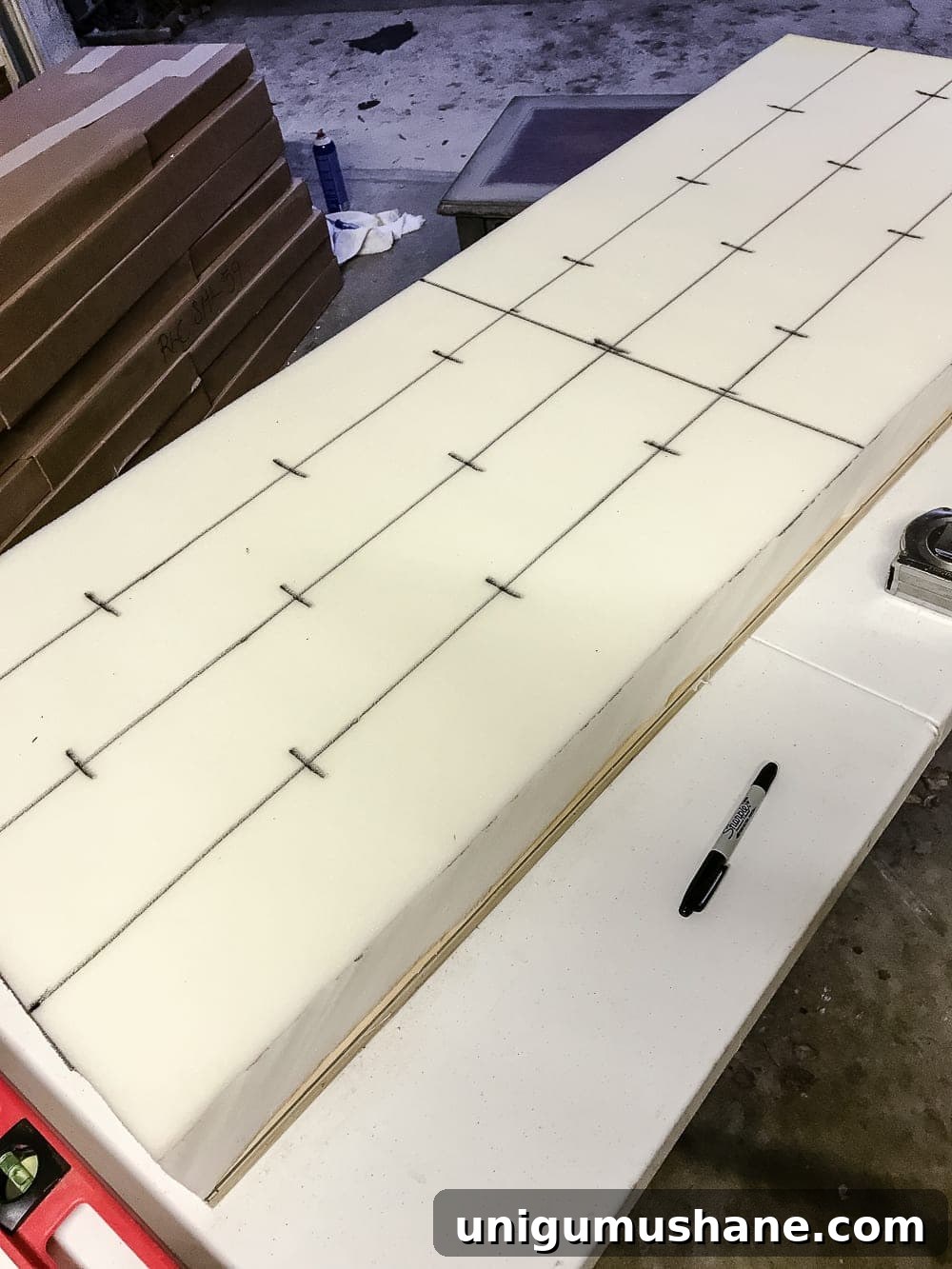
Step 7: Mark button placement. Measure and divide the foam into quarters horizontally and mark the center vertically. Mark where each button will sit to form a diamond grid; use a yardstick and tape measure for straight lines.
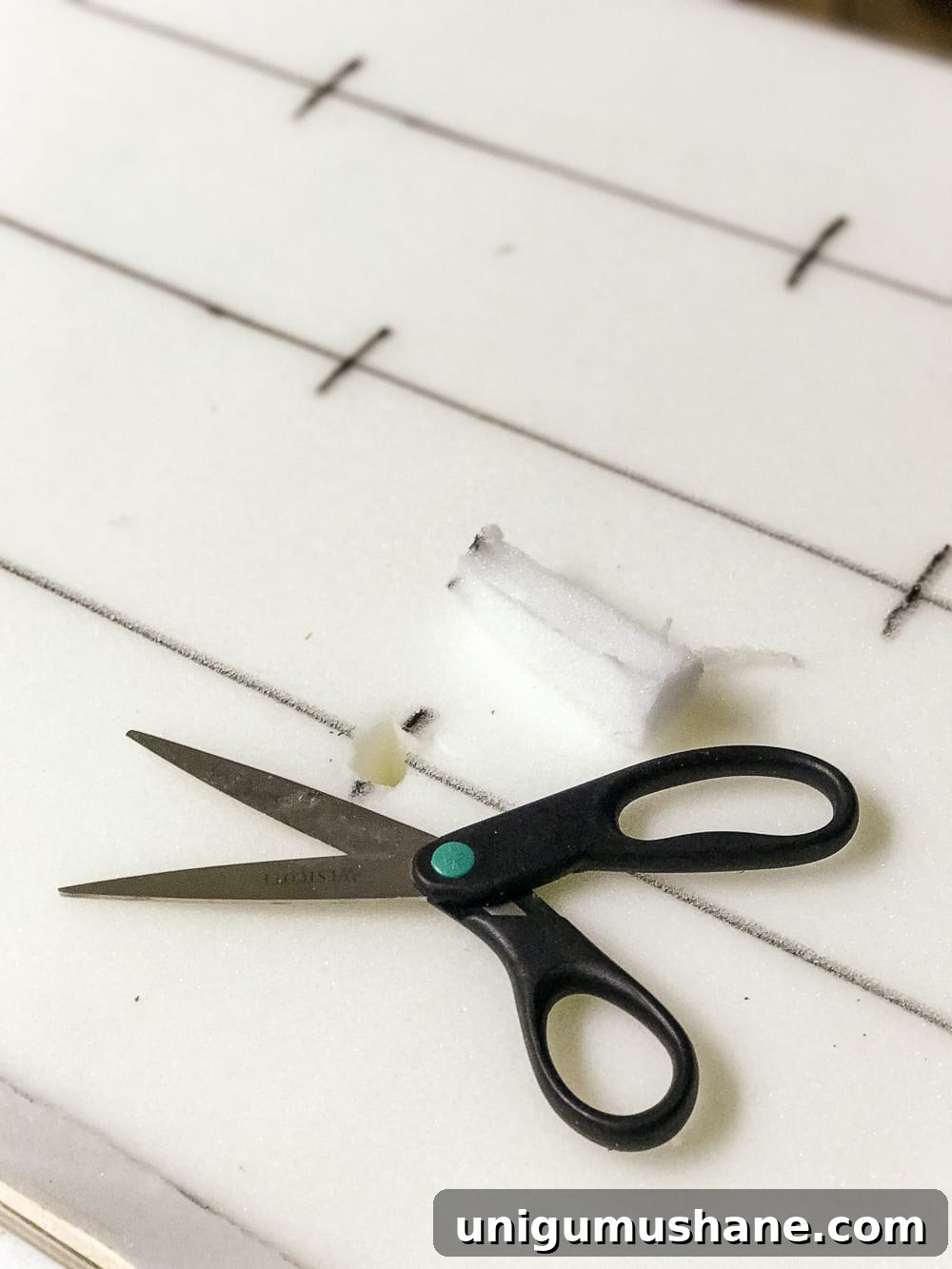
Step 8: Cut slits. At each button mark, cut four short one-inch slits in the foam to allow fabric to be pulled through for tufting. Lay two layers of batting over the foam and poke through the batting at each hole so the openings line up.
Step 9: Drape fabric over the batting, leaving plenty of excess. Start at a corner and push fabric through the first hole. It will look messy at first—smooth and adjust as you go.
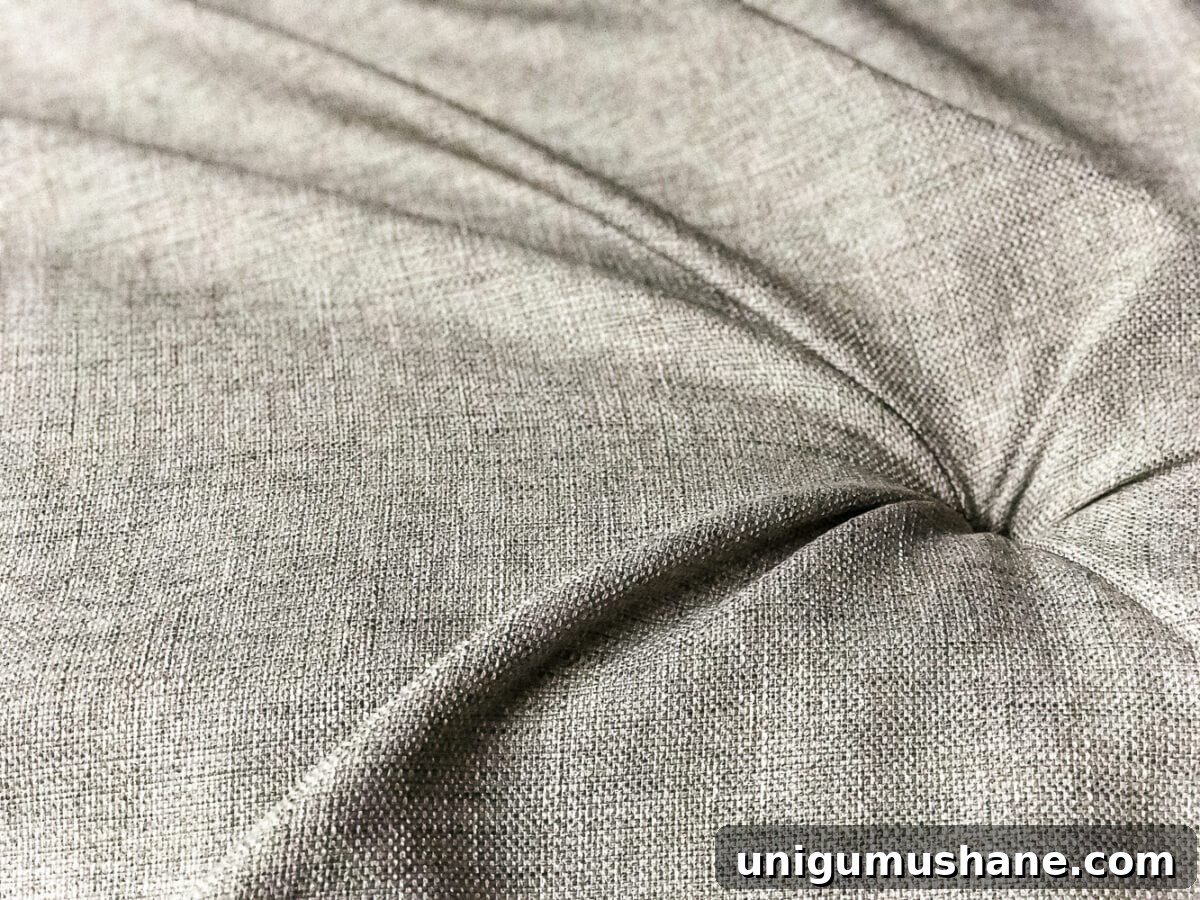
Step 10: Secure each tuft. From the underside, drive a #8 screw with a #10 washer through the plywood at each tuft location. Work methodically, pulling fabric for each tuft from the opposite side of the secured tuft to avoid puckering.
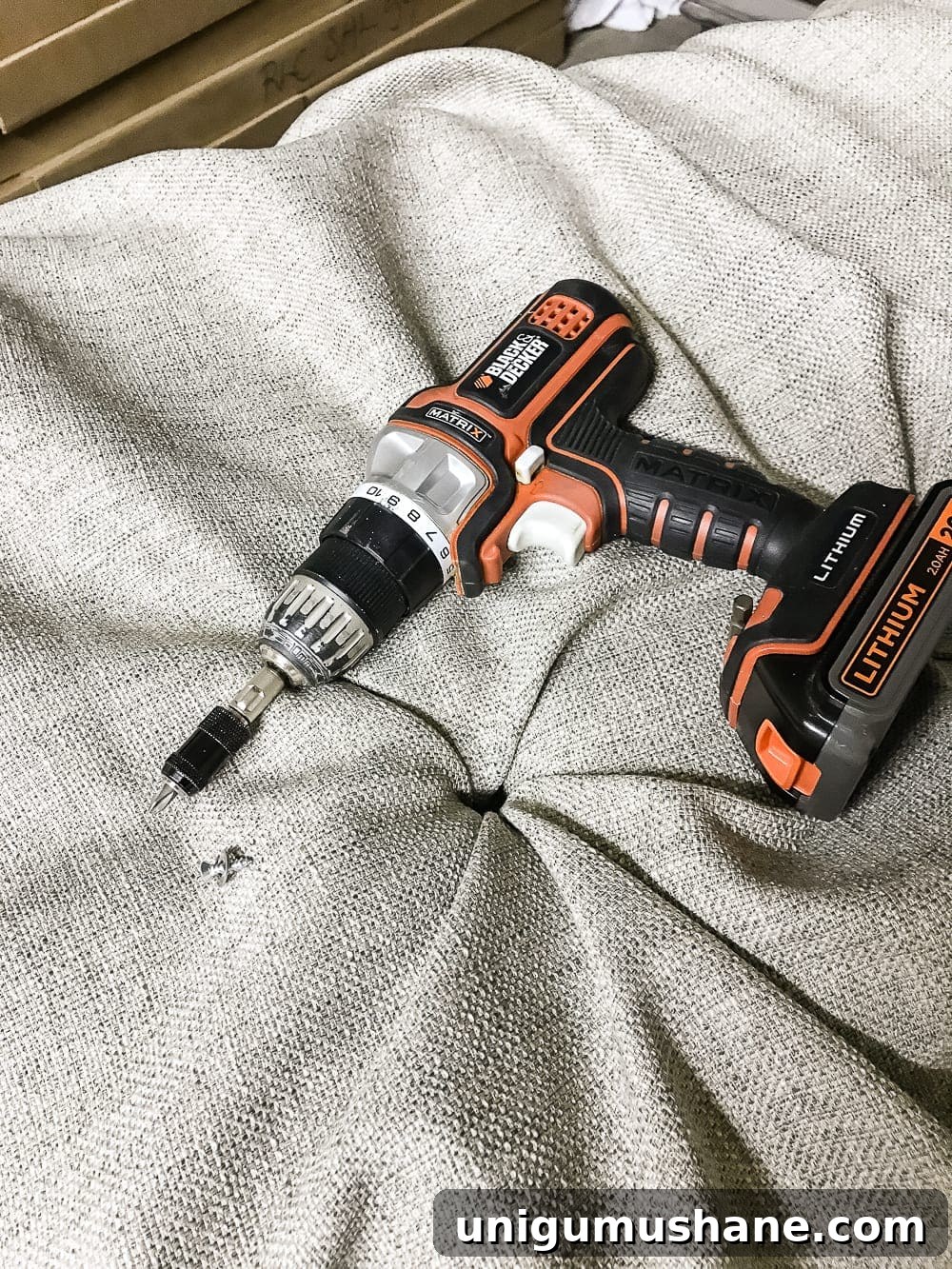
Step 11: Create the diamond seams. The middle row of tufts is the trickiest—tuck and pinch fabric at the corners of each diamond to form clean creases, then screw in place. Think of this step like carefully wrapping a present.
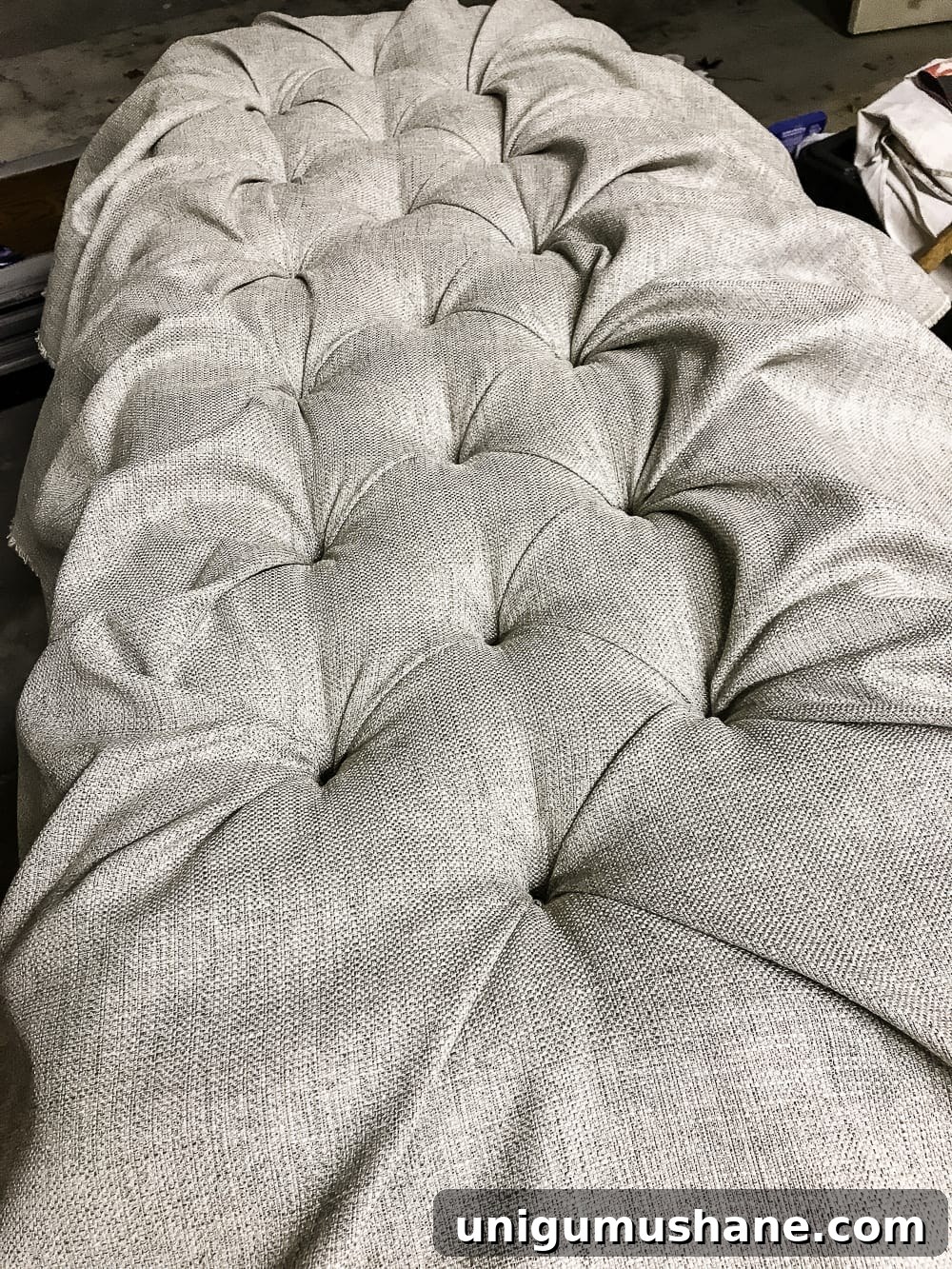
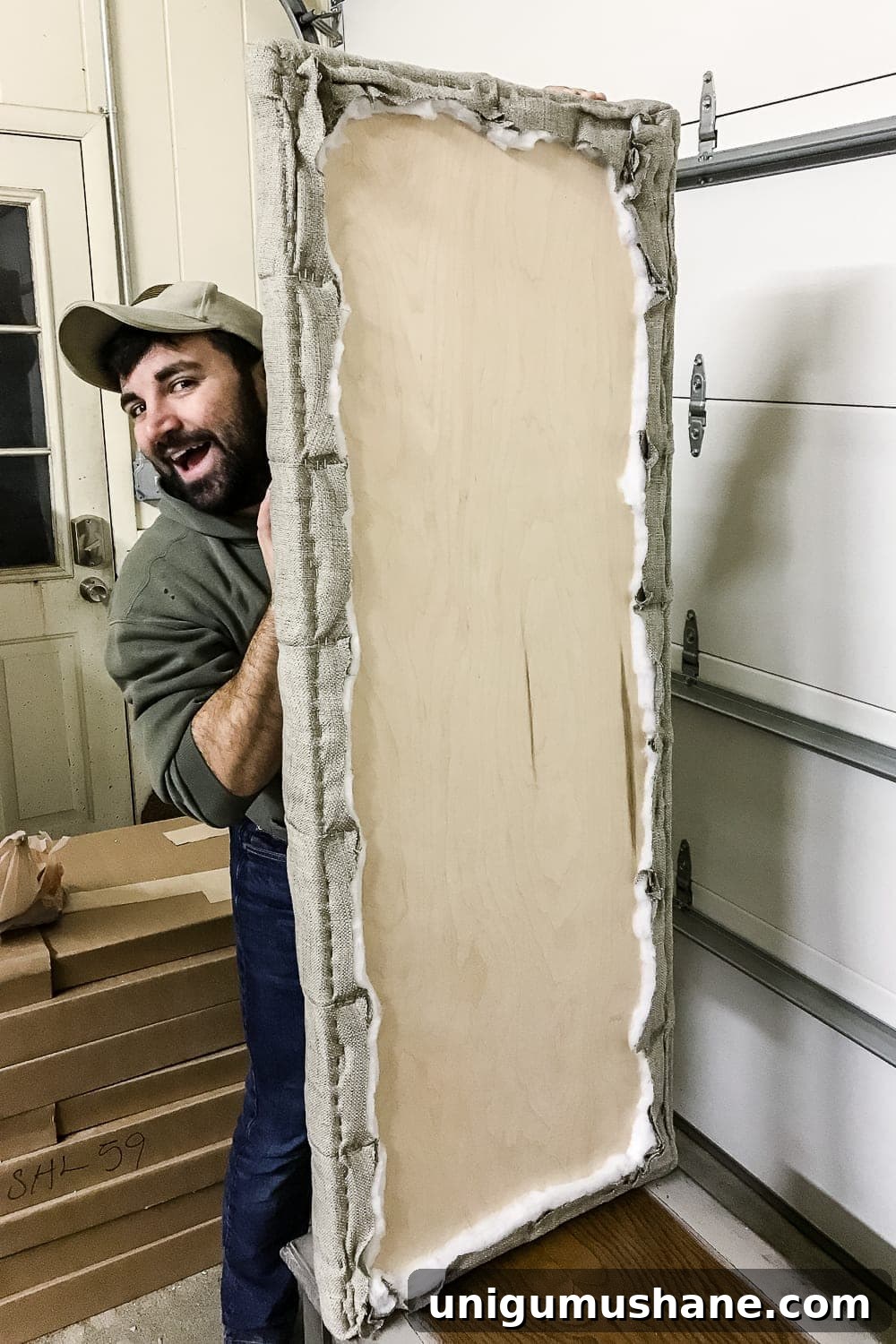
Step 12: Trim and staple. Tuck and fold the fabric along the edges, staple the surplus fabric and batting to the underside of the plywood, and trim excess material for a neat finish. Enlist a helper for this step if possible.
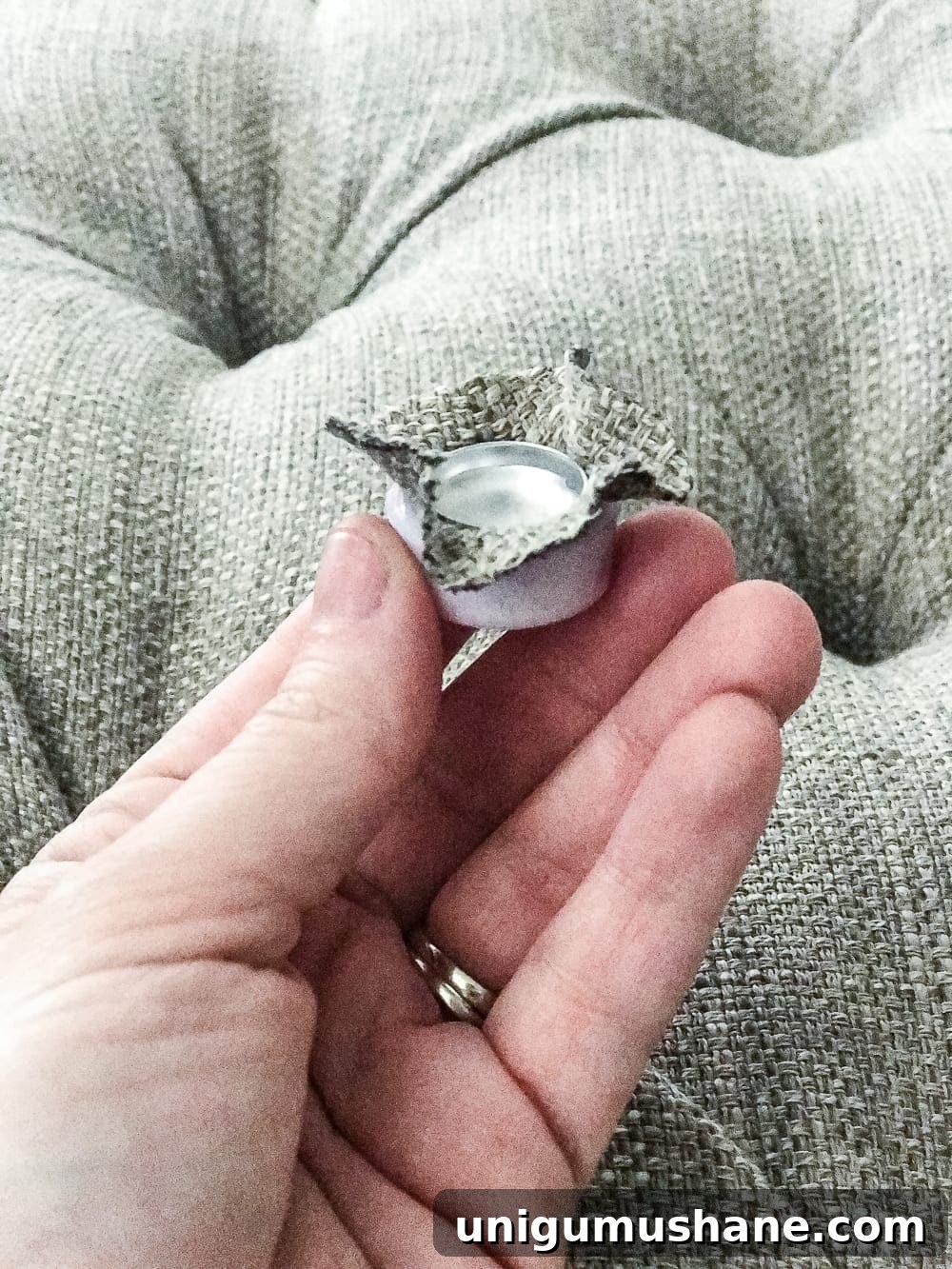
Step 13: Cover the exposed screws with fabric buttons. Use an upholstery button kit to recover buttons in matching fabric. If the fabric is too thick for the kit, secure the button by hot-gluing the fabric on the back and pressing it over the screw head.
Step 14: Attach the top. Apply construction adhesive to the table top, align the upholstered plywood lid, and press into place. Follow the adhesive manufacturer’s recommended curing time before use.
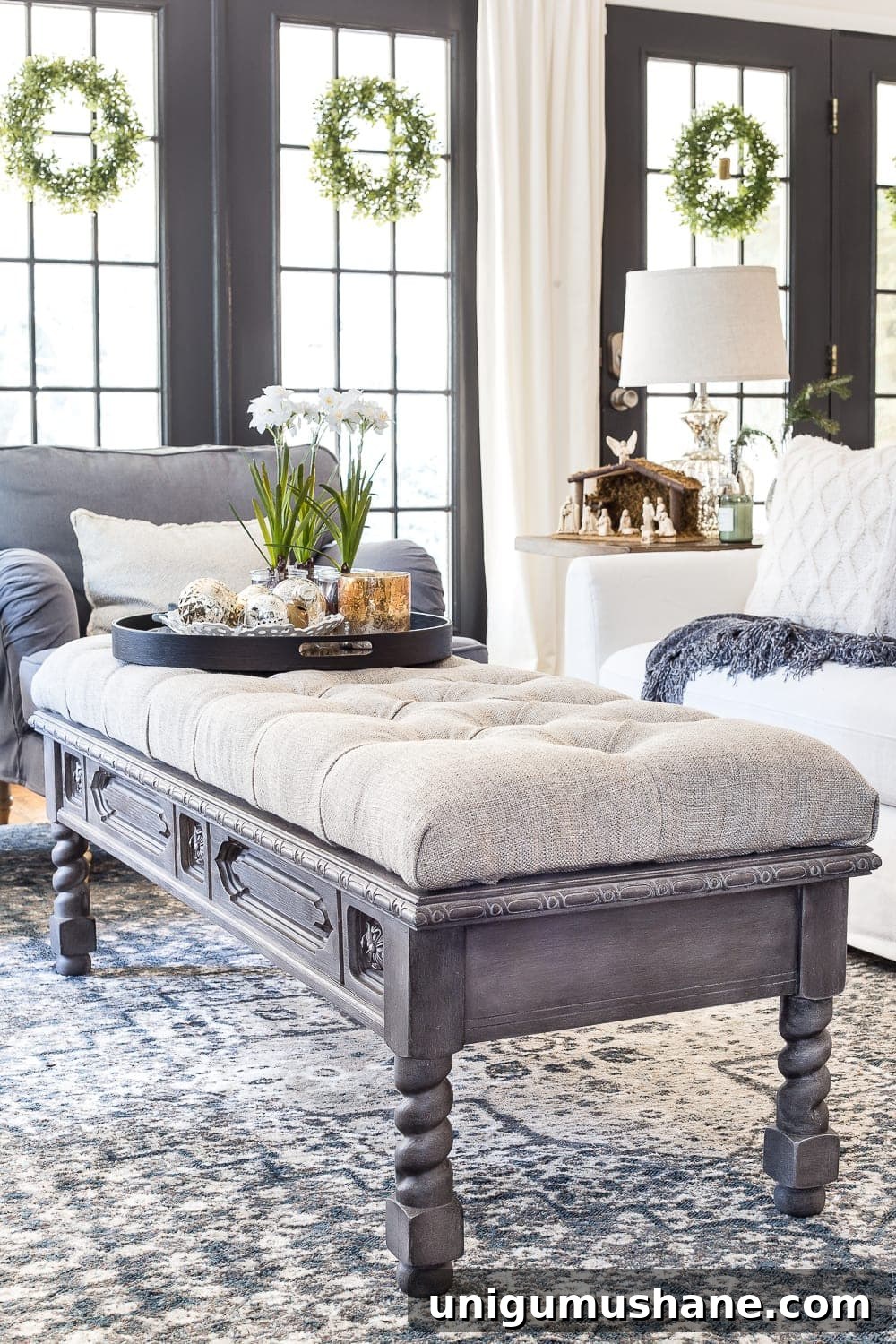
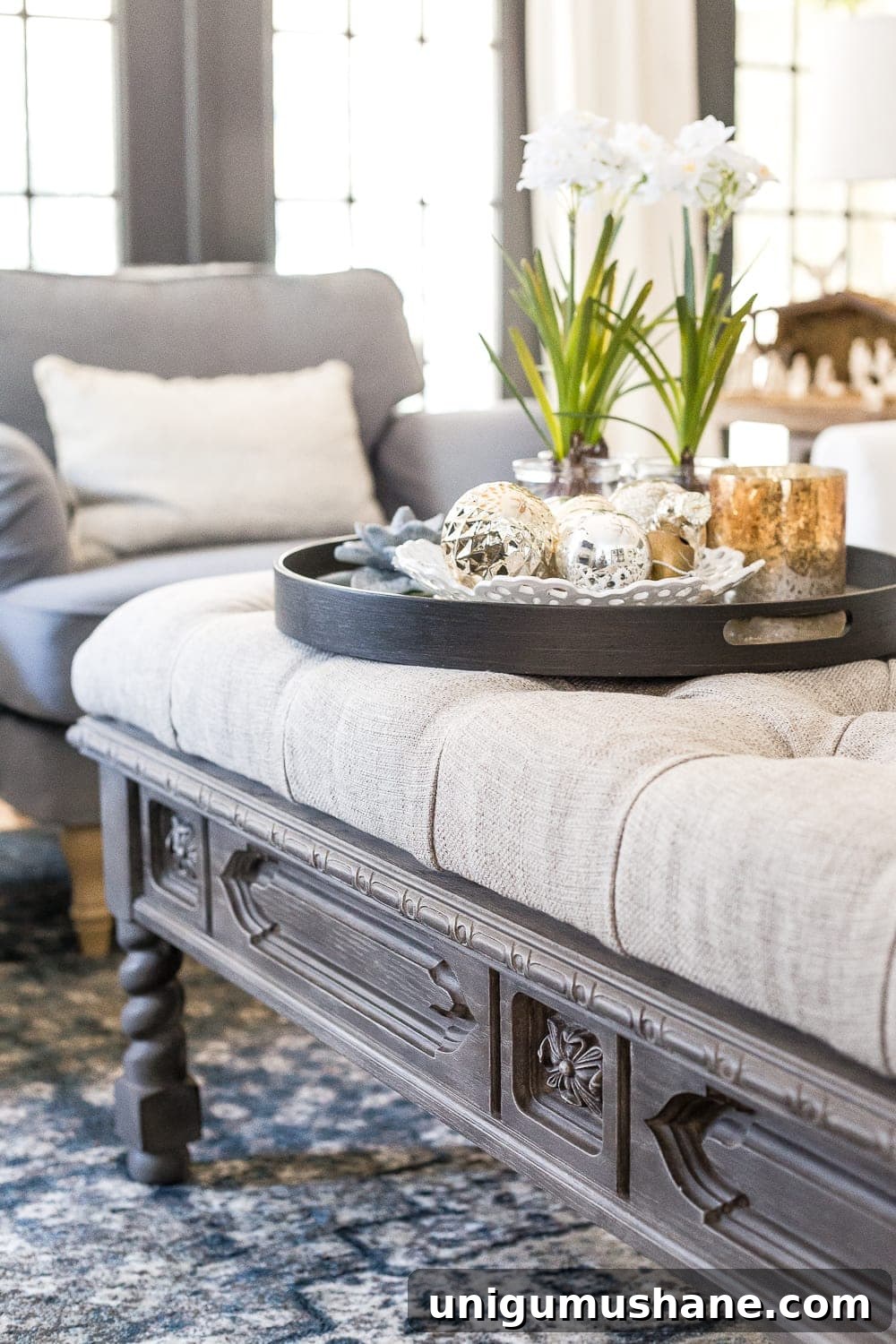
After all that work, the ottoman bench was ready for a test run—and it passed. It’s a cozy height for resting feet or doubling as extra seating when guests arrive. The edge between the upholstered top and base could benefit from piping or trim, but I left it simple for now.
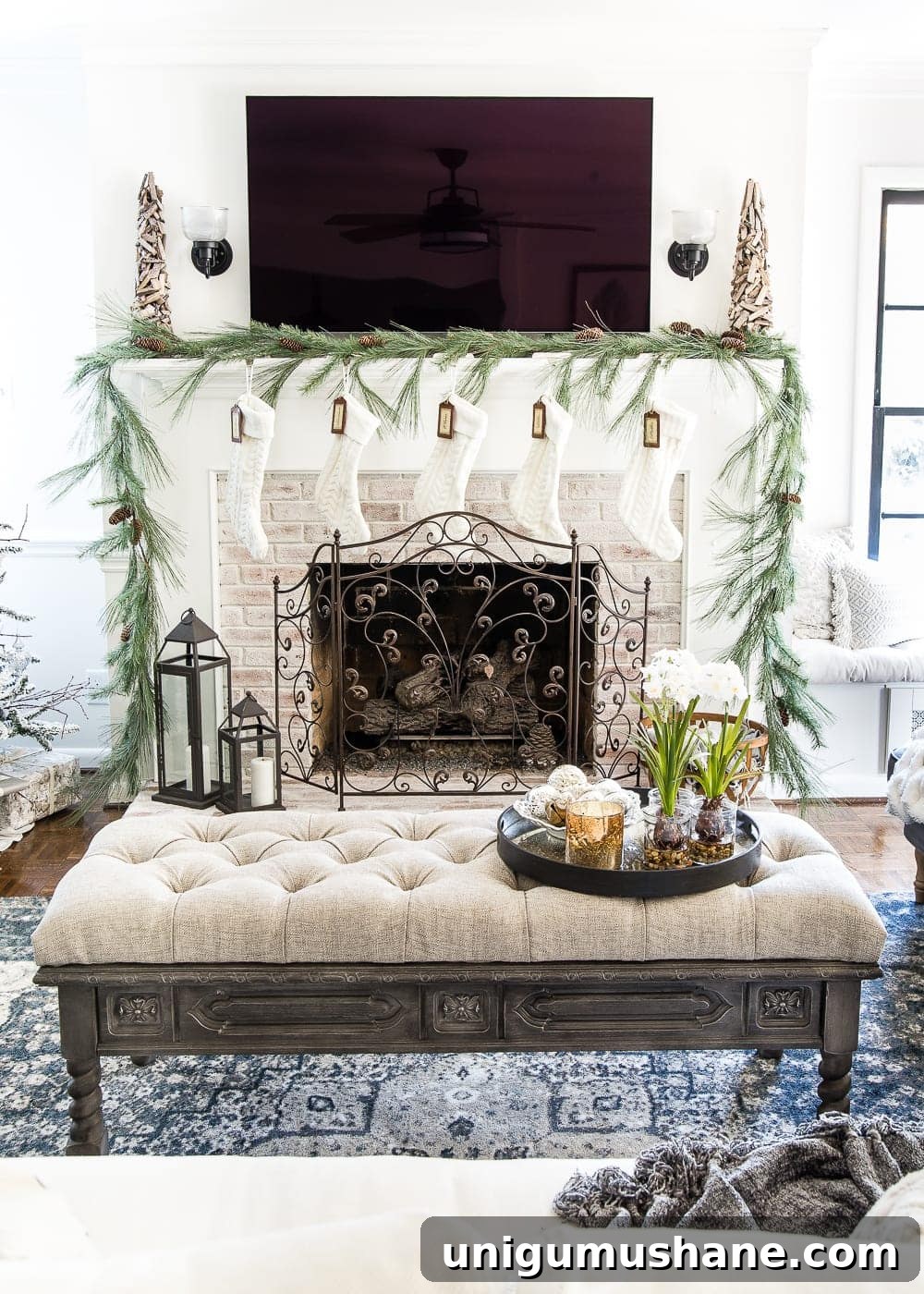
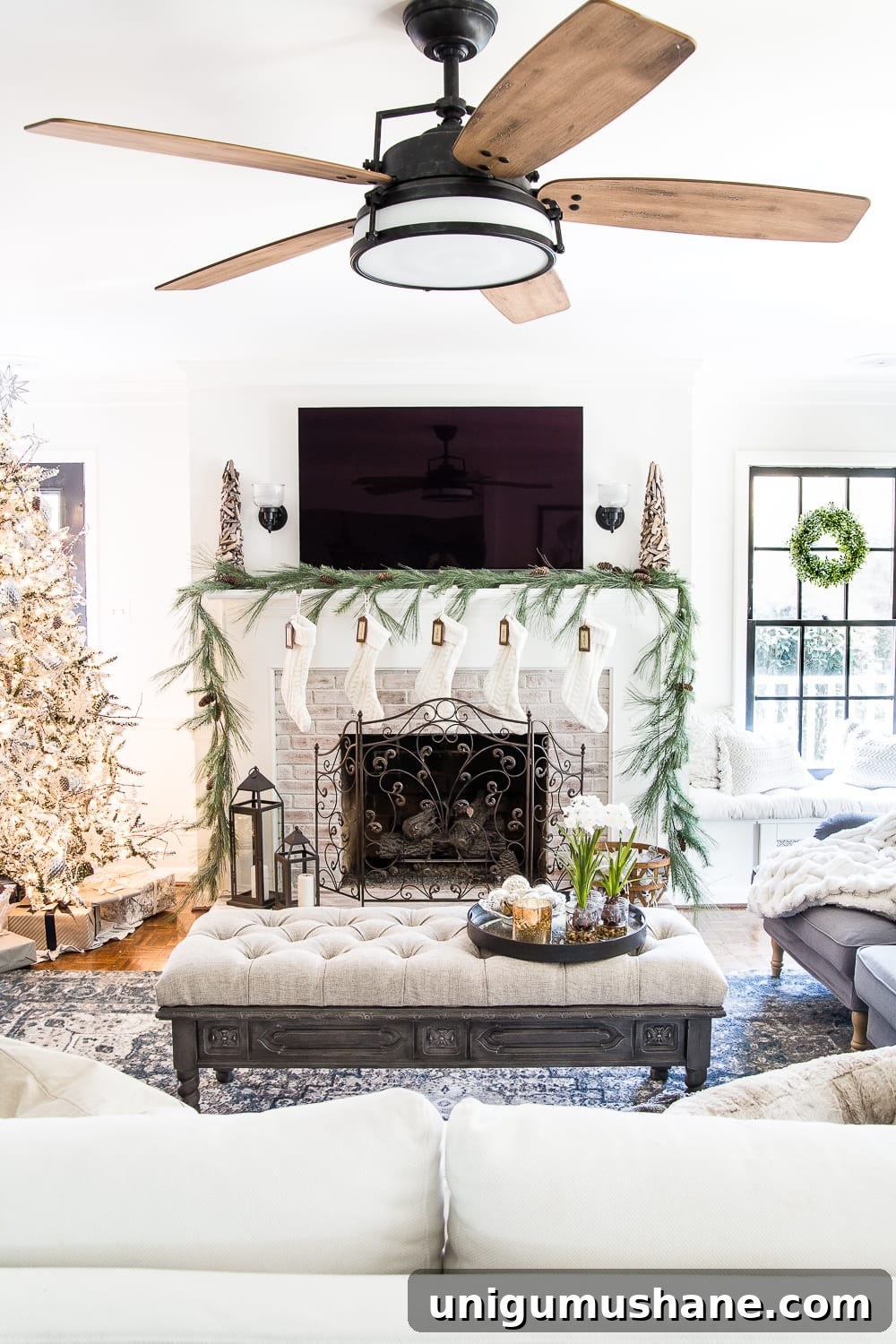
This was only our second upholstery project, and I’m thrilled with how it turned out. It’s durable, comfortable, and far more affordable than comparable store-bought options. It may eventually become a dressing bench in the guest room, but for now it’s getting plenty of use in the living room—exactly where an ottoman belongs.
If you try this project, plan your tufting layout carefully, take your time forming the diamond creases, and work in small sections. Repurposing a coffee table into a diamond-tufted ottoman bench is a rewarding way to upcycle furniture and add custom, budget-friendly style to your home.