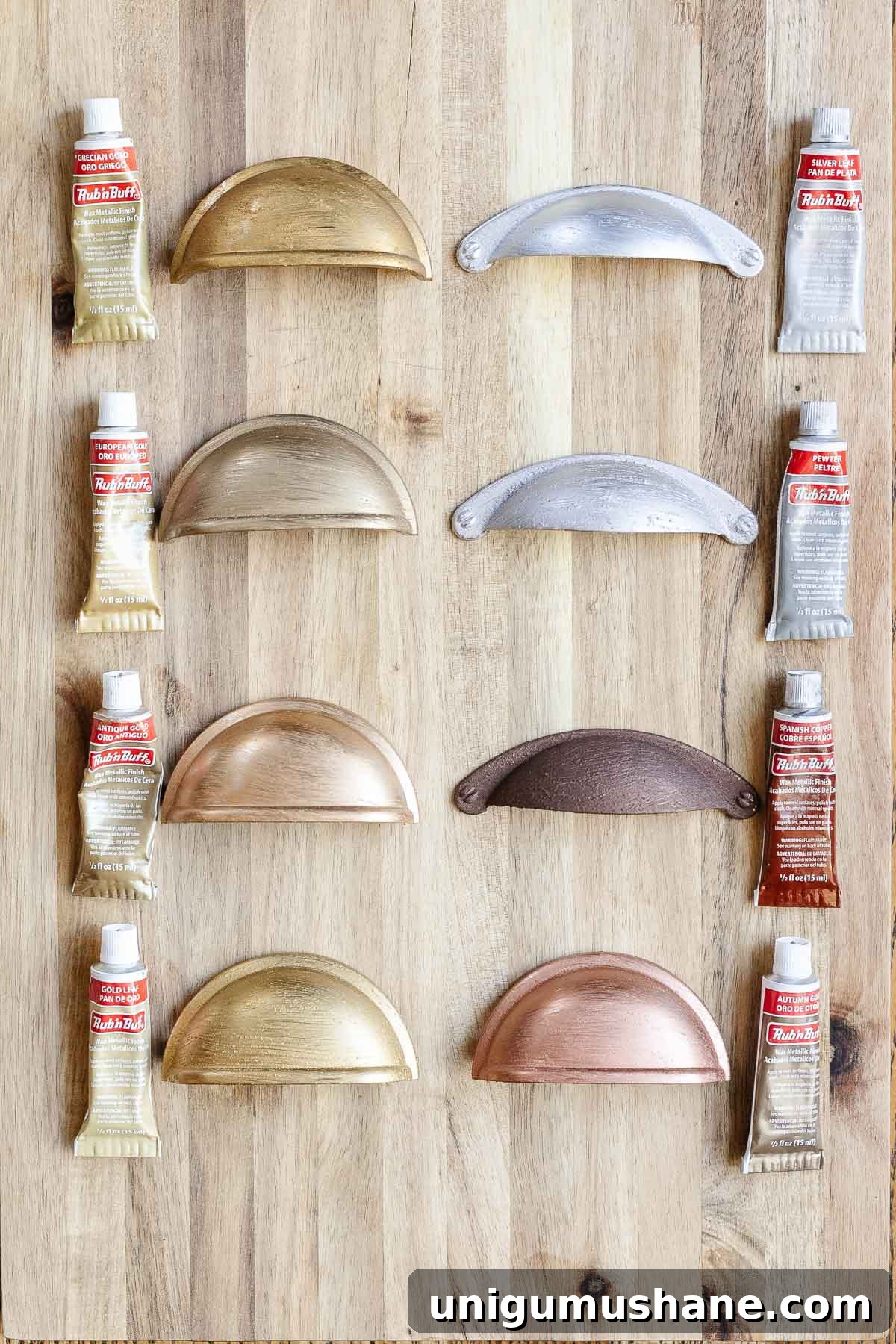
Comparing all of the metallic Rub n Buff colors to find the best gold, silver, and copper shades for craft and home projects.
Few craft supplies are as useful and convincing as Rub n Buff. Alongside a hot glue gun, it’s one of those go-to materials I reach for whenever I want a realistic metallic finish without the fuss of metal leaf or complicated techniques.
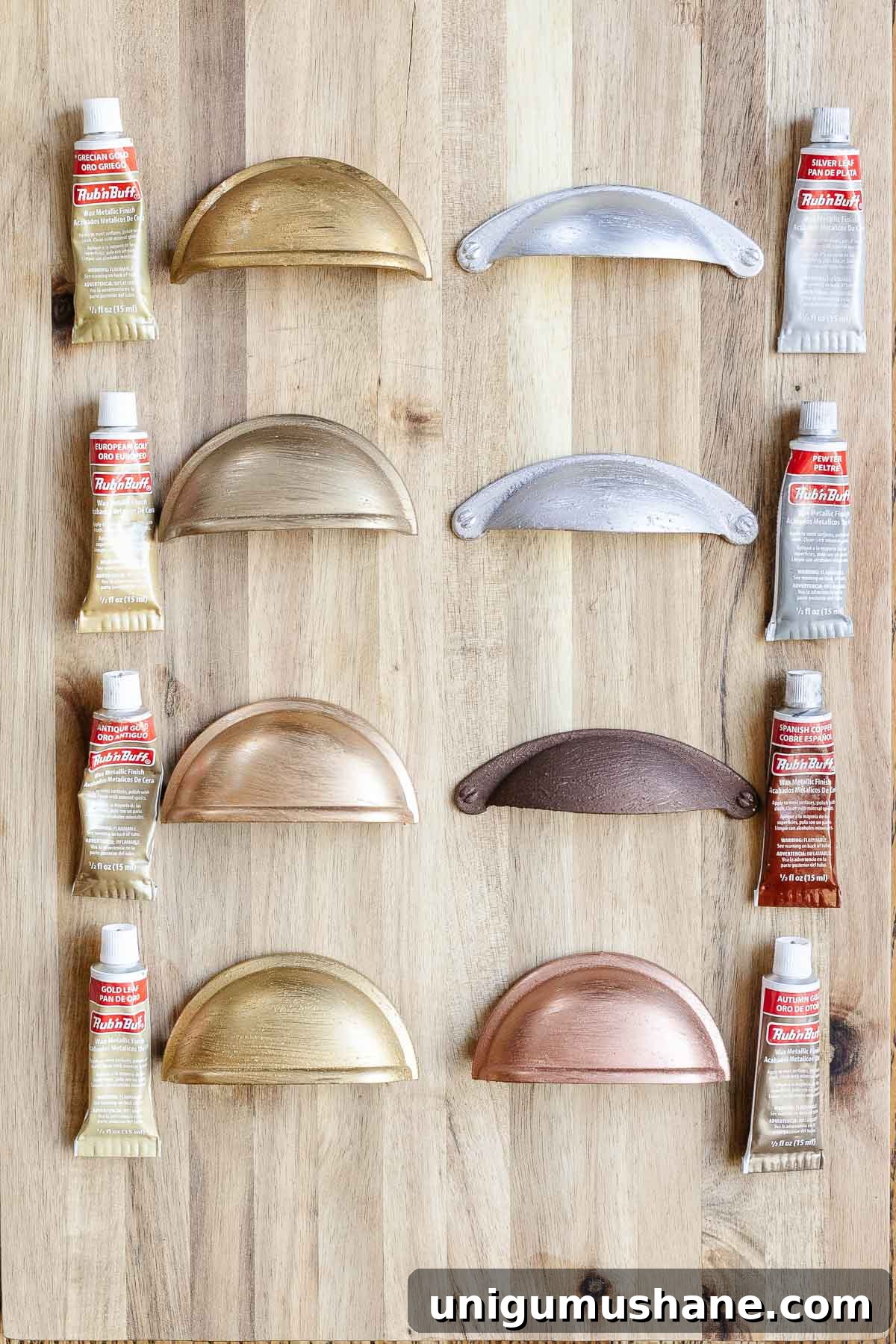
I’ve used Rub n Buff on so many projects that I often forget which shade works best for a particular piece. While updating hardware during our current bathroom renovation, I ran a color test of the entire metallic range so I’d have a quick visual reference for future projects. Below I share what worked, how I tested the colors, and which shades I recommend for gold, silver, and copper looks.
What is Rub n Buff?
Rub n Buff isn’t a conventional paint. It’s a blend of fine metallic powders, pigments, and carnauba wax that you apply and then gently buff to a lustrous metallic sheen. Because it’s a wax-based product, it behaves differently than liquid paint and creates a surface that looks and reads like actual metal when applied correctly.
What to Use Rub n Buff On
Rub n Buff works on many surfaces and is especially good for small decorative details. Common uses include:
- Light fixtures and hardware
- Furniture knobs and pulls
- Door hinges and knobs
- Lamps and lamp bases
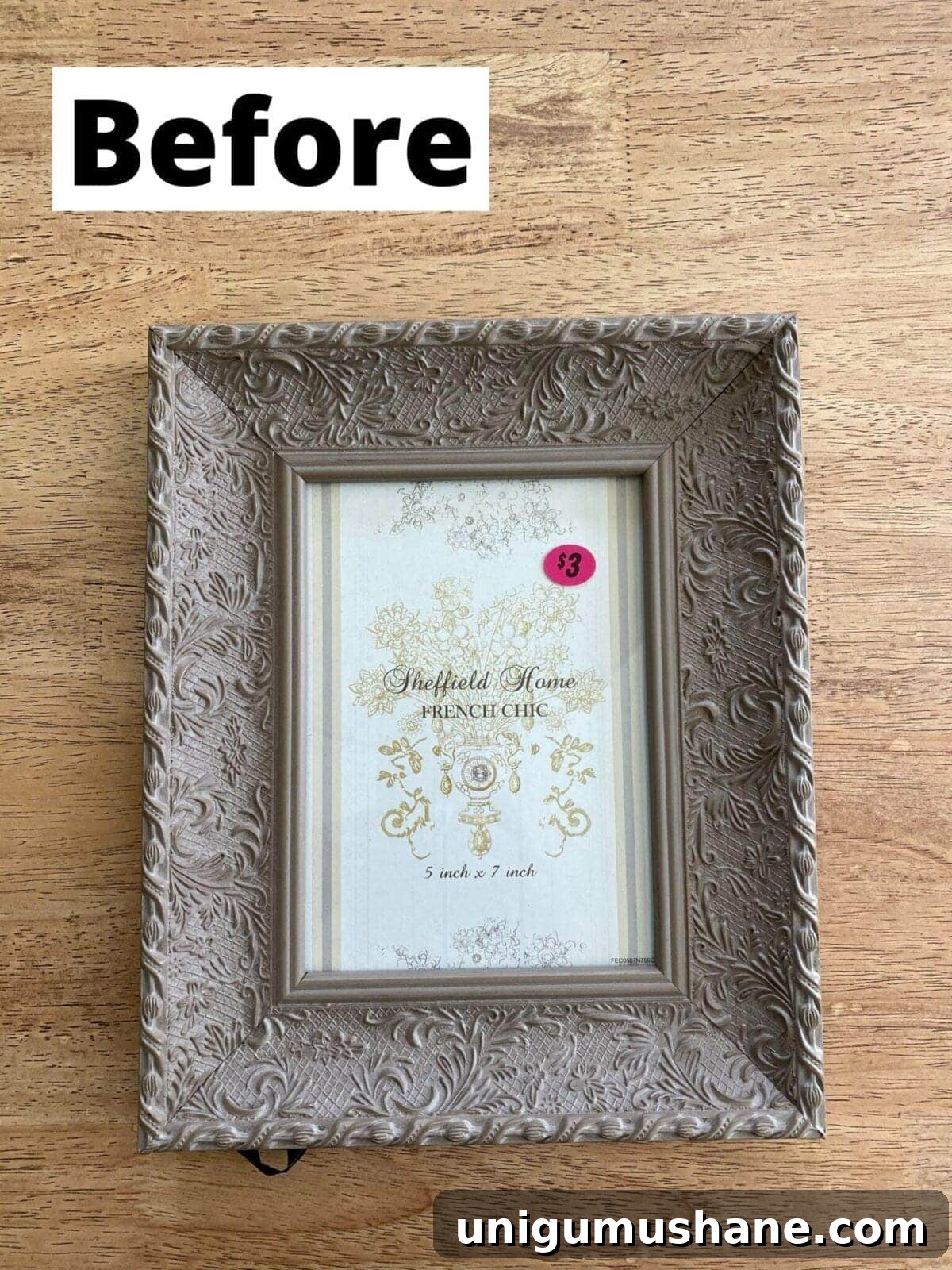
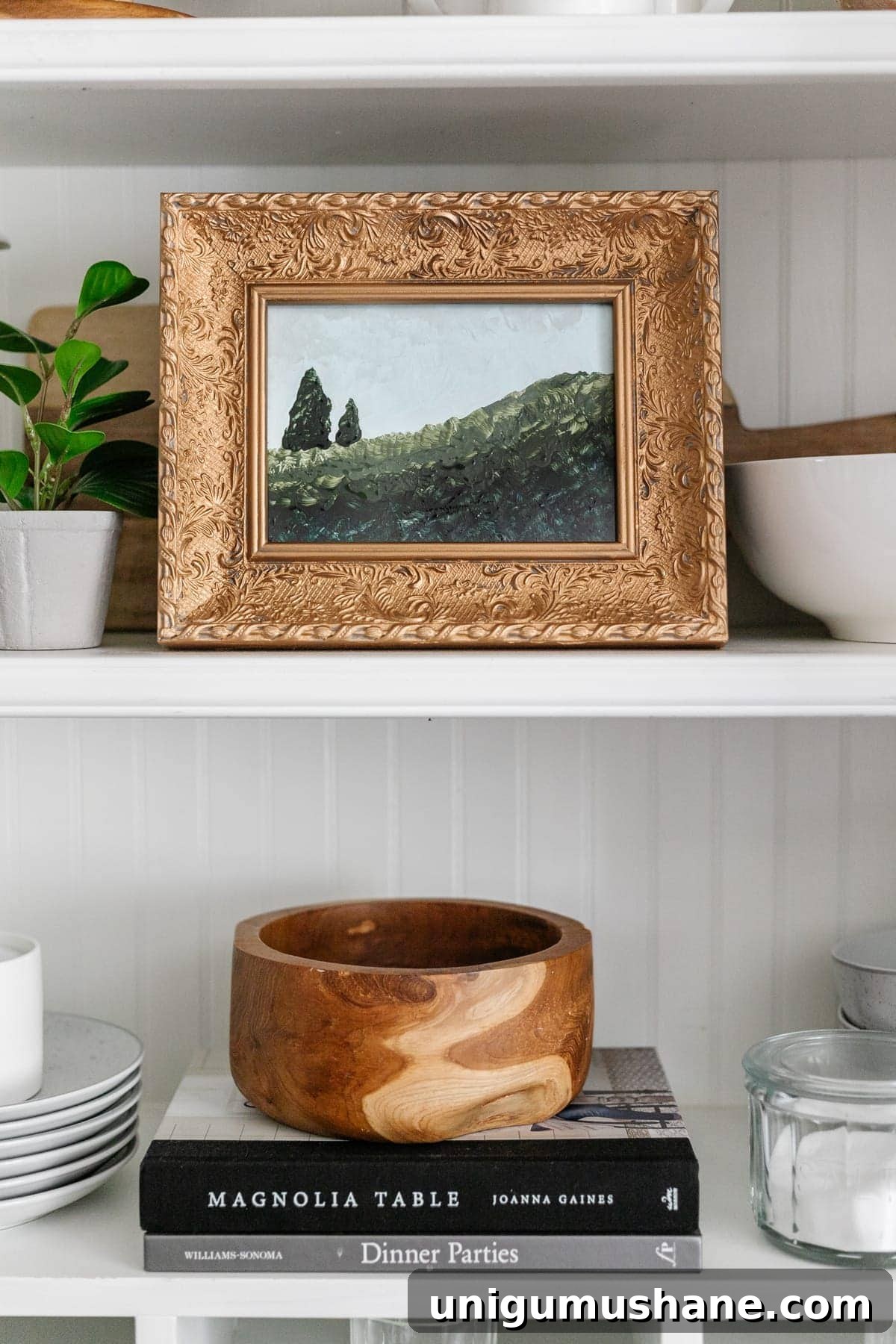
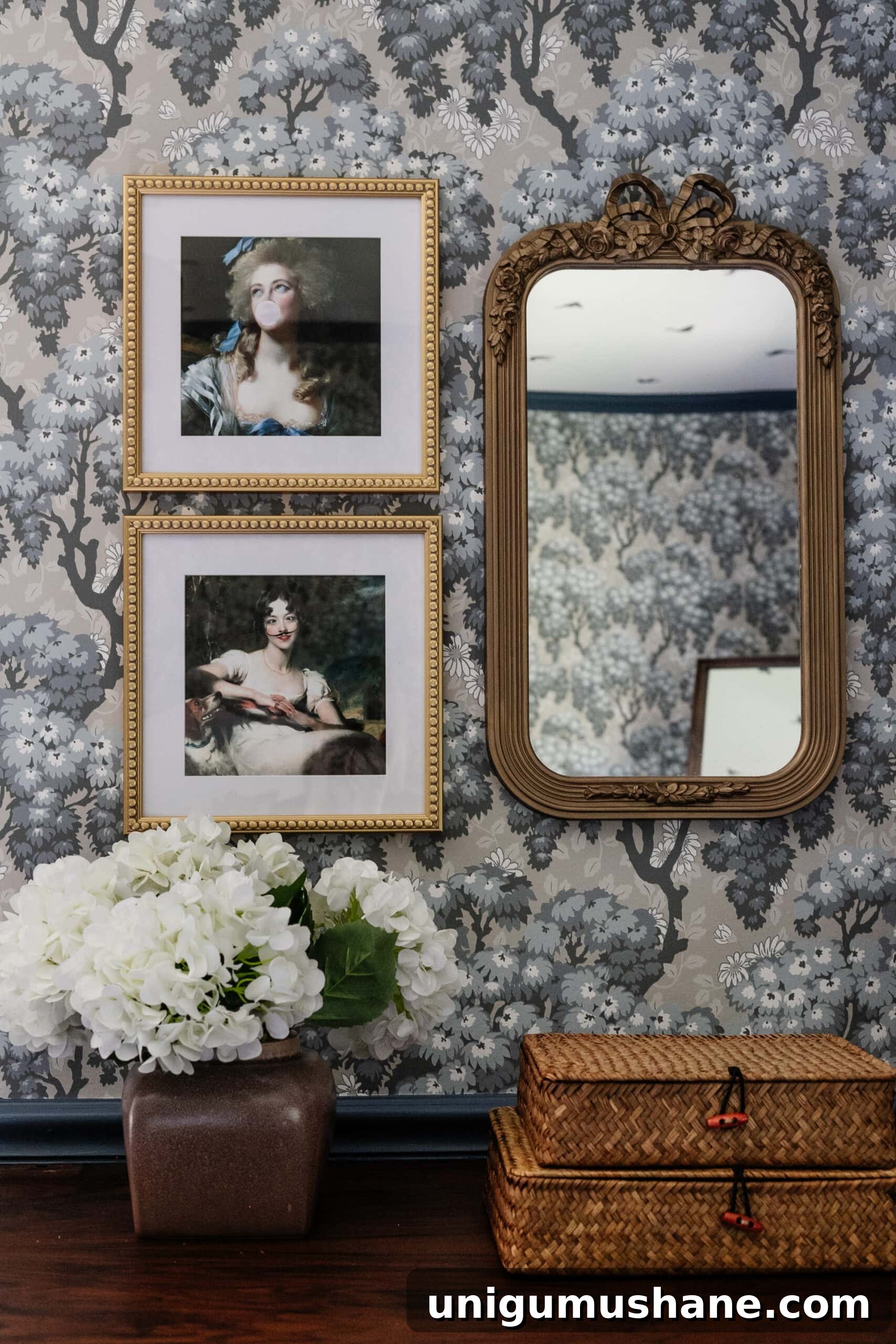
- Picture and mirror frames
- Planter pots and ornaments
- Exposed screws and small accents
Because it adheres to plastic, ceramic, wood, and metal, it’s ideal for quick updates that make inexpensive pieces read more expensive.
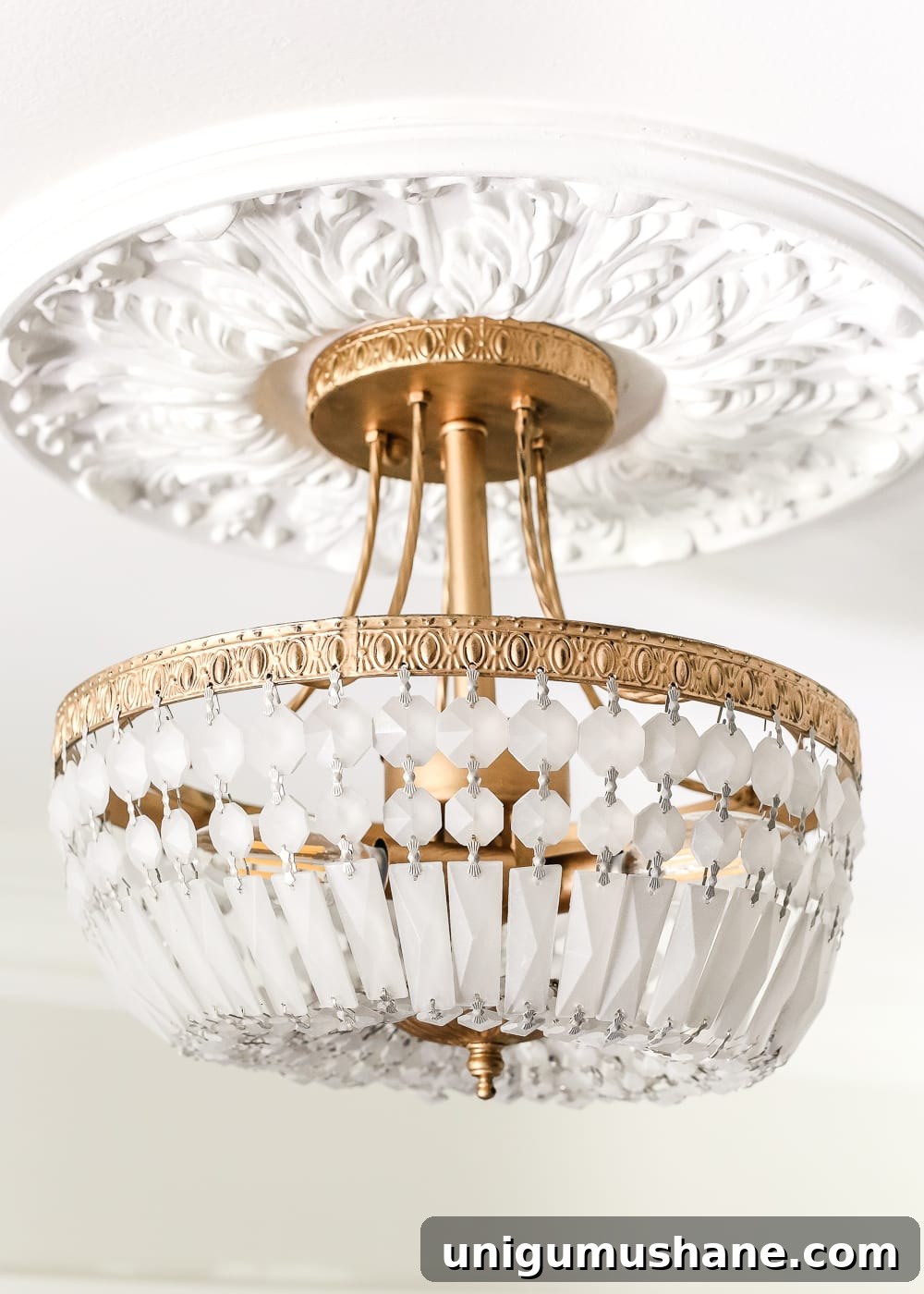
How to Use Rub n Buff
Preparation makes a big difference. While Rub n Buff can stick to many surfaces without primer, sanding smooth surfaces first gives the wax something to grip and makes buffing much easier. A little product goes a long way.
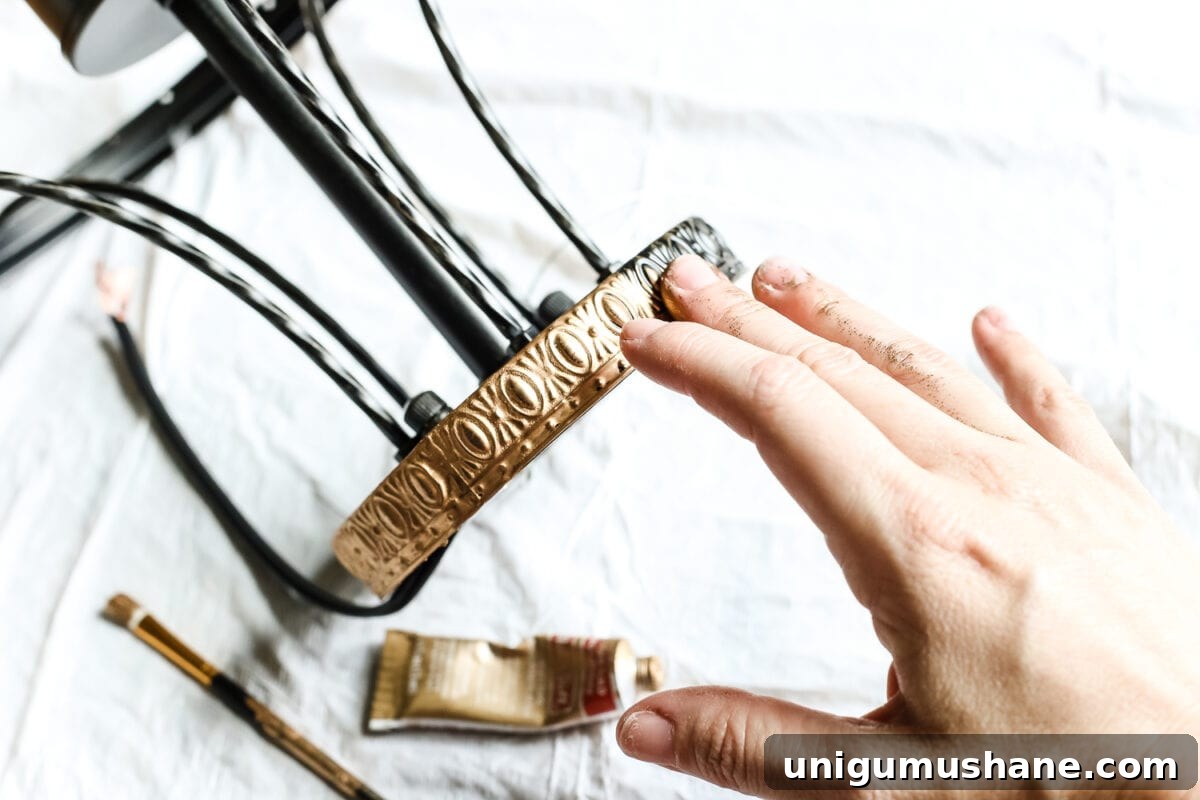
Use a pea-sized amount on a soft cloth, cotton swab, or gloved finger and rub it into the surface. Wait about 30 seconds and then buff with a clean, soft cloth to bring up the shine. For fine details and crevices, a small paintbrush gives better control and a neater finish.
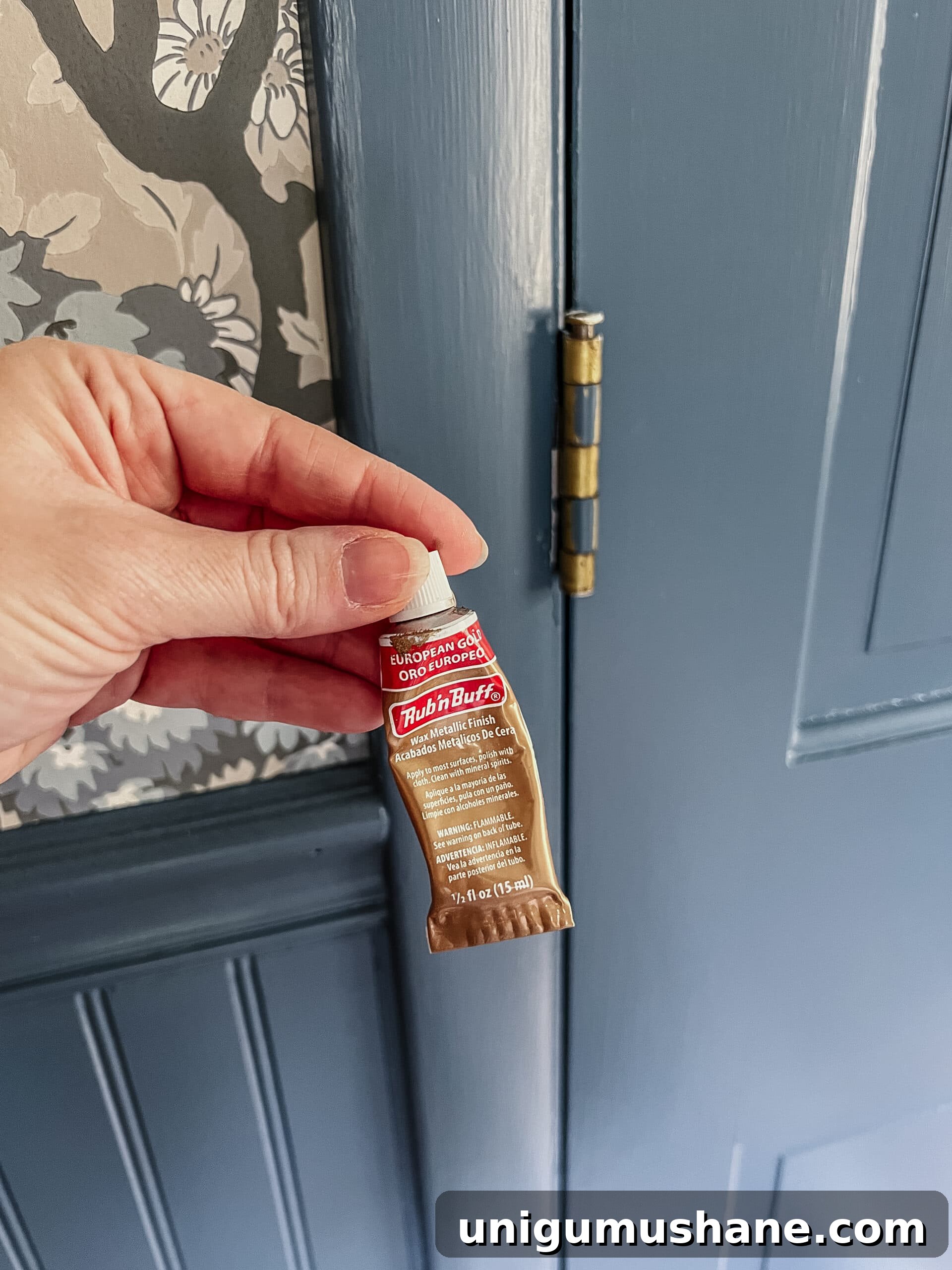
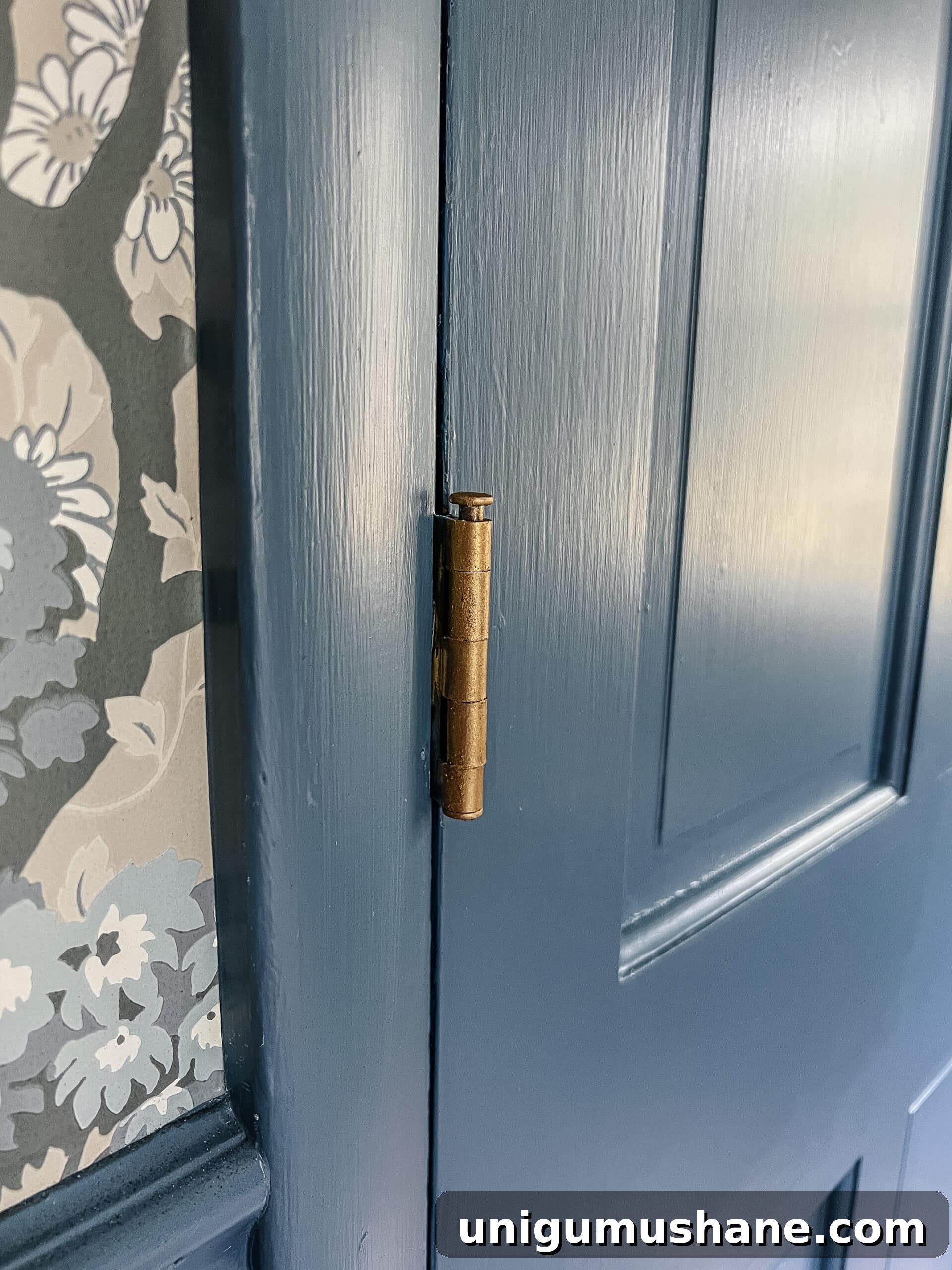
Testing Rub n Buff Colors
For this color study I cleaned and applied samples of each metallic shade to comparable surfaces. I made one rookie error—skipping the sanding step on a few samples—which made buffing difficult and left a dull, textured finish. Sanding first is the secret to a smooth, bright result.
Even when I didn’t sand, the comparison still showed the relative tones and undertones of each color. That visual guide is what I wanted most: a quick reference to match future hardware and decor items.
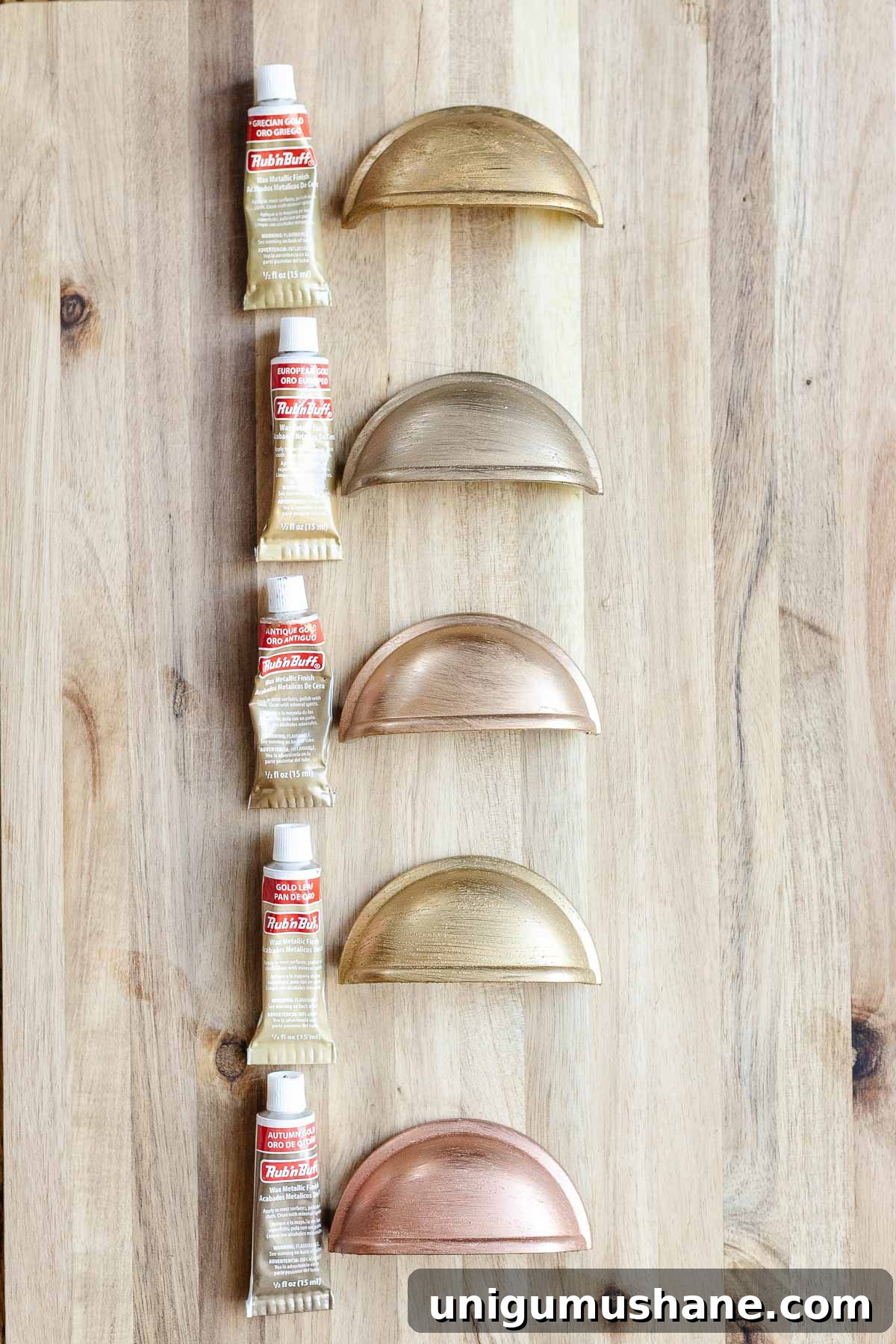
Rub n Buff Gold Colors
- Grecian Gold – Slightly warm and leaning toward bronze. A good choice when you want aged warmth without a copper cast.
- European Gold – Cooler and less saturated than other golds, with a champagne-like tone. Great for subtle, modern metallics.
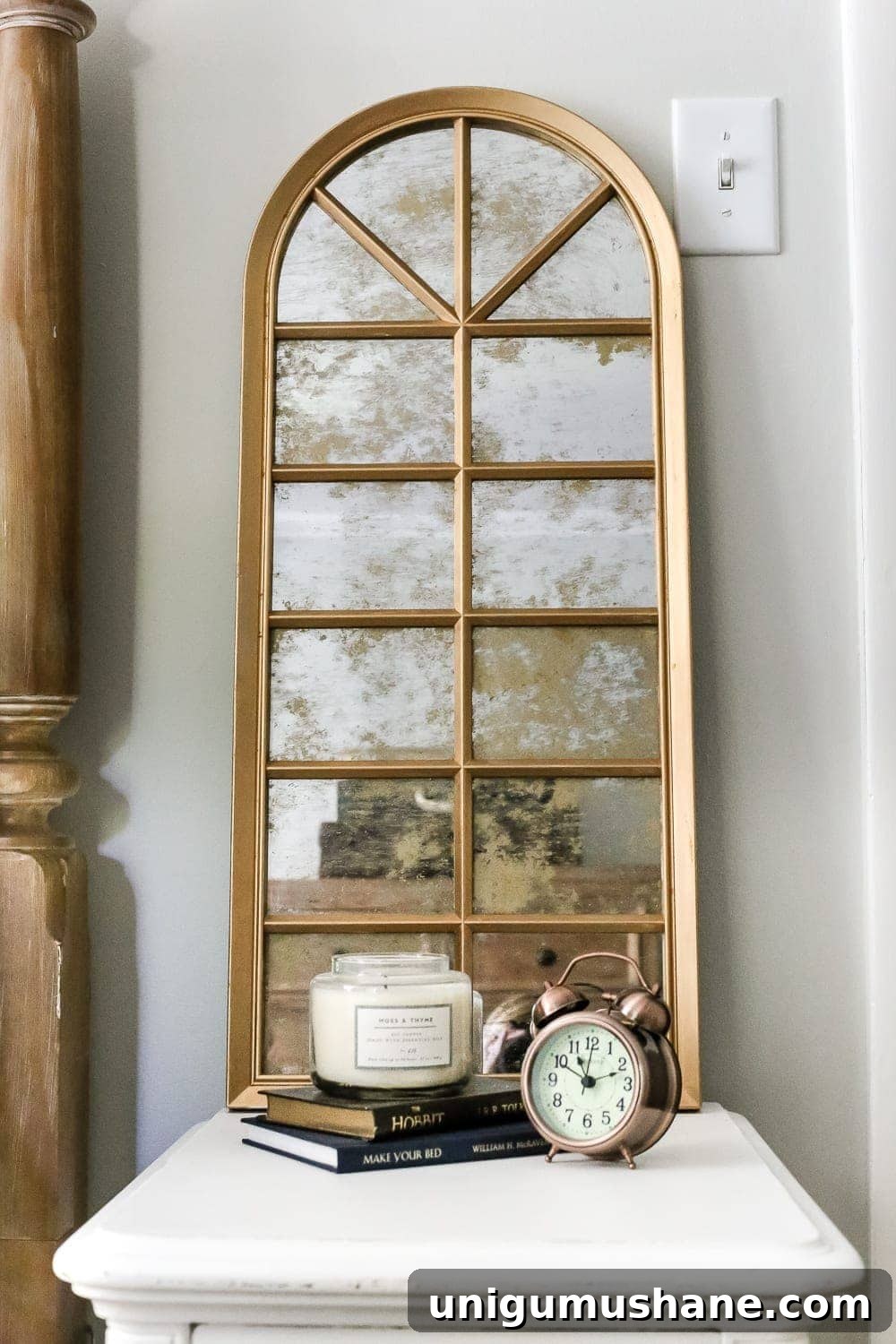
- Antique Gold – A warmer, slightly pink-tinted gold that reads as classic antique gold on frames and fixtures.
- Gold Leaf – A bright yellow gold that resembles polished brass or fresh yellow gold.
- Autumn Gold – This shade has a strong reddish undertone and reads closer to bright copper than traditional yellow gold.
European Gold vs Antique Gold
My personal favorites among the golds are European Gold and Antique Gold. European Gold is subdued and slightly cooler, which works well for understated accents. Antique Gold is richer and more pronounced, making it a better match for warm, traditional pieces. Both produce a realistic metallic look when properly sanded and buffed.
Rub n Buff Silver Colors
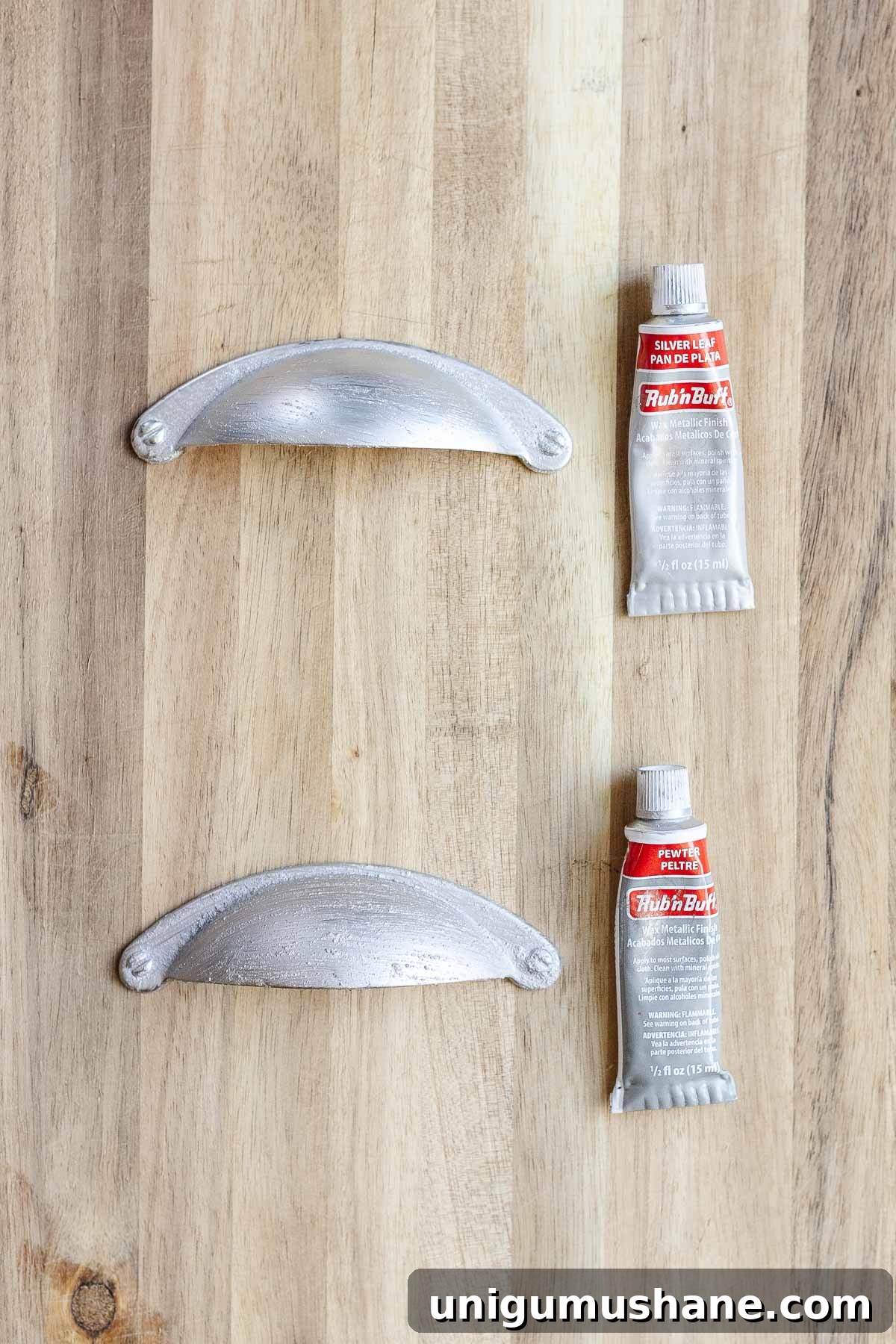
Silver options are fewer but distinct:
- Silver Leaf – A bright, high-luster silver that resembles new, polished metal.
- Pewter – A softer, aged silver with less shine, ideal for antique or industrial looks.
Rub n Buff Copper Colors
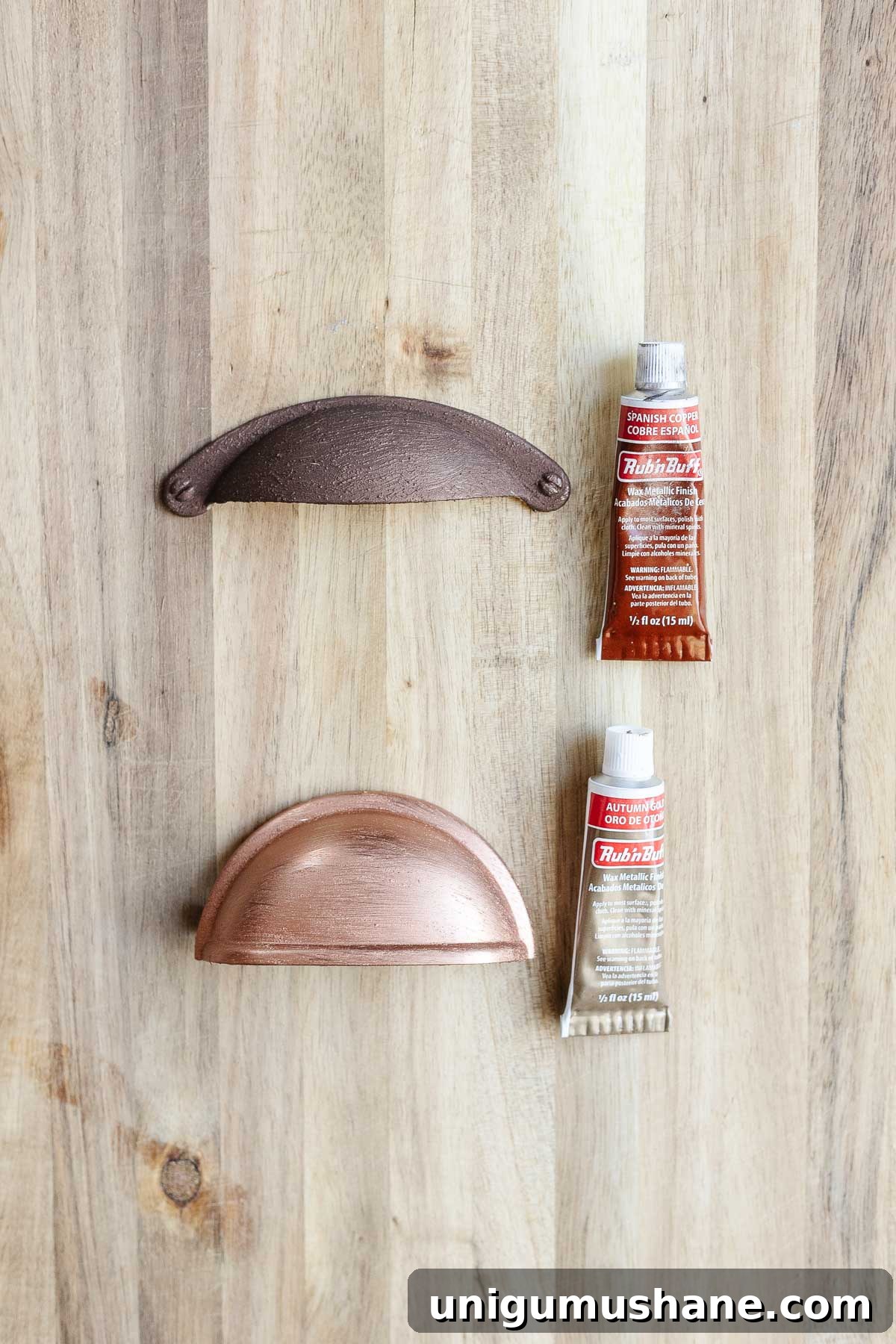
For copper tones I compared two shades that read very differently:
- Spanish Copper – A deep, aged copper closer to bronze with an antique patina appearance.
- Autumn Gold – Bright and new-looking, with a strong red undertone that reads like unaged copper.
This experiment gave me a quick way to pick the best matching shade for our bathroom faucets (I chose European Gold). It also made future decisions faster and more confident whenever I need a particular metallic finish for hardware or decorative accents.
If you have other craft supplies you consider indispensable or color tests you’d like to see, I’m happy to try them and share the results.
Frequently Asked Questions
Rub n Buff is used to create realistic metallic finishes that look more like actual metal than paint. It’s ideal for decorative hardware, frames, fixtures, and accents where a true metallic look is desired.
Rub n Buff is durable but not permanent. It can wear or rub off over time, especially on high-touch surfaces such as door knobs. Sanding, priming, and using a topcoat can improve longevity.
For best adhesion and a smooth finish, especially on frequently handled items, sand the surface first. Primer isn’t always necessary, but sanding helps the wax adhere and makes buffing easier.
More Paint and Finish Resources
- Best gold spray paints – ranked
- Recommended blue-gray paint colors
- Designer-approved off-white paints
- Recommended navy blue paint
- Recommended blush pink paint