
A curated collection of taupe and gray trim paint ideas for a modern-yet-classic aesthetic, plus practical guidance on selecting the best paint colors to achieve the look.
We finally started painting our tired, beige guest bedroom—the one marked with spackle spots and weighted down by uninspiring color. After a fresh coat of white on the walls, the room already feels dramatically brighter and more refined.
Now I’m ready for the next step in the plan: painting the trim gray.
If this trend hasn’t crossed your radar yet, gray and taupe trim is an elegant update that blends contemporary sensibilities with traditional detail. It’s a look that reads modern and grounded at the same time, and it works across many interior styles—from farmhouse to transitional to minimalist.
Below I’ve gathered several inspiring photos I love, along with practical tips and considerations to help you choose the right gray or taupe for your trim. These ideas will help you create contrast, depth, and a polished finish that elevates any room.
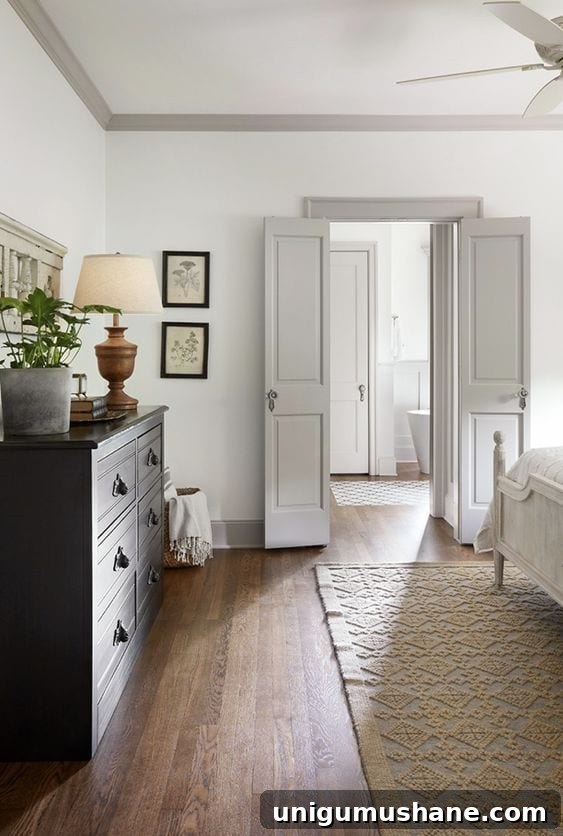
Source
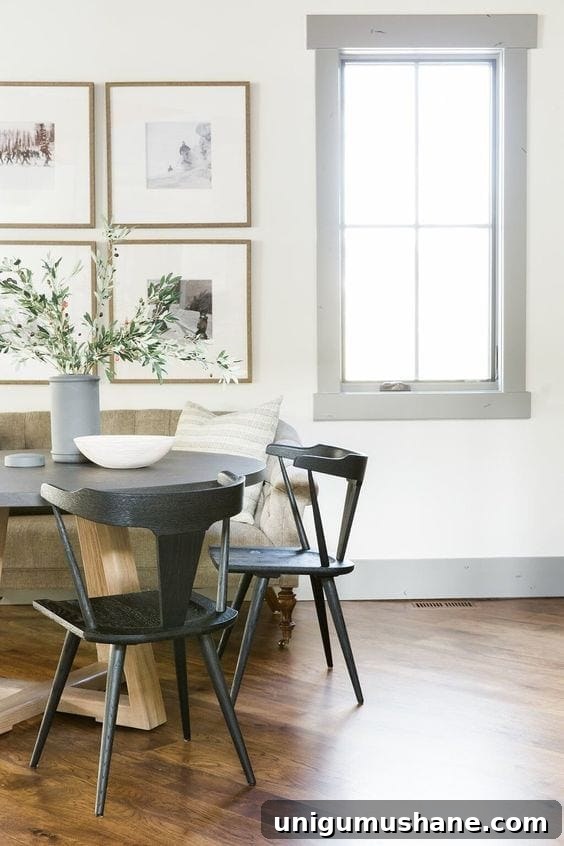
Source
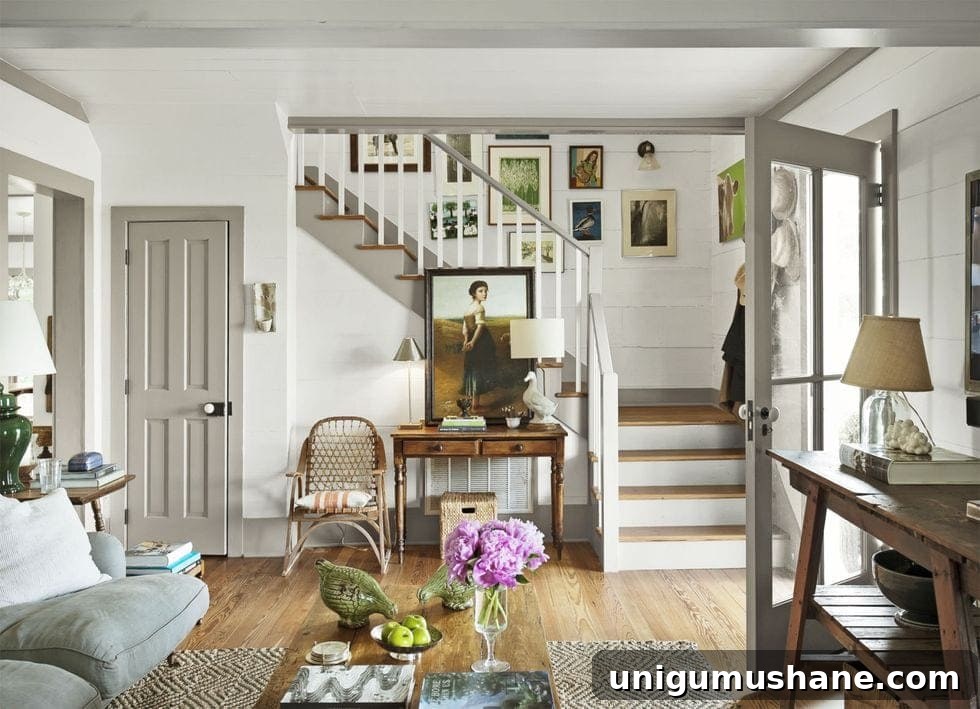
Source
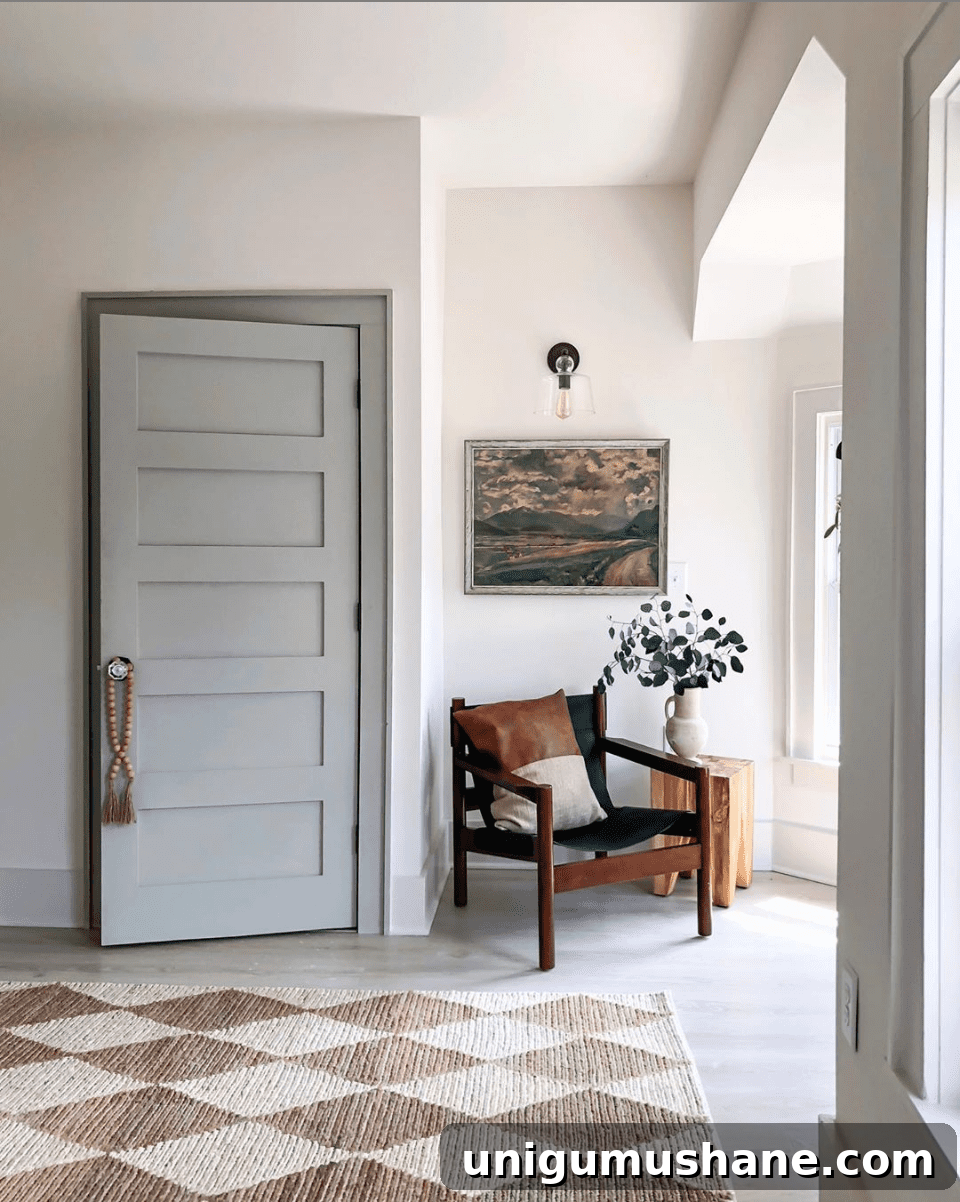
Source
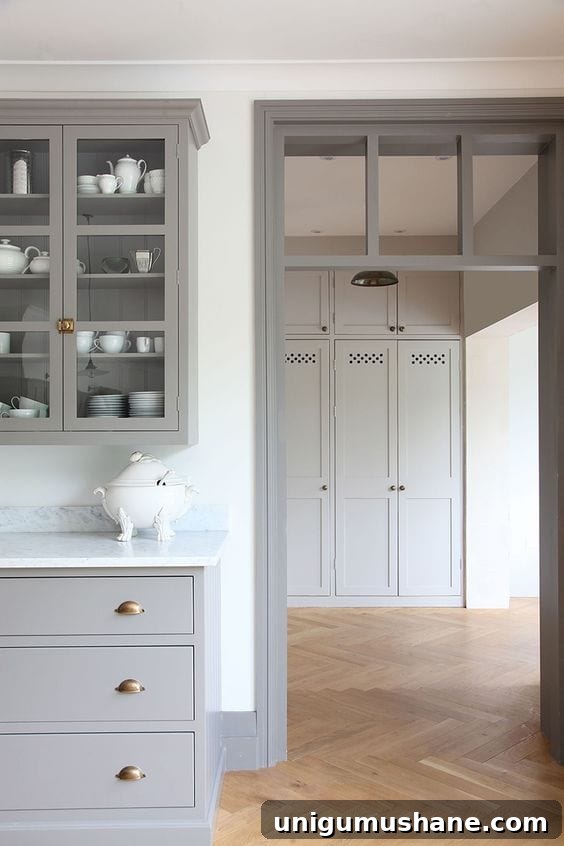
Source
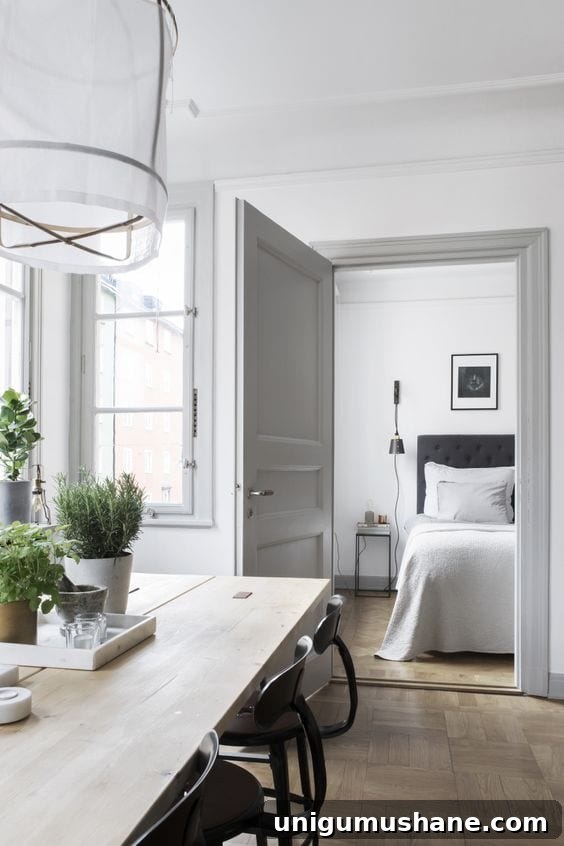
Source
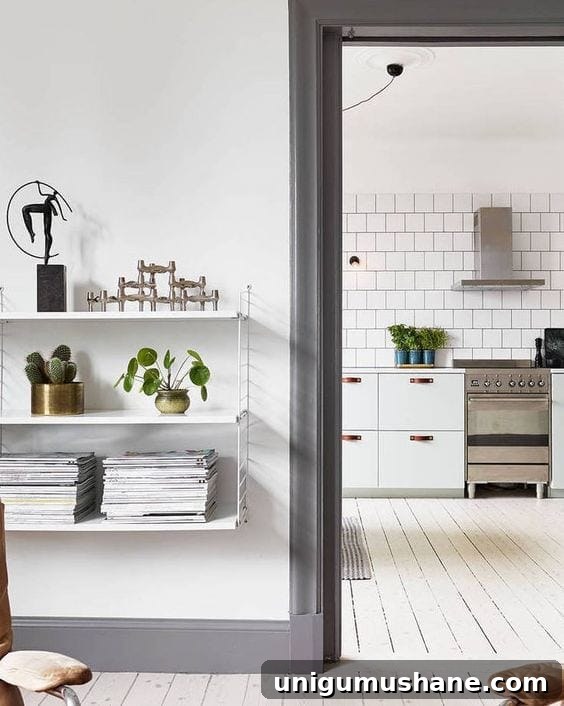
Source
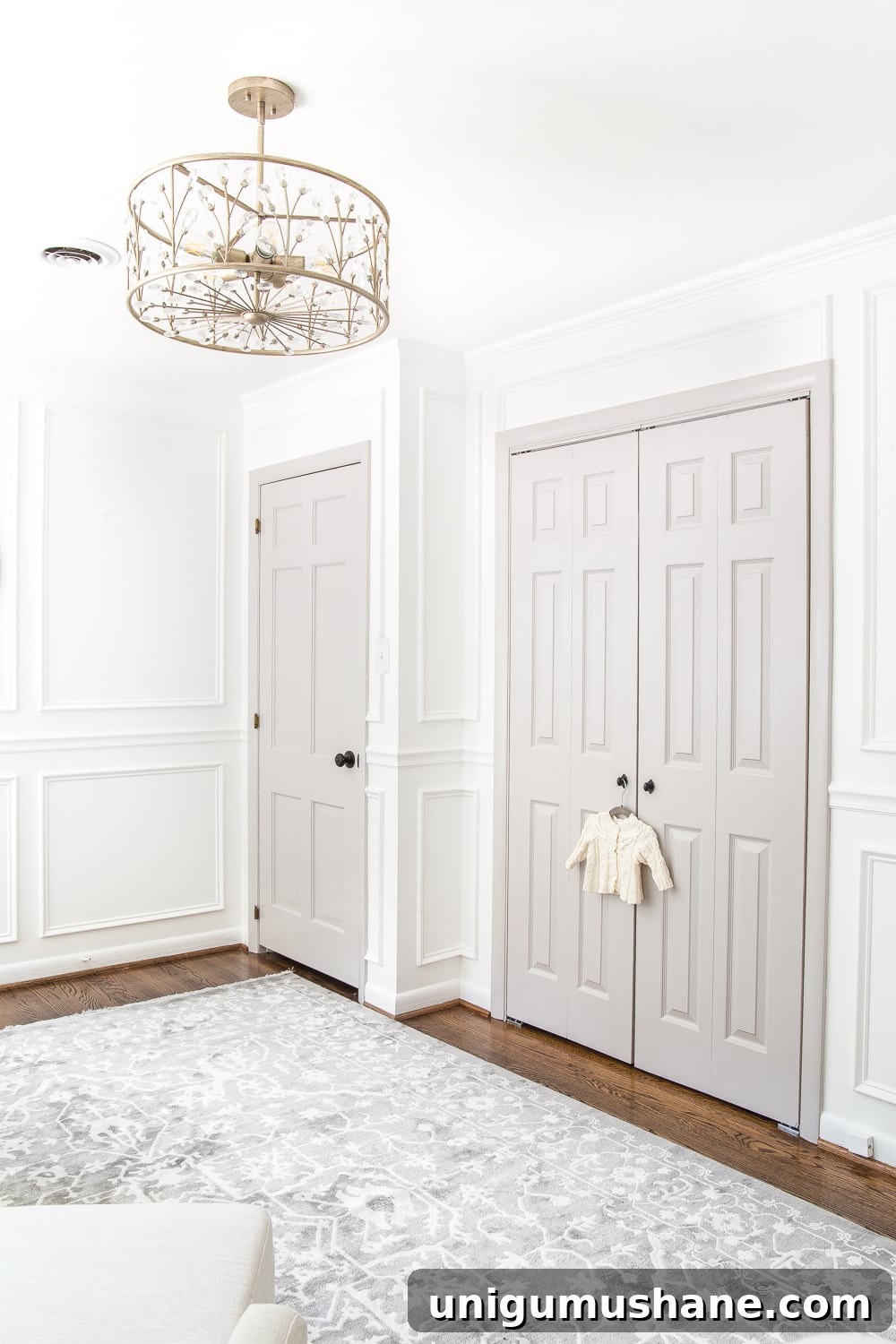
Source (Me!)
I filled my guest bedroom Pinterest board with dozens of gray-trim examples and spent hours studying which shades and finishes designers recommend. That research helped me narrow down the qualities I wanted: a warm gray with enough depth to frame the room, but not so dark that it feels heavy.
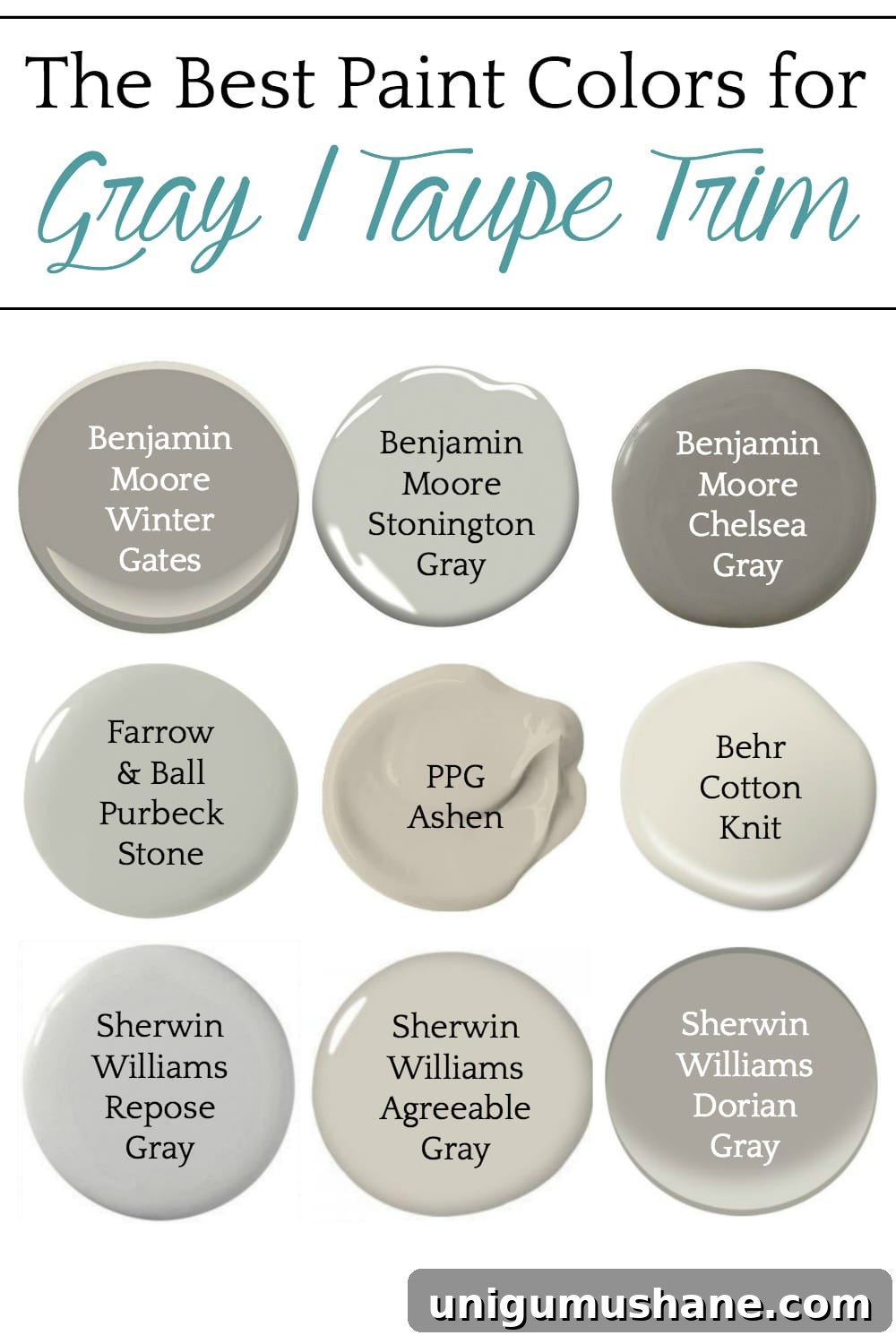
What makes gray or taupe trim so successful? A few practical reasons:
- Timeless contrast: Gray defines moldings, window casings, and doors in a way that’s subtle yet intentional, creating architectural interest without overpowering a room.
- Color harmony: Warm greige and taupe tones coordinate well with neutrals, natural wood, and soft textiles, helping the room feel cohesive.
- Versatility: Gray trim can read traditional, modern, or transitional depending on the paint sheen, wall color, and surrounding finishes.
If you’re considering this look, here are a few tips I relied on during my search:
- Test samples in your room’s light. Natural and artificial light dramatically change how a gray or taupe reads on trim, so sample multiple swatches on different walls and at different times of day.
- Think about undertones. Some grays lean warm with subtle brown or beige undertones (greige), while others are cooler with blue or green hints. Match the undertone to your flooring and furnishings for harmony.
- Choose sheen carefully. Trim is typically painted in a higher sheen than walls to show crisp lines and resist scuffs. Eggshell or semi-gloss are common choices depending on the look and durability needed.
- Balance contrast. If your walls are very light, a mid-toned taupe or gray provides a soft but clear frame; for darker walls, choose a slightly deeper trim shade to maintain depth and cohesion.
Personally, I found a gray-taupe that felt just right for our space and I’ll be sharing that exact color and the final reveal soon. In the meantime, if you’re debating whether to paint your trim gray: if you want a fresh update that feels both current and classic, this trend is worth trying.
Are you into gray trim? Love it, curious, or planning to grab a paintbrush right away? I’m excited to see how this look continues to evolve—and to show you how it turned out in our guest bedroom.