
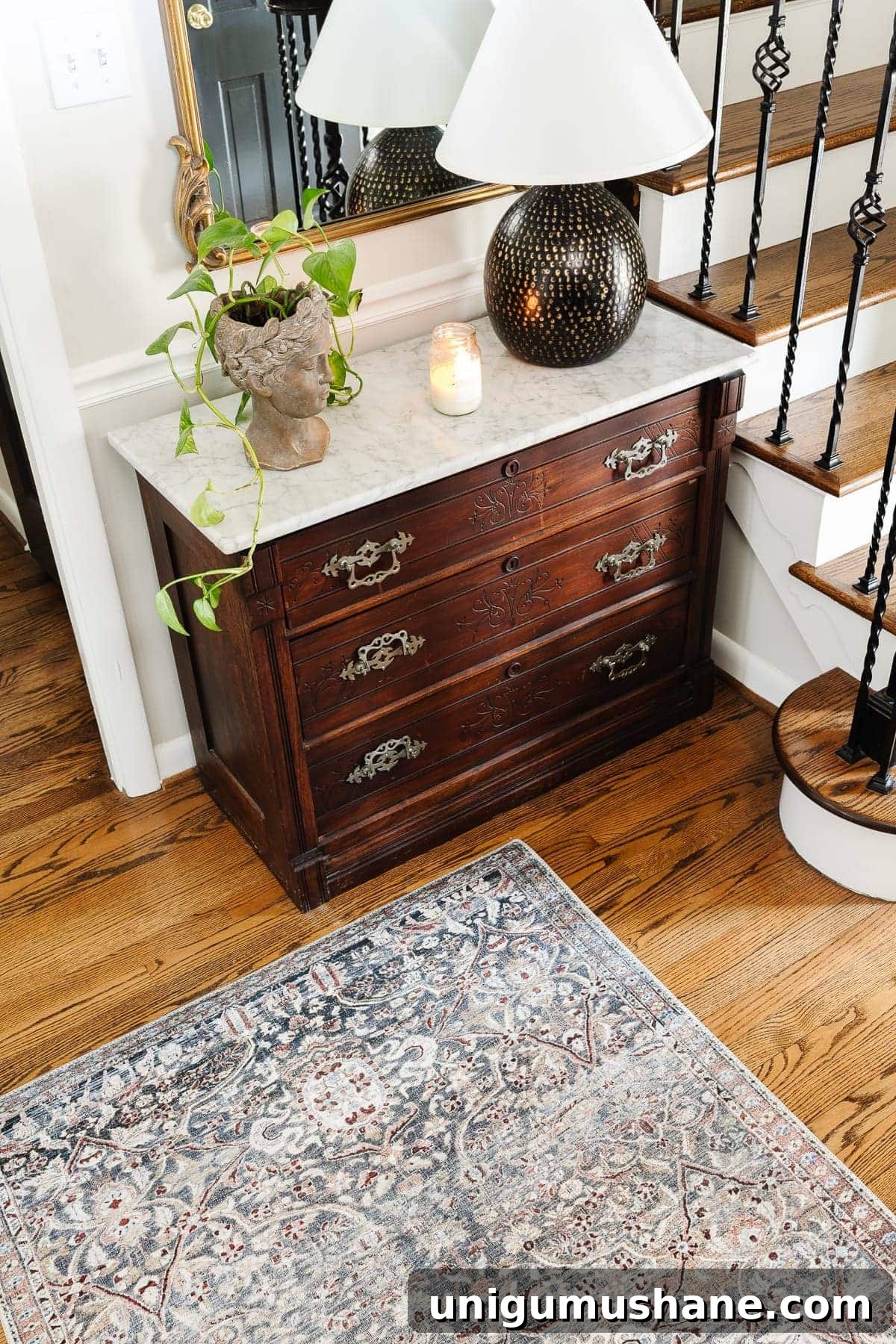
A guide for the best sizes of rugs for different rooms, the best rug materials for different uses, and ways to pair them in open floor plans.
Rugs are one of the most common questions I get from readers and followers — whether in my Instagram DMs or email. They can feel overwhelming: what size fits a space, what material holds up to family life, and how do you coordinate rugs across an open floor plan? Choosing the right rug can transform a room, so here’s a practical, easy-to-follow guide to help you pick the perfect rug every time.
Entryways
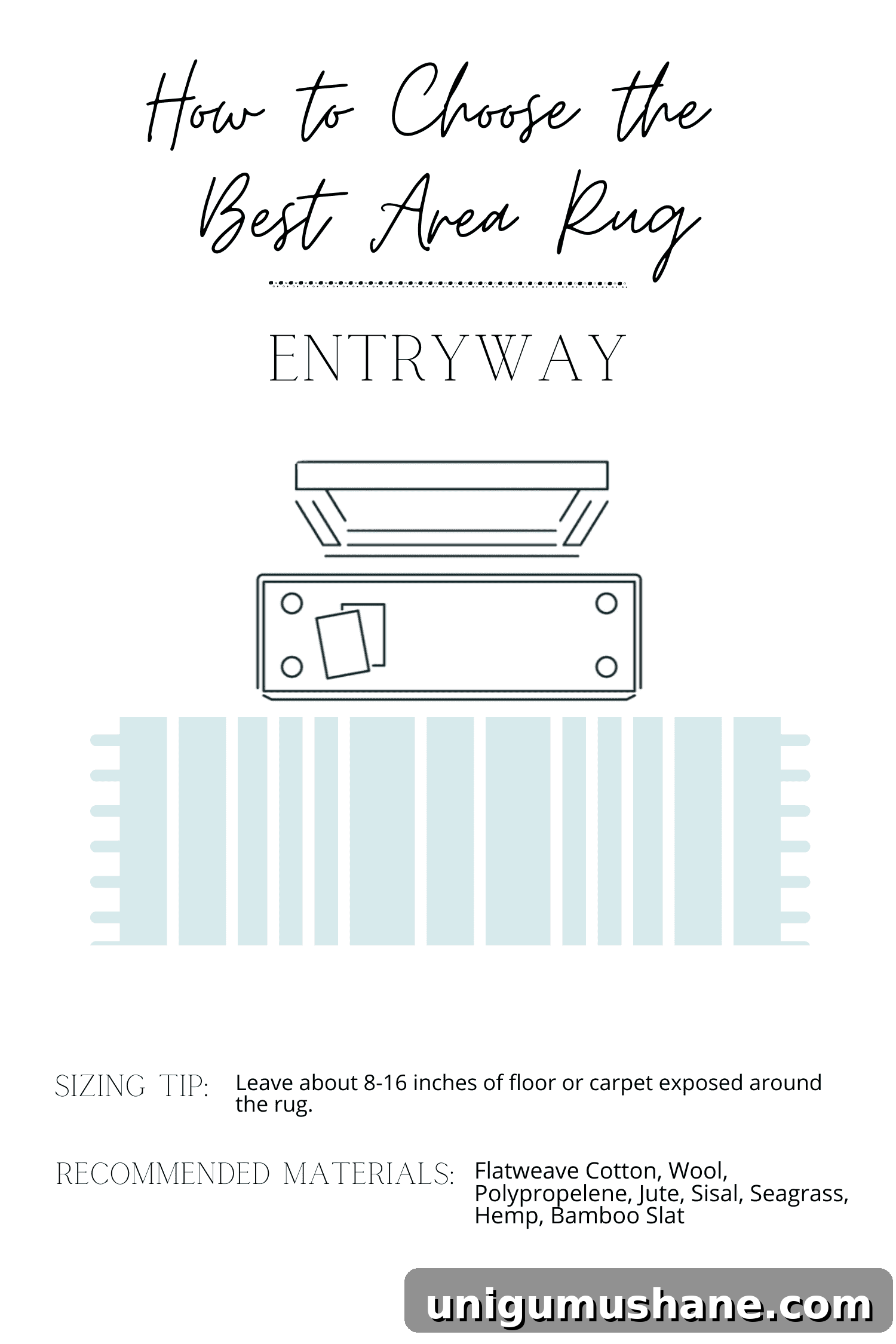
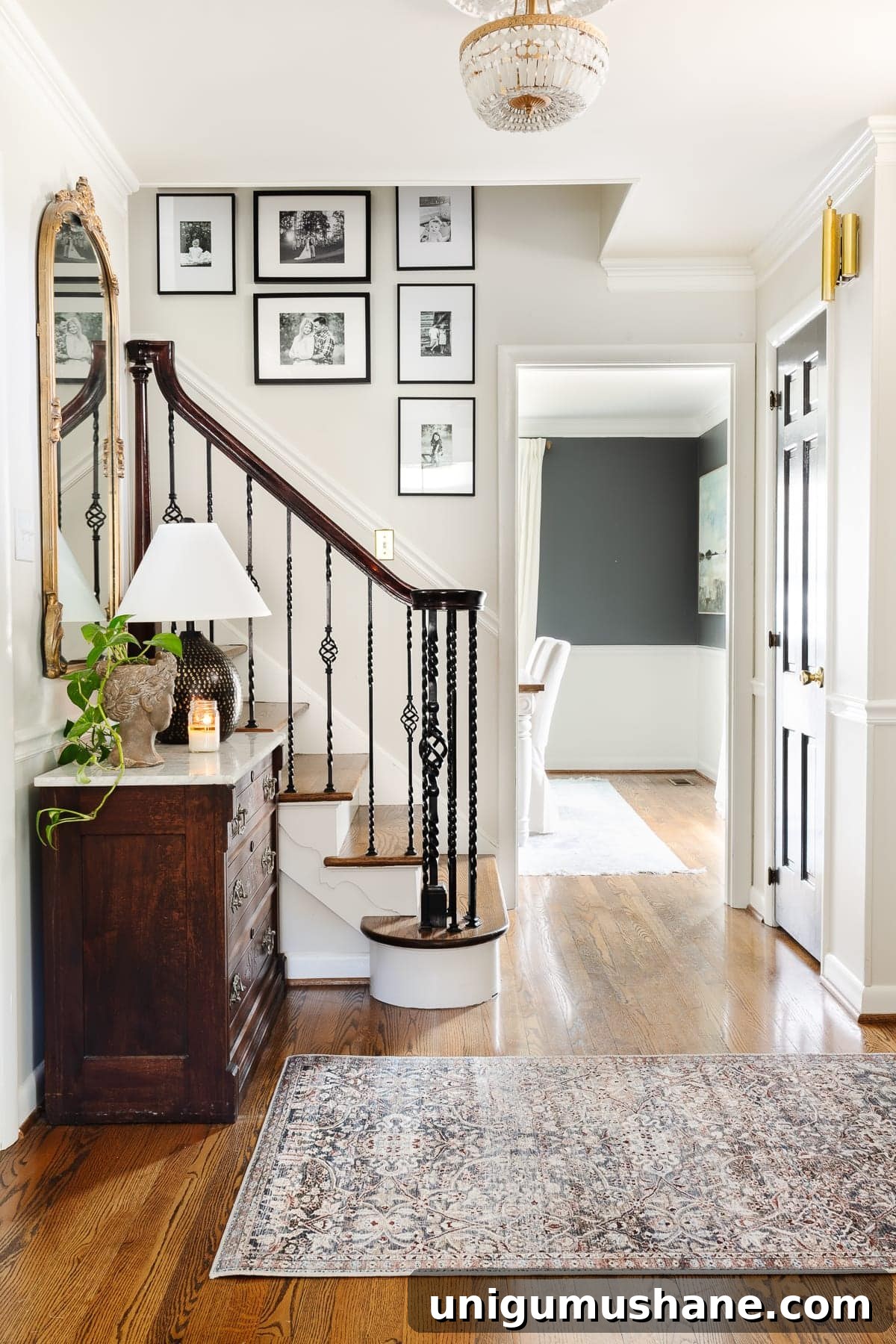
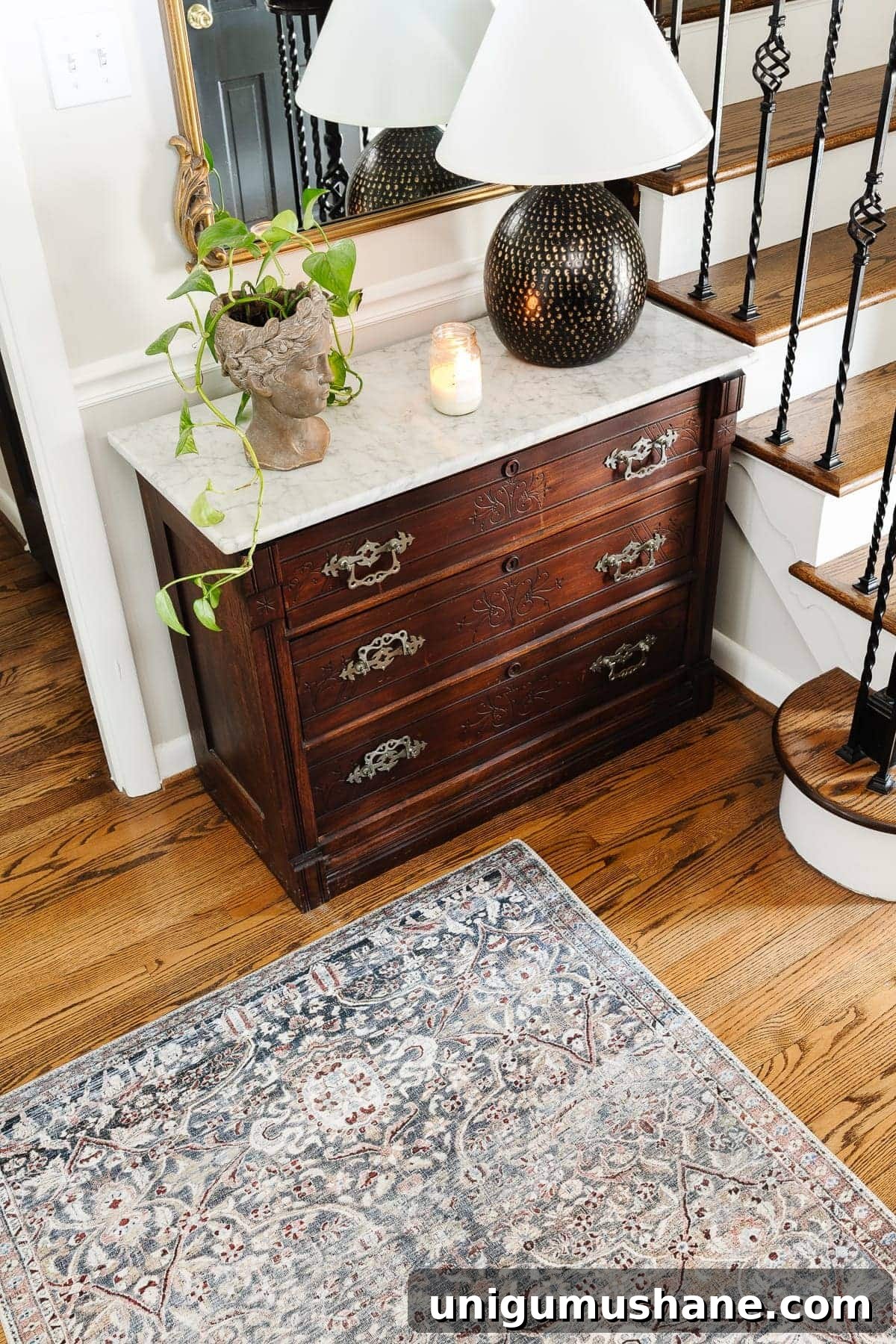
In entryways, aim for a rug that leaves an 8–16 inch border of exposed flooring or carpet around the perimeter. Too-small rugs look awkward and can create a tripping hazard, while overly large ones can crowd a foyer or block doors. Flatweaves and sturdy weaves work best here because entryways tend to get heavy foot traffic.
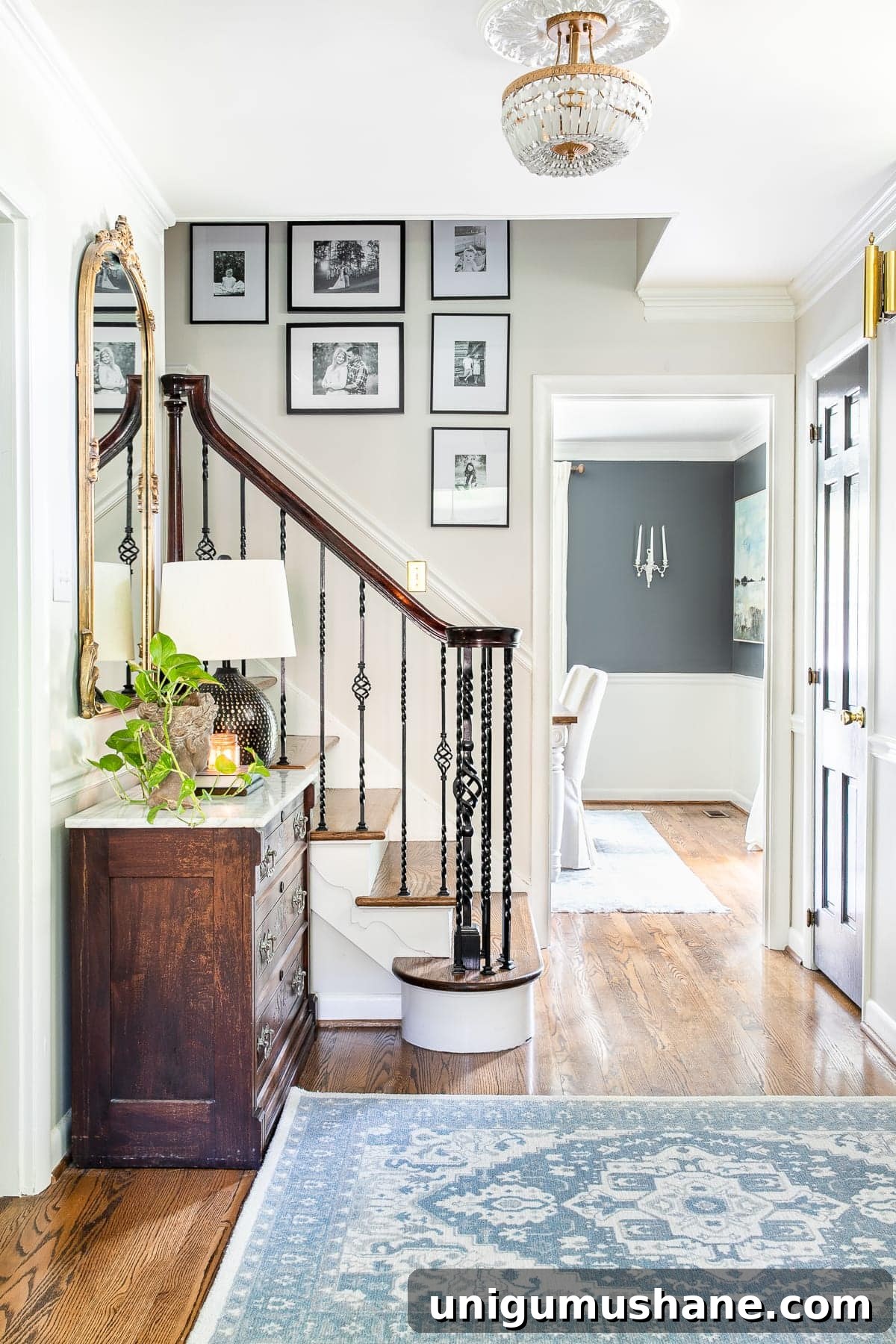
Durable, low-maintenance materials like cotton flatweaves, polypropylene, and natural fibers such as jute, sisal, seagrass, hemp, or bamboo slat are excellent choices for entryways. Wool is also a strong option because it naturally repels stains, though it may shed. Colorful patterns are a smart aesthetic choice since they hide dirt and wear.
Dining Rooms
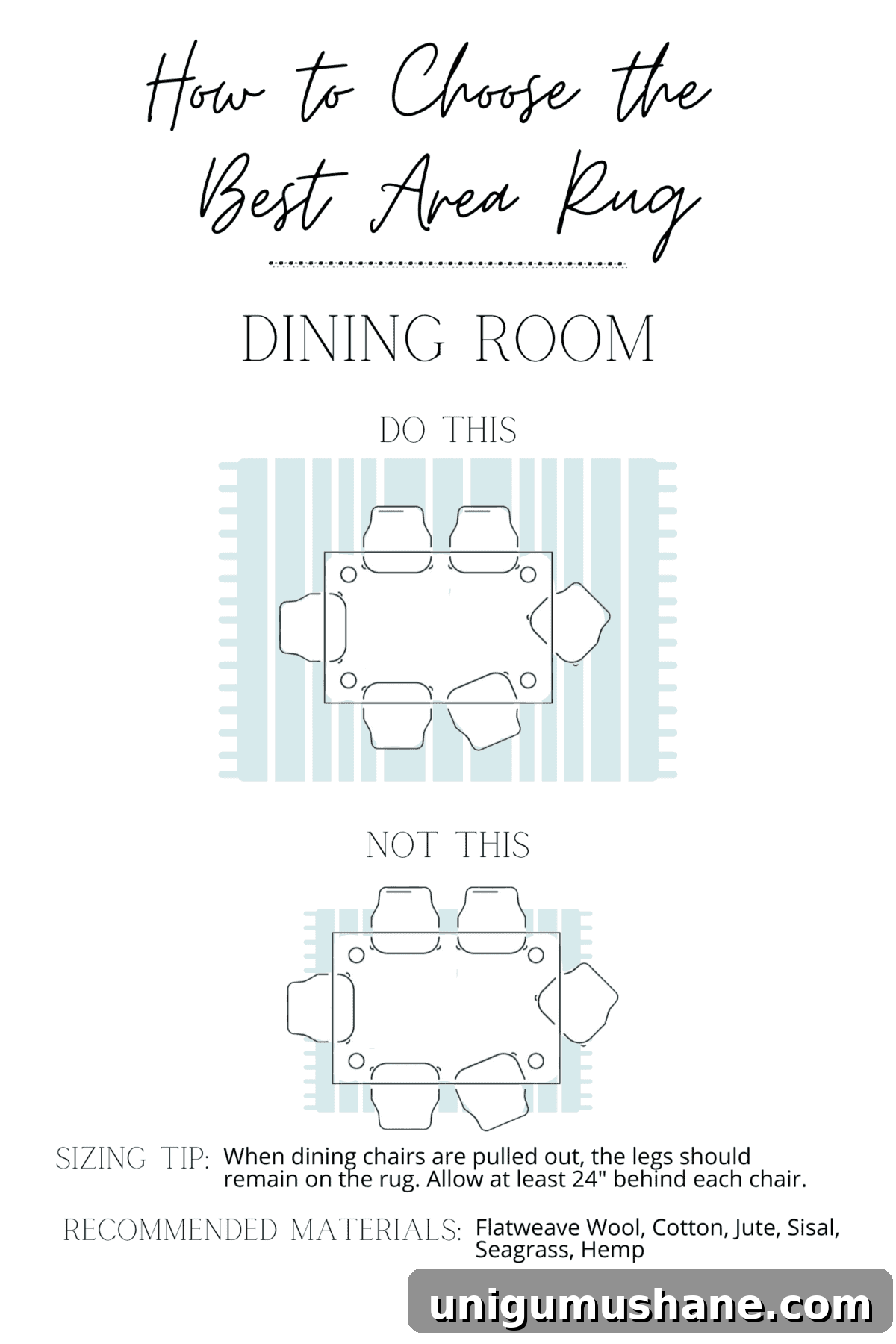
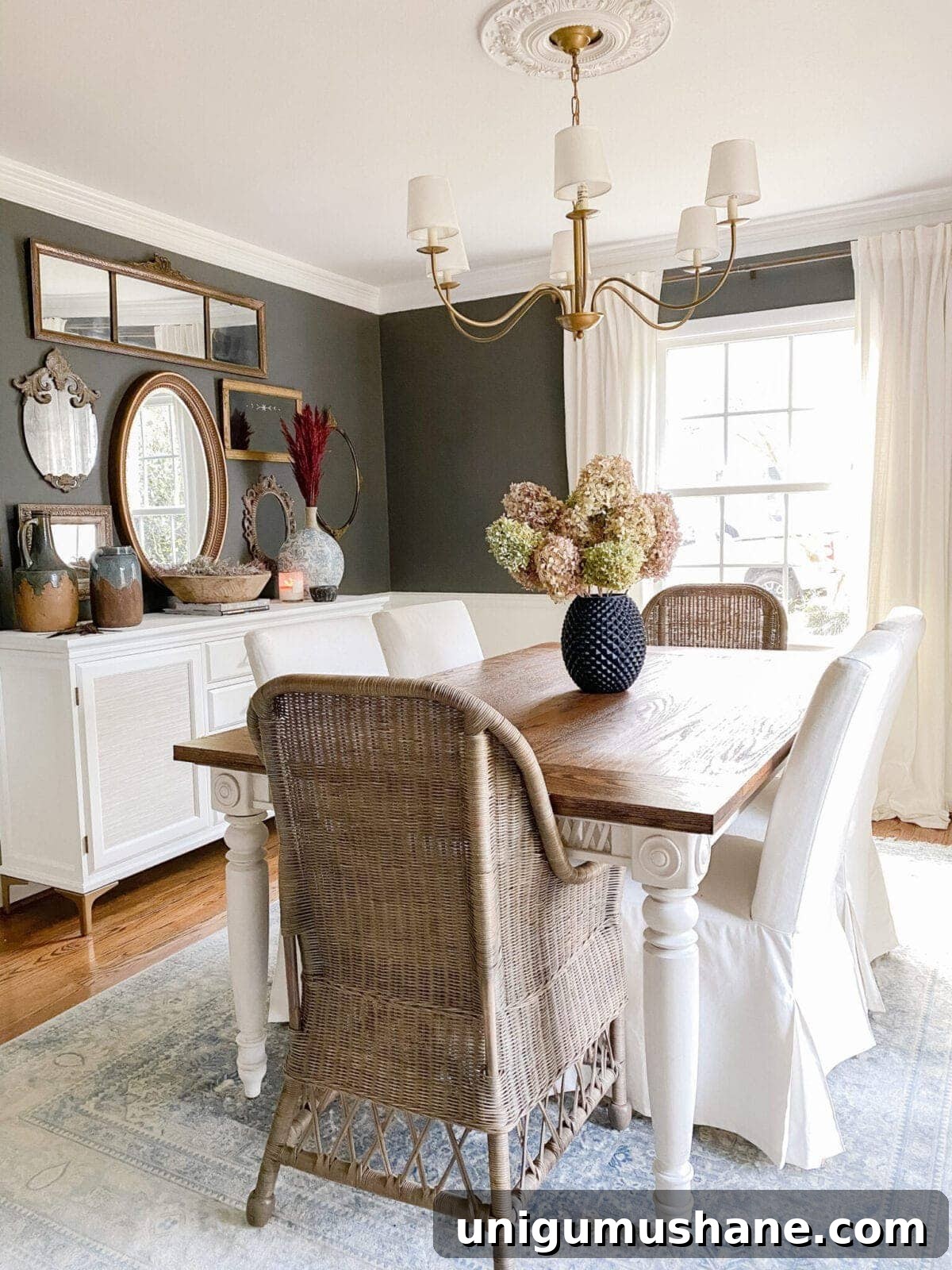
One common mistake is choosing a rug that’s too small for the dining table. When chairs are pulled out, their legs should remain on the rug to prevent catching on the edge. Measure fully extended chairs and add that distance to the table footprint to determine the minimum rug size. Low-pile or flatweave rugs are ideal beneath dining tables so chair legs slide smoothly.
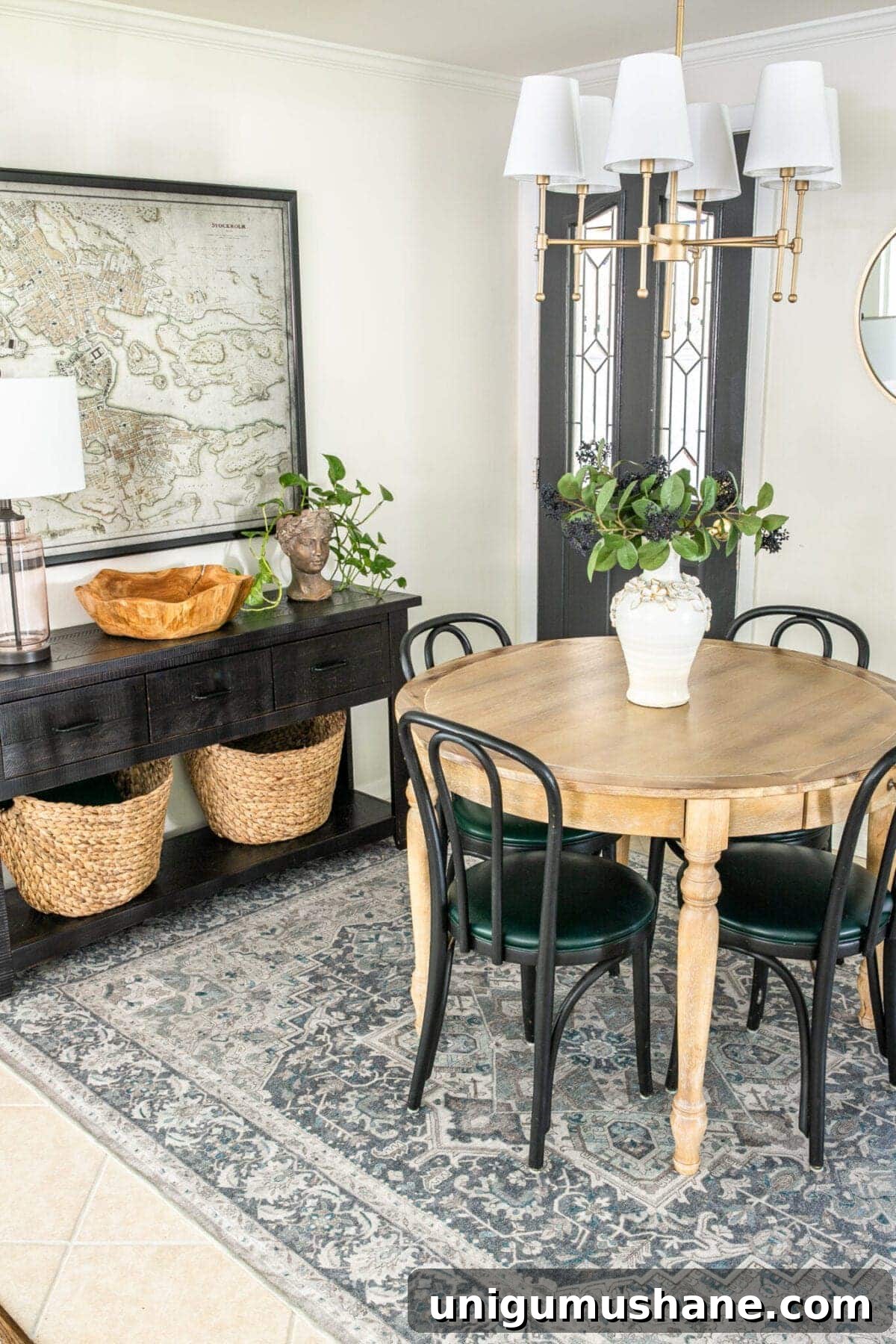
Choose stain-resistant or washable materials for dining areas. Cotton, wool, polypropylene, jute, sisal, seagrass, hemp, and bamboo slat are durable and easier to clean, making them practical for rooms where spills are likely.
Living Rooms
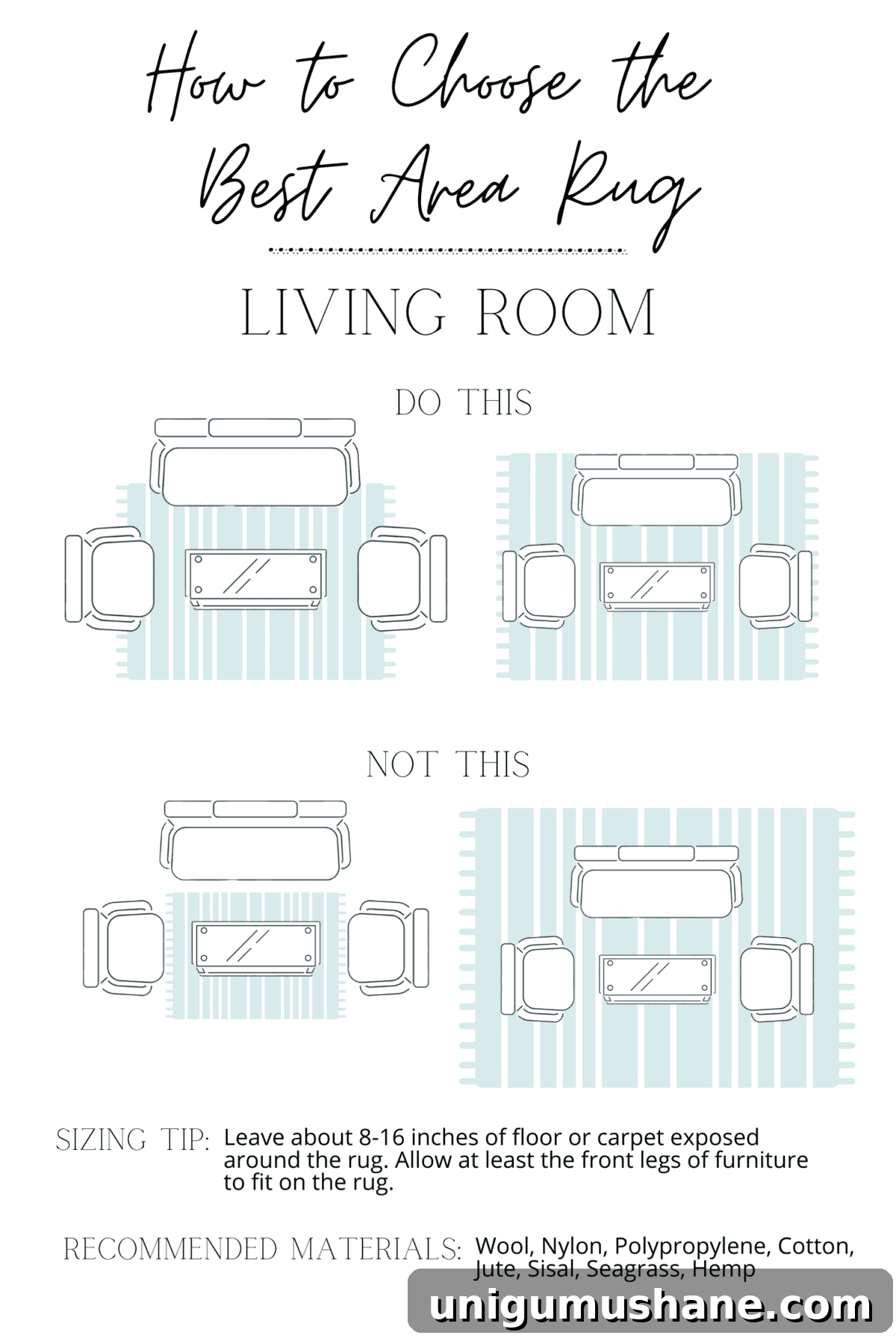
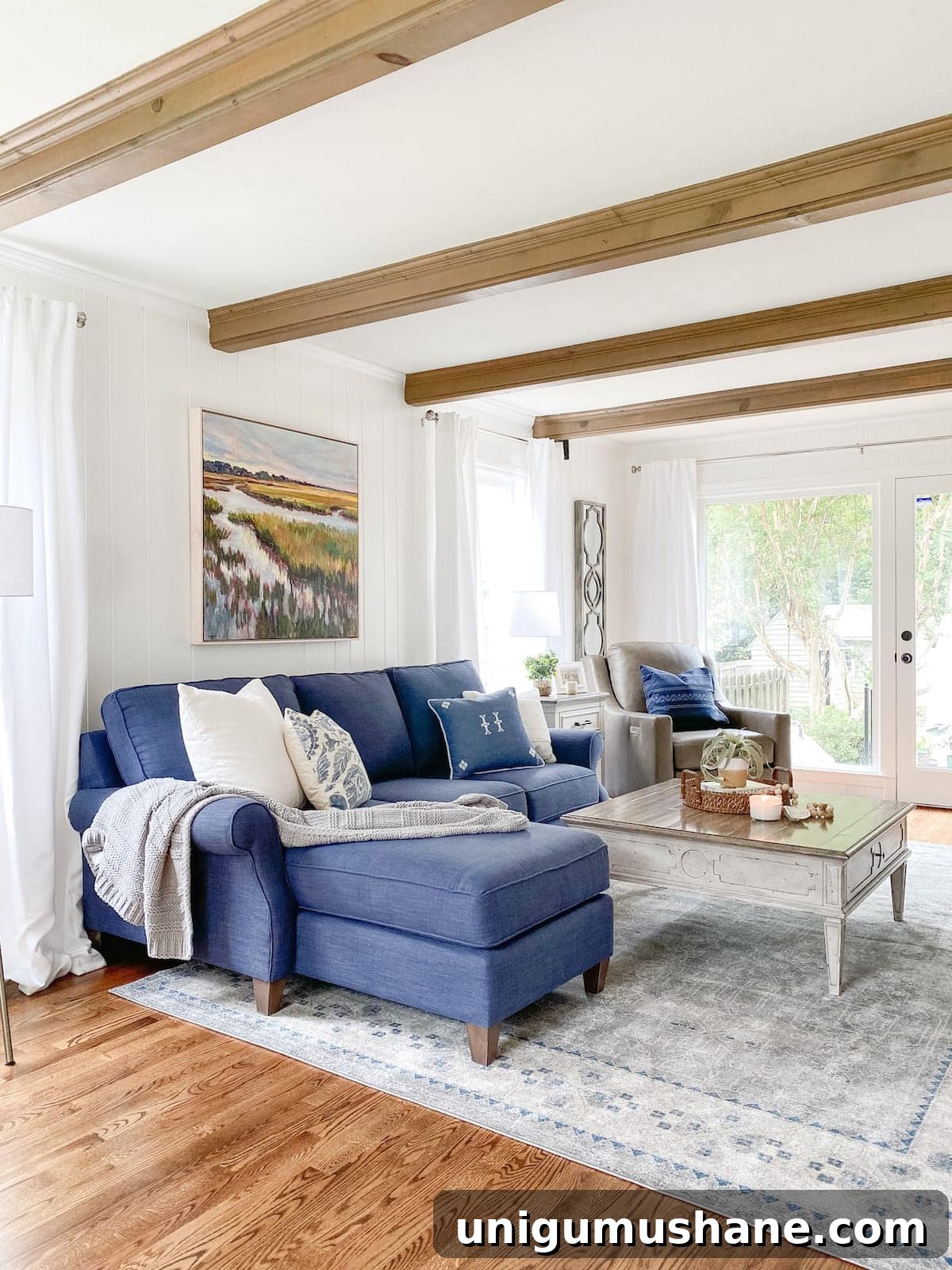
In living rooms, a rug should be large enough so at least the front legs of sofas and chairs sit on it. If that’s not possible, layer a smaller decorative rug on top of a larger neutral natural-fiber rug to achieve the anchored look. Rug size depends on the room: a 9×12 works well in larger spaces, while 8×10 often fits narrower rooms.
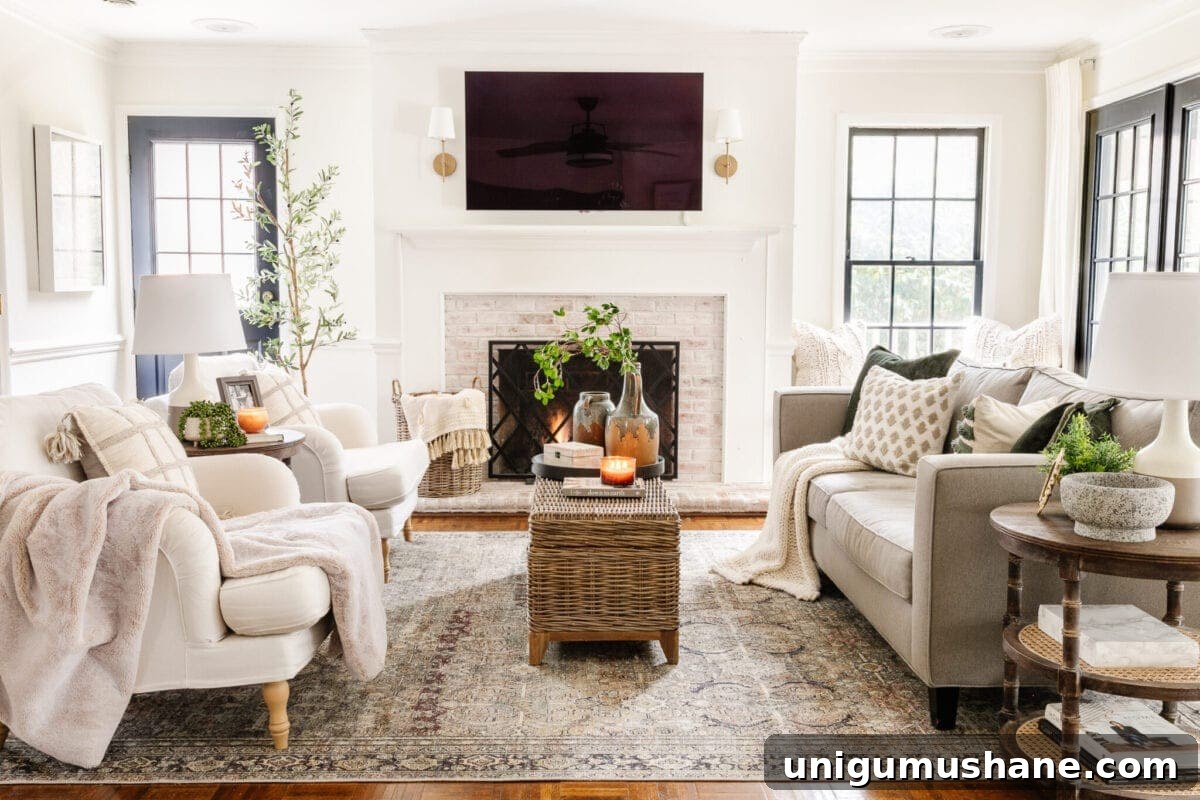
Pick flatweave, low-pile, or high-pile rugs depending on your style. For durability, prioritize wool, nylon, polypropylene, cotton, jute, sisal, seagrass, or hemp—materials that balance comfort with wear resistance.
Bedrooms
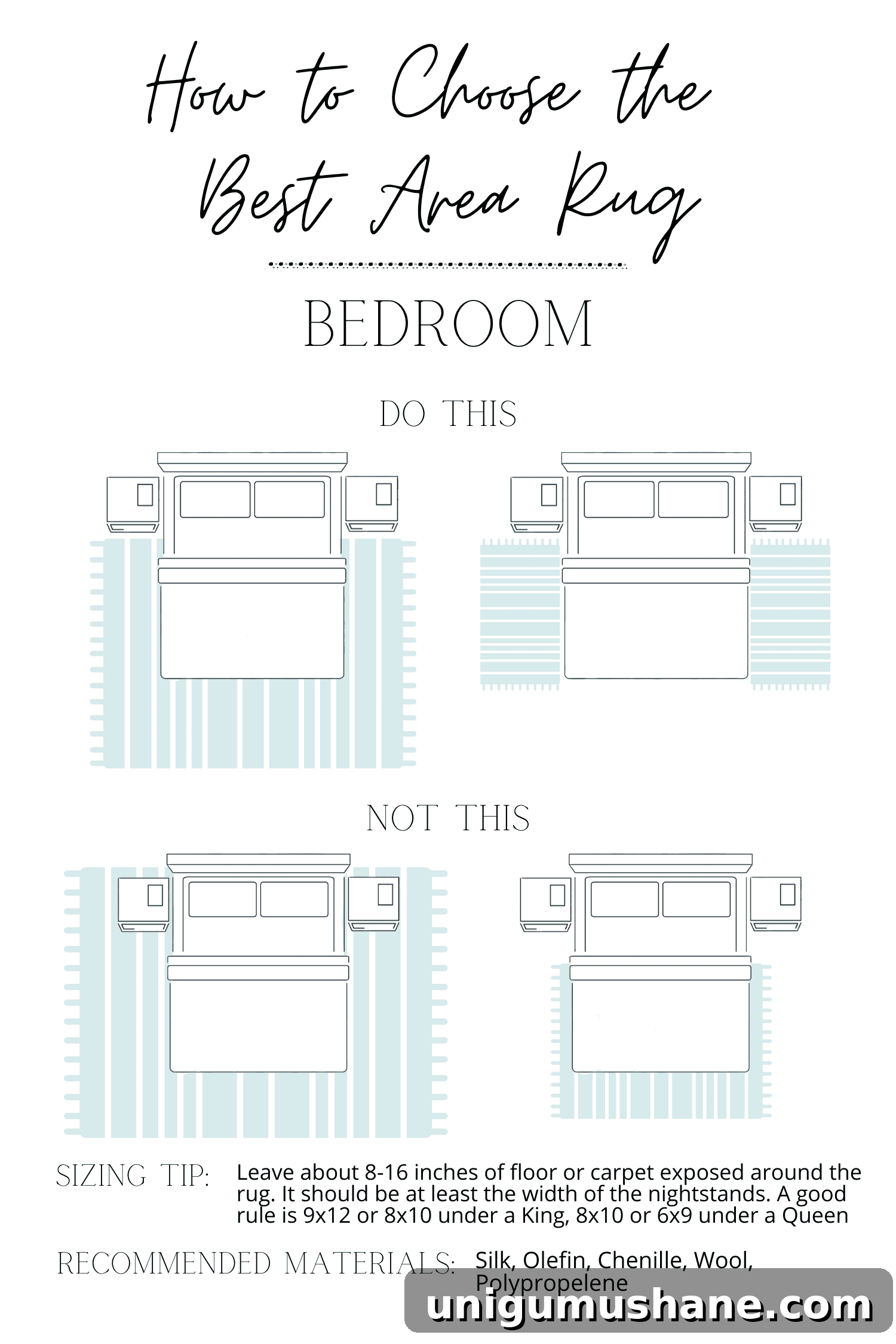
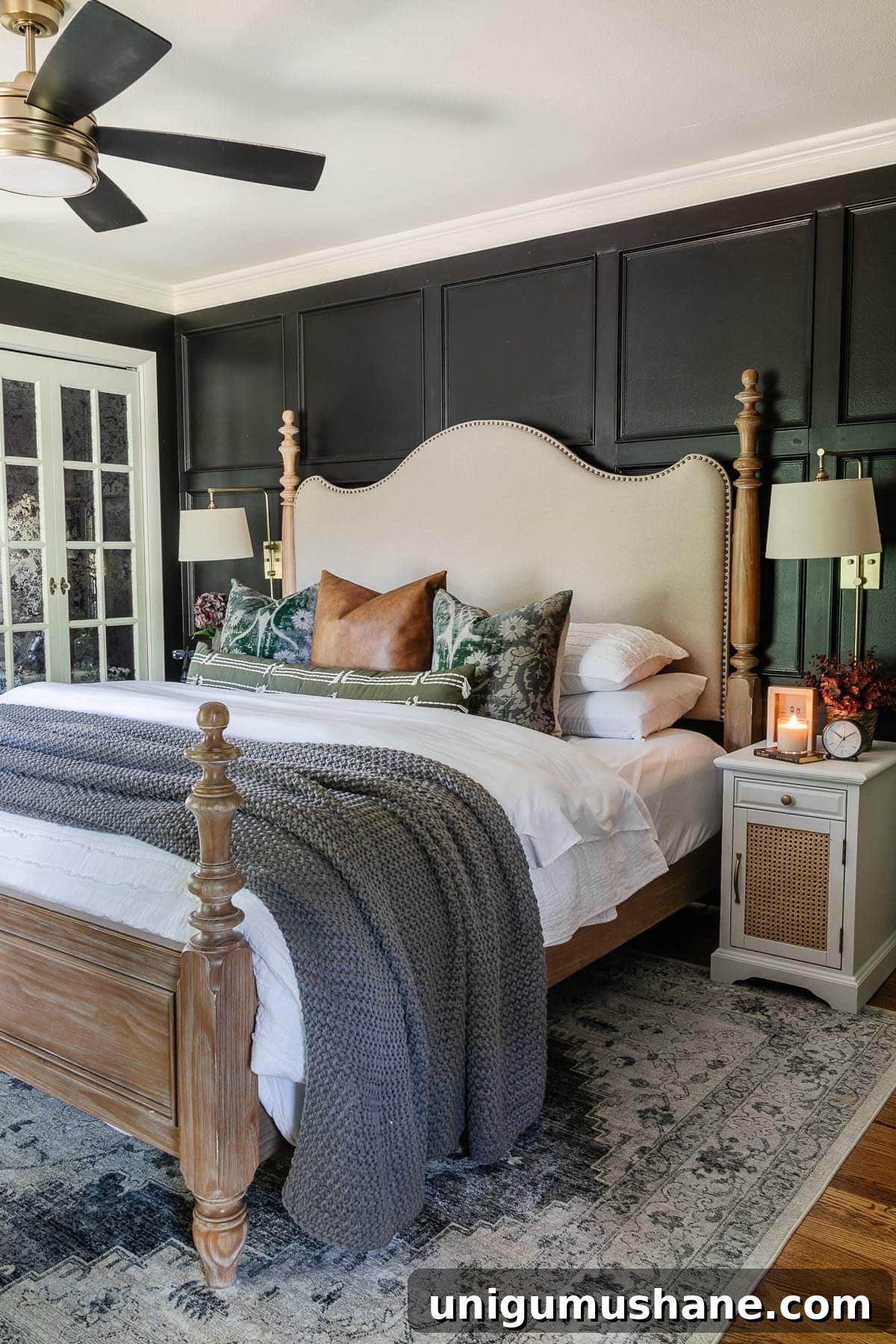
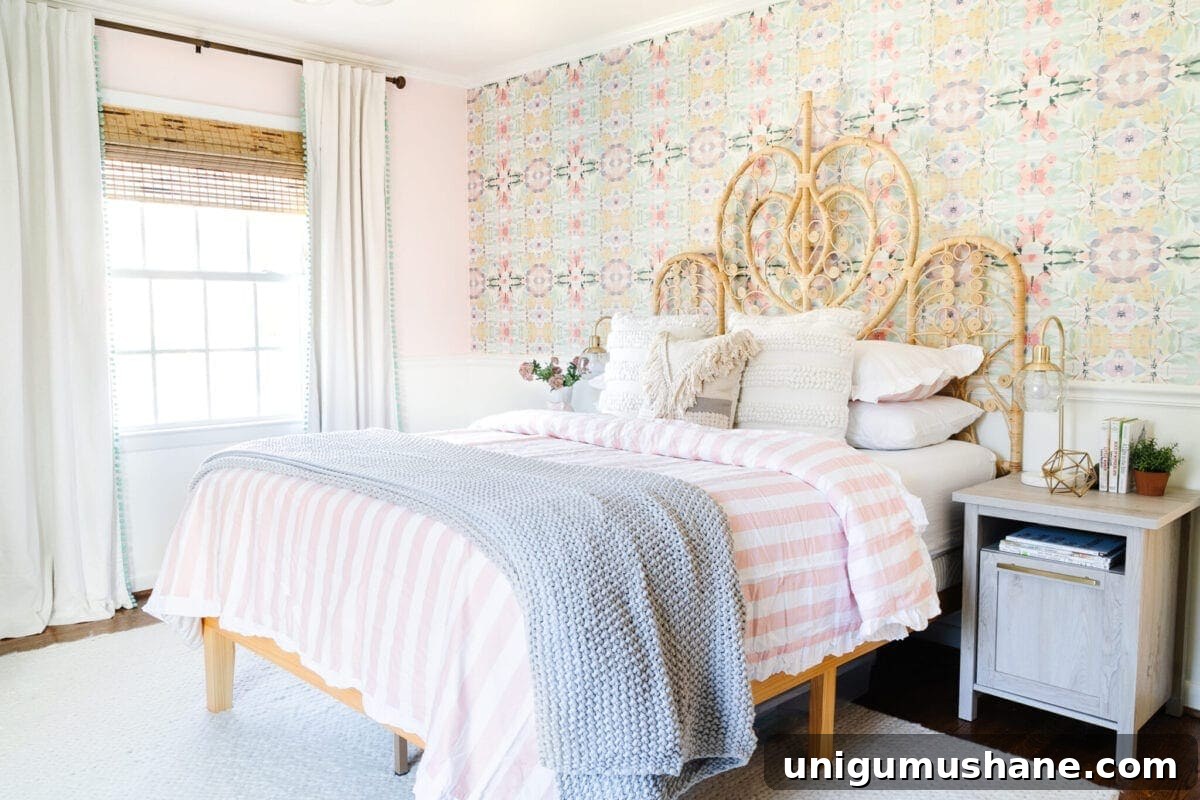
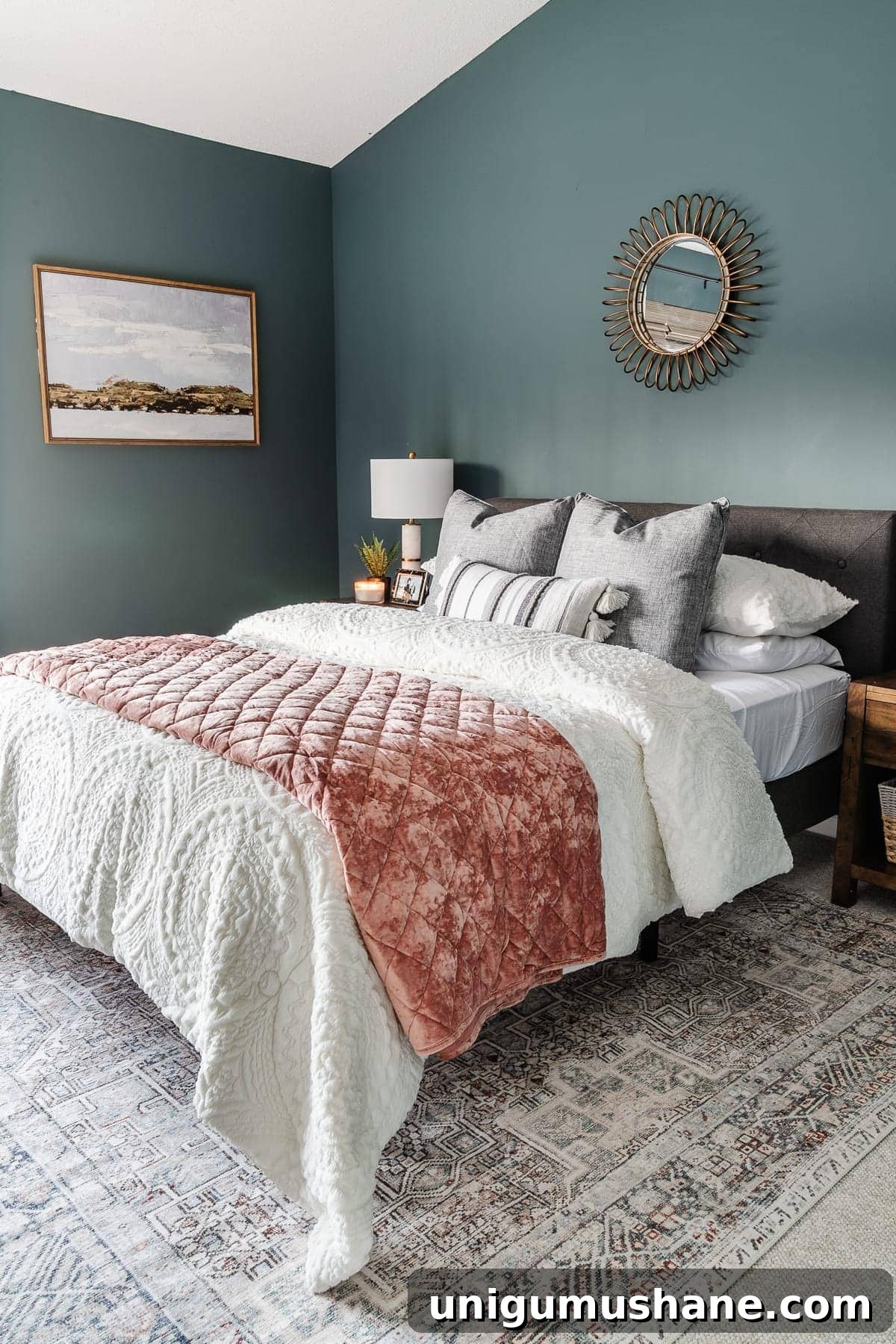
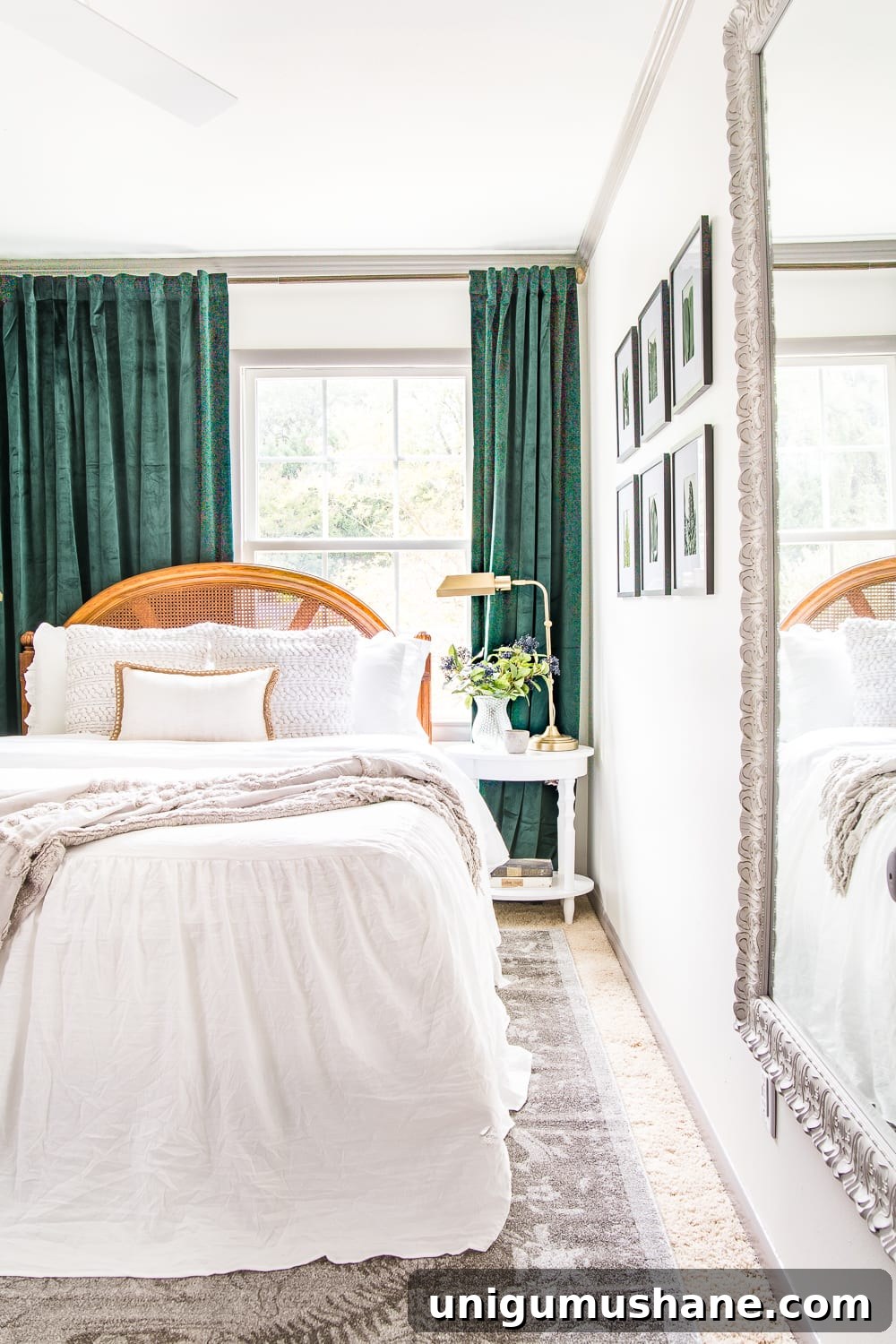
Bedrooms are lower-traffic areas, so you can opt for softer textures like silk blends, olefin, chenille, or plush wool. Still, polypropylene and wool remain practical for easy care. For standard bed sizes, an 8×10 rug is a reliable choice under a queen or king when you want a generous area of softness around the bed.
Doorways and Porches
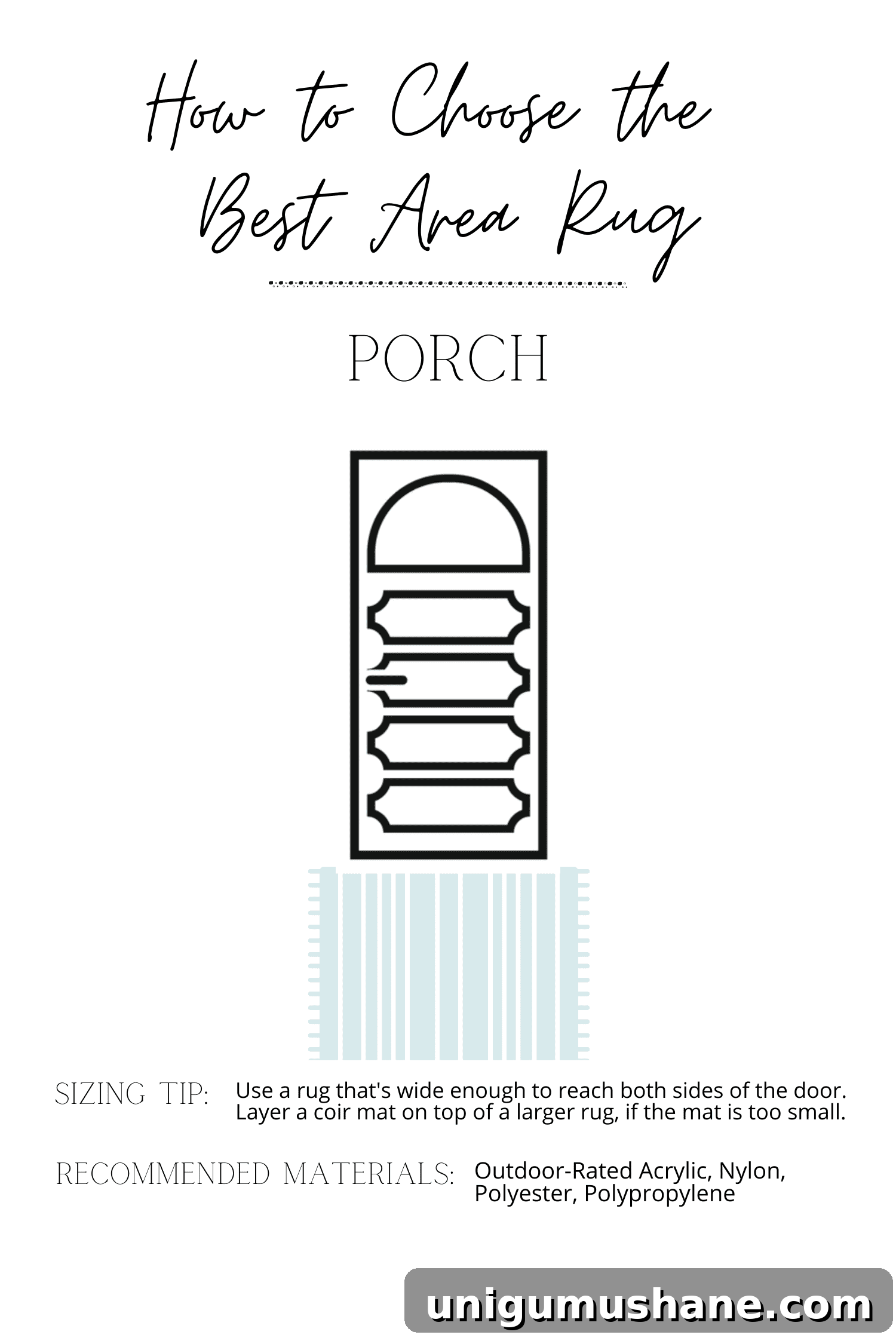
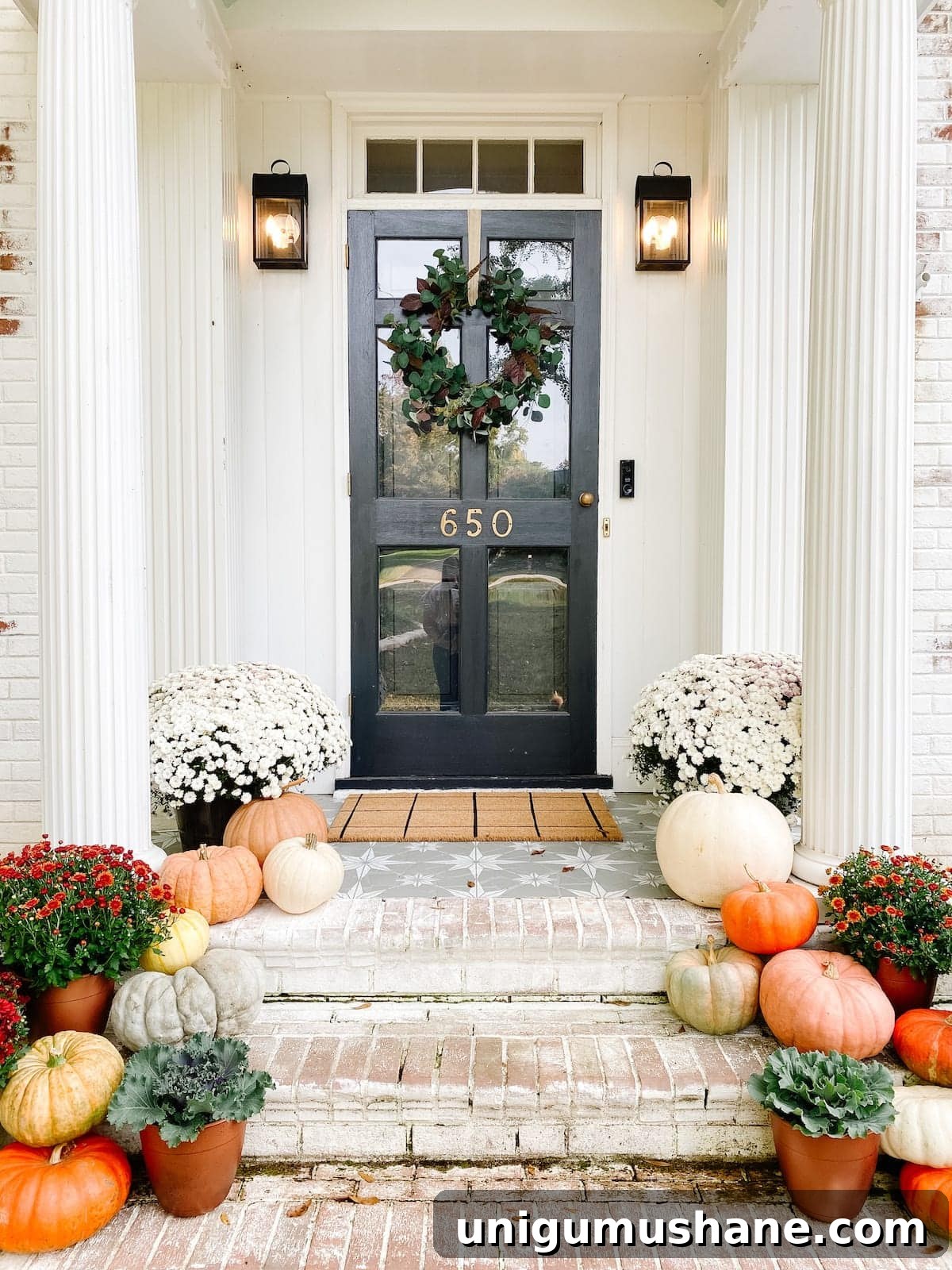
For porches or the area in front of exterior doors, choose a rug wide enough to cover both sides of the door swing. Outdoor-rated materials are essential for exposure to moisture and dirt. Layered looks can be charming on covered porches, but if you’ve invested in painted or stenciled porch flooring, a single mat or runner may be all you need.

Kitchens
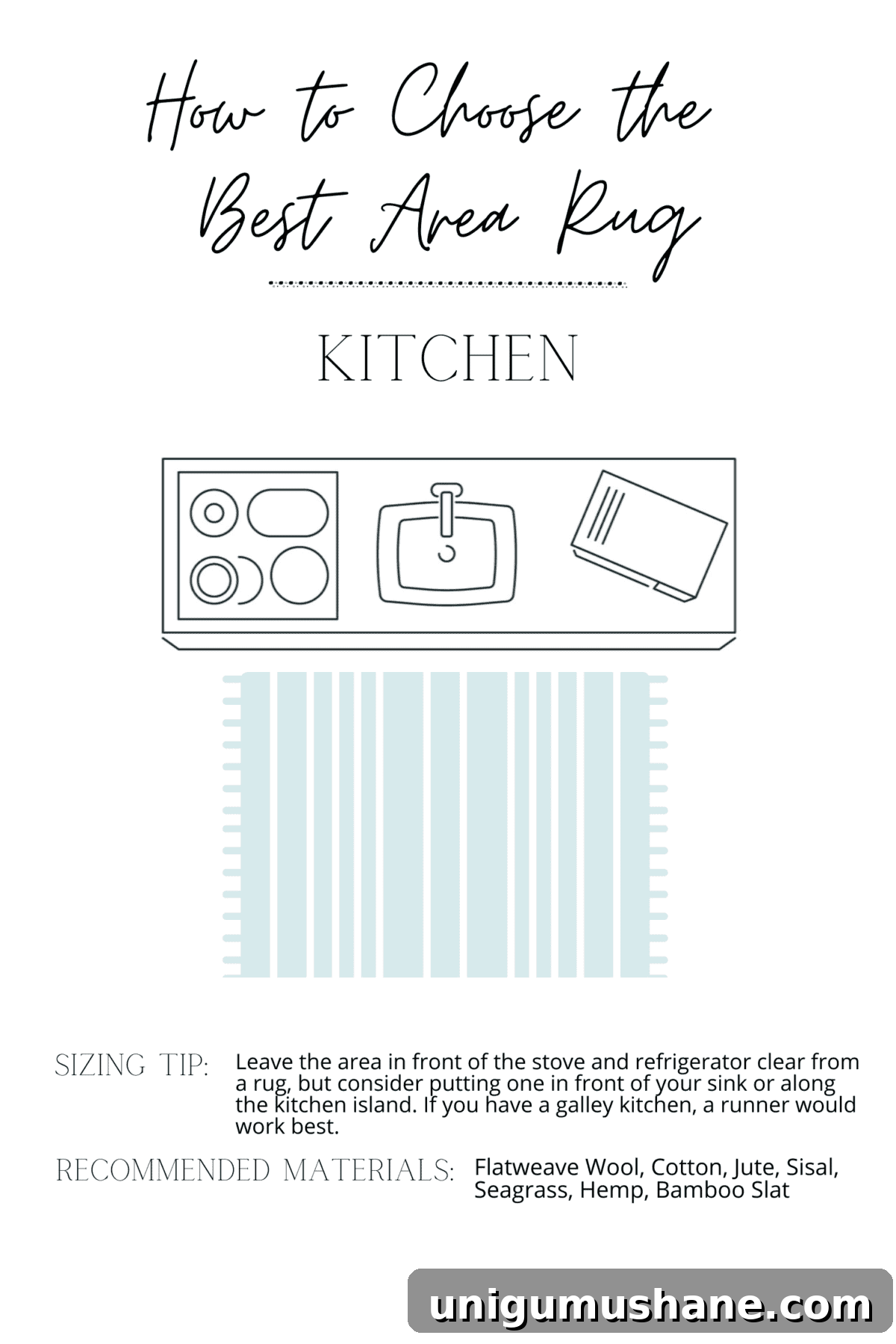
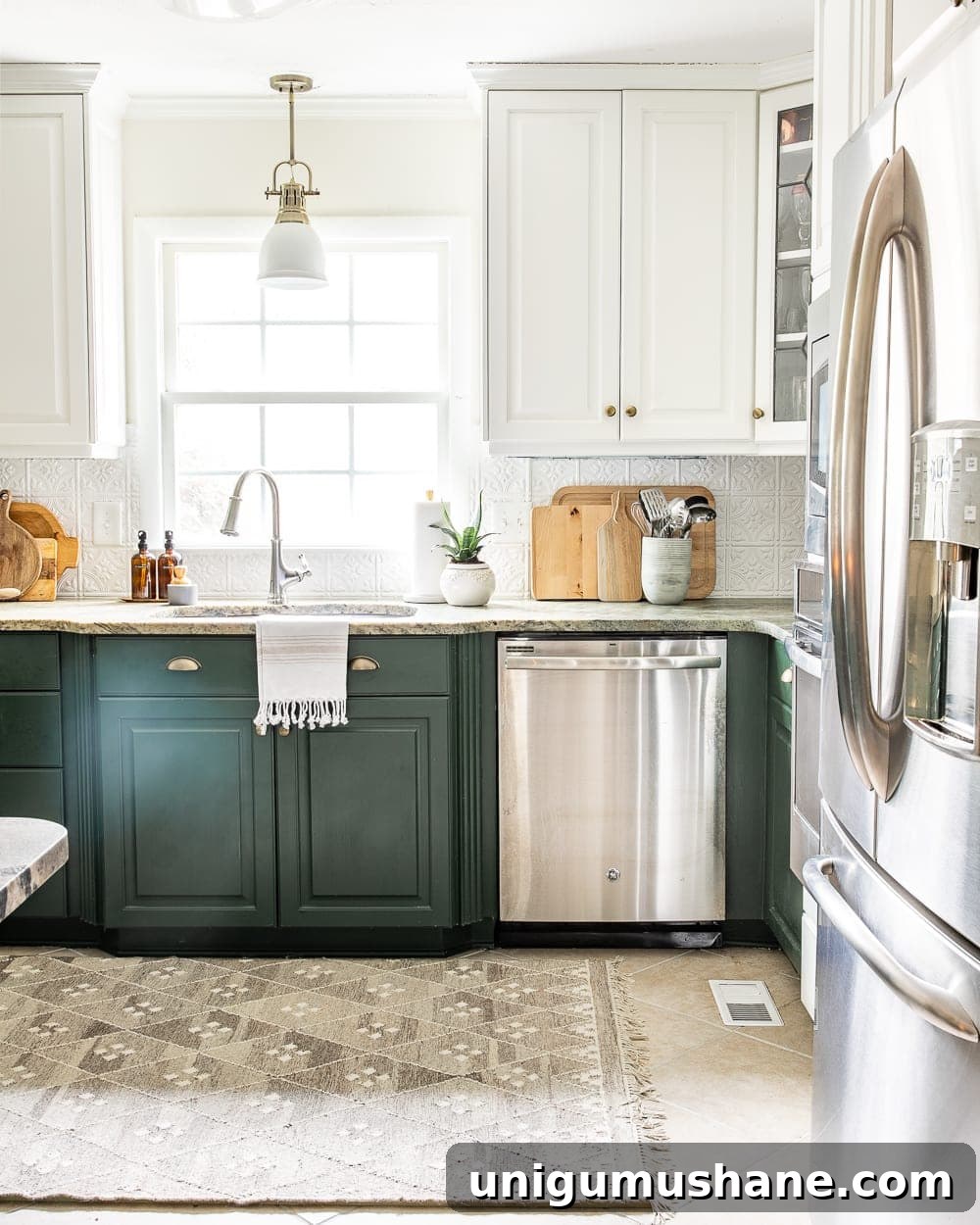
In kitchens, keep rugs away from stove and fridge door clearance, but consider placing rugs in front of the sink, prep areas, or along an island. Runners are ideal for galley kitchens. Low-pile and flatweave rugs in wool, cotton, jute, sisal, seagrass, hemp, or bamboo slat are practical because they’re easier to clean and less likely to trap food crumbs.
Open Concept Spaces
When you have an open concept layout, use rugs to define and ground each area while keeping visual cohesion across the whole space. Choose rugs that share a similar color palette, scale, or construction but don’t match exactly. For example, a blue striped flatweave in the living area can pair nicely with a blue-checked flatweave in the dining area—same color family and geometric language, different patterns.
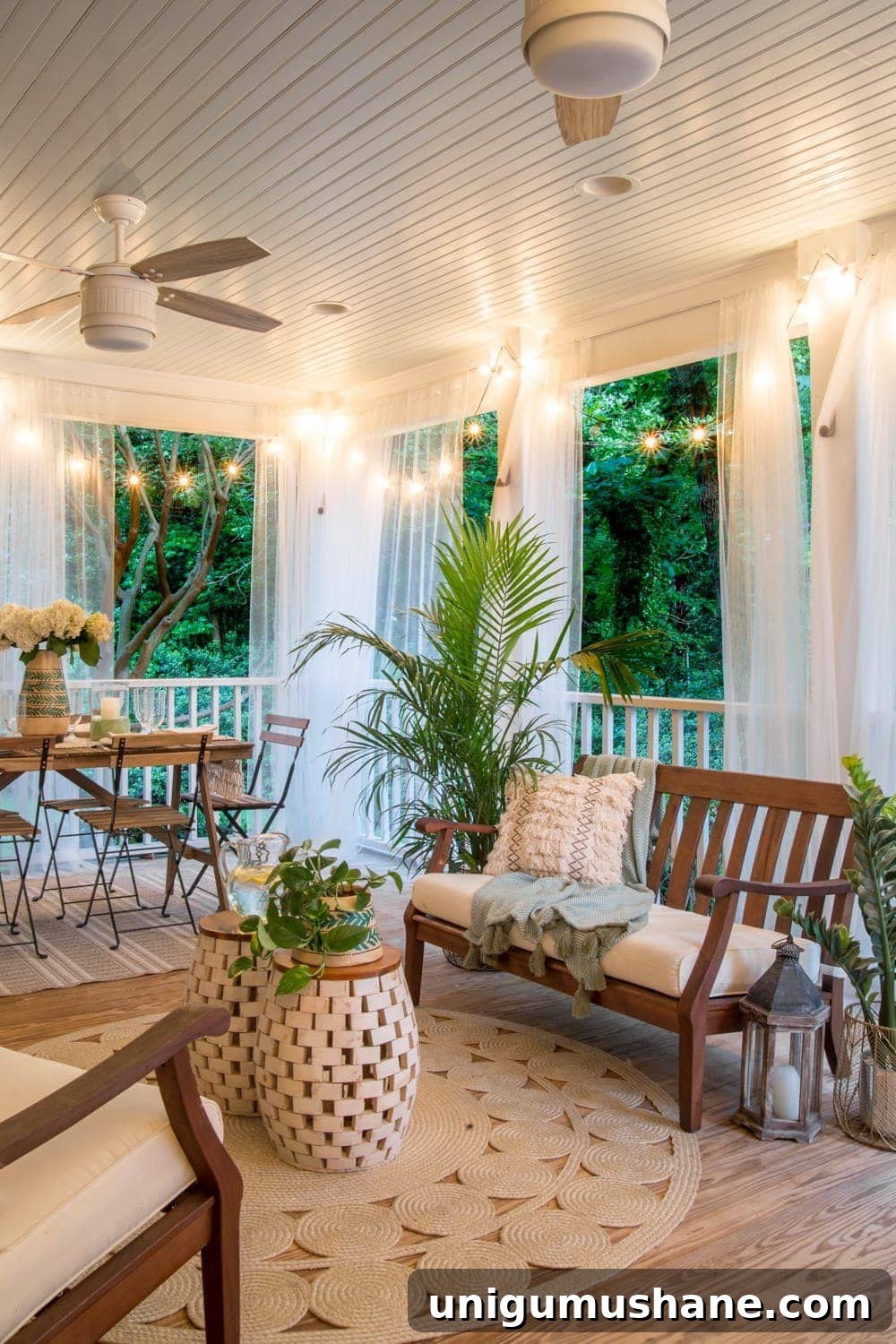
Favorite pairings for open floor plans
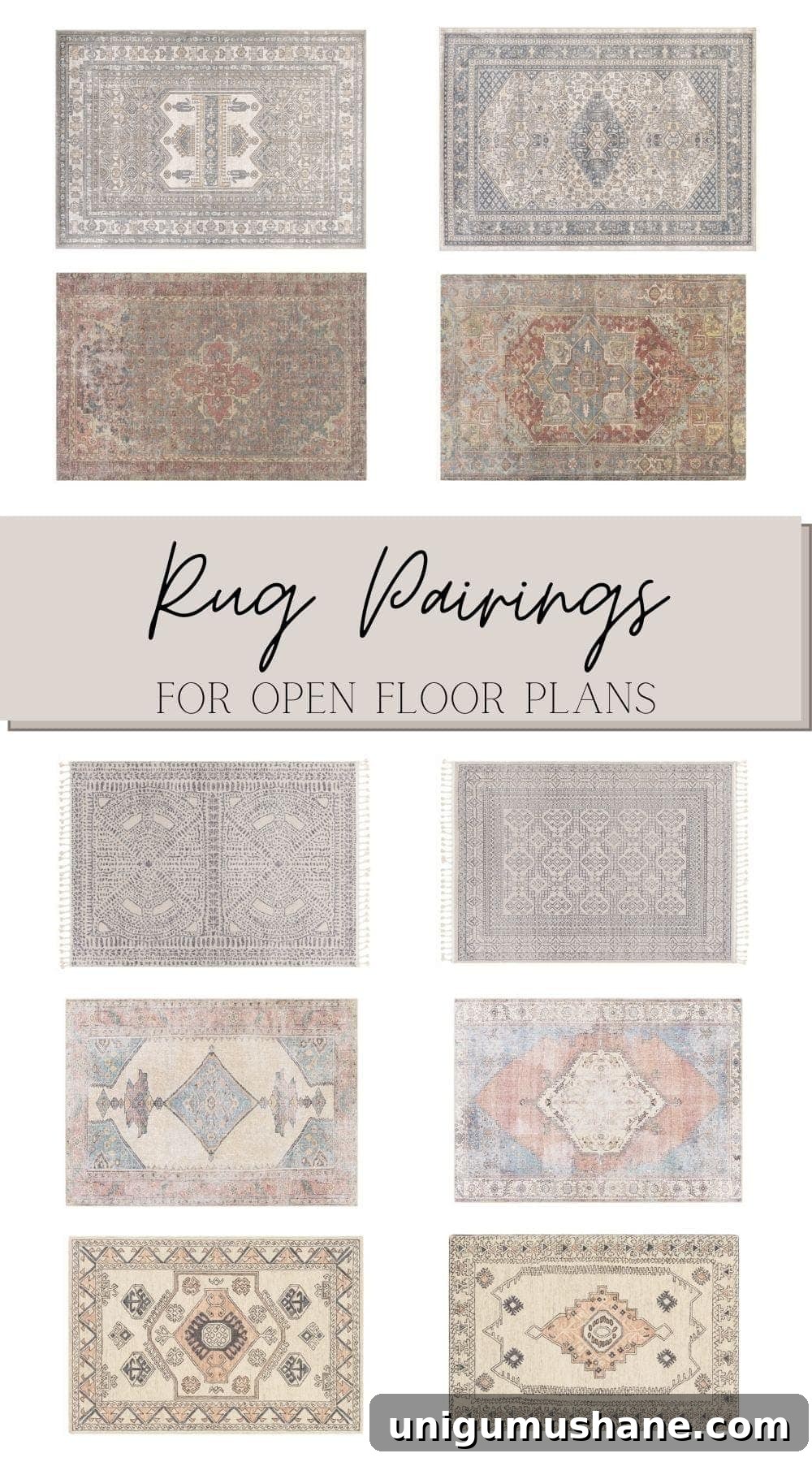
Pair rugs that share color families, complementary patterns, and similar pile heights—this creates harmony without matching everything exactly.
Budget-friendly rug ideas
Look for flatweave, synthetic-blend, or natural-fiber options for affordable durability. Simple patterns and neutral tones often provide the most design flexibility for less cost.
Rugs can be an investment in both comfort and design. With the right size, material, and placement, a rug will anchor your room, protect floors, and enhance your home’s style. I hope this guide makes rug shopping easier and more enjoyable.