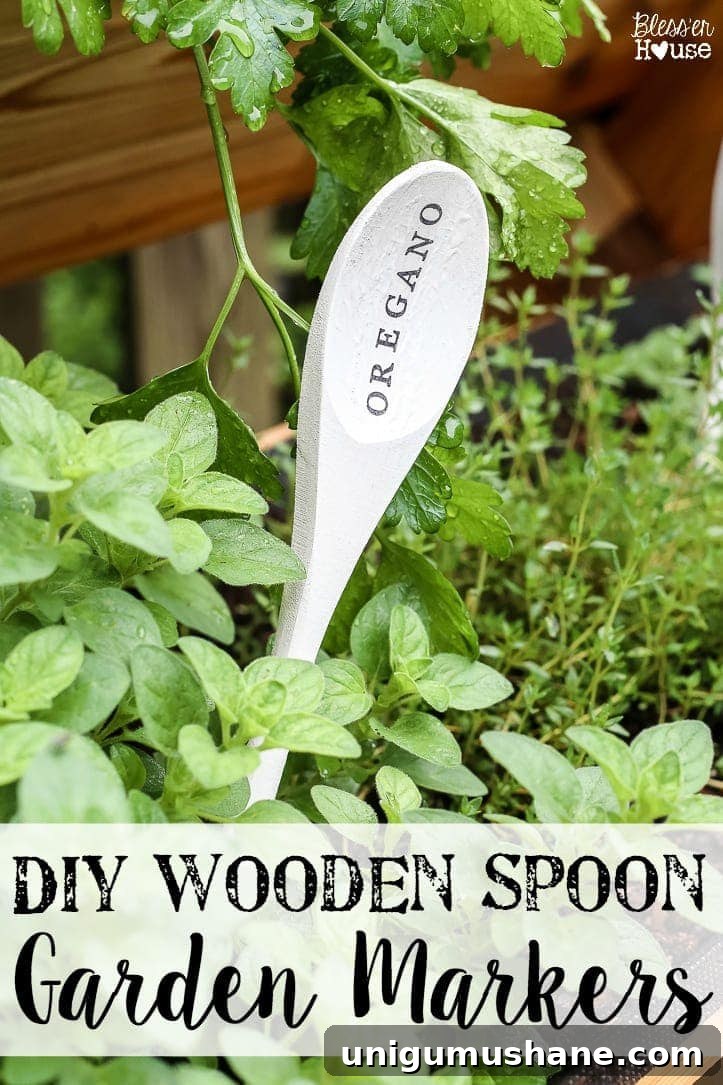
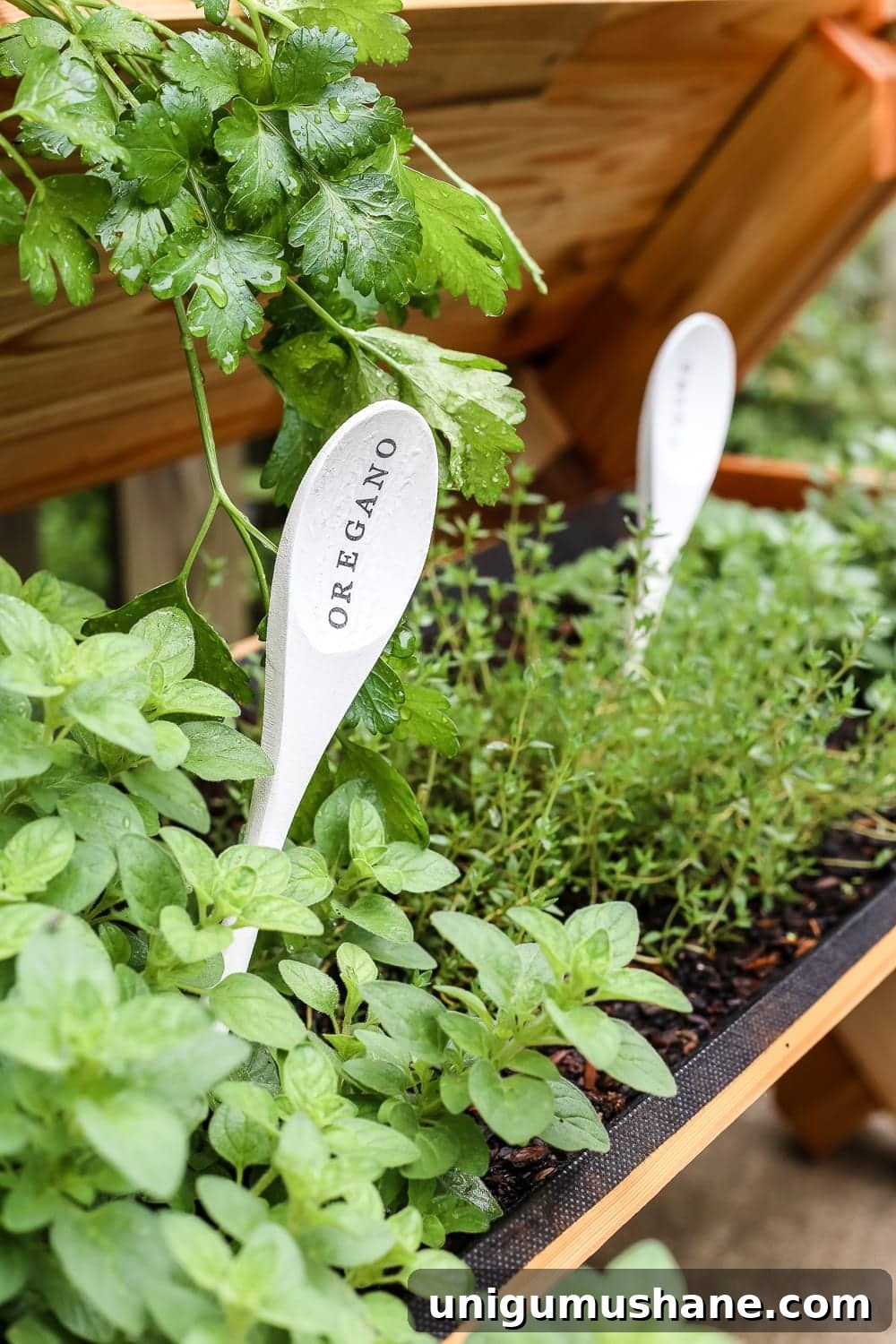
DIY Wooden Spoon Herb Garden Markers
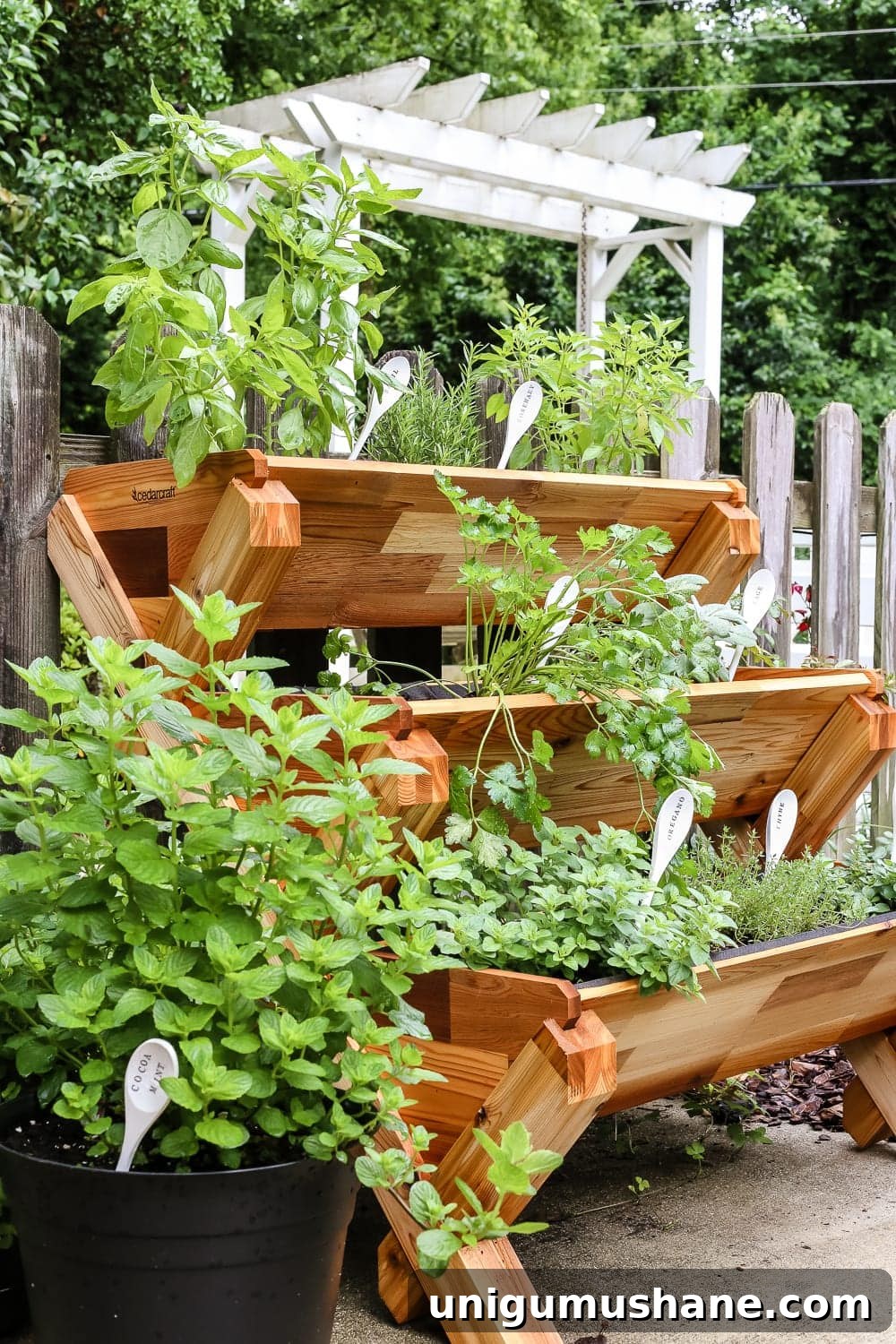
Have you seen that Lowe’s commercial about gardening skipping a generation? I’m the one who skipped—my dad is the gardener and I have a history of killing every green thing that enters our yard. Still, he believes I can learn, so when we moved into our new house last month, my parents gifted Robert and me a stacked herb garden for the backyard. It was so charming it lit a little fire under me to try and actually grow something this time.
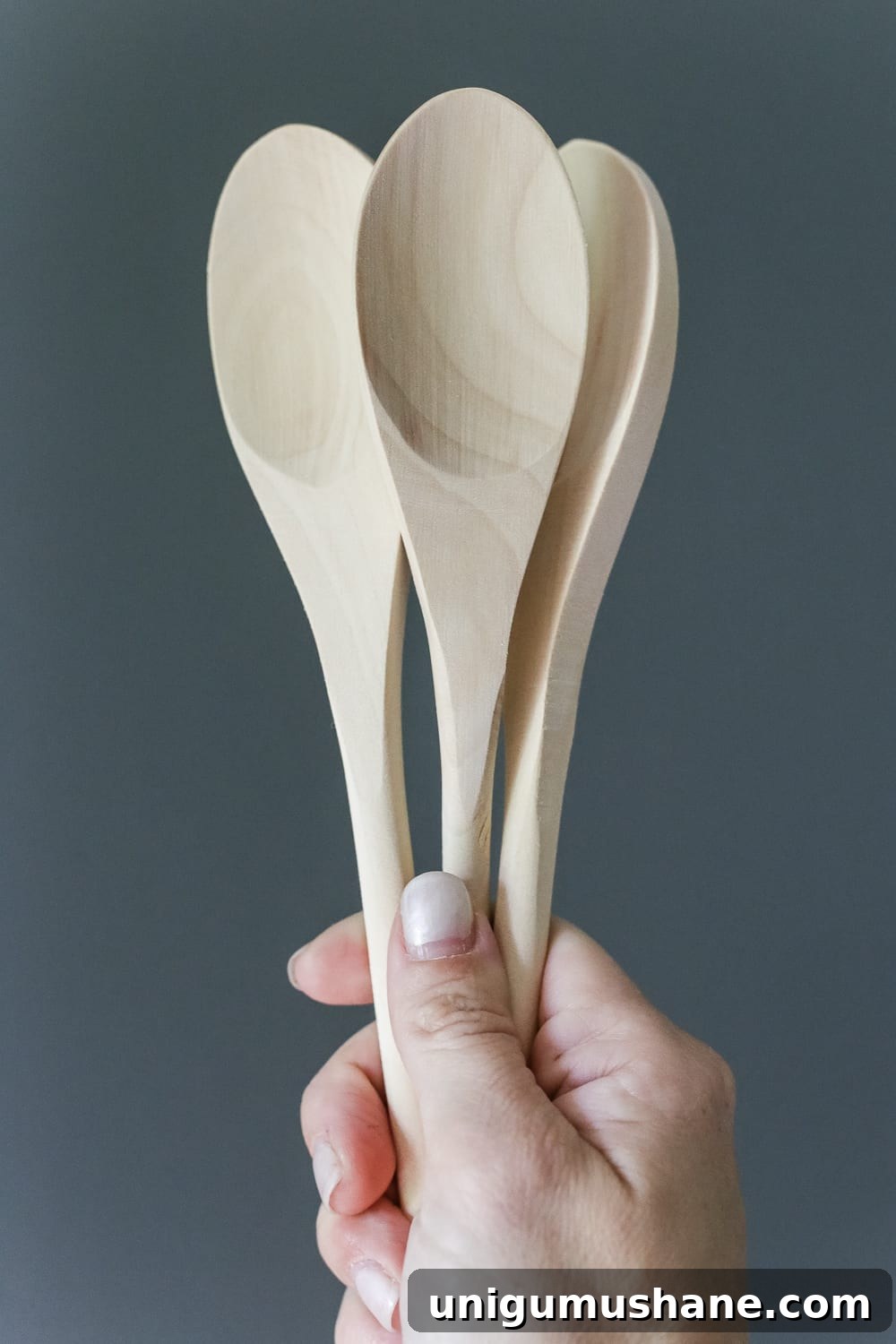
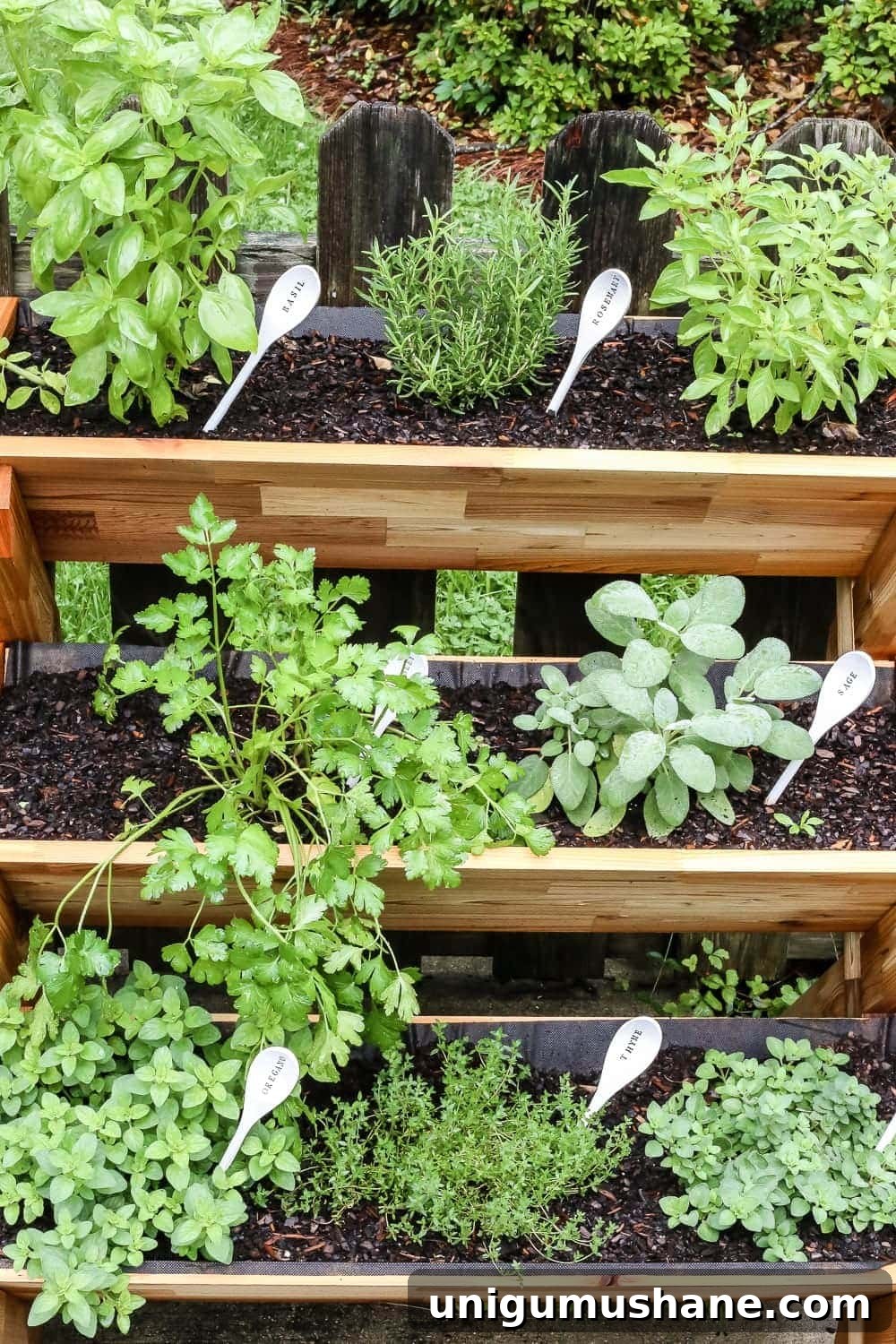
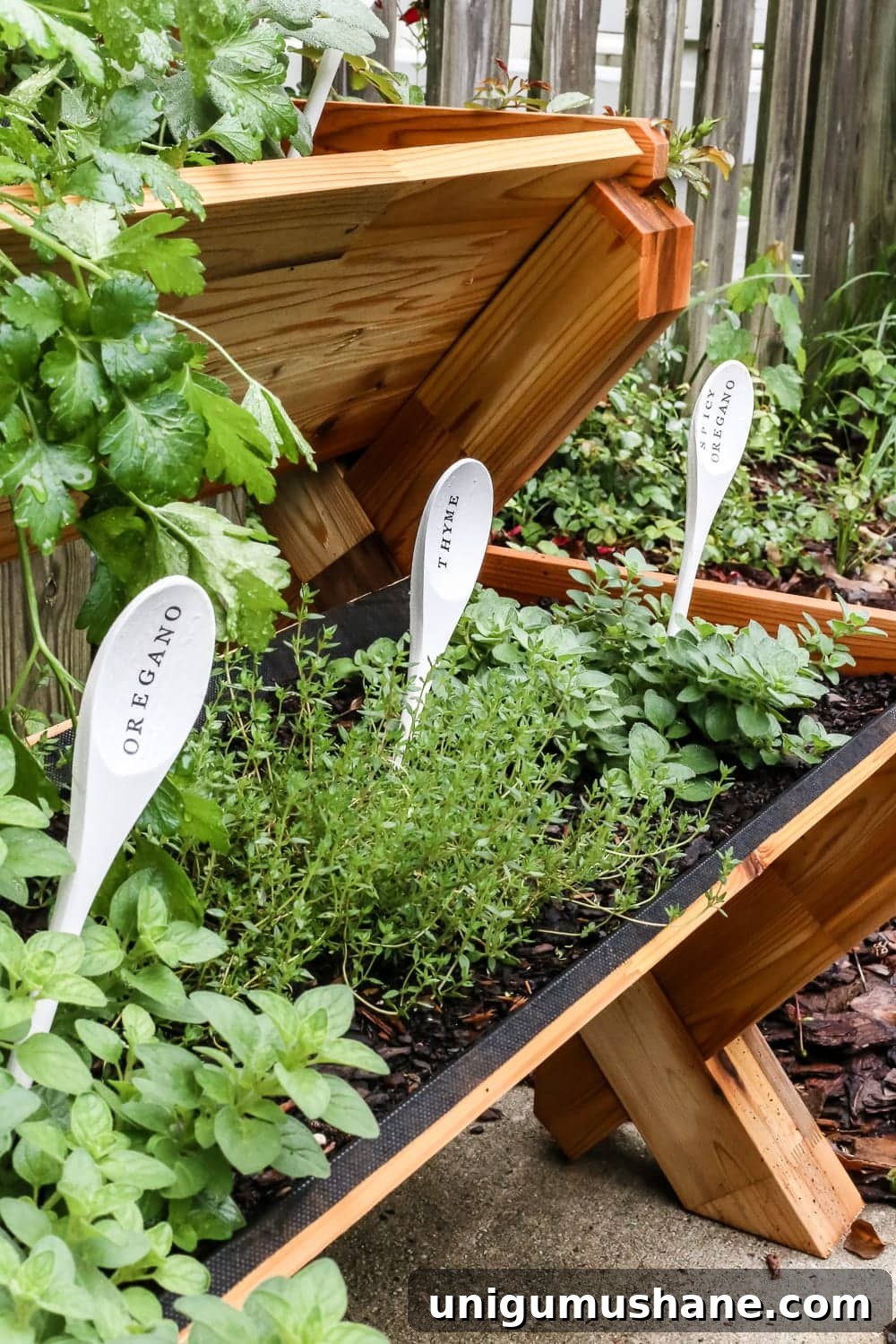
To complement the new herb garden, I decided to make cute garden markers. I wanted something with a vintage vibe but easy and inexpensive. Wooden spoons fit the bill—about a dollar each at the dollar store—and they make such sweet markers.
Supplies Used
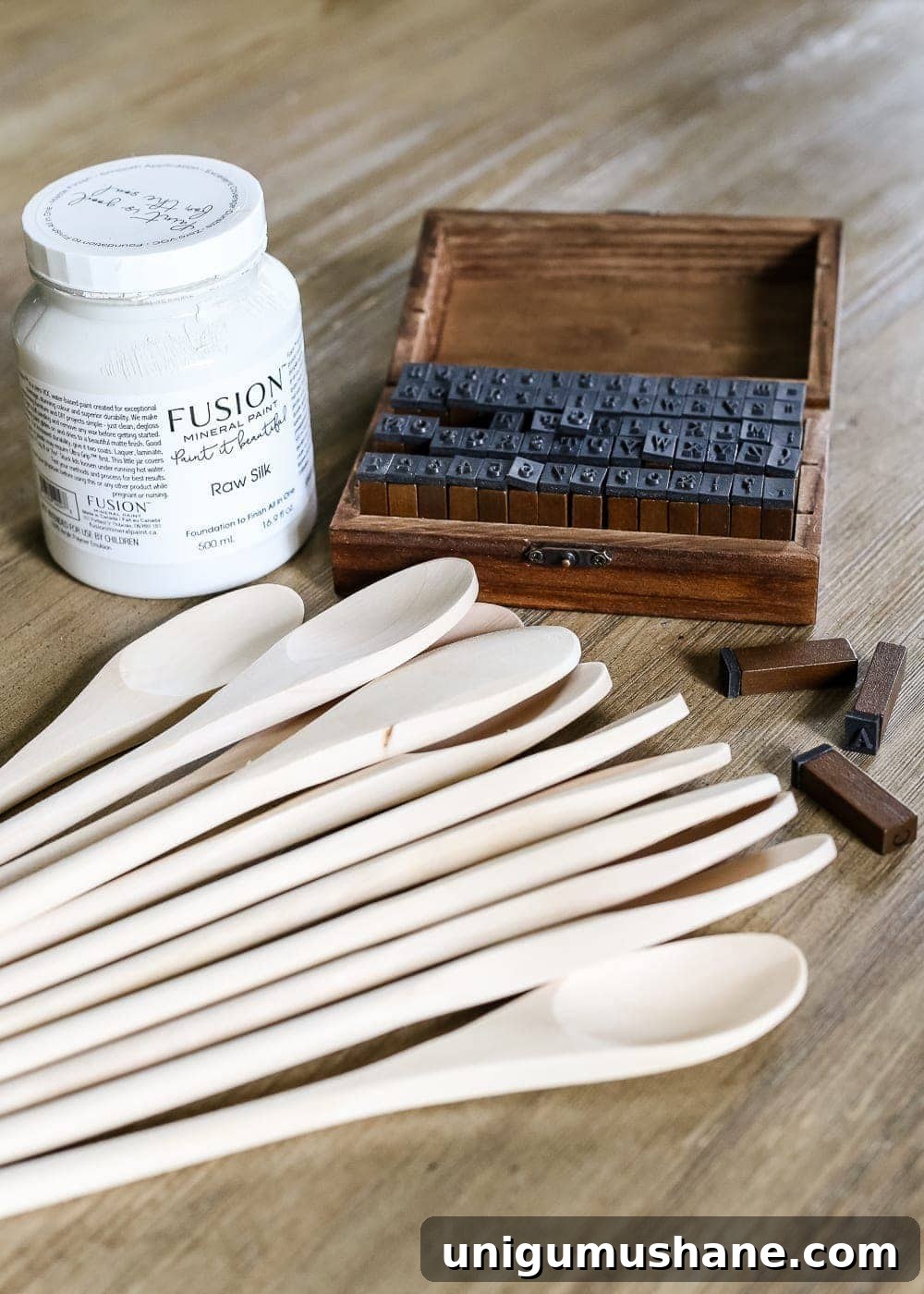
You don’t need many materials to make these markers. I kept mine simple so a child can help, too.
- Pack of wooden spoons
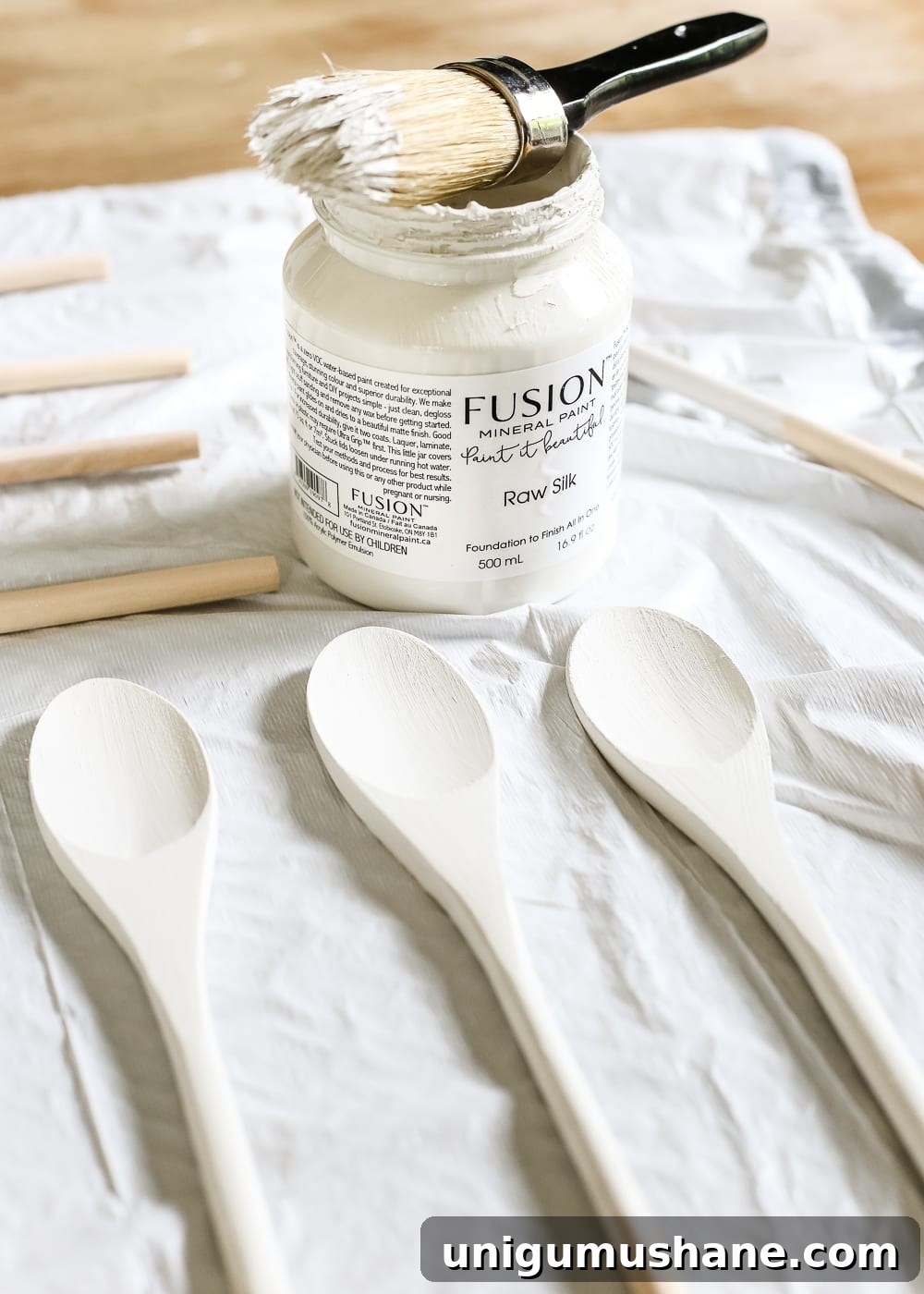
- White outdoor acrylic paint (I used leftover Fusion Mineral Paint in Raw Silk, which works outdoors)
- Stamp set and ink pad (or borrow your child’s stamp set)
- Large artist brush
- Small artist brush
- Pencil
- Straight edge (a flexible ruler or piece of cardstock works)
- Spray spar urethane to seal
How to Make the Markers
Olivia and I painted both sides of the spoons with one light coat of white paint and let them dry. After about an hour they were ready for the next step.
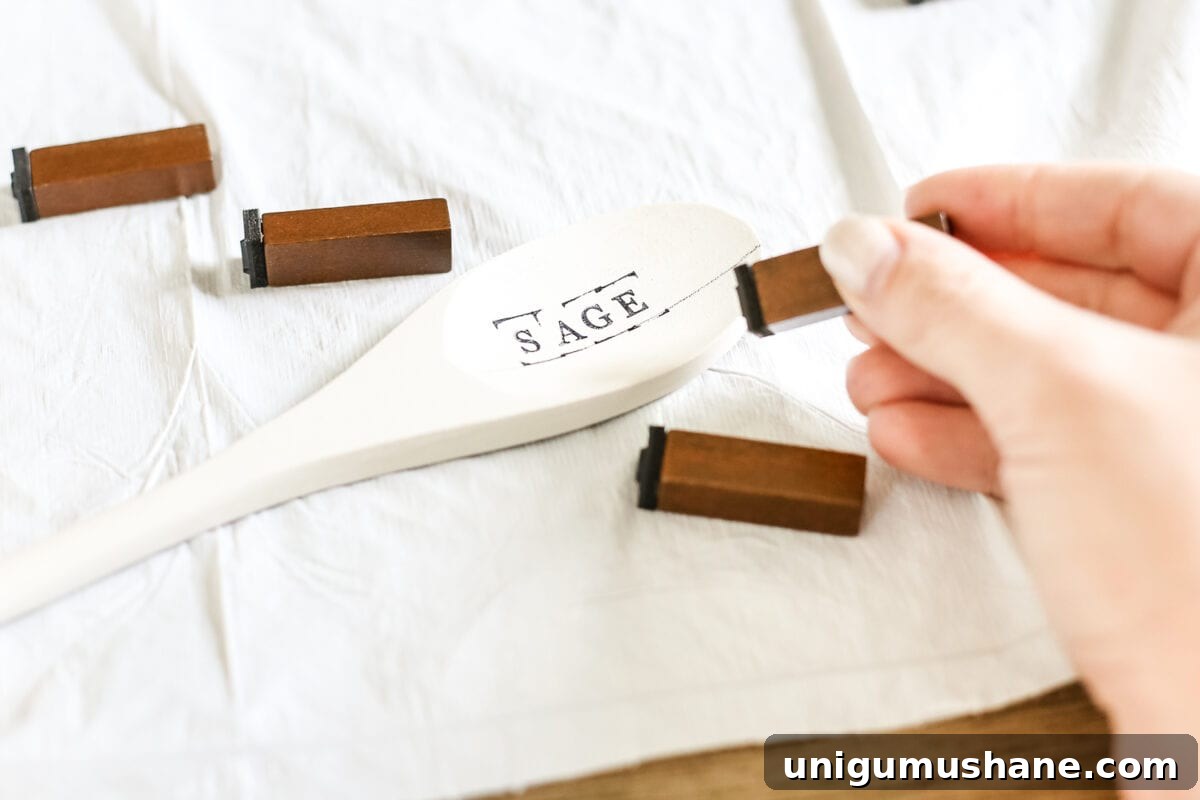
Using a pencil and a straight edge, I drew a faint guideline on each spoon where the stamped word would go. Then I stamped the herb names. The charm of these is their imperfection—don’t worry if the letters aren’t perfect or perfectly centered.
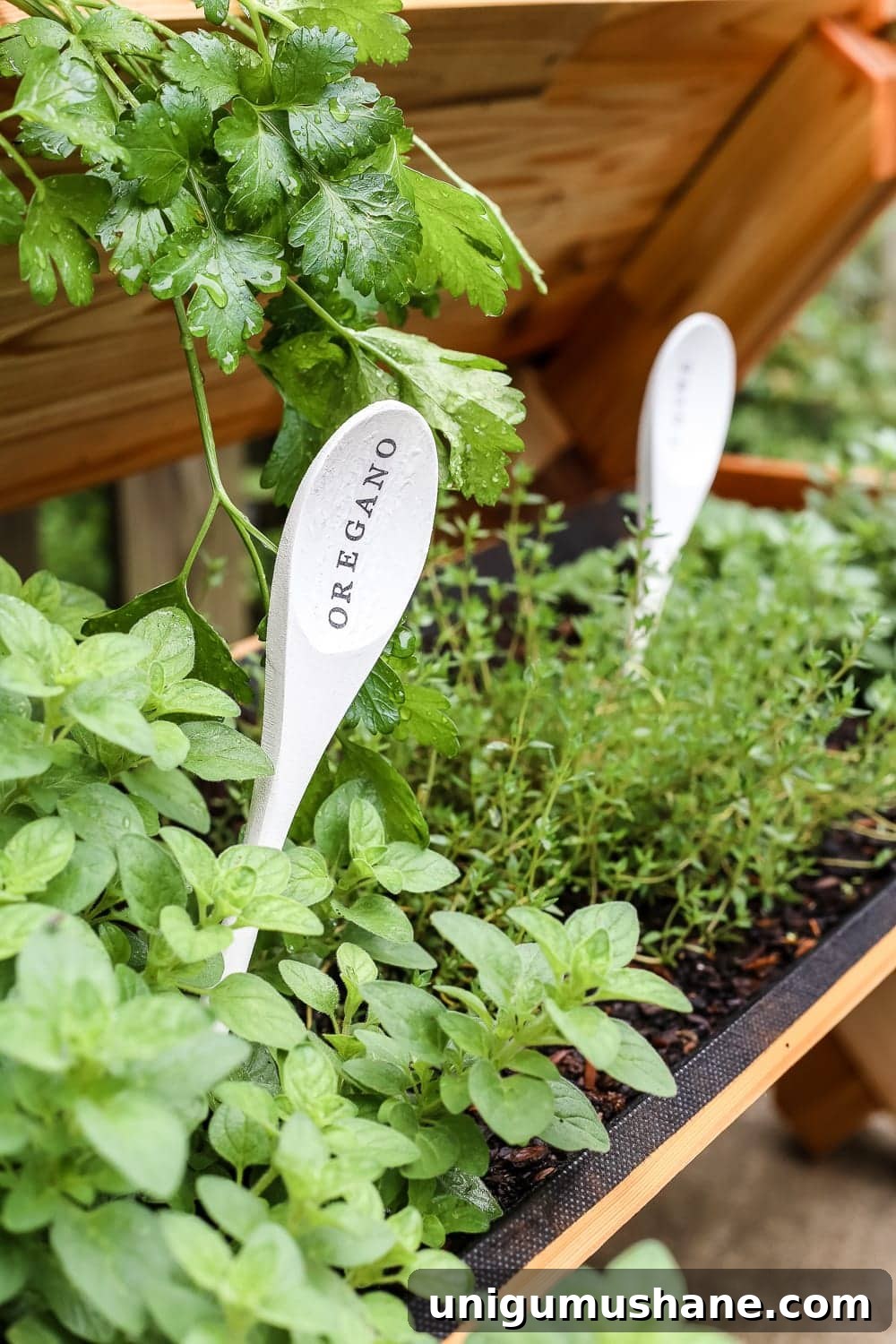
If the stamps left a pencil or ink outline, I touched those areas up with a small brush and more white paint so the letters remained crisp. To protect the ink and paint from the elements, give each spoon three light coats of spray spar urethane, allowing each coat to dry between applications. That’s it—simple, weatherproof, and pretty.
Ideas and Uses
These wooden spoon markers would also be adorable as table numbers for an outdoor wedding or as favors for a bridal shower. They’re inexpensive, easy to personalize, and add a charming, rustic touch to any garden or event.
My dad, the resident gardening pro, found our stacked herb garden at Costco. He also helped last year with a raised bed vegetable garden that did well until a drought wiped out much of it. I’m hopeful this stacked design will fare better, and it’s already showing encouraging growth.
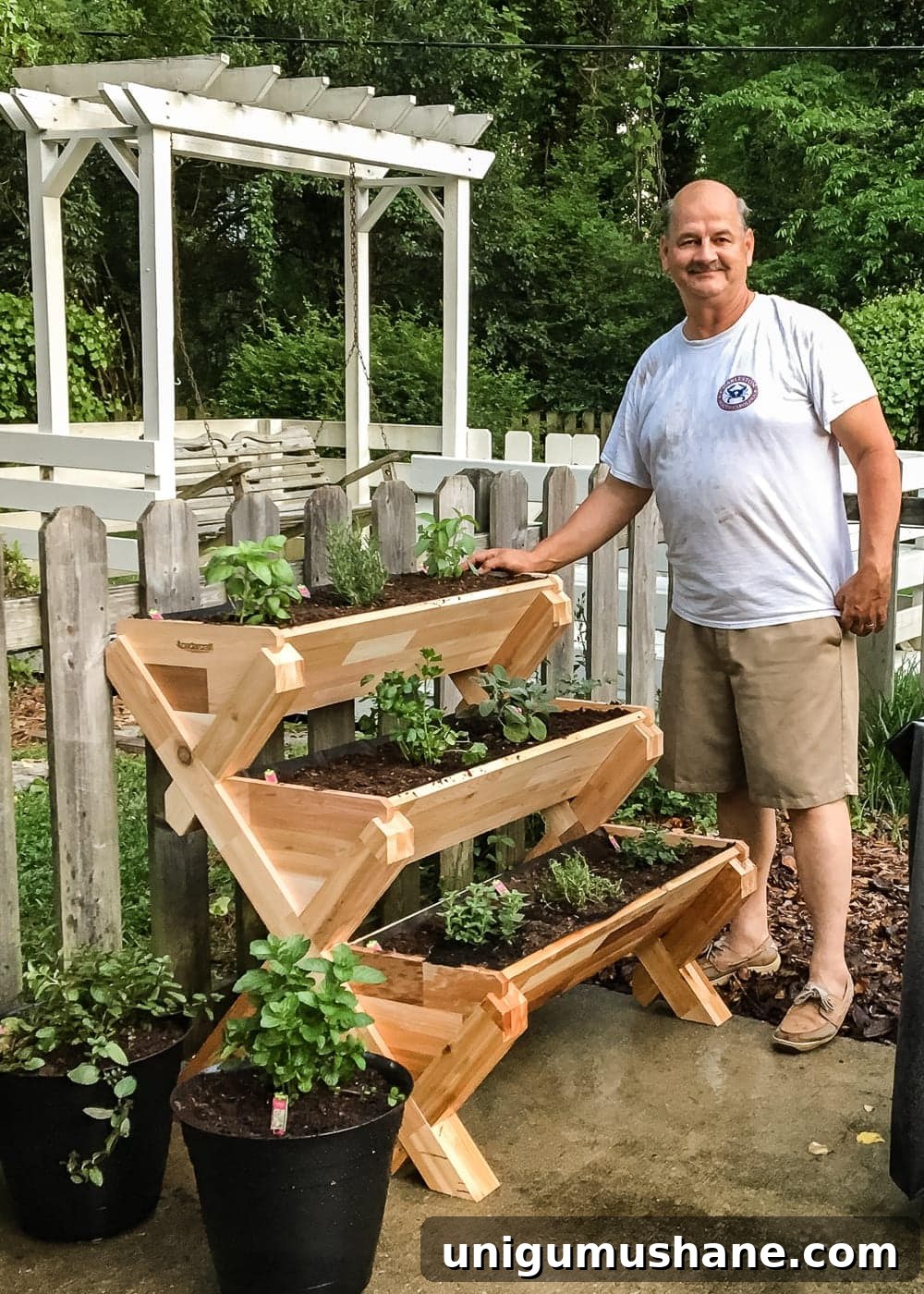
In just a few weeks the herbs grew a surprising amount—proof I’m learning something. The steady rain we’ve had helped, too.
How We Use Our Herbs
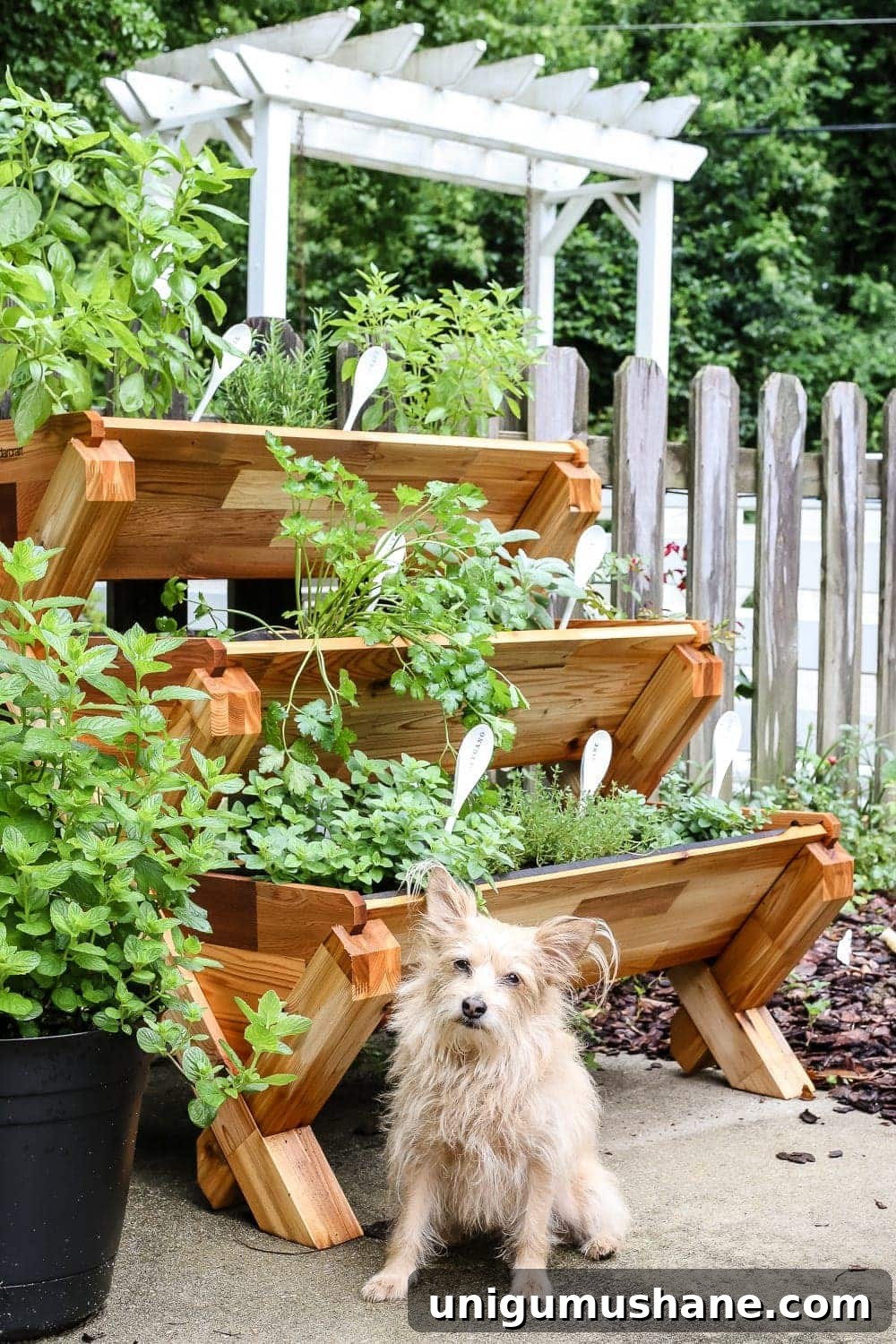
Robert and I are trying to return to healthy Paleo eating after the move, and a nightly ritual has become walking into the backyard with Olivia to snip a few herbs to toss into dinner. She loves smelling each plant and choosing which to use. So far our planter includes basil, oregano, rosemary, sage, thyme, parsley, mint, and spicy oregano (I’m being cautious with the spicy variety for now). My dad also planted lime basil and chocolate mint, which I’m excited to use in cocktails this summer—lime basil mojitos or chocolate mint martinis sound like fun experiments.
And yes, our dog Lola is thrilled by the new garden too—her favorite plant? “Where’s the beef jerky plant?” she seems to ask.
Getting Started Yourself
If you’re a beginner gardener, start small: a stacked herb garden or a few containers is less intimidating than a full vegetable patch. Herbs are forgiving and give quick results, which is encouraging for new gardeners. Keep soil moist, give them morning sun, and snip regularly to encourage growth. Wooden spoon markers are a low-cost, low-effort way to personalize your garden and keep herb names straight.
Do you have plans to grow a garden this summer? Any favorite herbs or simple recipes where fresh herbs make all the difference? I’d love to hear what you’re growing and what you’re cooking.
If you want to save this project for later, feel free to pin the images above to your inspiration board.