
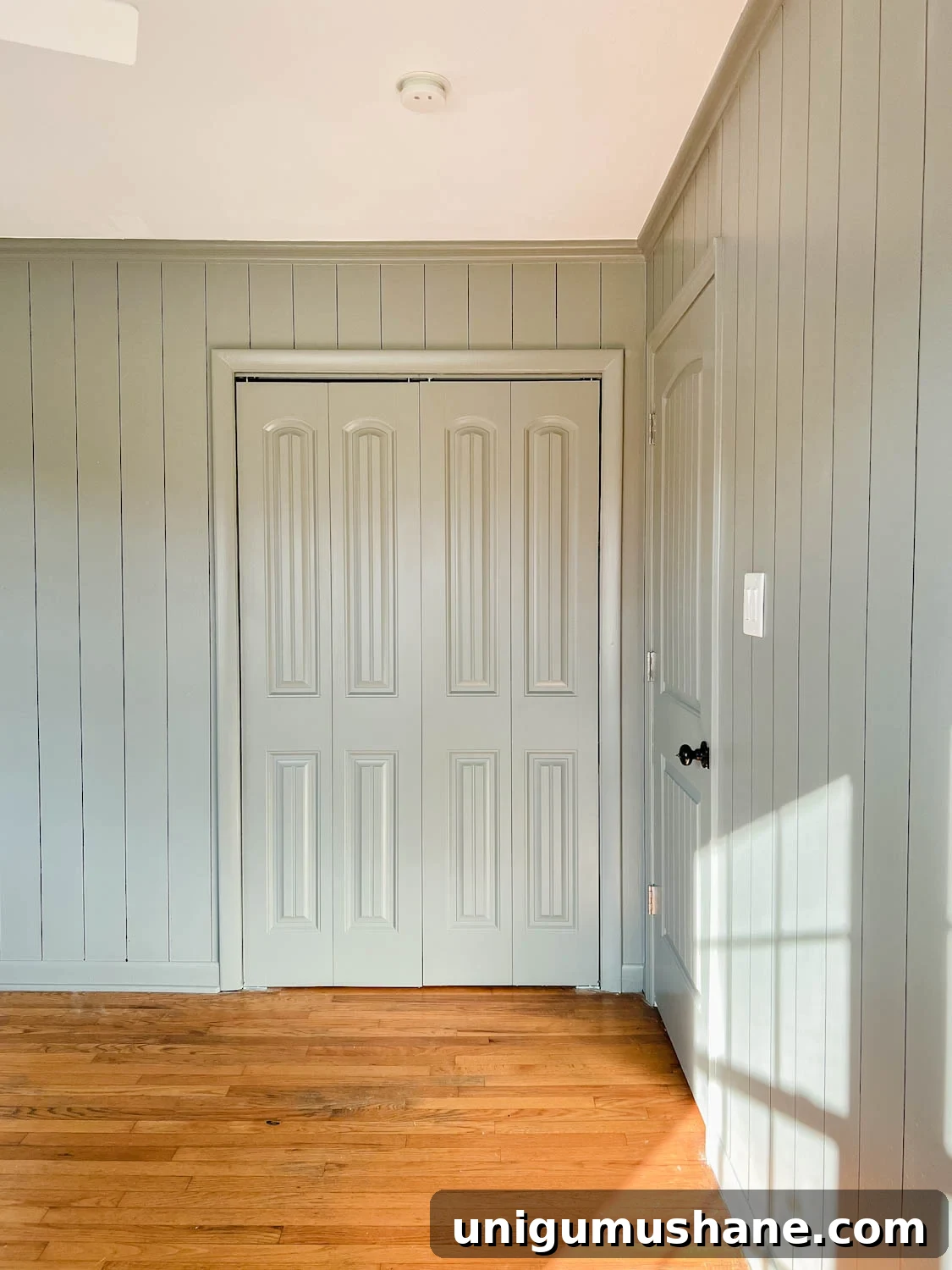
How to install DIY faux wall planking using only a board and a permanent paint pen for a temporary, budget-friendly wall treatment.
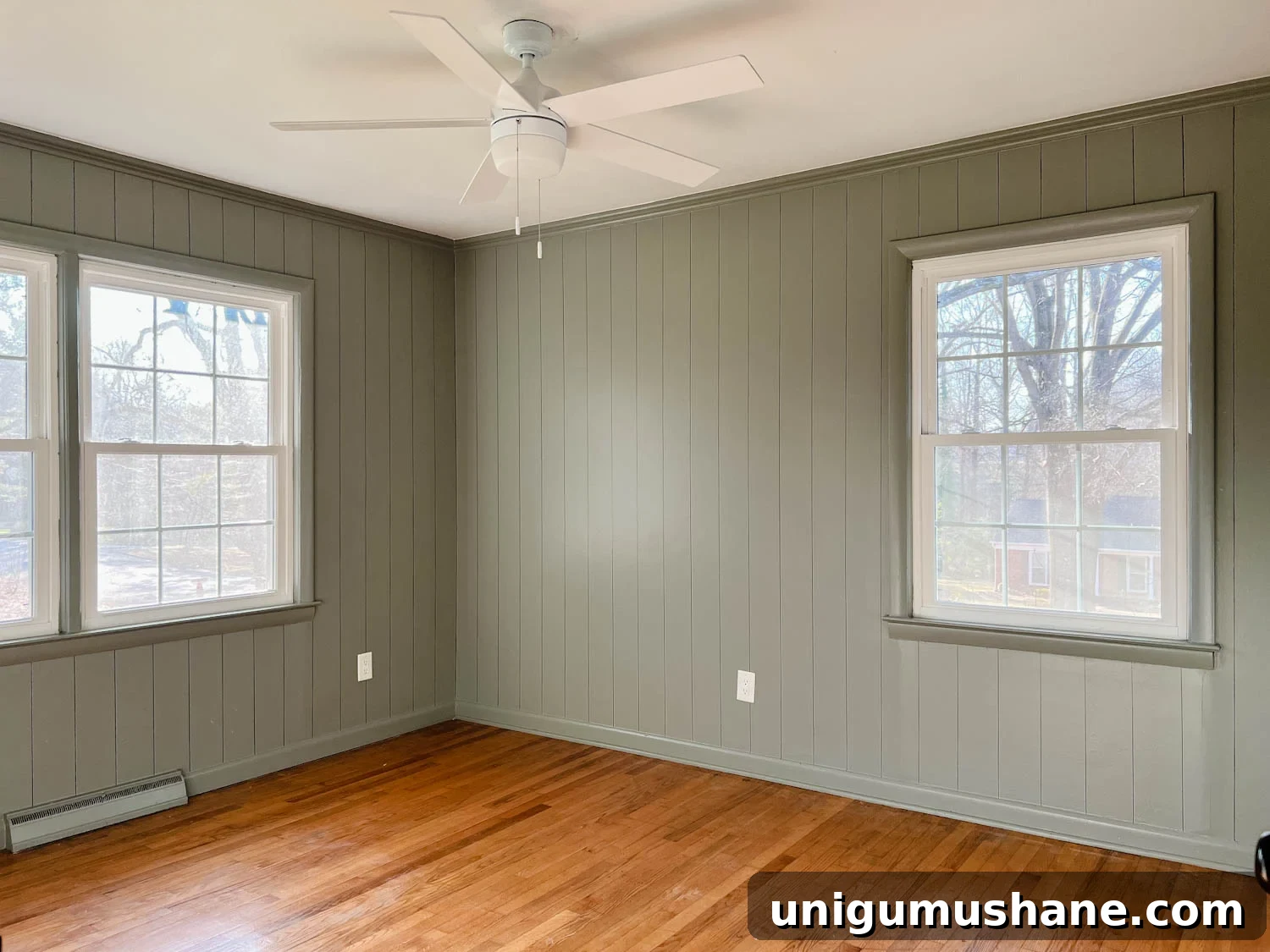
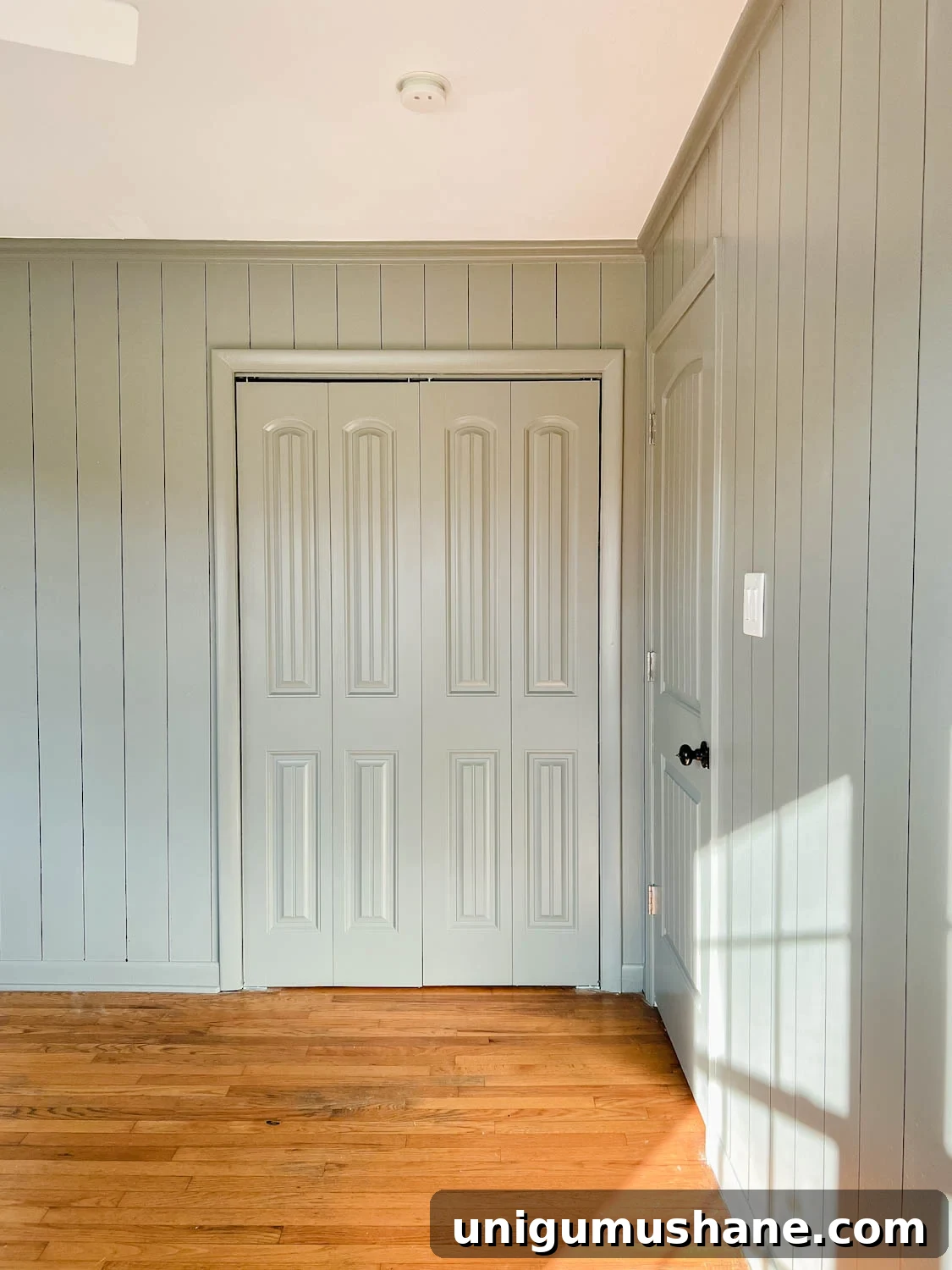
We actually convinced ourselves that we did wall planking across an entire room for roughly $20. If you want to call it true planking, that’s up to you—but visually, these walls read as planked, and the result is impressive for the investment.
Judge for yourself: do these look like planked walls?
The problem with real wall planking
Real wood planking looks beautiful but it has drawbacks:
- Cost: lumber and installation add up quickly.
- Time: installing real planks can take several days.
- Permanence: ripping out planks later often means repairing or replacing drywall.
Because we were updating a shared teen girls’ bedroom, where styles can change fast, we wanted a look that was temporary, affordable, and easy to remove. This faux method solved all three concerns.
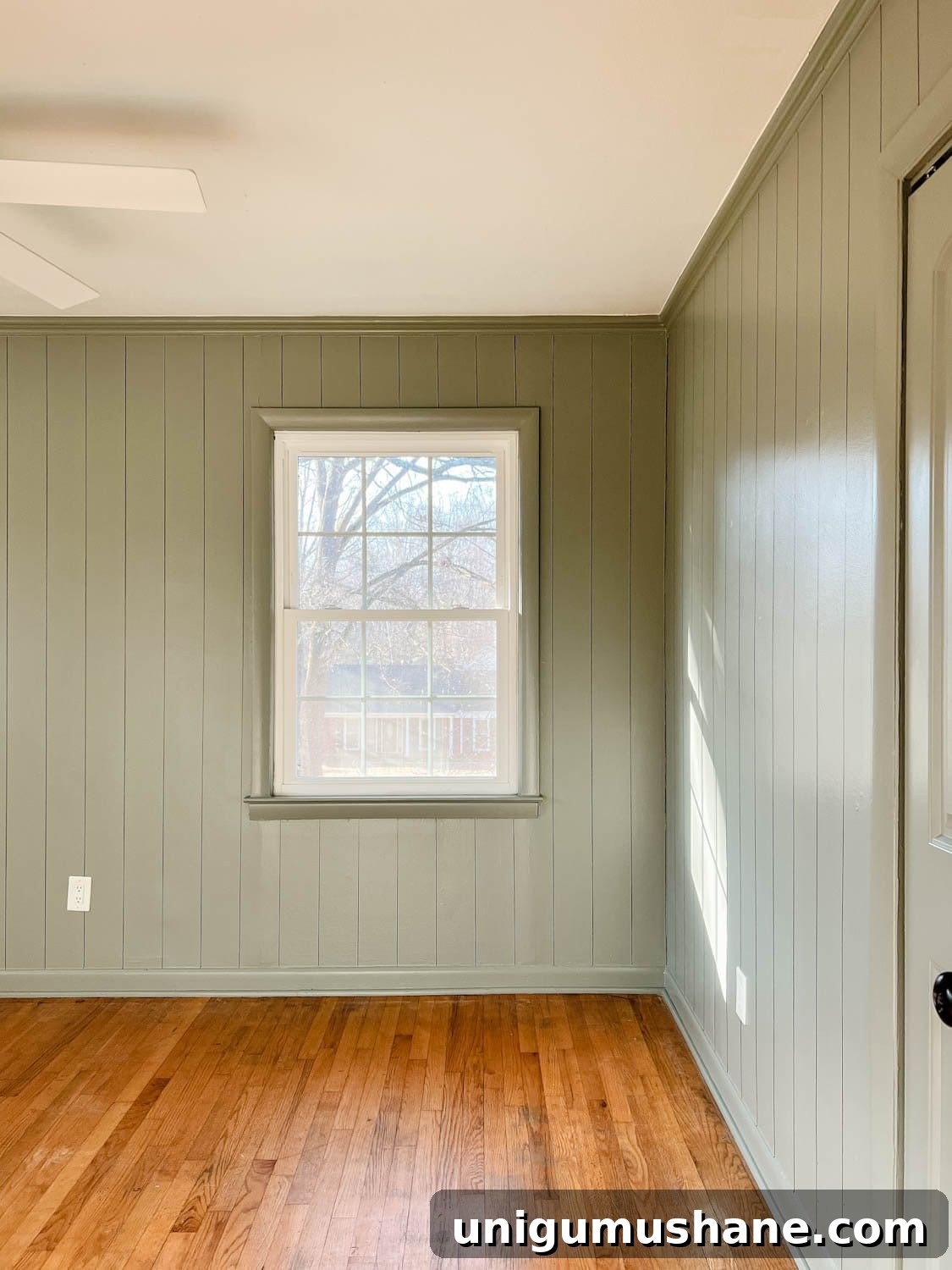
Side note: We painted the walls Sherwin Williams Evergreen Fog—and it was the perfect sage-green backdrop for this project.
When to use faux wall planking
This faux wall planking is ideal when you want the shiplap or paneled look without the expense or permanence. It’s great for kids’ rooms, rental spaces (if painting is allowed), or for anyone who wants to “try on” a trend before committing. If you decide you don’t love it, simply paint over it.
How the faux planked look works
The trick is using an oil-based paint pen to draw crisp, even lines that mimic the gaps between boards. From a distance, the result reads like real board paneling. Compared to peel-and-stick shiplap wallpaper, this method is faster, cheaper, and less frustrating to install.
Supplies
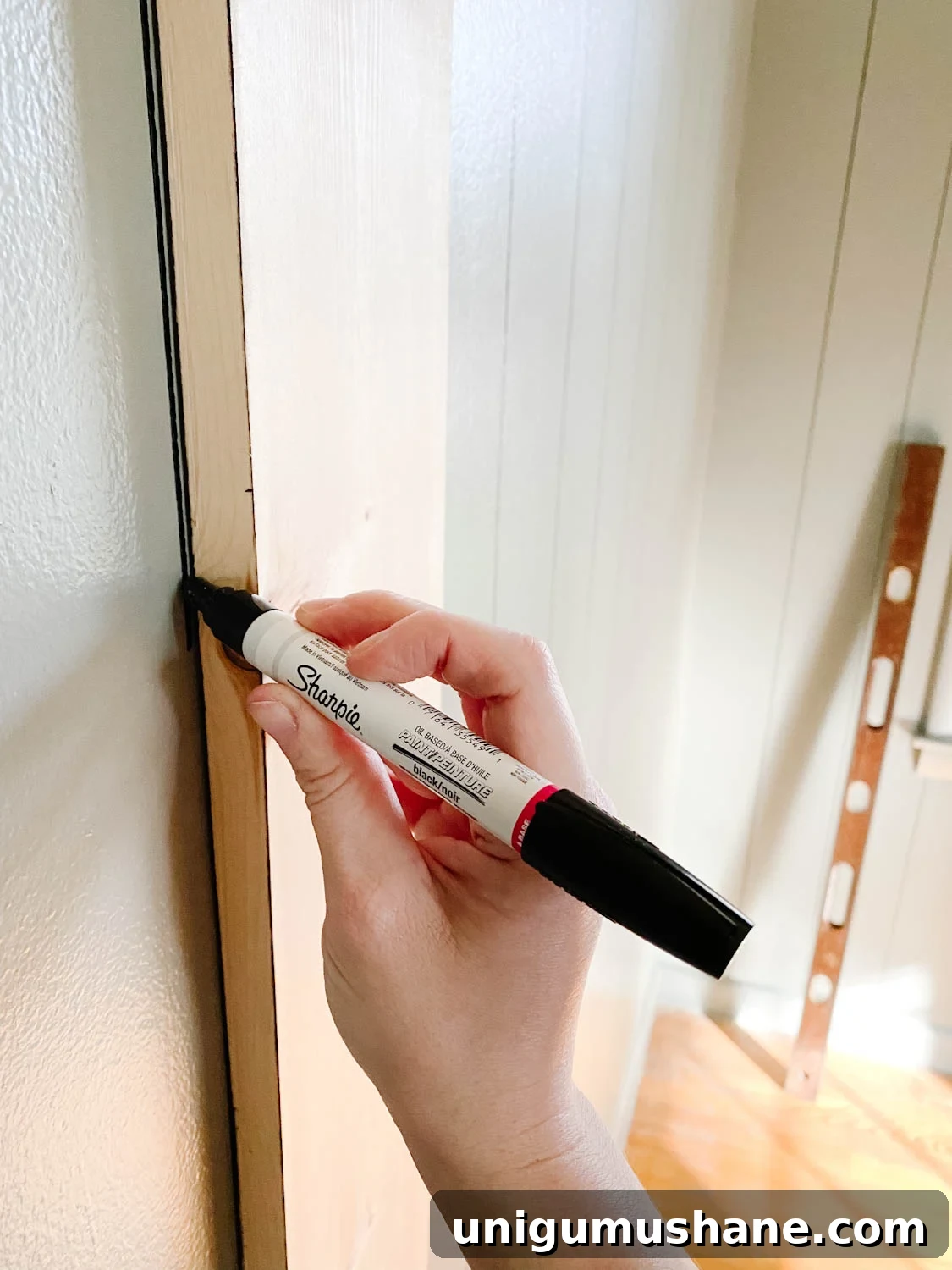
- Black oil-based paint pen (medium point) — regular felt-tip Sharpies are not opaque enough.
- 1x6x8 board (or longer for taller ceilings).
- 1x6x4 board(s) for shorter spacer cuts.
- Level and square.
- Tape measure.
- Circular saw or hand saw for cutting spacers.
- Step ladder.
- An extra pair of hands, if possible, to steady boards and take measurements.
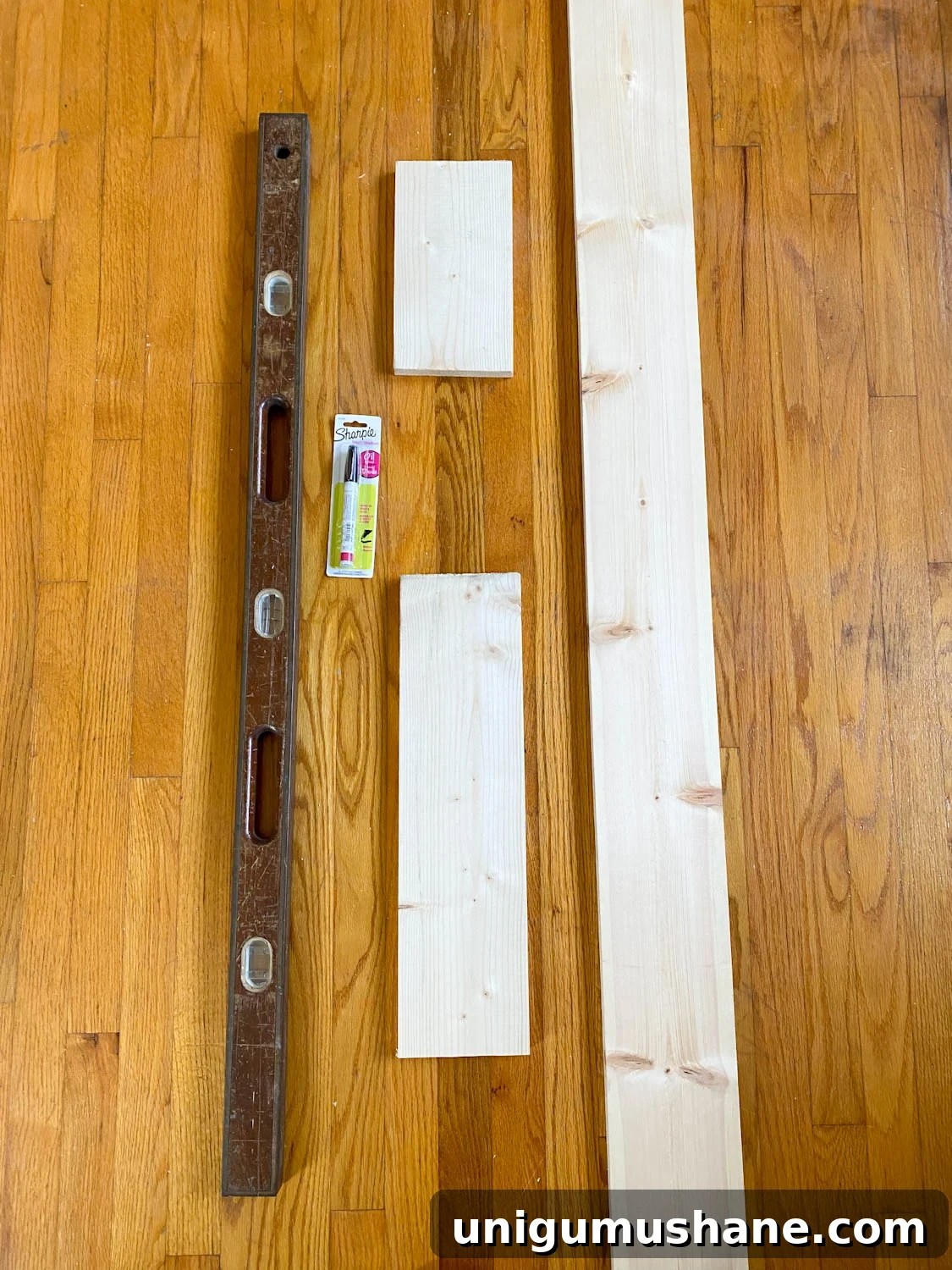
Steps
Measure for spacers
- Measure the vertical gaps you’ll be working between trim: from baseboard to window apron, from window head casing to crown molding, and from baseboard to crown molding where there are no windows. Record those three measurements.
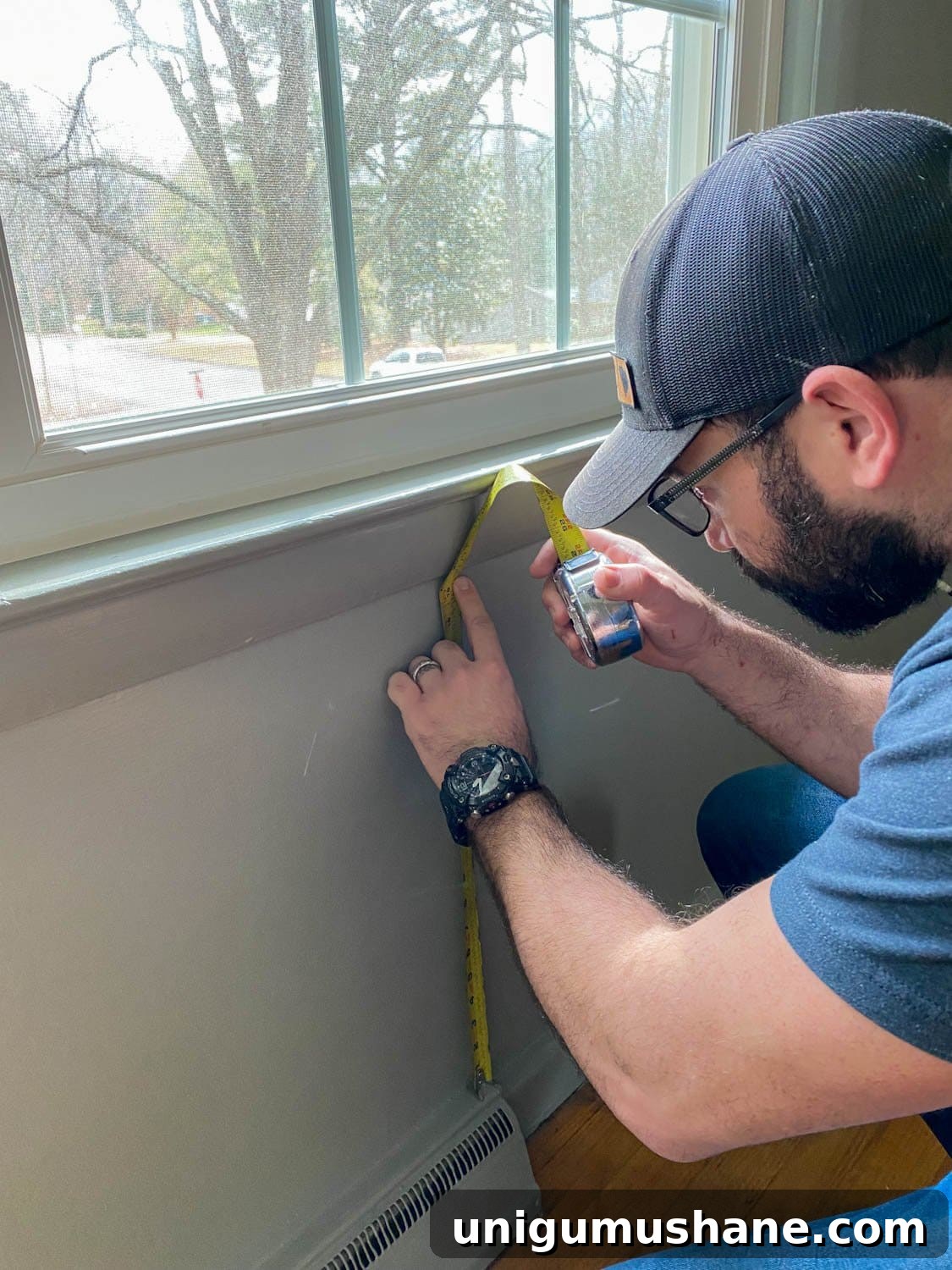
Cut boards for spacers
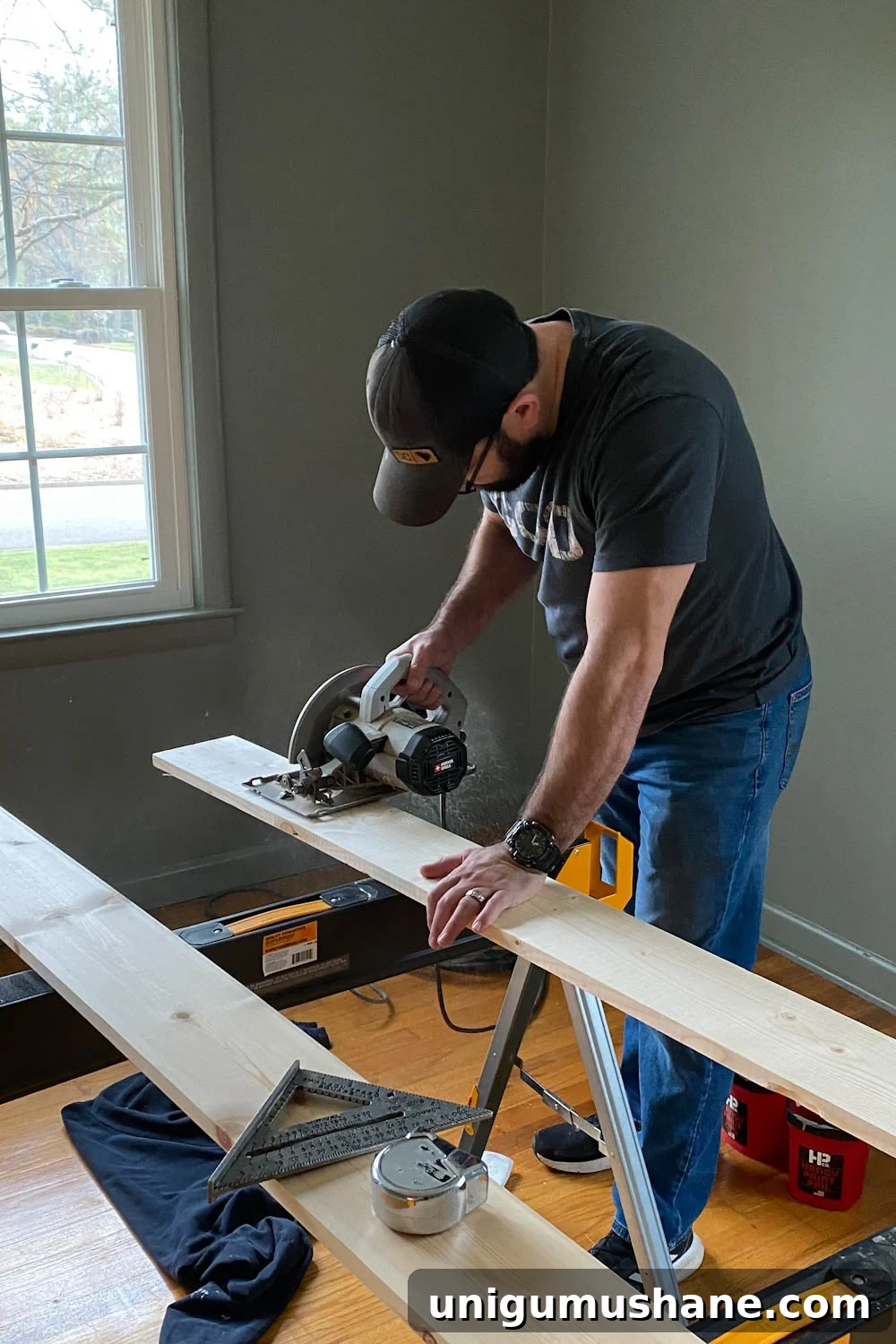
Cut the 1x6x8 board to the longest wall height (minus trim) and cut the 1x6x4 into the shorter spacer lengths for areas above and below windows. These boards act as guides so each drawn line is perfectly spaced and consistent.
Use a level to get started
Begin in a clean corner that lets you work unimpeded. Hold a spacer board vertically against the corner, check that it is plumb with your level, and adjust until it’s perfectly vertical. Being plumb matters more than being perfectly aligned to a crooked corner—this keeps your lines straight across the whole wall.
Trace spacers with the paint pen
With one person steadying the spacer board, have another climb the step ladder and trace a line along the board’s edge with the oil-based paint pen. These pens can take a moment to start; if the flow pauses, blot or depress the tip a few times until paint flows smoothly. Repeat this process, moving the spacer down the wall and tracing each line.
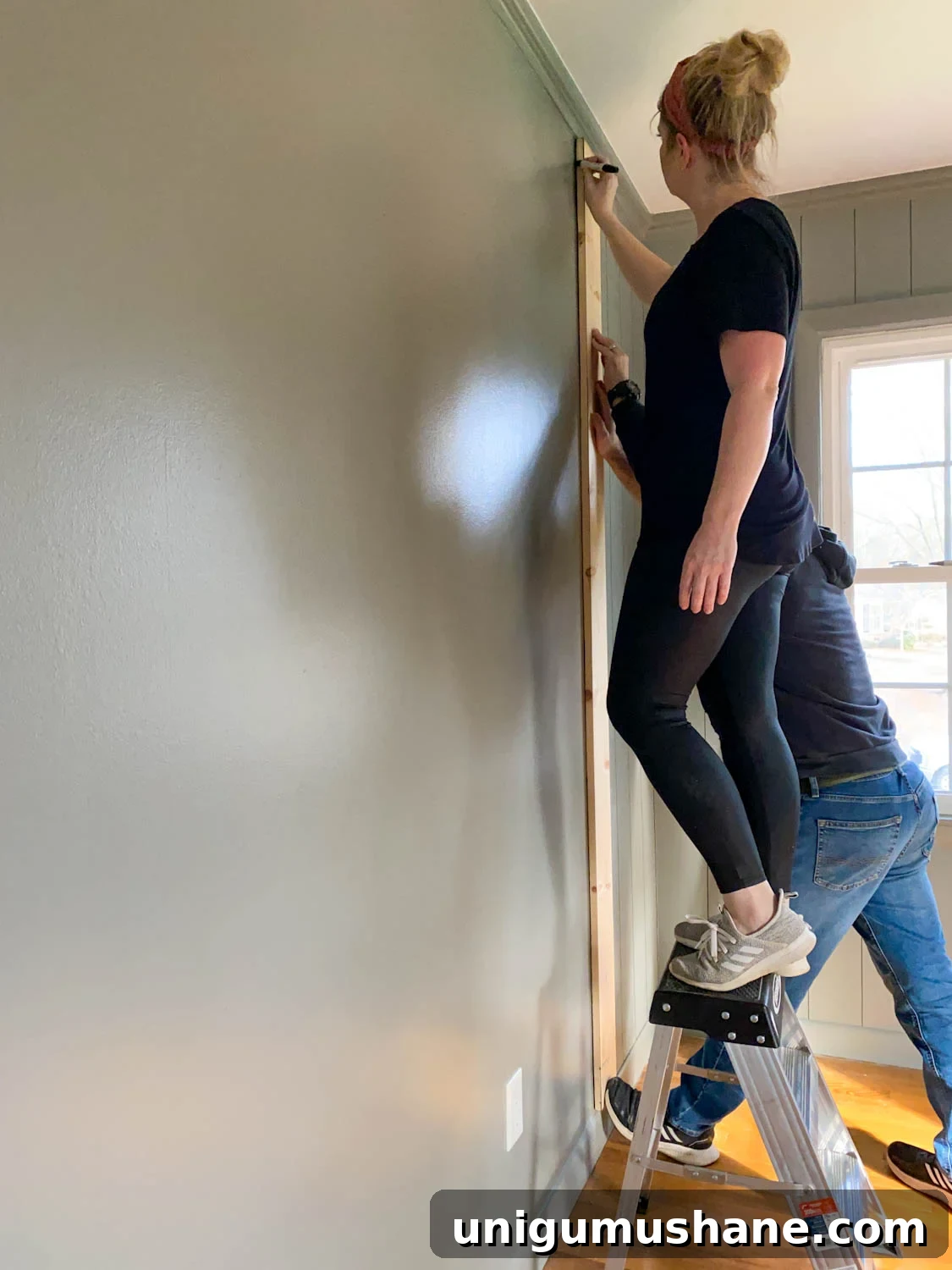
When you reach windows, switch to the shorter spacer pieces and trace around the window areas the same way. Check your work frequently with the level—every 3–4 lines—to ensure nothing drifts crooked.
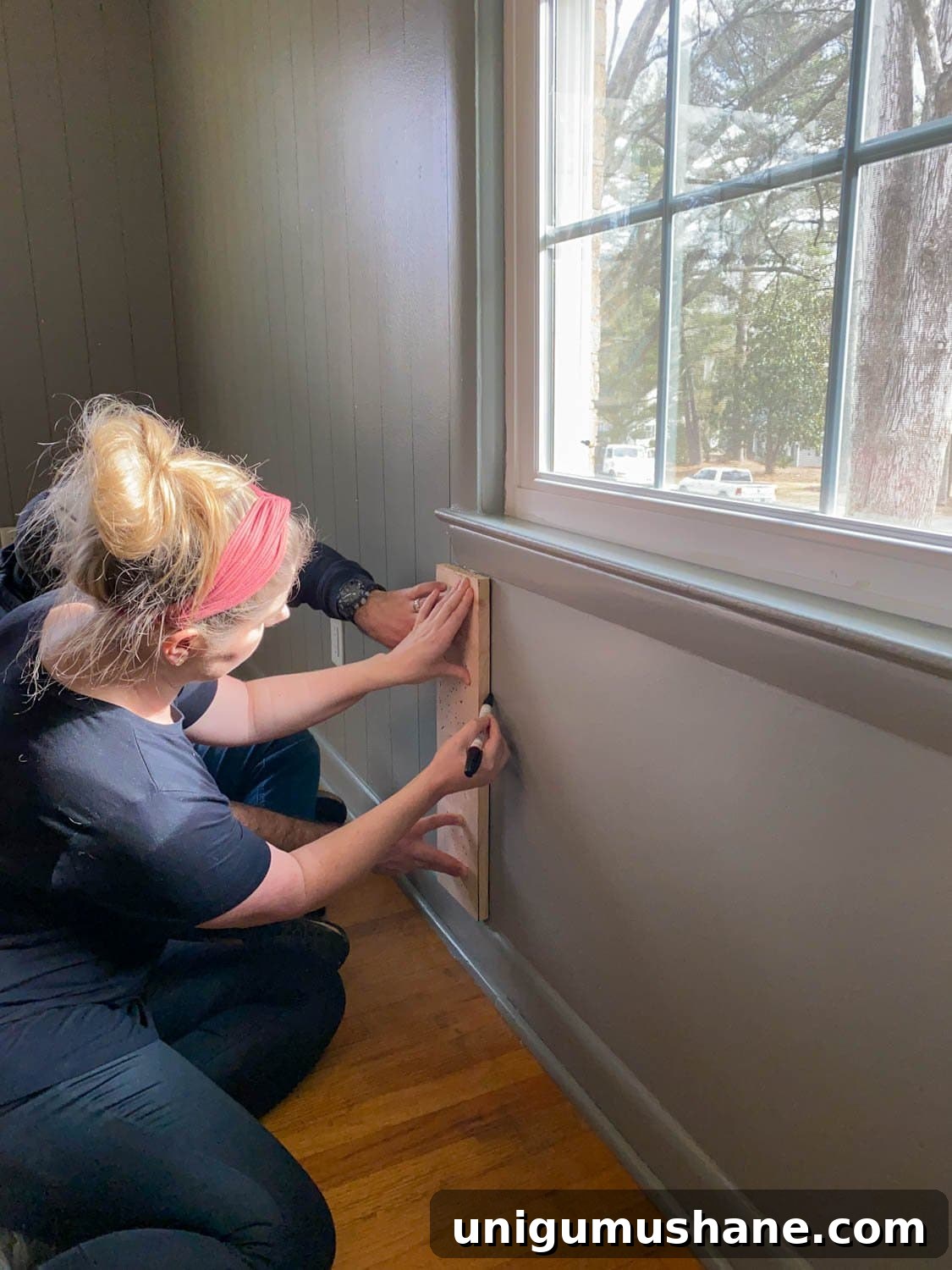
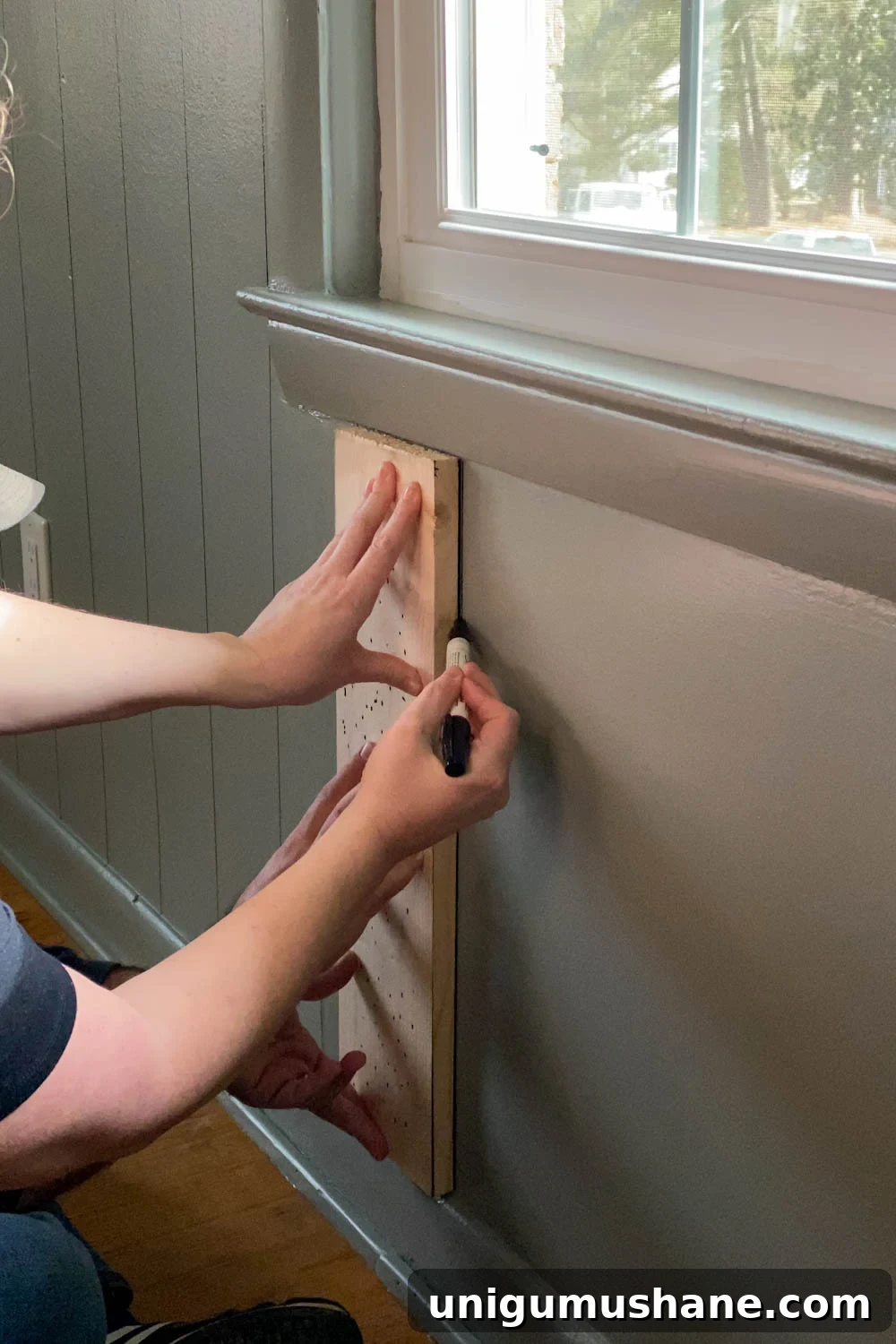
We completed the entire room in about two hours using two pens—an impressively quick transformation for such a dramatic visual change.
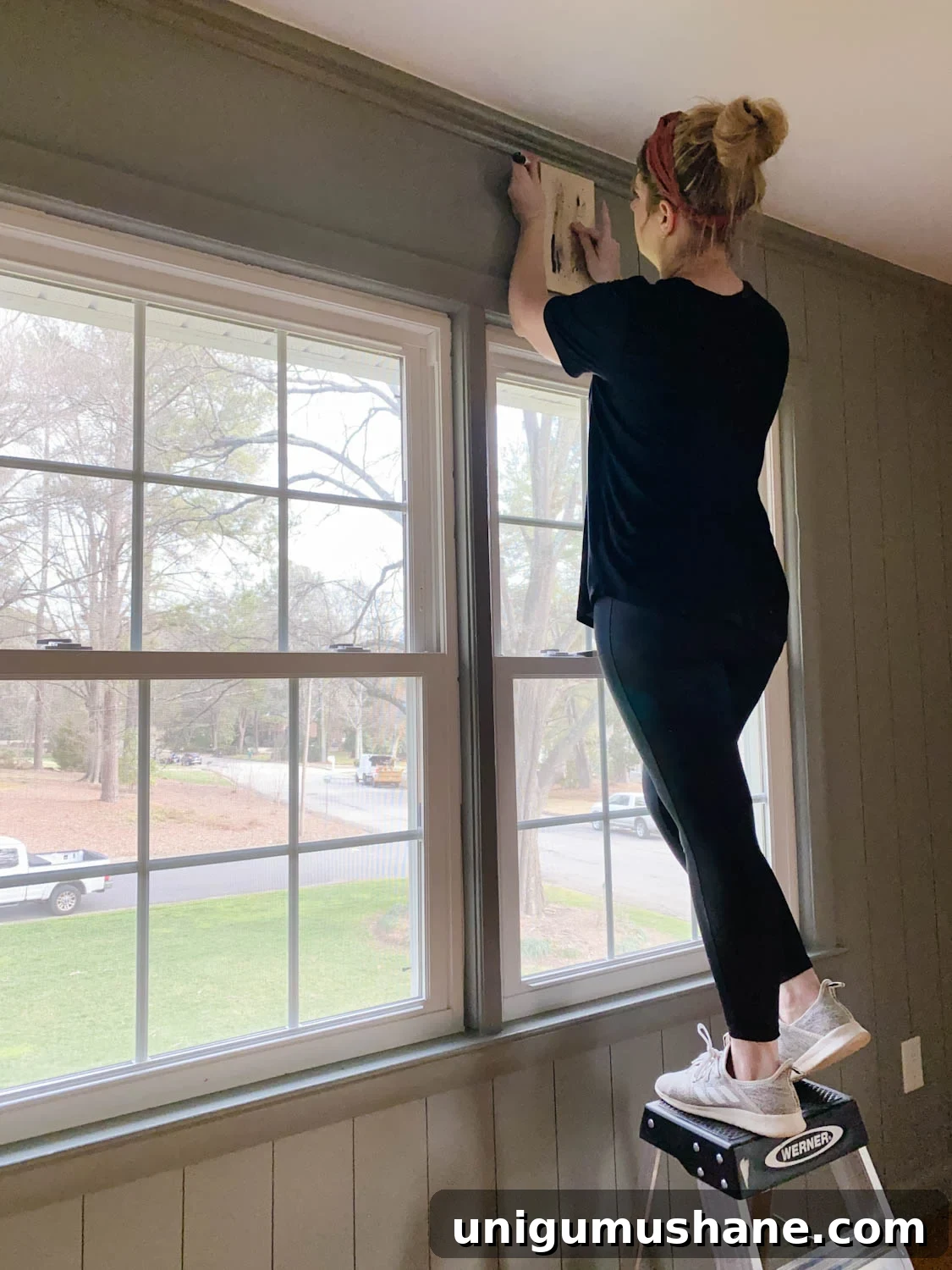
Once the lines are complete, step back and enjoy the effect. From a normal viewing distance the walls read as planked, bringing texture and depth without the cost or commitment of real wood.
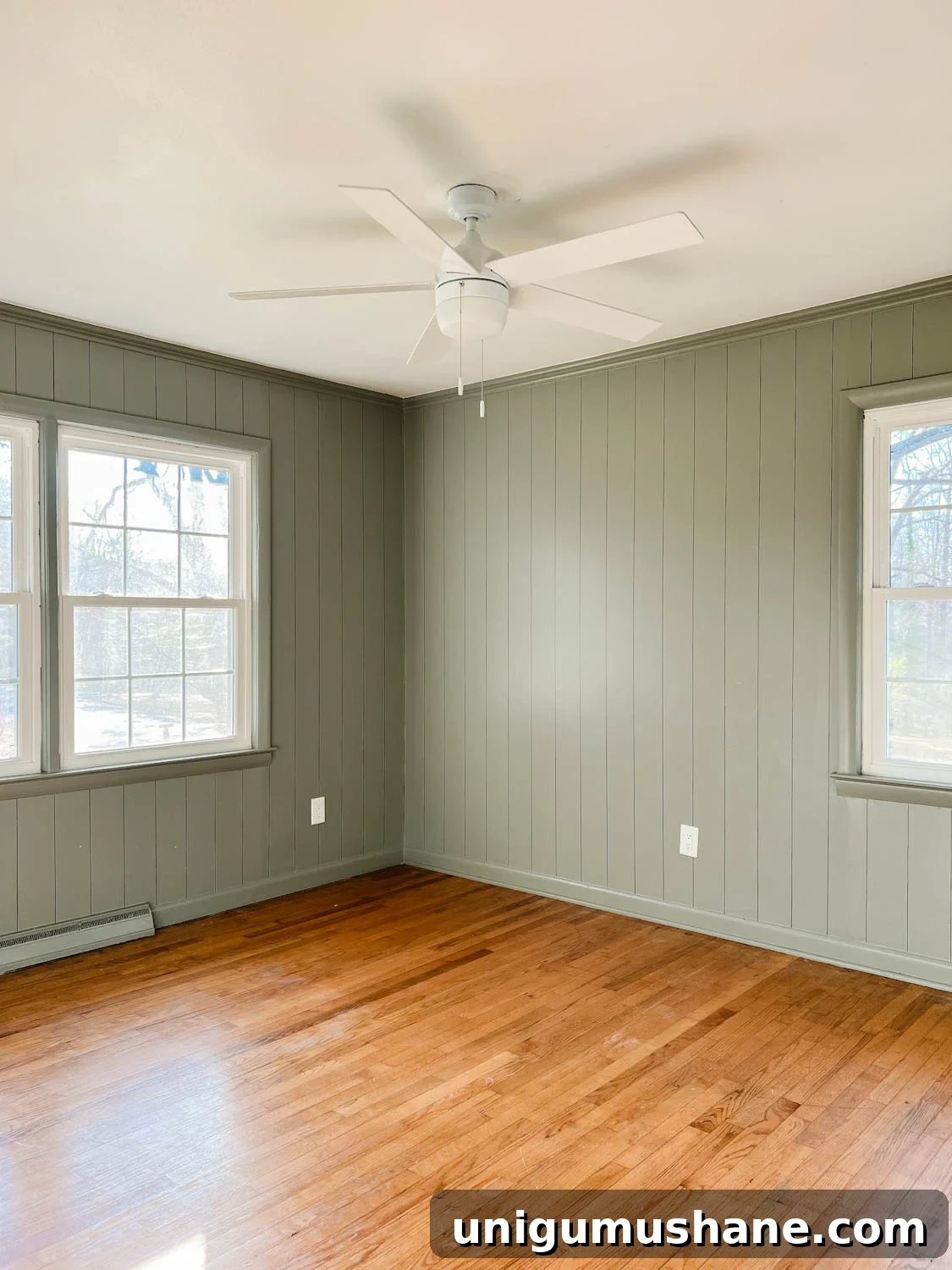
These faux planked walls provide a great backdrop for decorating and can easily be painted over if the style changes. Even standing in the room, it’s easy to be surprised by how convincing the result is.
Have you ever used a paint pen for wall treatments or installed real planking? If you prefer authentic wood, there are full planking methods to explore, but for a quick, affordable, and temporary option, the paint-pen faux is hard to beat.
Yes. Apply a coat of oil- or water-based bonding primer, allow it to dry, then paint with your chosen interior paint color.
Up close, it appears as painted lines on the wall. At arm’s length you can tell it isn’t three-dimensional shiplap, but from a few feet away the effect is convincing and visually satisfying.
Related posts
- Easy DIY Vertical Shiplap Wainscoting
- 8 DIY-able Wall Molding Ideas to Add Character to Your Home
- 15 Ways to Transform Your Entire House with Just Paint
- DIY Painted Wall Paneling