
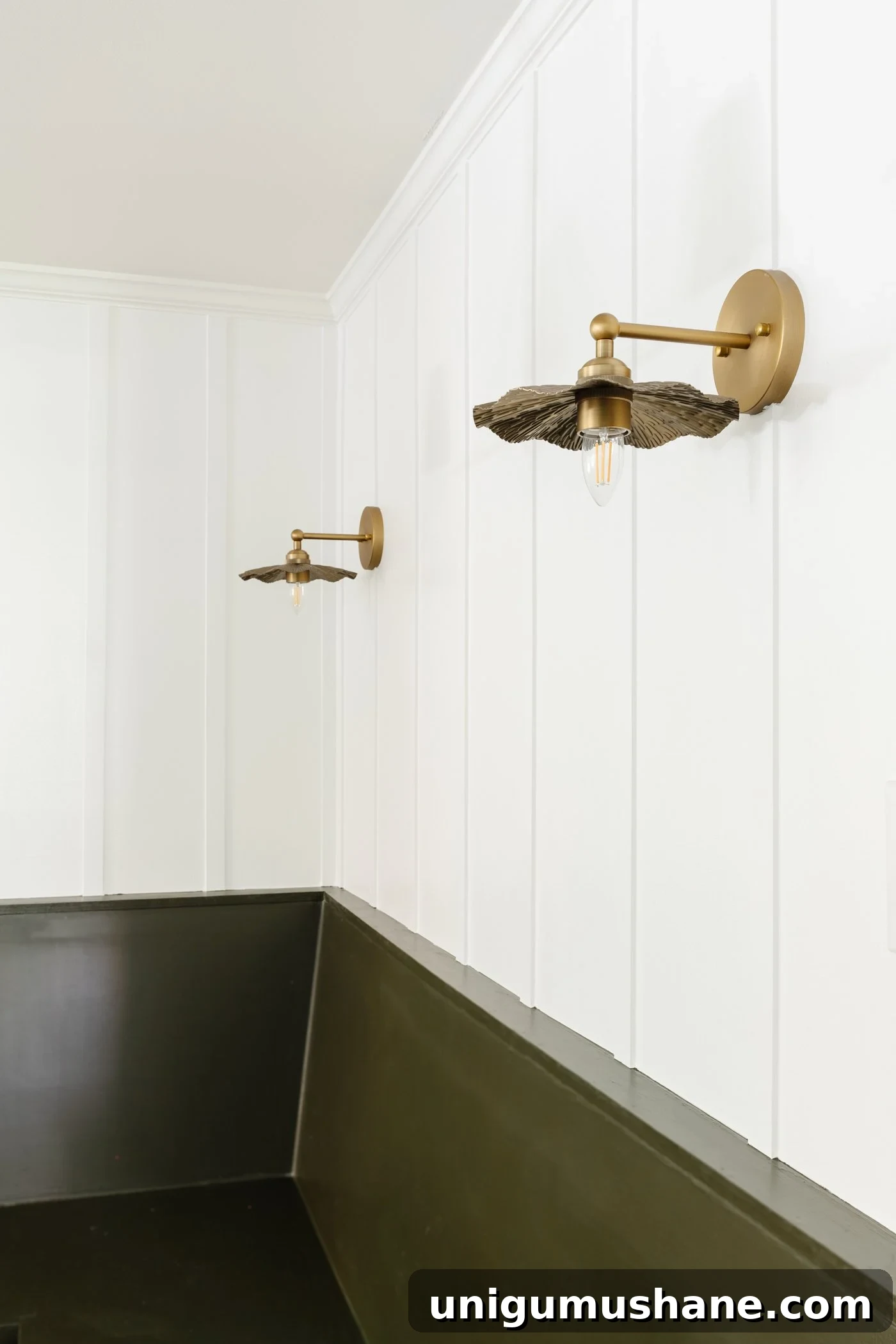
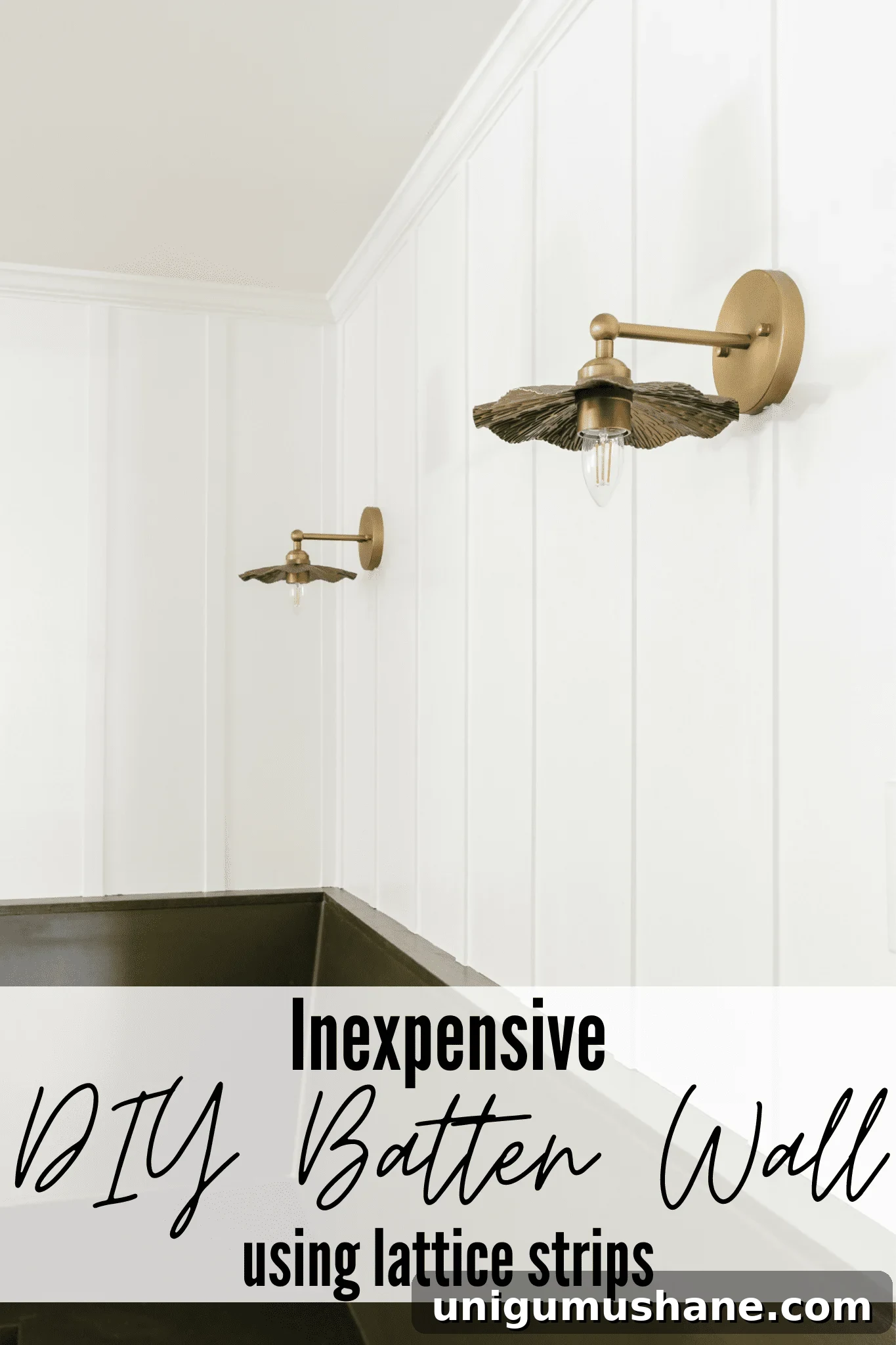
Tutorial: Use lattice strips as an easy, budget-friendly way to create a DIY batten wall that adds vintage character to plain walls.
Lattice strips are the unsung heroes of this DIY batten wall. They’re affordable, lightweight, and simple to work with—perfect for adding classic molding detail without the expense of traditional trim. We used them to give our breakfast nook a more finished, vintage-inspired look.
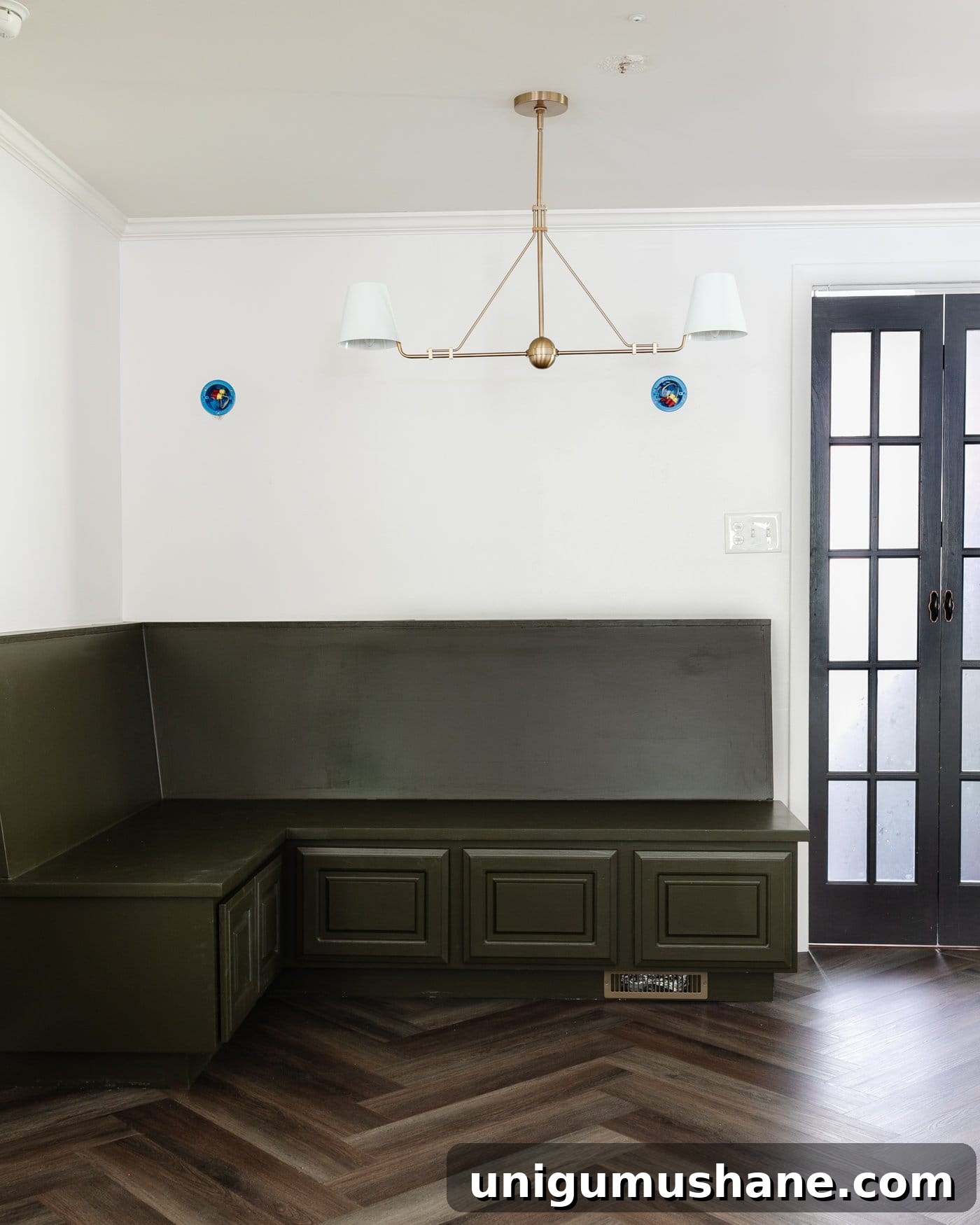
After installing and painting our secondhand banquette in the breakfast nook, the smooth walls still felt flat and unfinished. Molding is one of the quickest ways to add personality and a high-end look to a room, and lattice strips offered a simple, inexpensive solution.
What is Lattice?
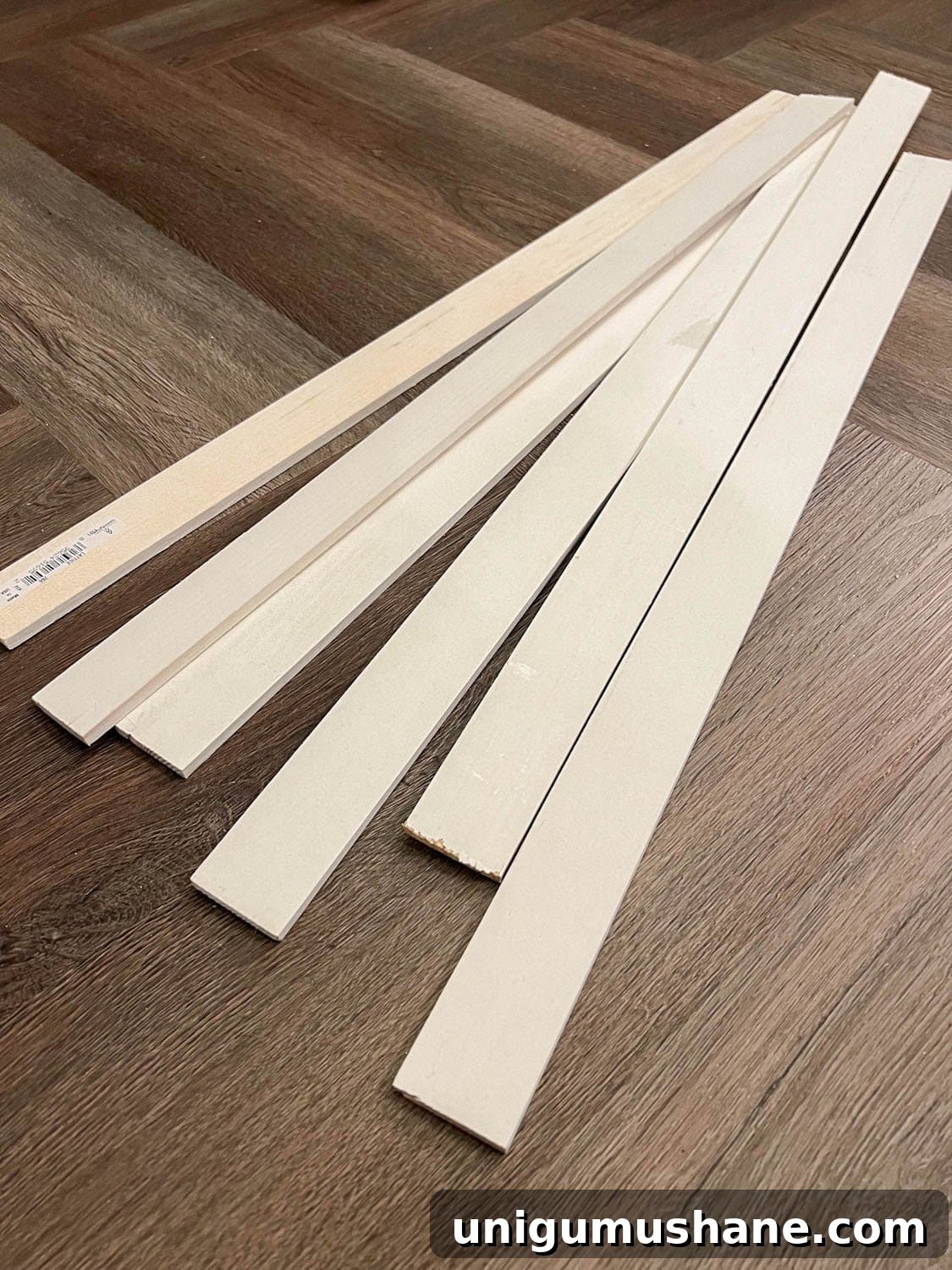
Lattice is made from thin wood strips traditionally used in garden trellises and porch skirting. Those same thin strips work great for wall molding because they are narrow, lightweight, and inexpensive—often costing a fraction of standard 1×2 trim boards.
Because lattice is so thin (commonly 1/4″ thick and 1-1/2″ wide), it can sit directly over baseboards and requires no complicated miter cuts. That makes it an excellent beginner-friendly option for creating board-and-batten or vertical batten walls that look custom without the cost.
How to Make a Batten Wall Using Lattice Strips
You can use lattice to create a full room treatment, a wainscot-style lower wall, or a single accent wall. Leave it minimal and unadorned for a clean look, or layer artwork and sconces for a more decorative feel. Note: if your walls are heavily textured, install a flat panel or MDF first to achieve a smooth surface for the lattice.
Supplies
- 1/4″ x 1 1/2″ pre-primed wood lattice moulding
- Brad nailer (or hammer)
- 1 in 18-gauge brad nails
- Jigsaw
- Tape measure
- Pencil
- Level
- Paintable caulk
- Wood filler
- Interior paint (satin is a great choice for wall molding)
- Fine-grit sandpaper (orbital sander speeds the work)
Steps to Make a Batten Lattice Wall
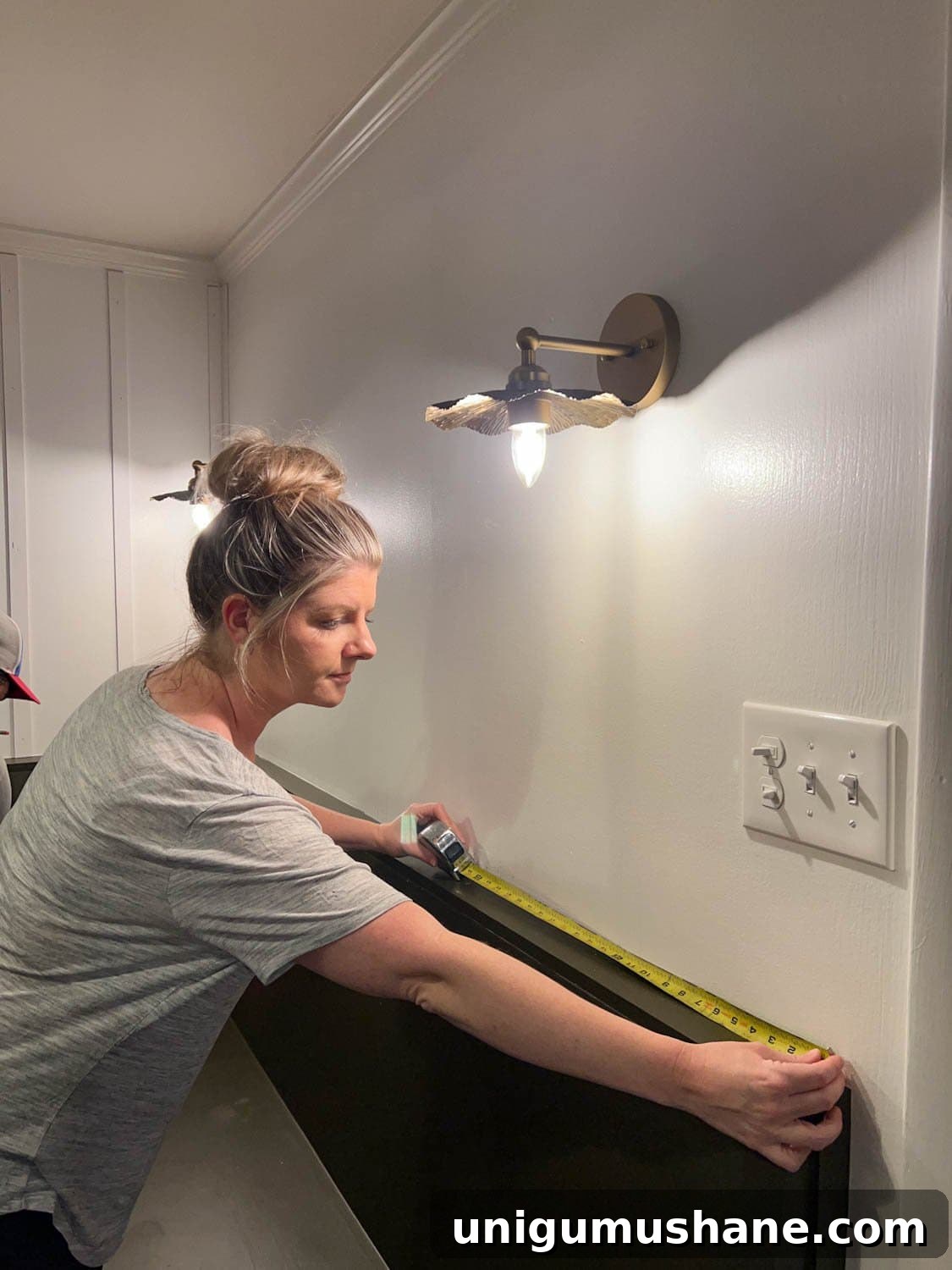
Step 1 – Measure and Plan Your Layout
Measure the full width and height of the wall. Decide how far apart you want the vertical battens to be and mark each placement lightly with pencil. Keep the lattice width in mind—our battens are 1-1/2″ wide, and we spaced them with an 8-1/2″ gap between centers for a balanced look.
Step 2 – Cut Lattice to Length
Measure from the top of the baseboard to the ceiling molding and cut the first lattice strip to length with a jigsaw. Because walls can vary slightly in height, don’t cut every piece from the first measurement—test-fit as you go.
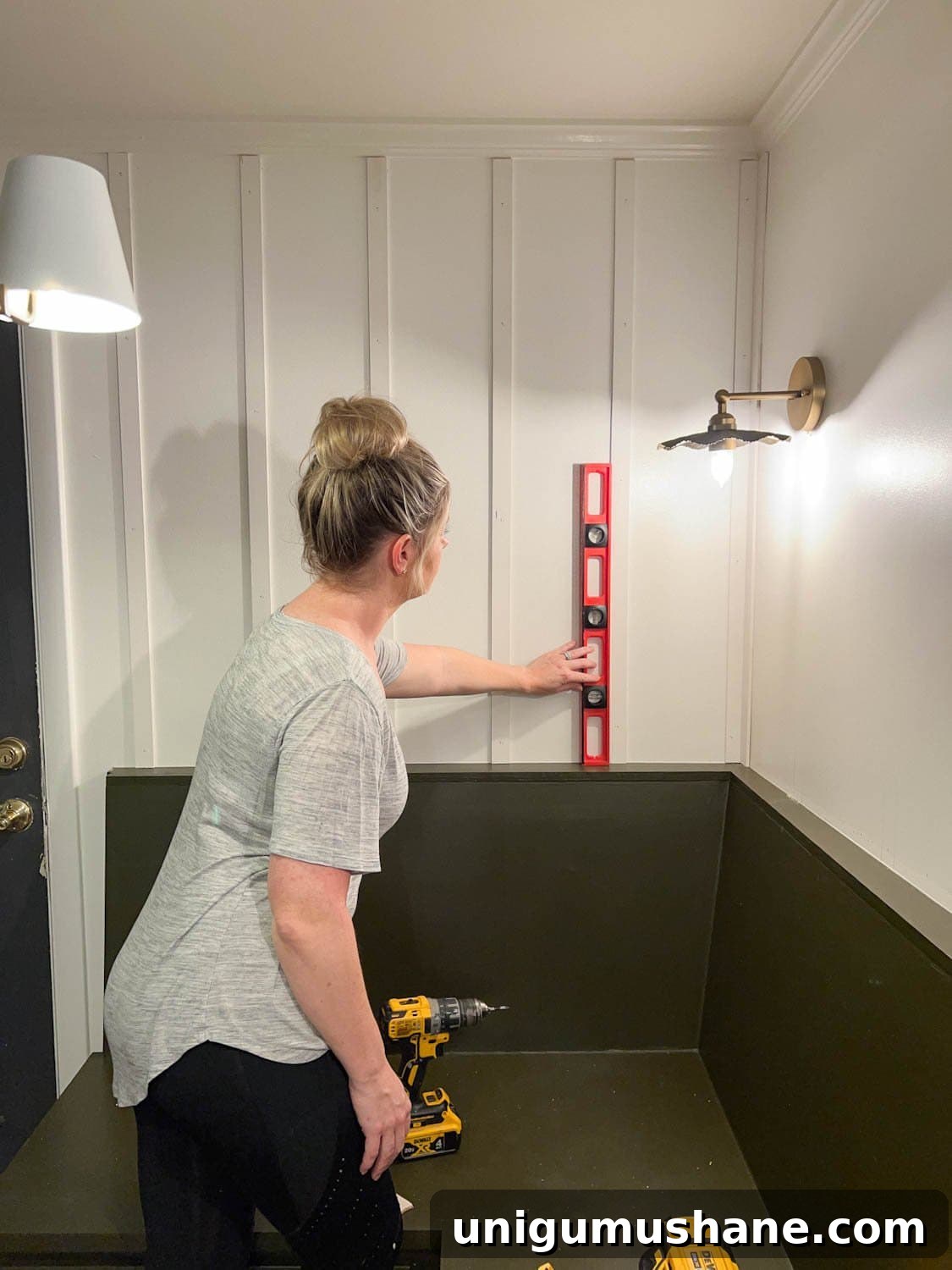
Step 3 – Dry-Fit and Level
Dry-fit the first piece and use a level to make sure it’s plumb. Adjust the placement before fastening.
Step 4 – Fasten the Lattice
With the piece plumb, secure it to the wall using a brad nailer. Construction adhesive is optional; the lattice is light enough to hold well with brads alone, and skipping adhesive makes future removal easier.
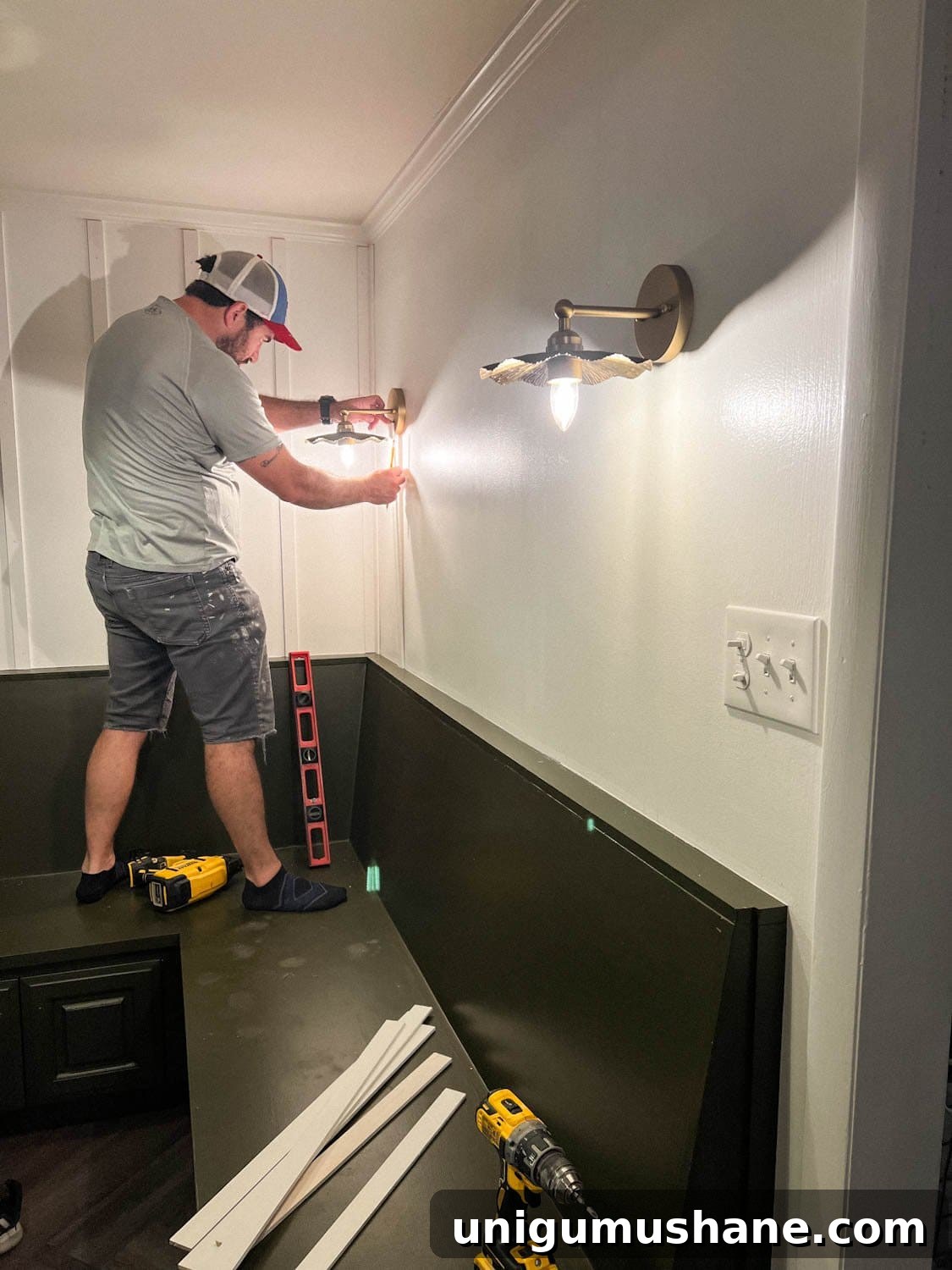
Step 5 – Repeat
Repeat measuring, cutting, leveling, and nailing for each vertical batten until the wall is complete.
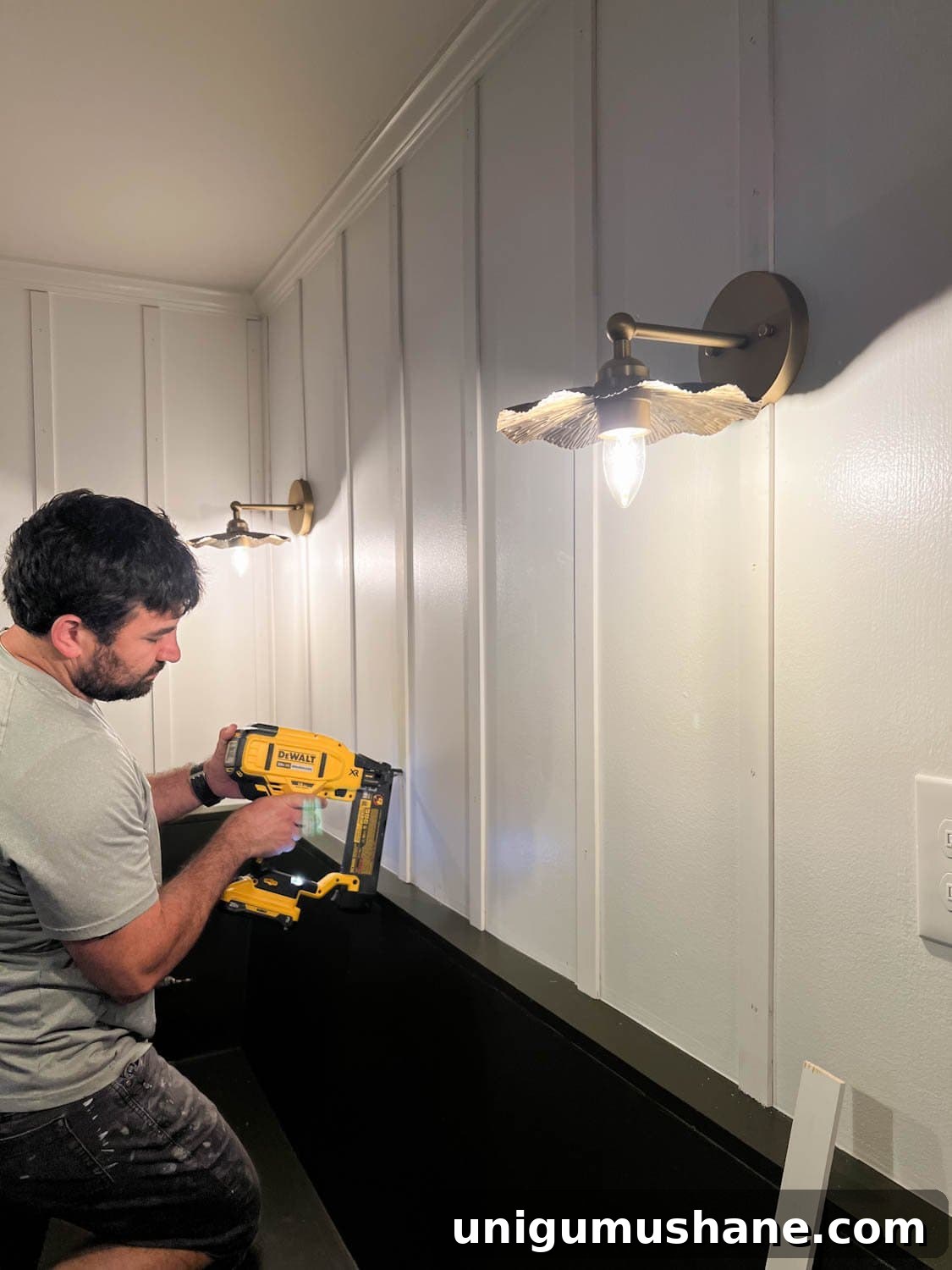
Step 6 – Caulk and Fill
Run paintable caulk along all edges to close gaps, and fill nail holes with wood filler. This step smooths transitions and helps the finished wall look seamless.
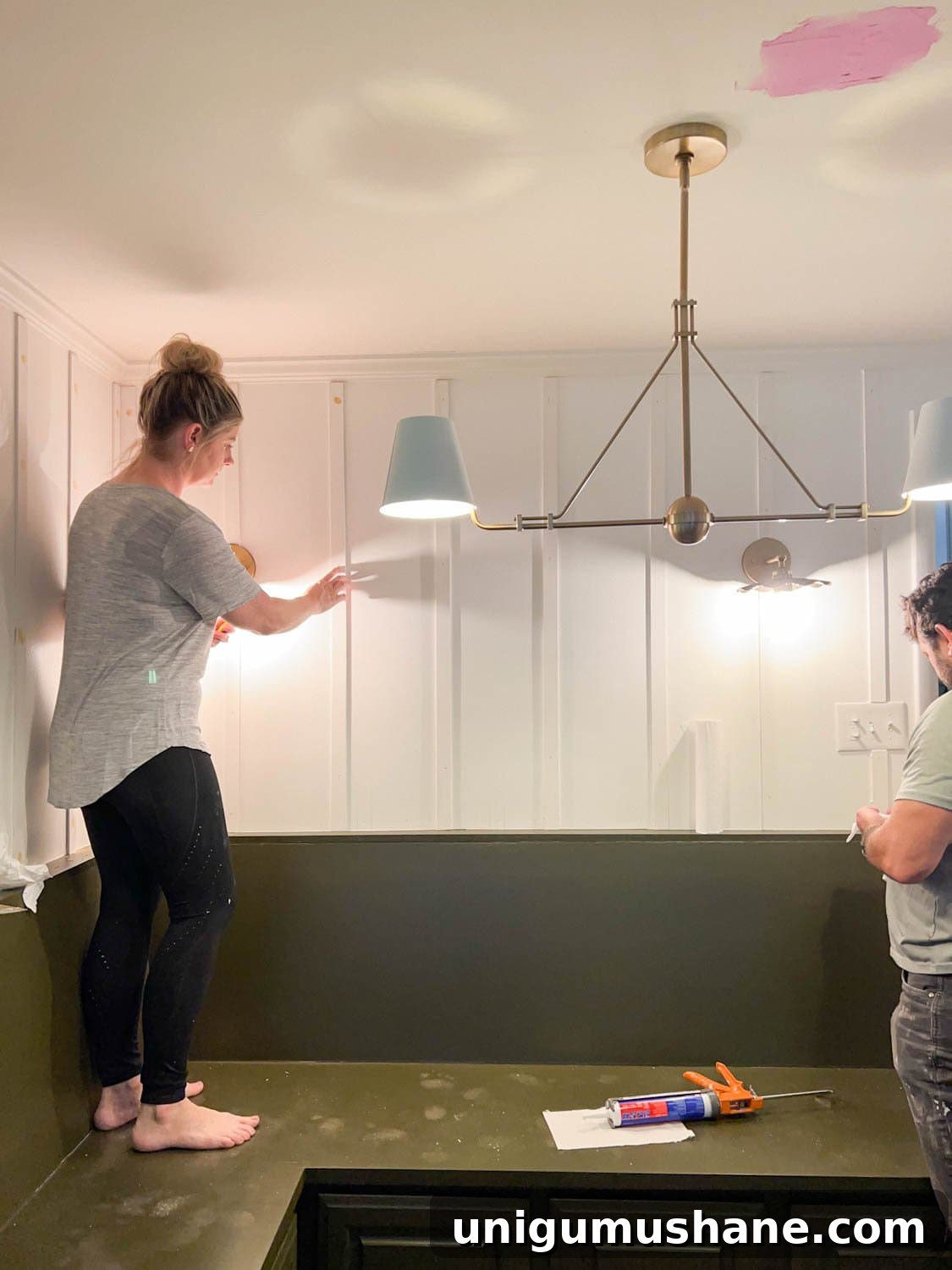
Step 7 – Sand Smooth
After the wood filler dries, sand the filled areas smooth with fine-grit sandpaper. Remove dust with a brush or vacuum before painting.
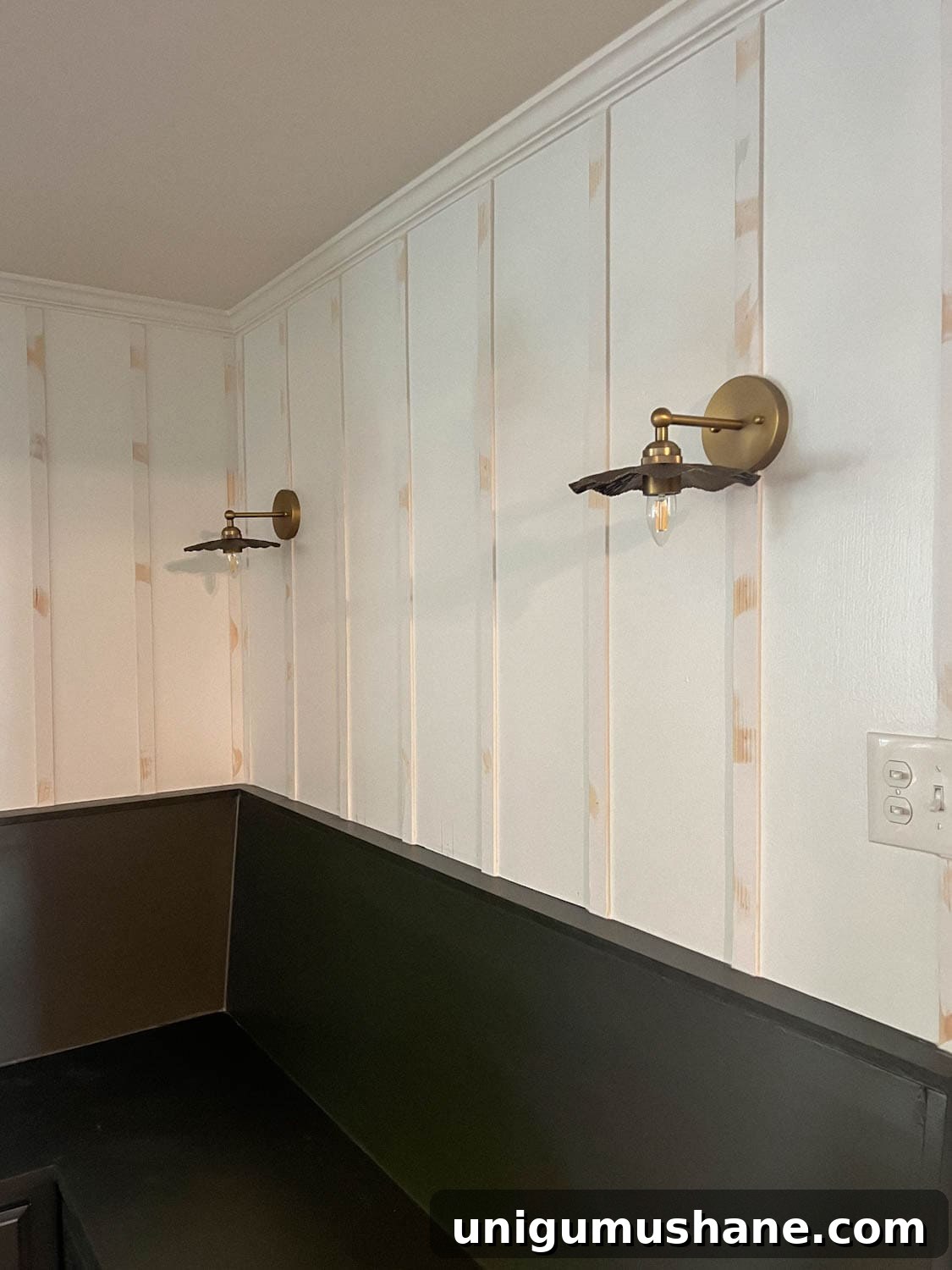
Step 8 – Paint
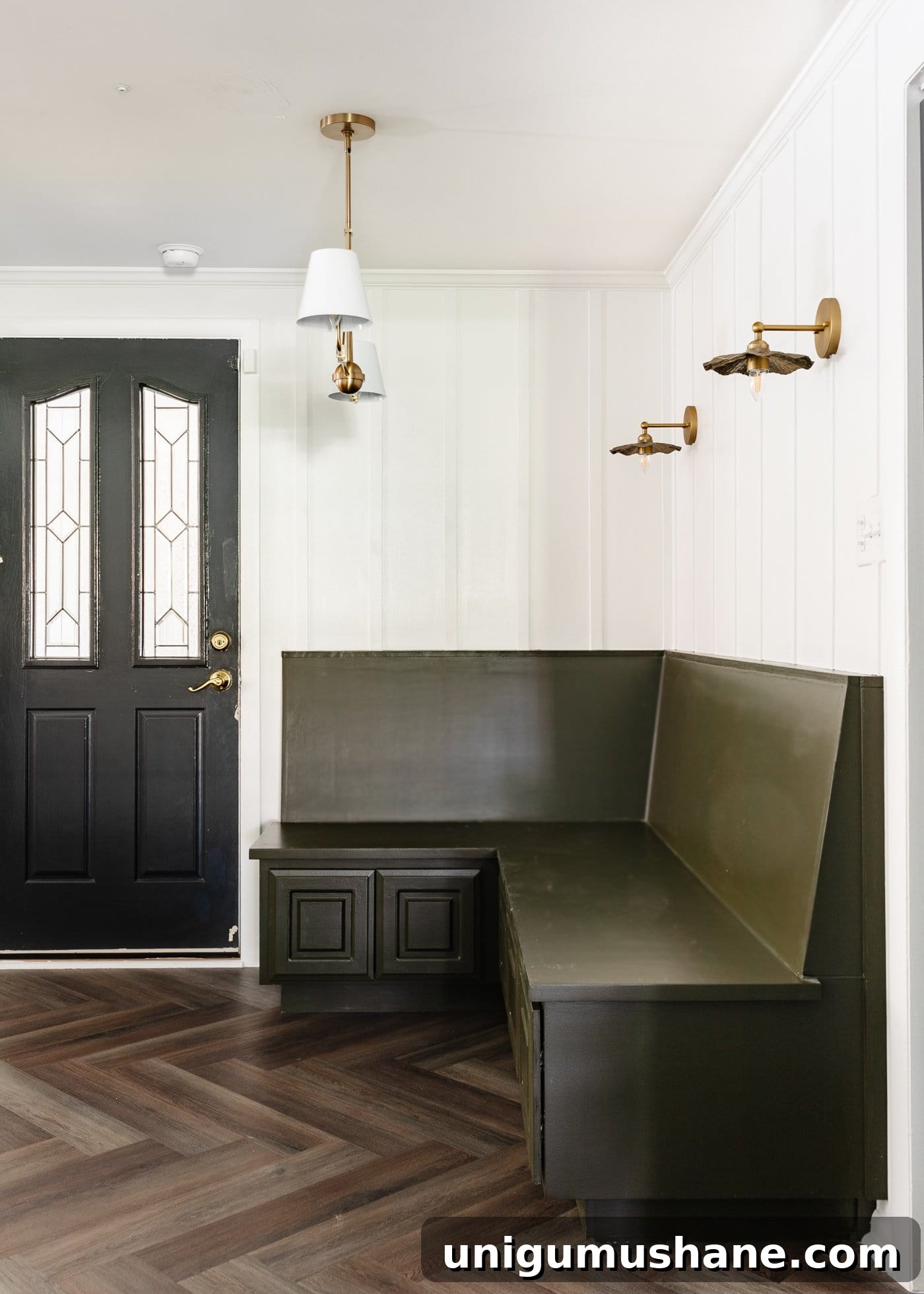
Prime and paint the wall and lattice. Painting the wall the same color as the battens first can make the job faster and neater. We chose a crisp white (Benjamin Moore Chantilly Lace) to let the brass lighting and green banquette stand out.
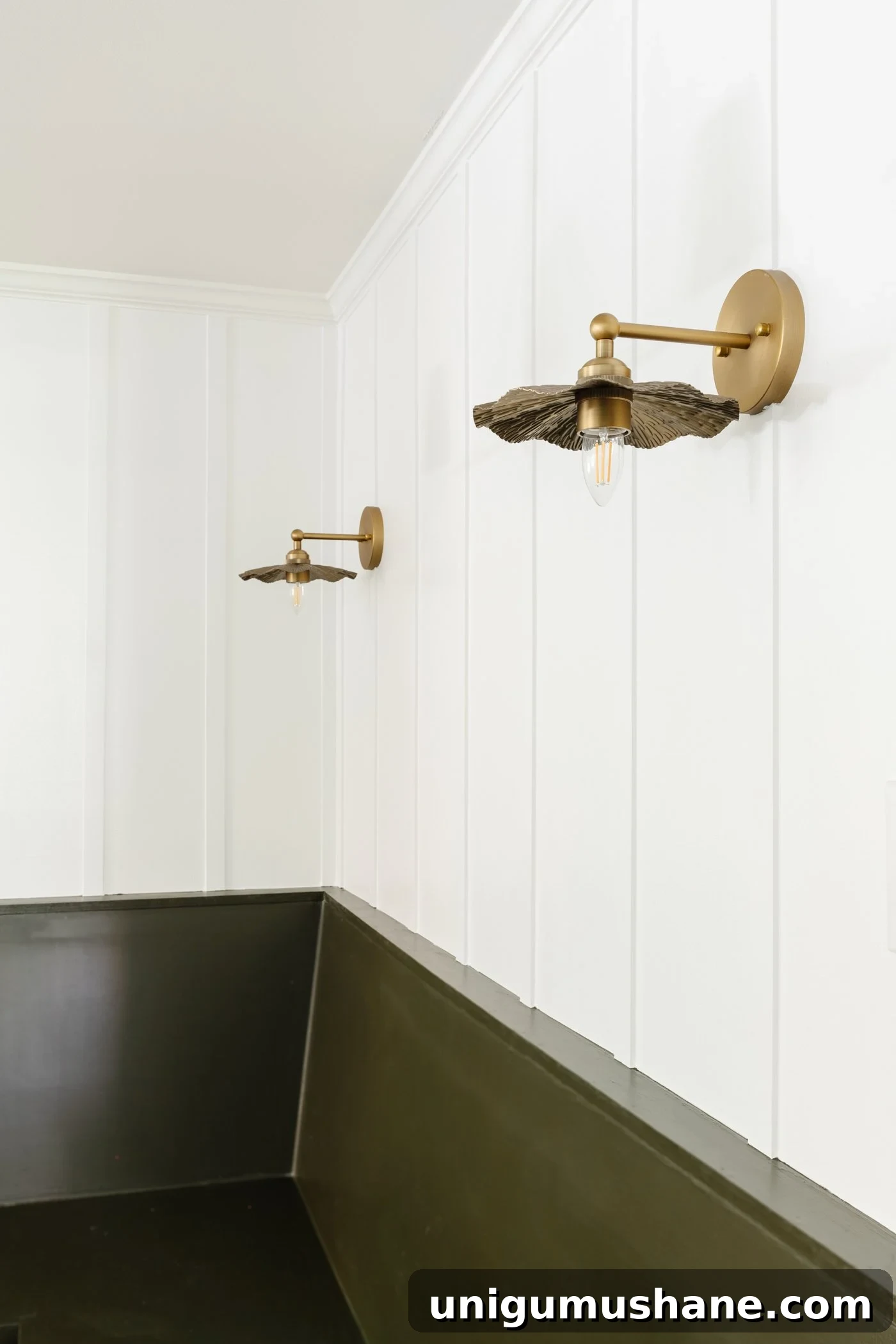
The Finished Batten Wall
Two small batten walls transformed this breakfast nook, adding texture, depth, and a vintage touch. We installed vintage-style brass sconces to brighten the windowless area and paired them with a linear chandelier for a modern contrast.
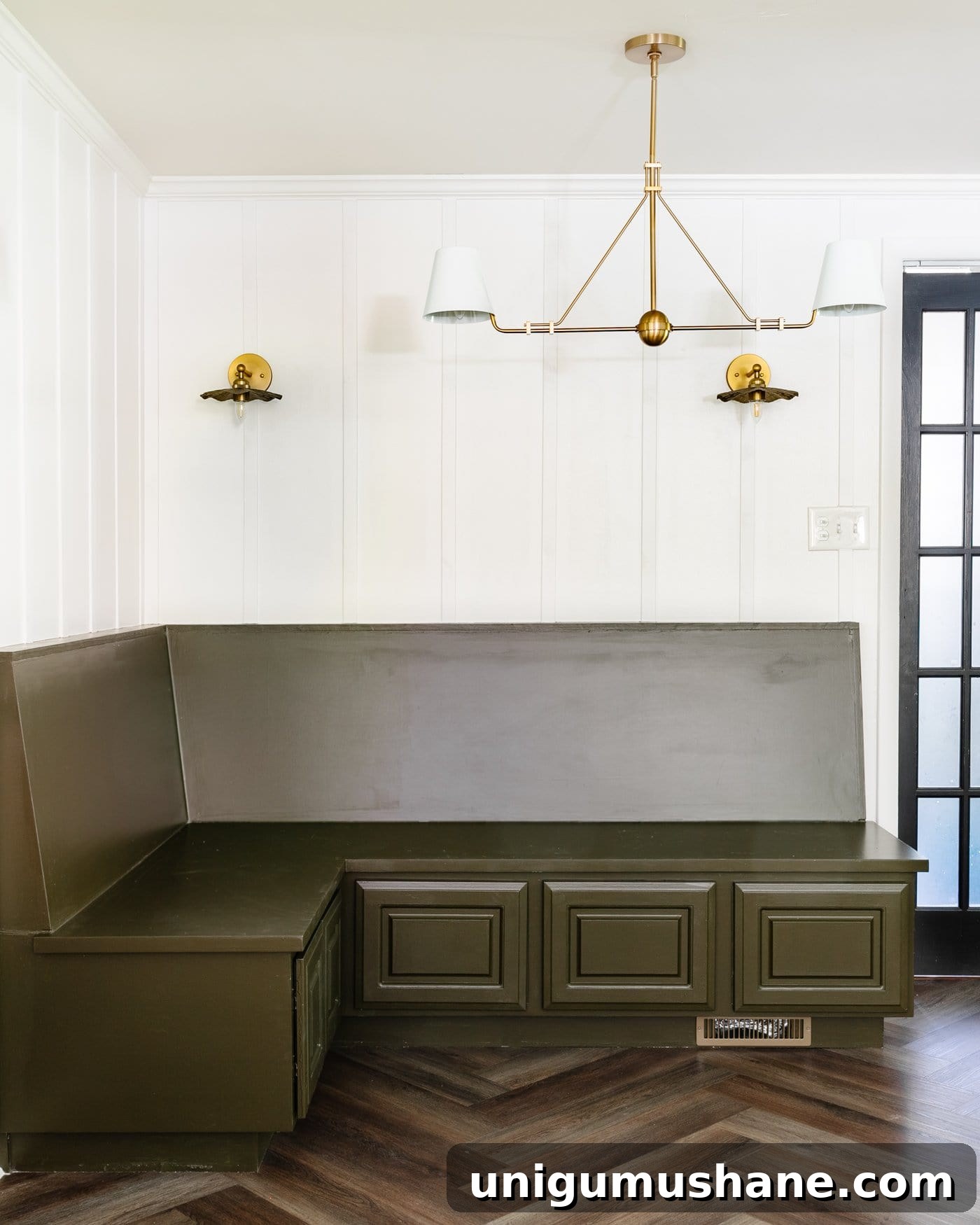
Wrapping Up Breakfast Nook Details
Final touches left include painting the air vent and adding knobs to the banquette cabinet doors. We’re also waiting on reupholstered cushions and plan to add a custom table, refinished dining chairs, and vintage art to finish the space.
The recently installed herringbone LVP floors still look fantastic and tie the whole nook together. These small updates—molding, lighting, and textiles—bring a cozy, curated feel to the corner.
Have you tried a DIY batten wall or given lattice strips a new purpose? They’re one of the most versatile, affordable materials for quick, high-impact home updates.
More Project Ideas Using Lattice Strips
- DIY Large Scale Wall Art from a Shower Curtain
- DIY Industrial Factory Window Shower Door
- DIY Canvas Frame Vintage Art from Old Farmhouse Signs
- DIY Large Wall Art and Winter Landscape Printable
If you want more wall molding inspiration, consider vertical shiplap wainscoting, faux wall planking, picture frame molding, or a traditional grid molding focal wall—each can be adapted to fit your style and budget.