
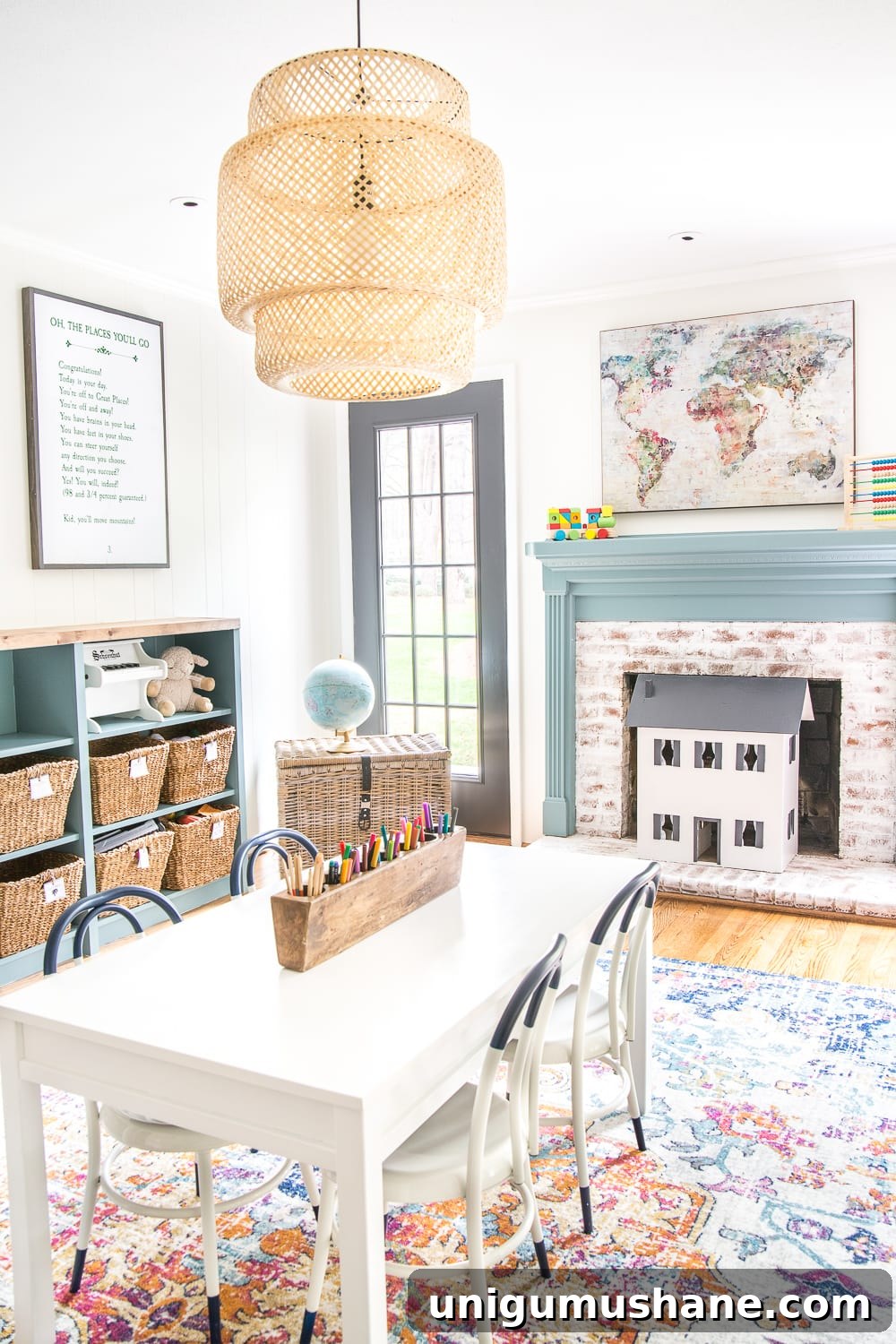
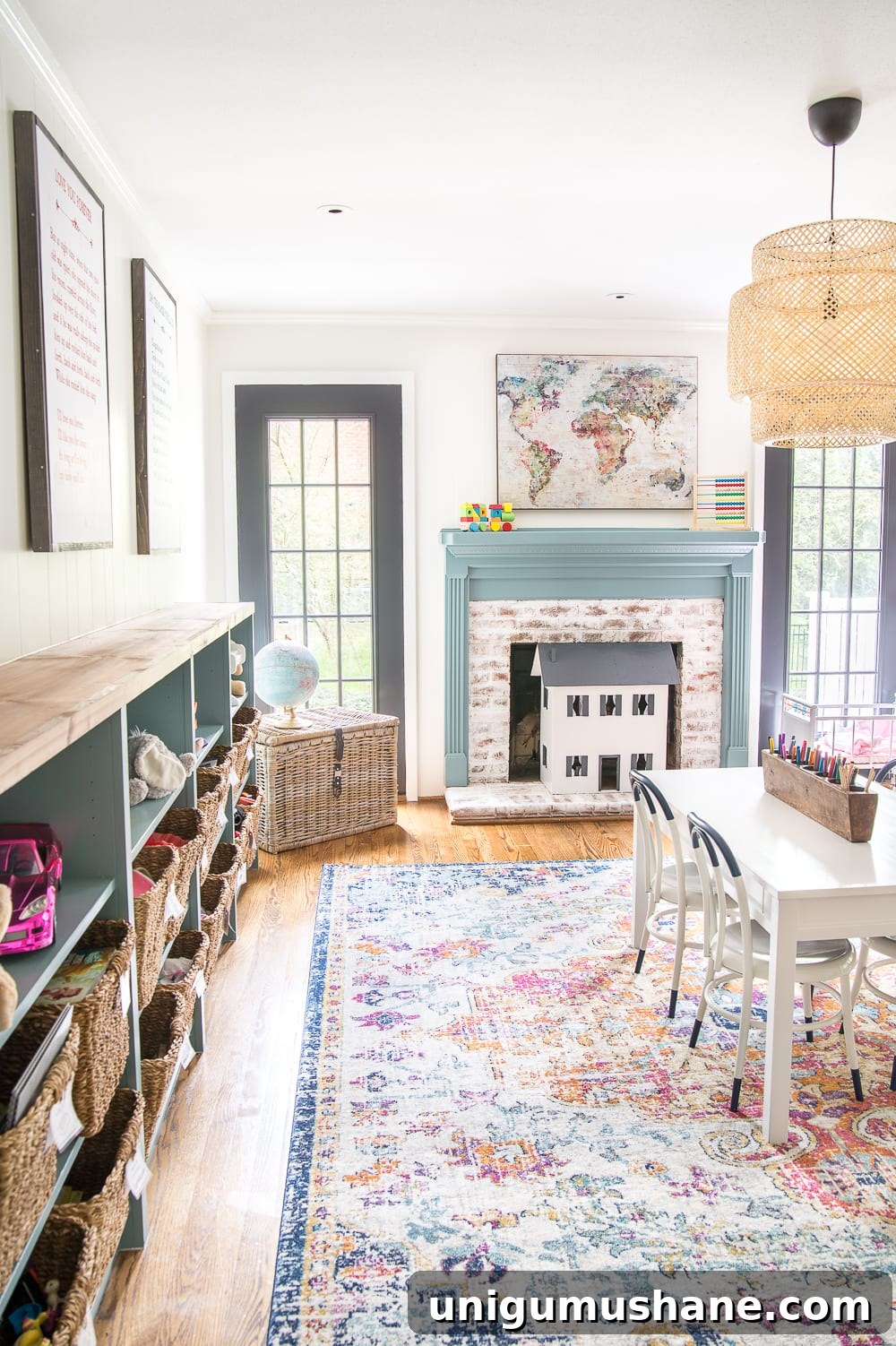
How we promote calm, encourage restful sleep, and reduce anxiety in our children with one simple toy boundary — plus how we keep toys organized.
One thing I want to say up front: someday the toys will leave your house, and you might be surprised by how much you miss them.
Maybe you won’t — everyone’s different — but I know I will, at least a little. I won’t miss the clutter or the bright, plastic chaos on the floor, but I will miss what it represents: that season of childhood and simple play.
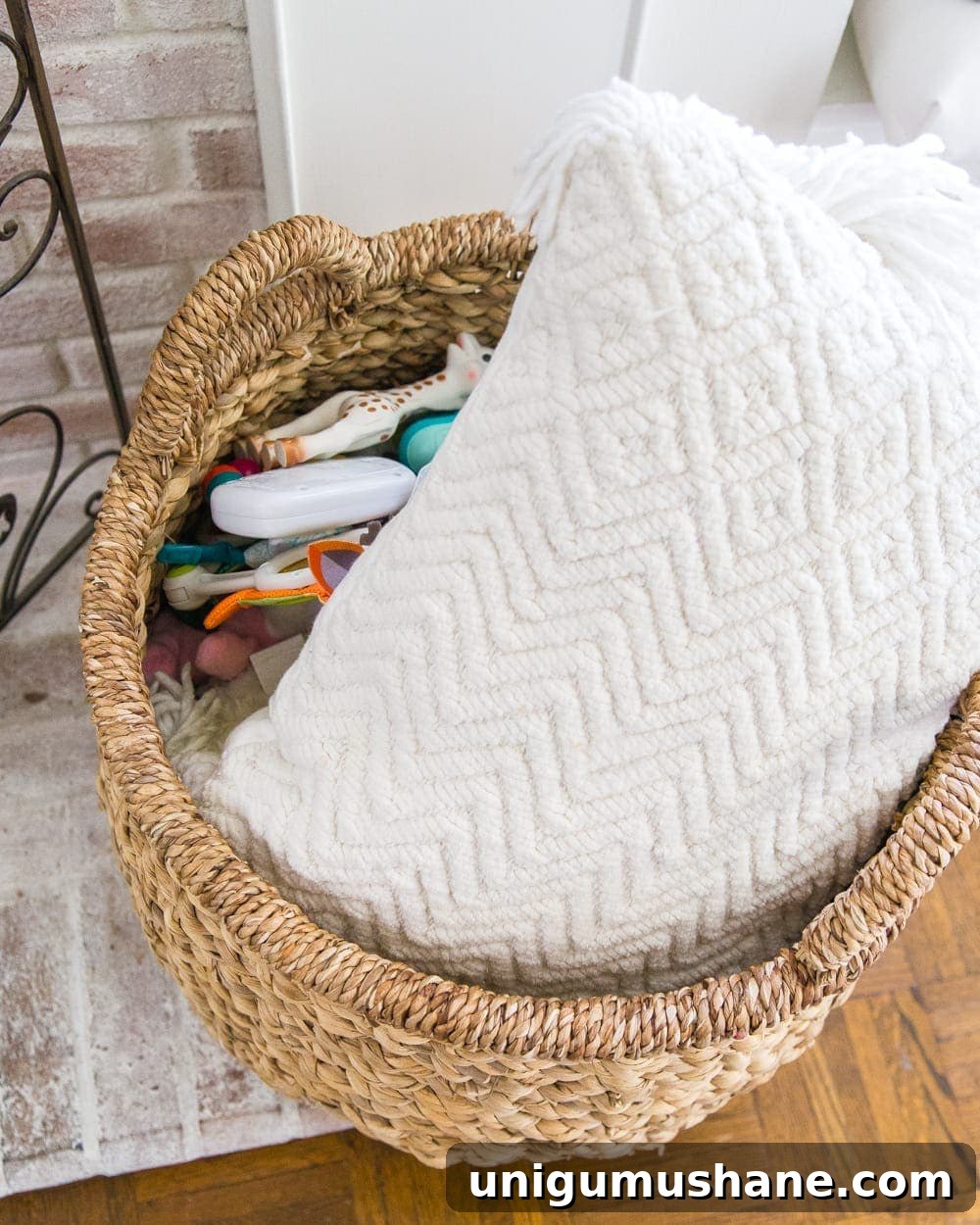
But reality looks like this most days:
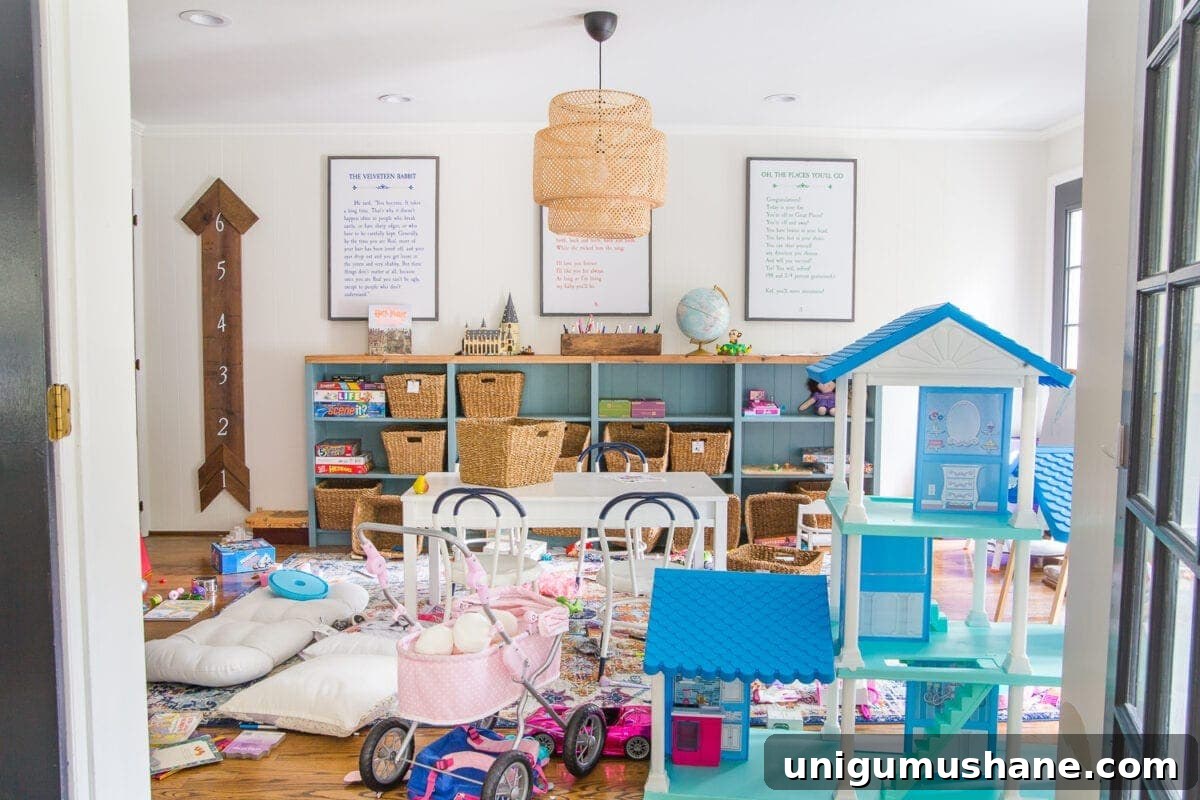
Messes are part of learning — the baskets don’t always stay perfectly tidy, and that’s OK.
When Olivia was a toddler we adopted one simple habit that made a big difference in our home. It wasn’t planned — it happened by accident — but the effect has stuck with us for years.
No toys in the kids’ bedrooms.
It’s less a hard rule and more a default way of living we’ve followed for seven years. The idea is straightforward: bedrooms are for sleeping and resting, play happens in shared spaces.
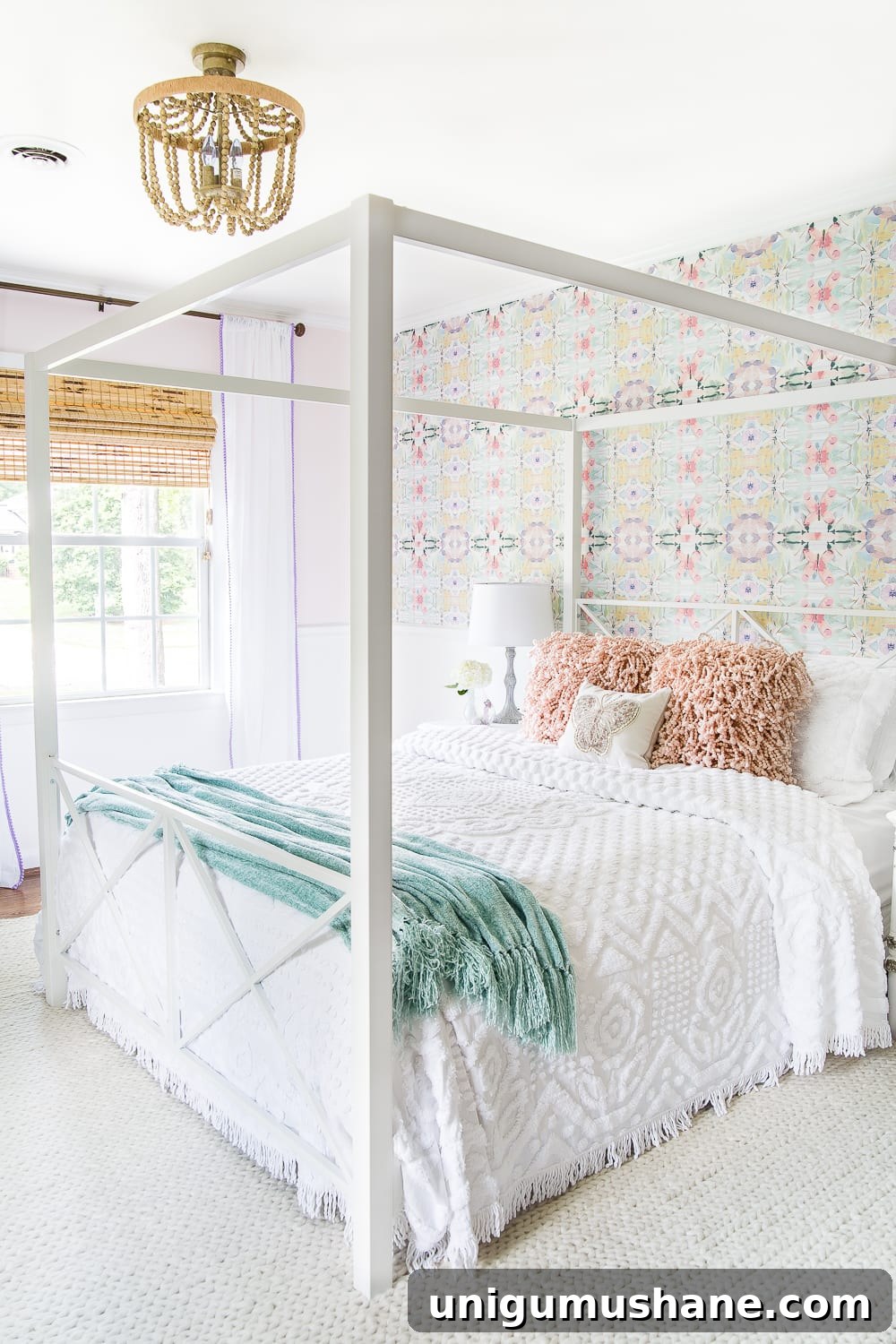
The outcomes we noticed:
- Without toys in their rooms, our kids seem less visually stimulated and less anxious at bedtime.
- Keeping toys out of bedrooms helps signal that those spaces are for sleep and rest — it creates a clear mental boundary.
- When a child needs quiet time rather than play, a toy-free room reduces temptation to stay active or distracted.
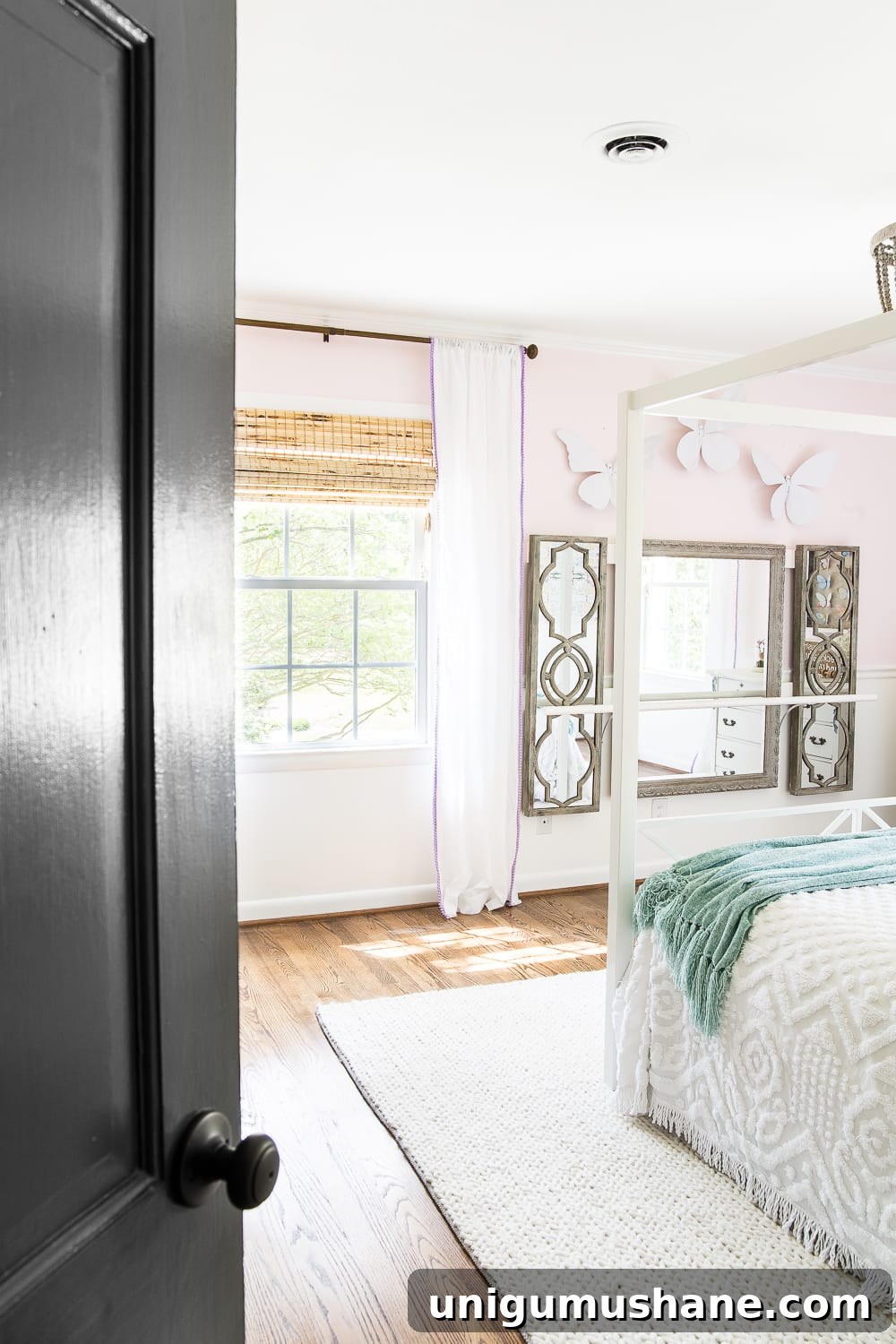
To be clear, we do allow books in bedrooms and a small trunk of dress-up clothes in Olivia’s room. Kids sometimes bring a toy to bed or take something upstairs, but those items don’t “live” in their rooms — when playtime is over, toys go back to the living room basket or the playroom.
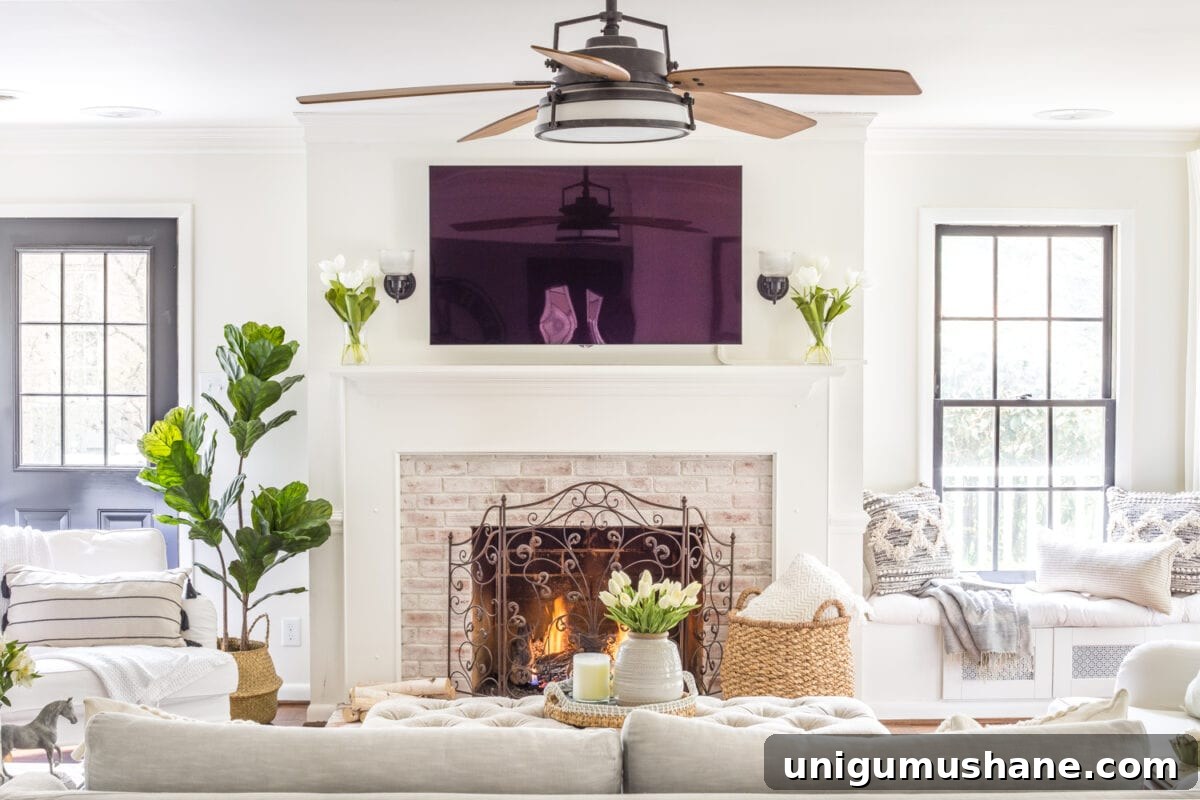
The difference is similar to why removing screens from bedrooms often improves sleep: fewer distractions, less visual noise, and a clearer cue that it’s time to rest.
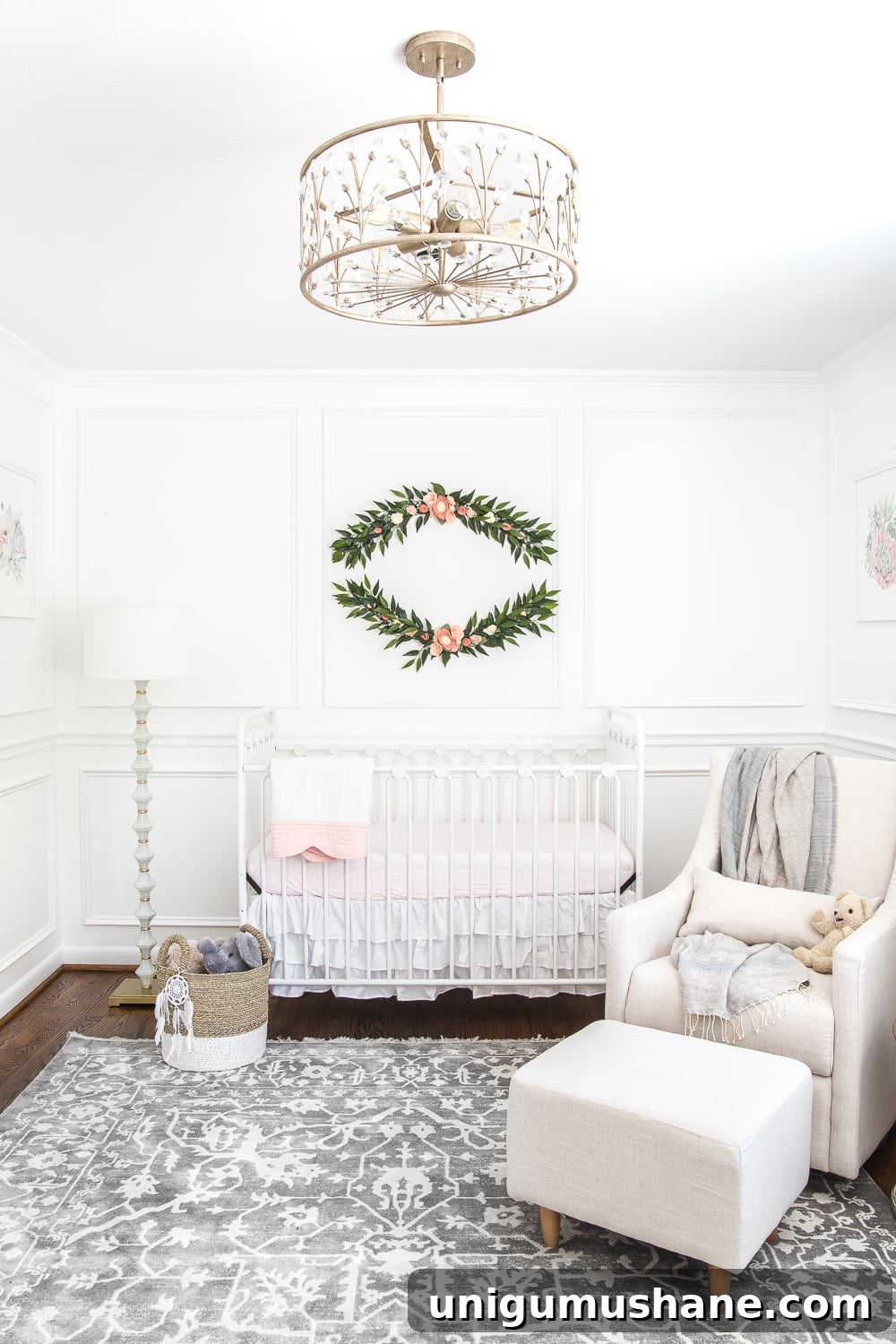
This approach won’t work for everyone, and every family should do what fits their routine and space. But if your child seems anxious, overstimulated, or struggles with sleep, it’s a simple idea worth trying.
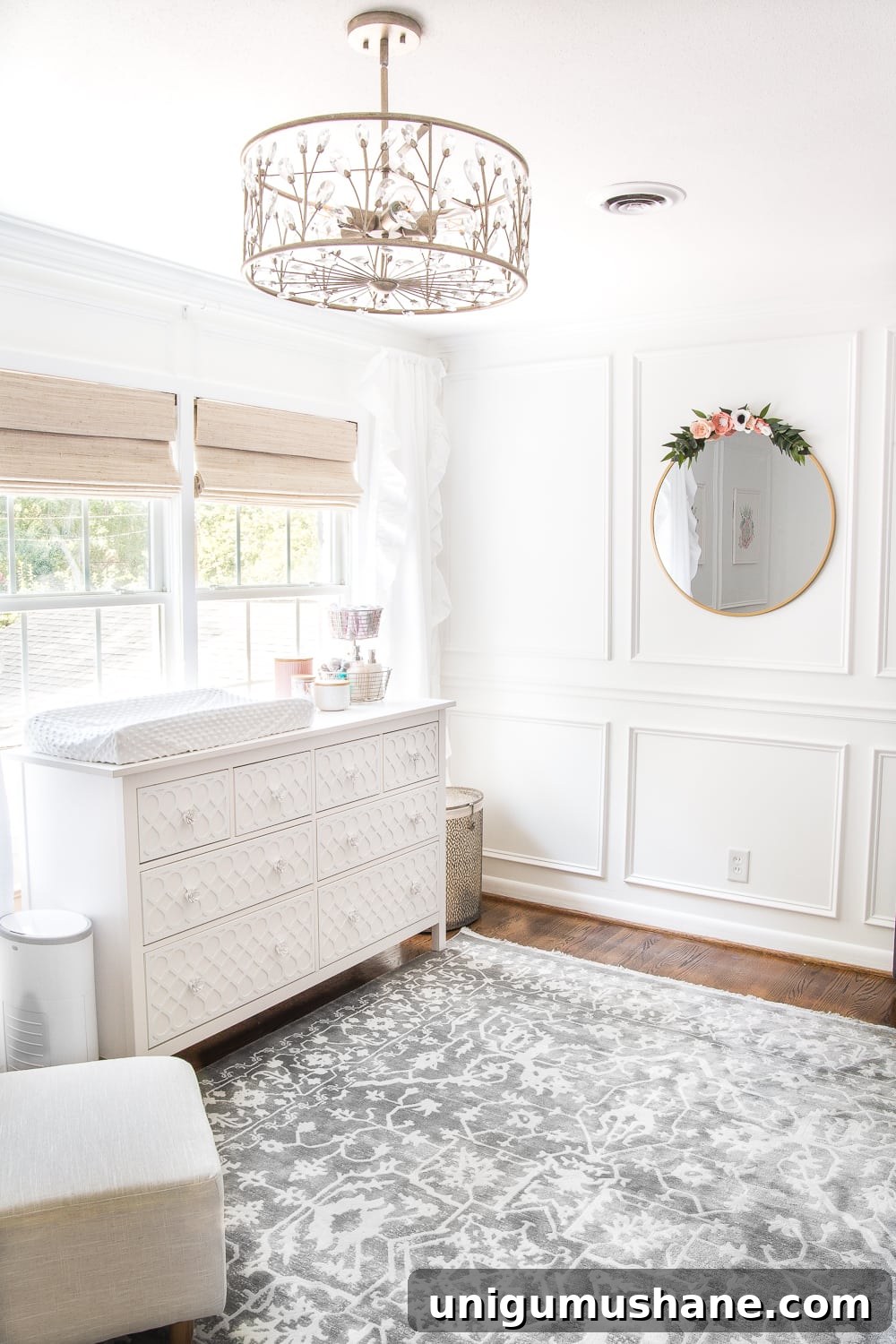
We keep things real here — this blog is more about DIY and home decor than parenting perfection — but small changes like this can have meaningful effects.
Do you try anything specific to make your kids’ bedrooms calmer? What tricks help you reduce toy overwhelm?
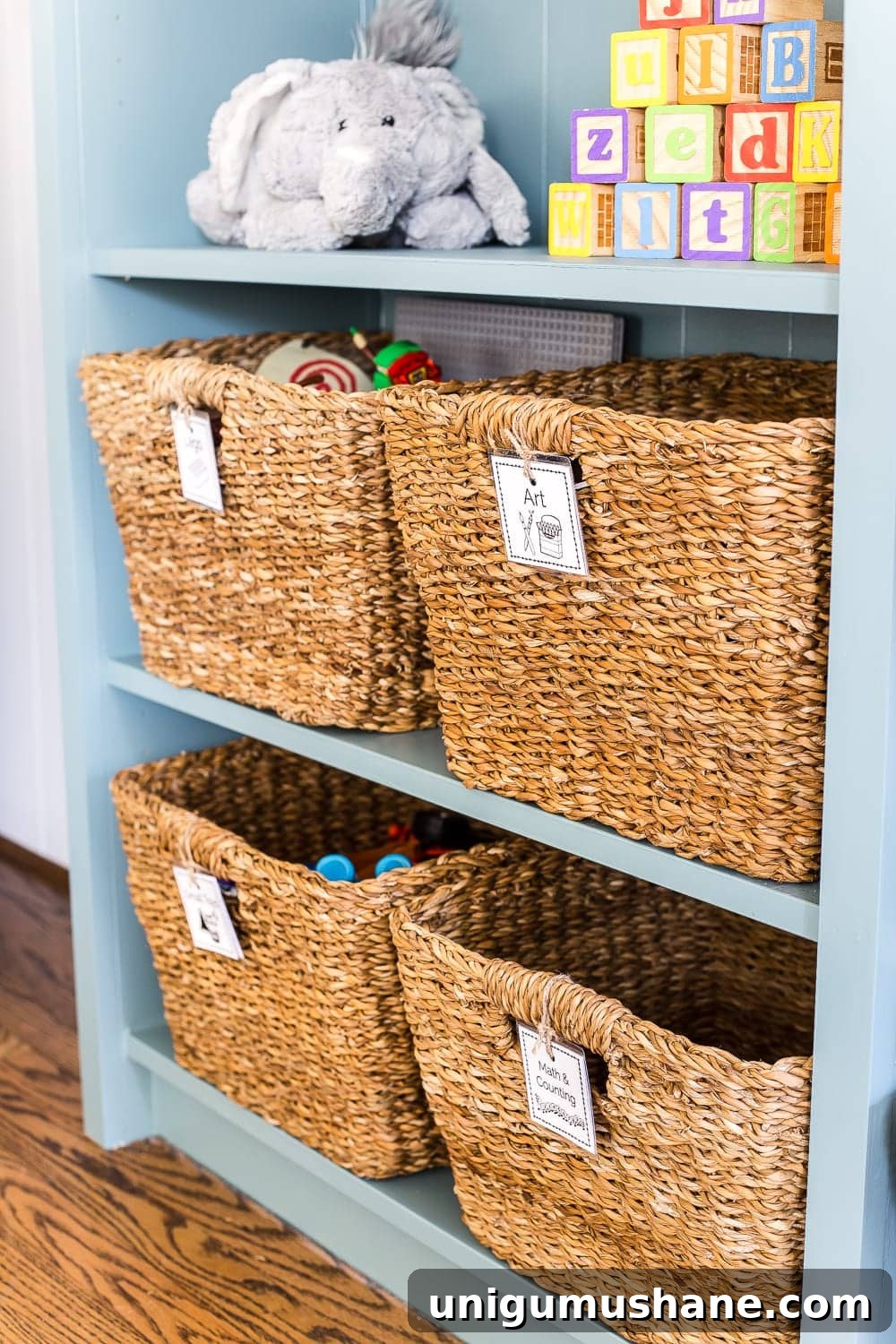
Practical ideas to reduce toy clutter and make bedrooms more peaceful:
- Toy rotation: keep a limited selection accessible and store the rest; rotate toys every few weeks to renew interest and reduce daily clutter.
- Use baskets and labeled bins in the playroom or living area so everything has a clear home and clean-up is simple for kids.
- Limit toys that make a lot of noise or require screens near bedtime; choose quiet, calming options for evenings.
- Keep books in bedrooms to support quiet reading before sleep, while leaving active toys in shared spaces.
- Designate a small personal bin for each child to take a single toy or comfort item to their room when needed, then return it after use.
Also — I’m sharing a playroom tour on Instagram Stories today, so if you want to peek at how we organize the space, swing by and say hello.