
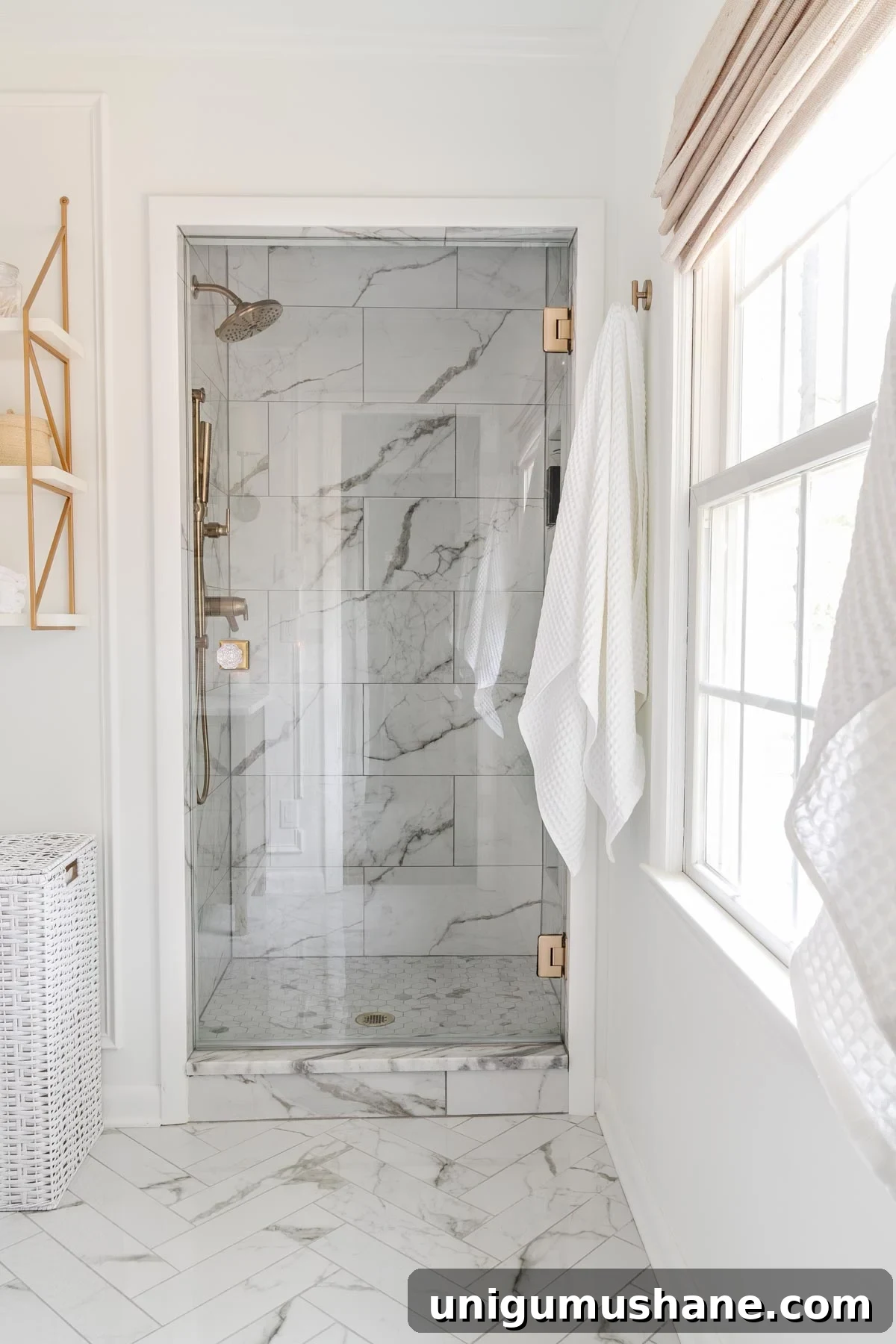
Bathroom design tips — tile choices, paint color ideas, fixtures, lighting, and decorating strategies to make a small bathroom feel larger.
How do you visually enlarge a small bathroom?
Small bathrooms are common in many older homes, and over time we’ve learned which design strategies actually make a tiny room feel open and intentional. You don’t need to knock down walls to create the impression of space — careful choices in color, tile, fixtures, lighting, mirrors, and storage can dramatically change how big a bathroom feels.
Below are 15 practical, designer-approved tips to help your small bathroom look and function bigger. These approaches focus on visual tricks, material selections, and layout choices that expand perceived space while remaining realistic for most budgets.
1. Choose Very Light Colors
Avoid mid-tone paint colors when your goal is to open up a small bathroom. Light and neutral shades — crisp whites, soft grays, and pale pastels — reflect daylight and artificial light, making walls and surfaces feel farther away and the room more expansive. Use these tones on walls, ceilings, tiles, and fixtures for a cohesive, airy look.
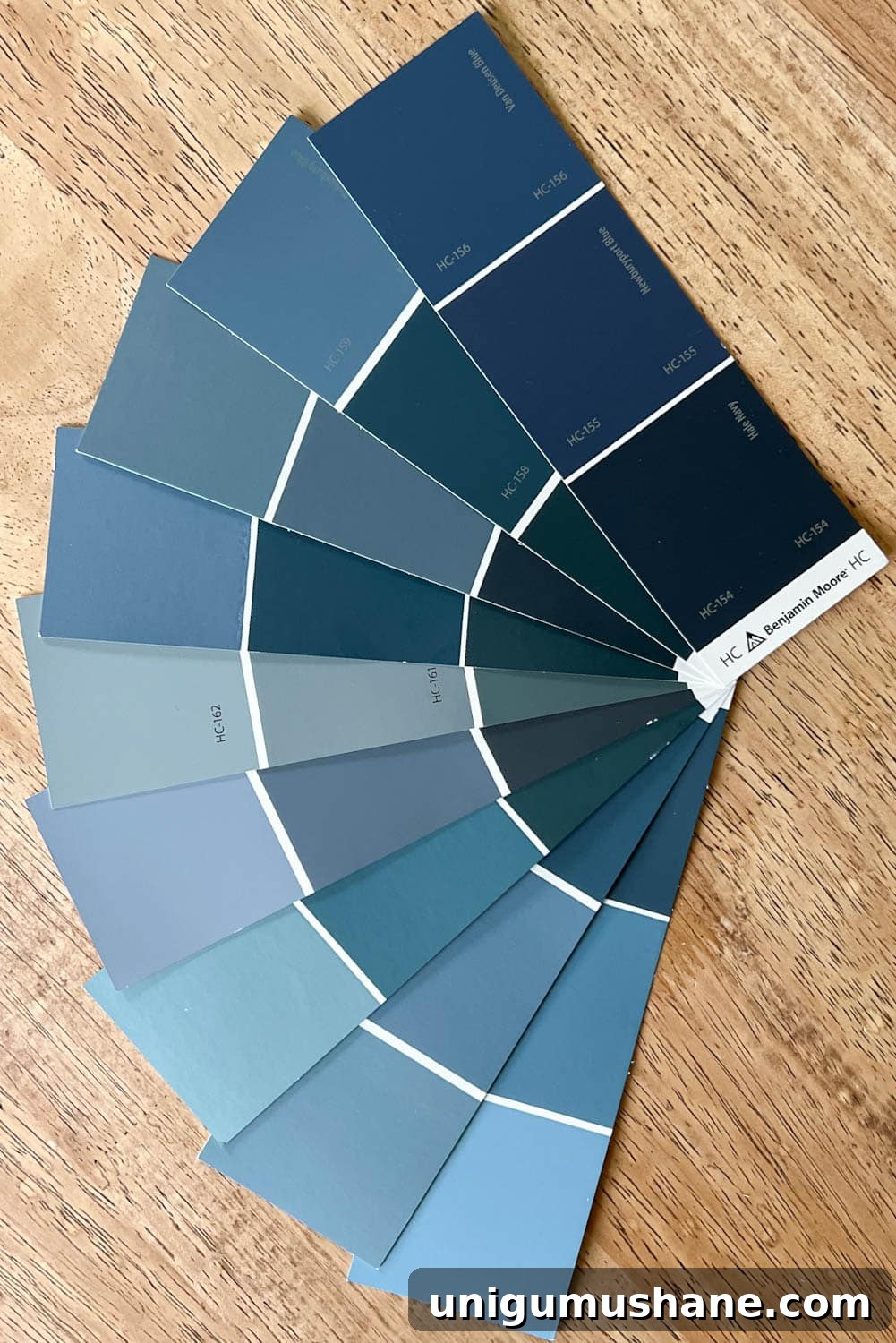
White walls, for example, will instantly make a compact powder room feel brighter and less enclosed compared with mid-tone paint.
2. Or Choose Very Dark Colors
Dark colors are not automatically space-shrinking. Deep hues like navy, black, or jewel tones can absorb light and visually push the walls back, creating a sense of depth. When executed thoughtfully with complementary lighting and reflective accents, a dark palette can make a small bathroom feel dramatic and surprisingly spacious.
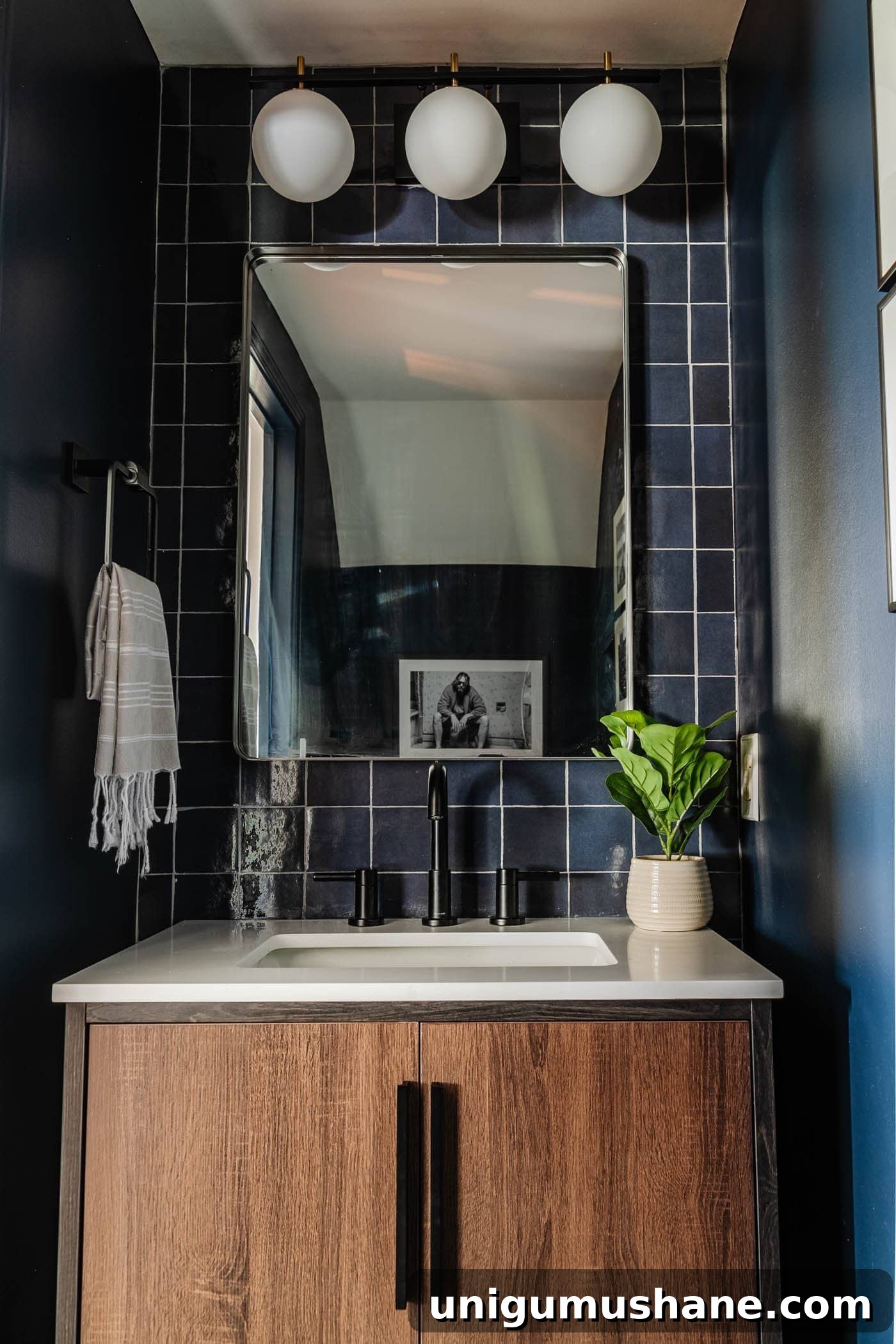
3. Use Large Mirrors
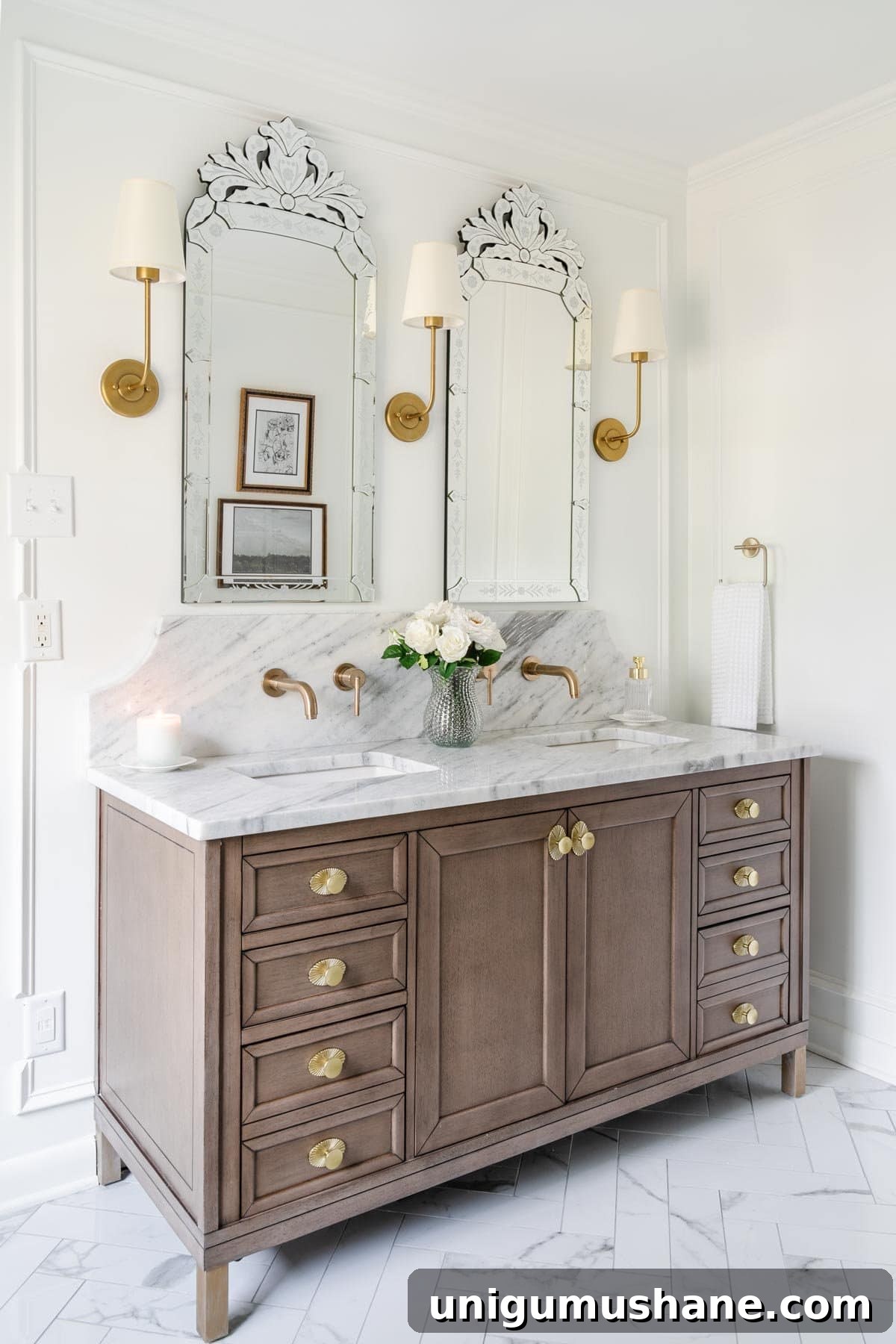
Large mirrors reflect both natural and artificial light, visually doubling space and enhancing depth. A single oversized mirror above the vanity or a full wall of glass can be one of the most effective ways to make a small bathroom feel larger. Frameless or thin-framed mirrors contribute to a clean, uninterrupted reflection.
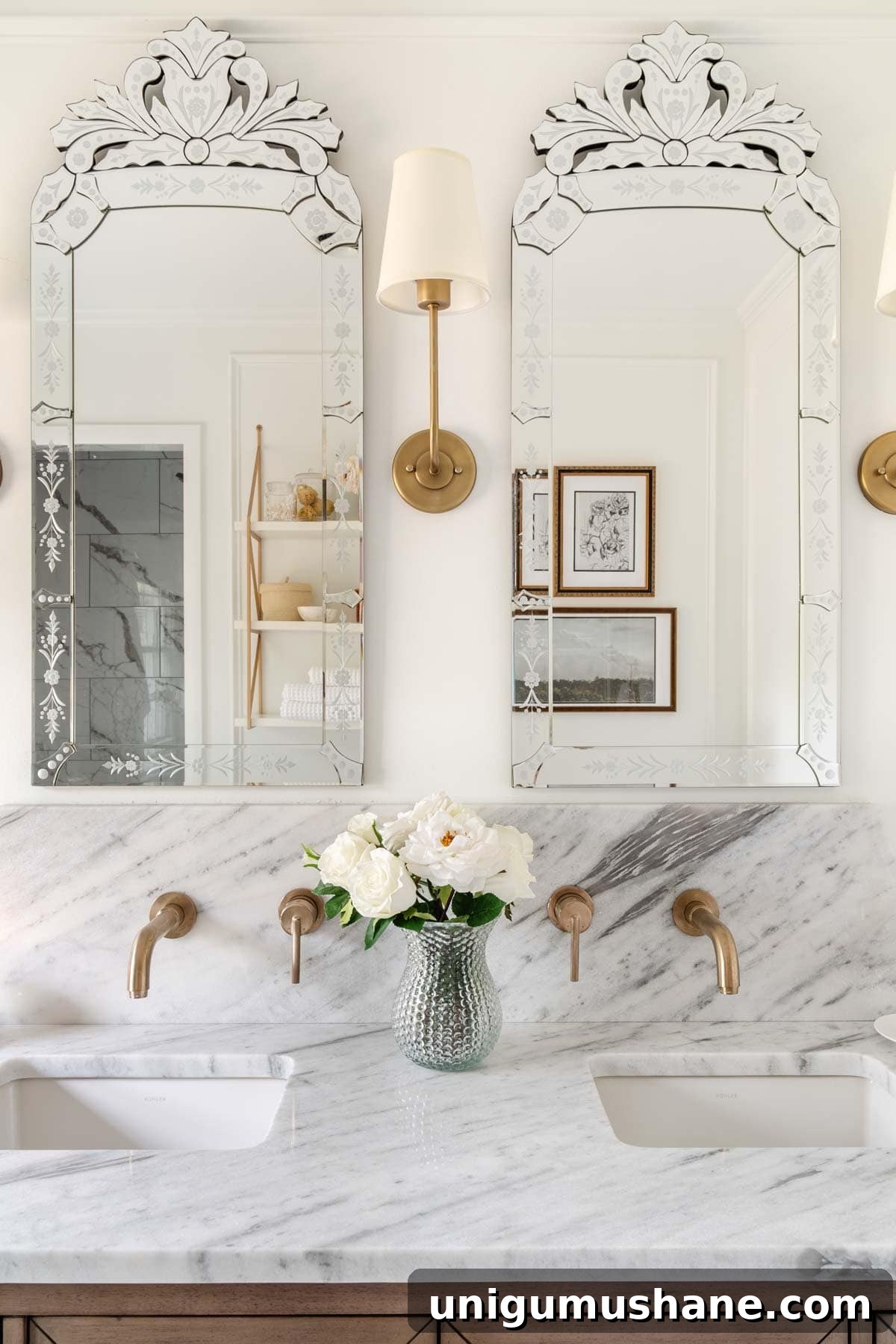
4. Keep It Clutter Free
Clear surfaces make a bathroom feel open. Add functional storage like recessed medicine cabinets, wall-mounted shelving, and floating vanities to keep countertops tidy. Store only essentials within reach and hide extras in cabinets or baskets to maintain a streamlined, spacious look.
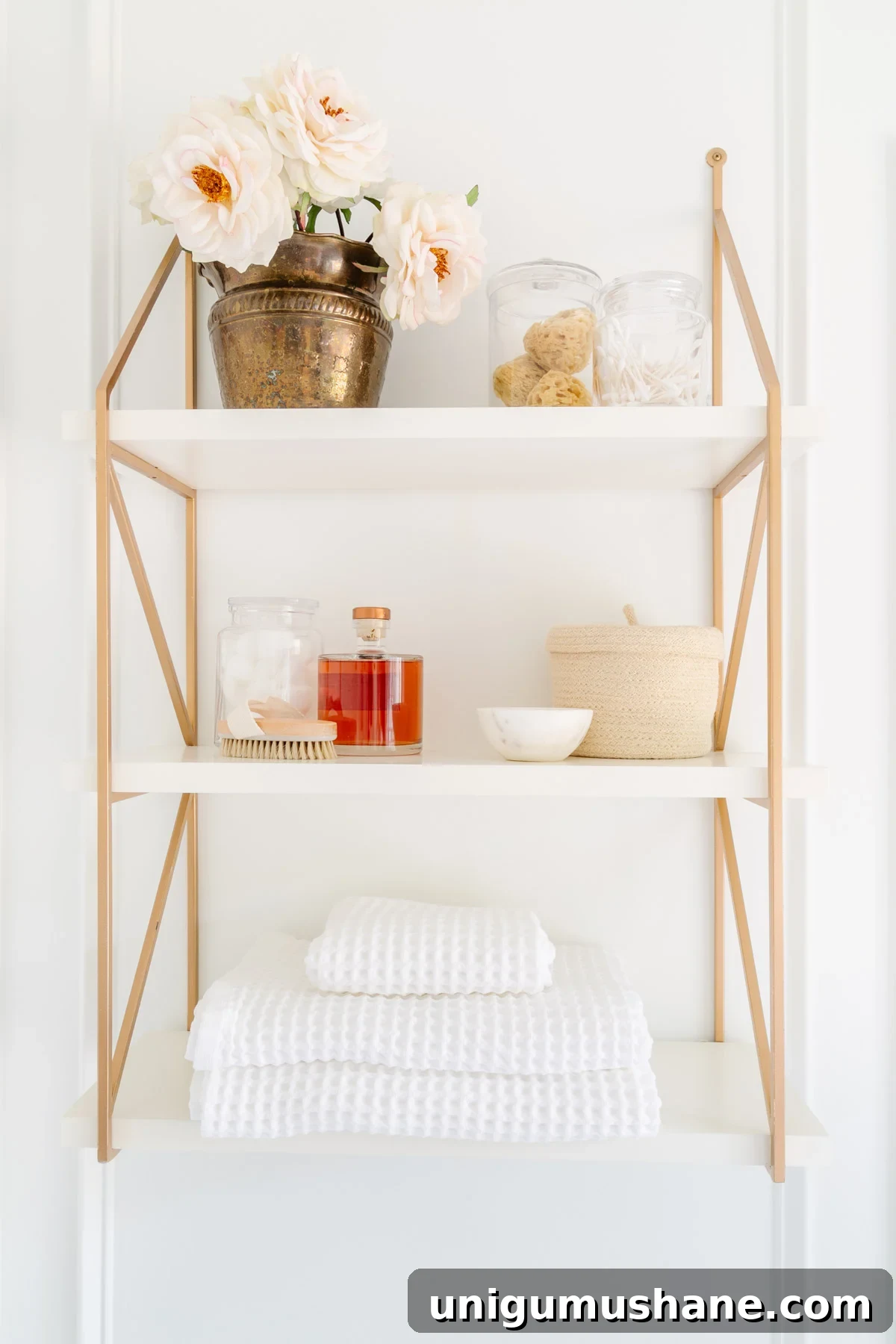
5. Opt for Glass Shower Enclosures
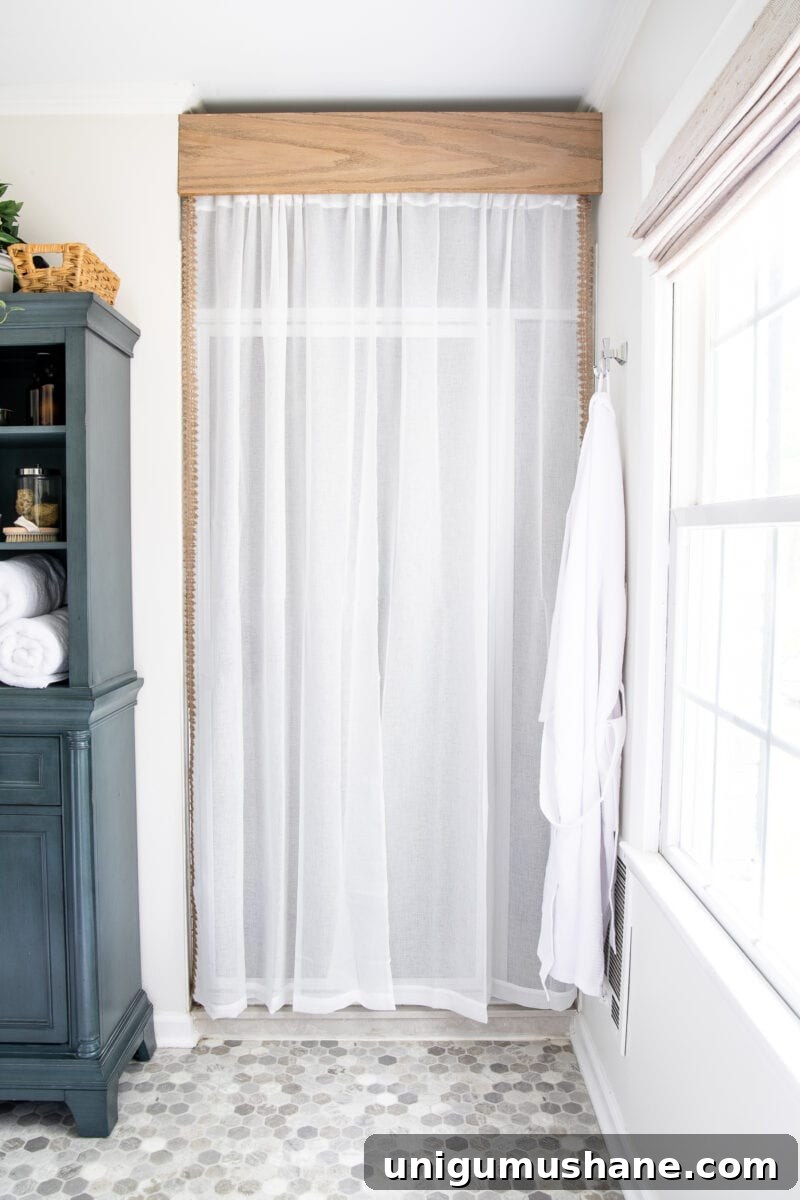
Choose clear glass shower doors or frameless enclosures rather than opaque curtains or frosted panels. Glass lets the eye travel uninterrupted through the room, avoiding visual barriers and making the whole bathroom feel larger and more cohesive.
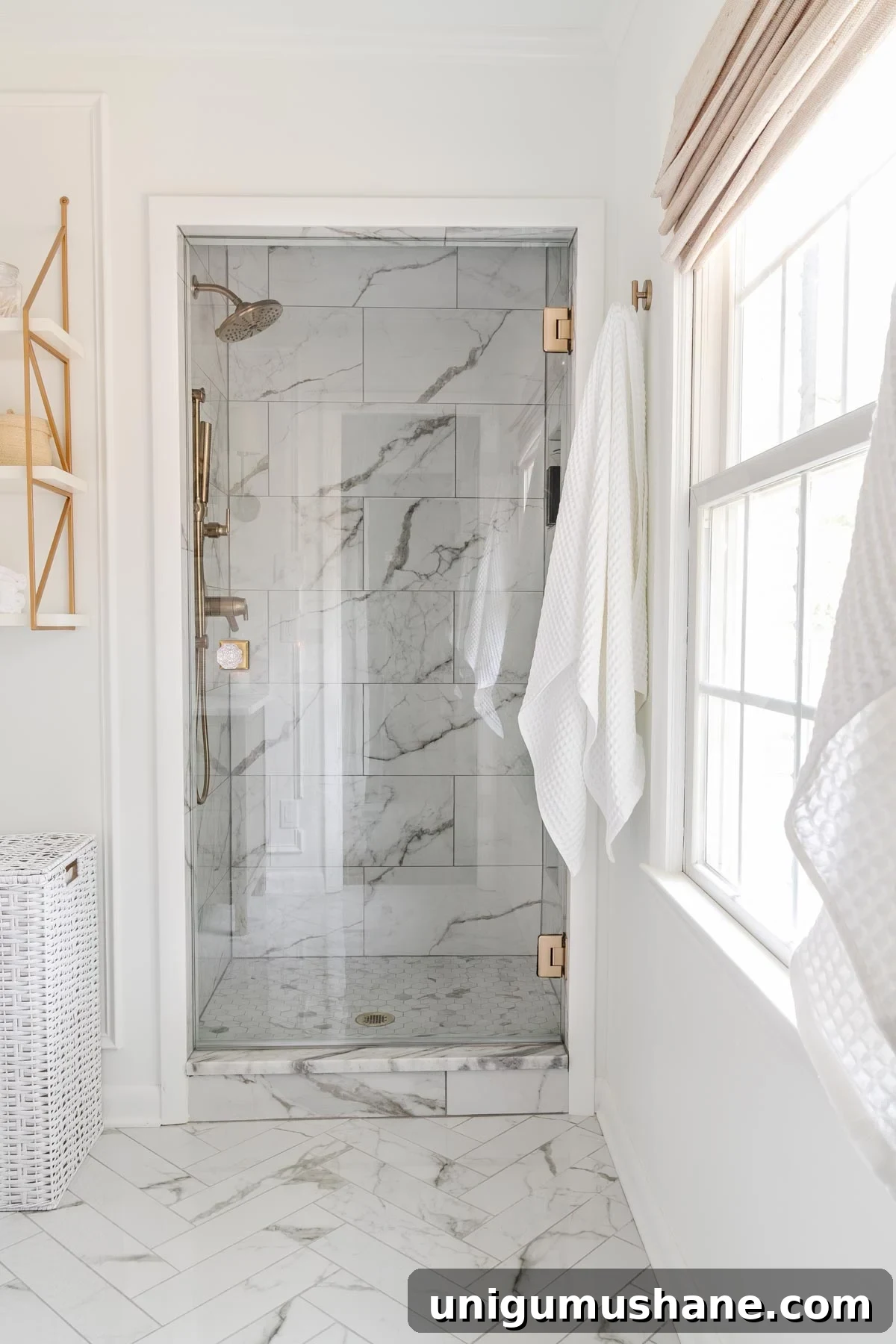
6. Use Vertical Space
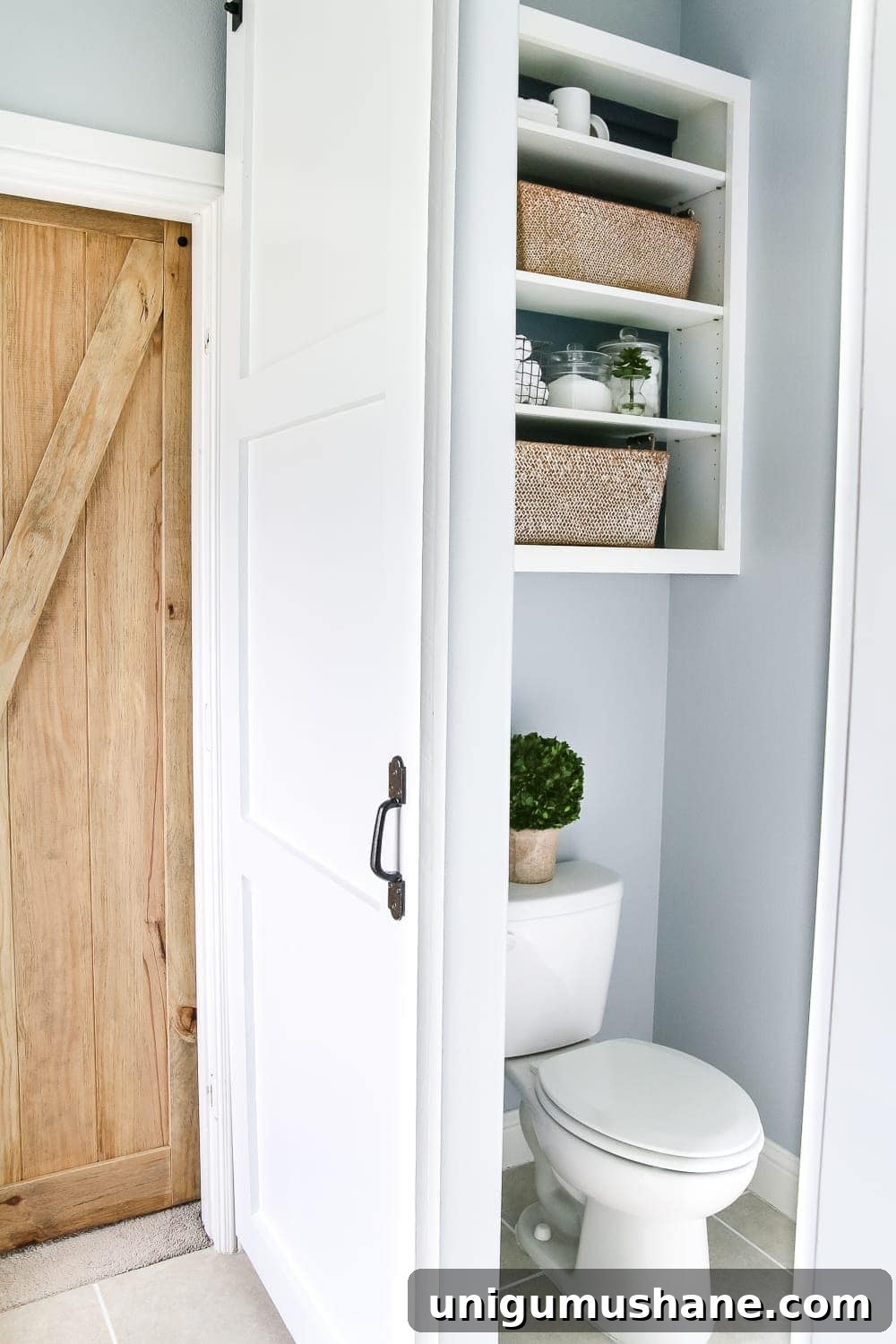
Take advantage of vertical height by installing tall storage units, open shelving, or cabinets that reach the ceiling. Vertical lines draw the eye upward and create a feeling of height, while providing useful storage without expanding the room’s footprint.
7. Incorporate Stripes and Patterns
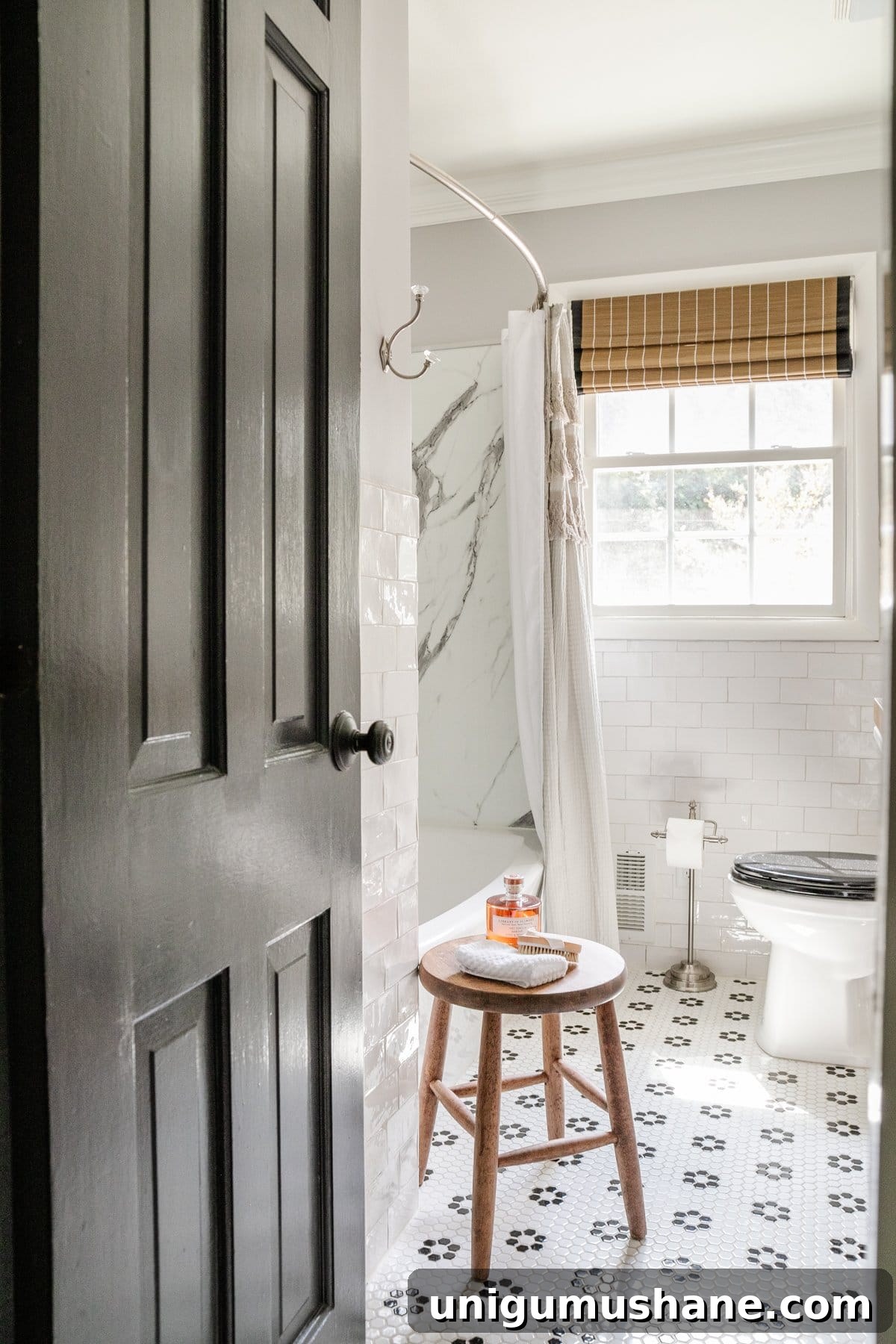
Strategic patterns can change perception: horizontal stripes widen a room, while vertical lines add height. Patterned floor tiles or a bold backsplash can expand perceived dimensions when balanced with neutral surfaces. Small-scale patterns can make a space feel busy; larger, simpler patterns are often more effective in compact bathrooms.
8. Select Minimalist Fixtures
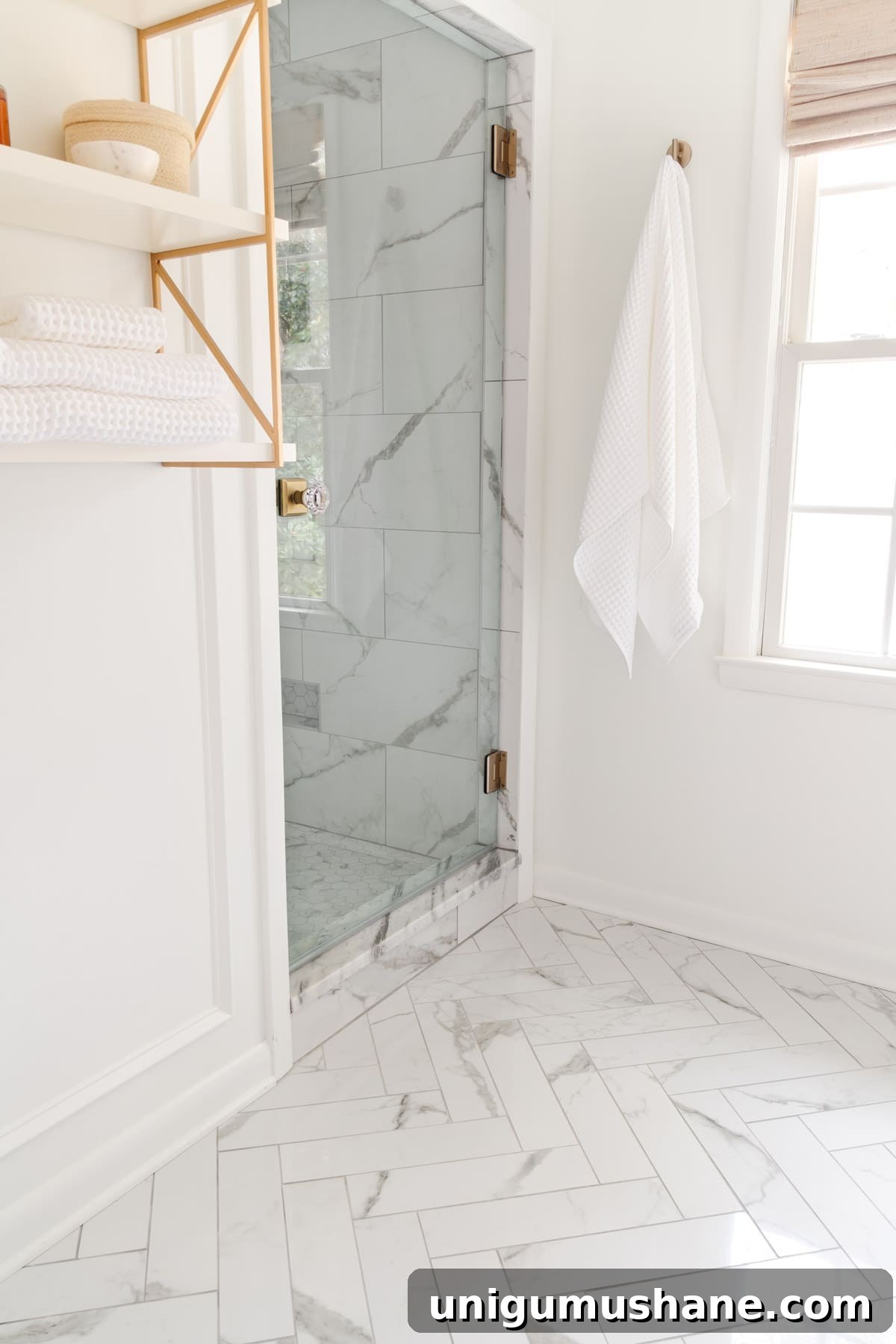
Sleek, streamlined fixtures save visual and physical space. Wall-mounted sinks and toilets free up floor area, and narrow, elongated basins or low-profile vanities reduce bulk. Minimal hardware and simplified silhouettes keep the room feeling uncluttered and modern.
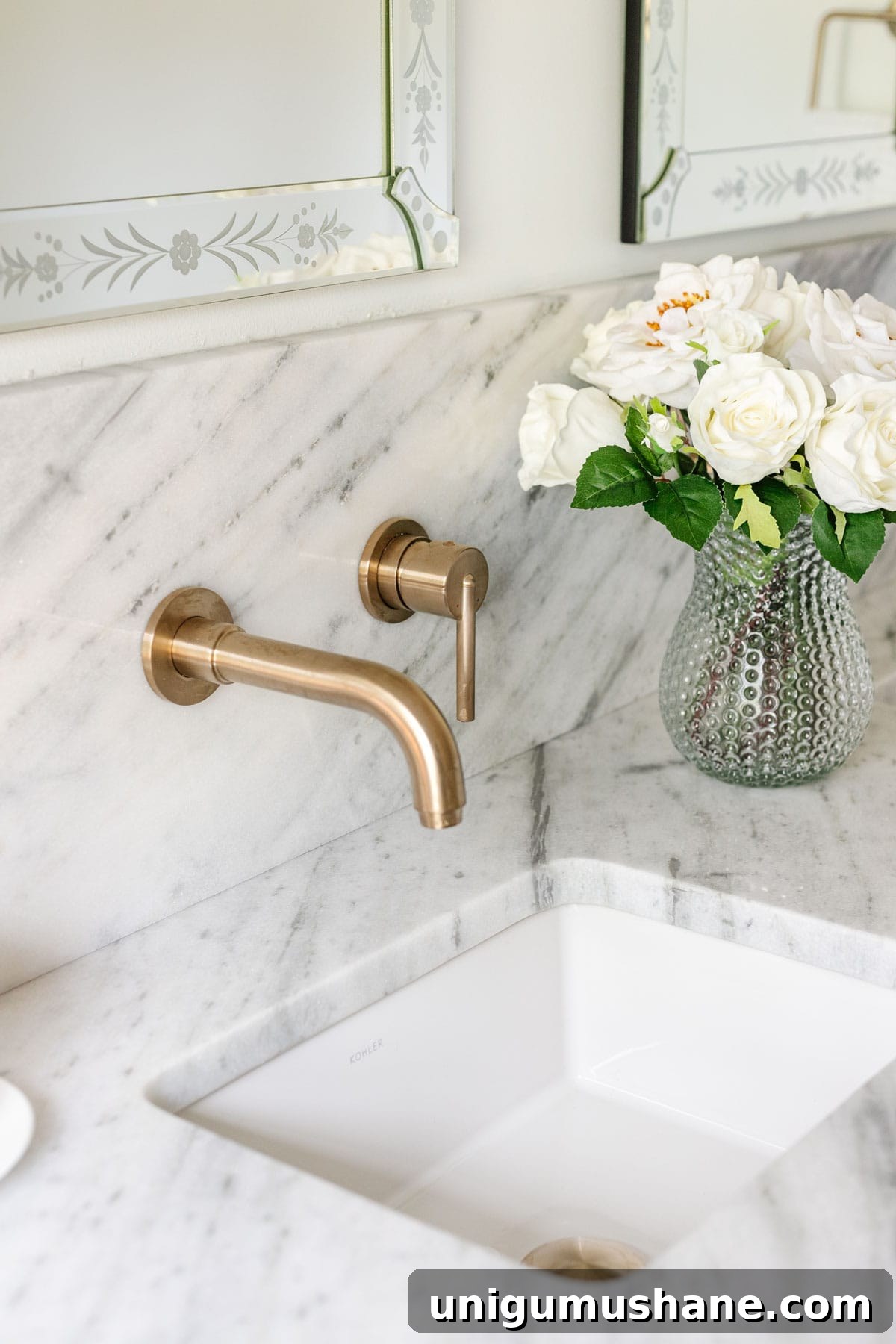
9. Utilize Natural Light
Natural light opens up any space. If possible, enlarge windows, add a clerestory, or install a skylight. Even small windows with sheer treatments allow daylight to wash the room and reduce reliance on harsh overhead lighting, creating a softer, more spacious atmosphere.
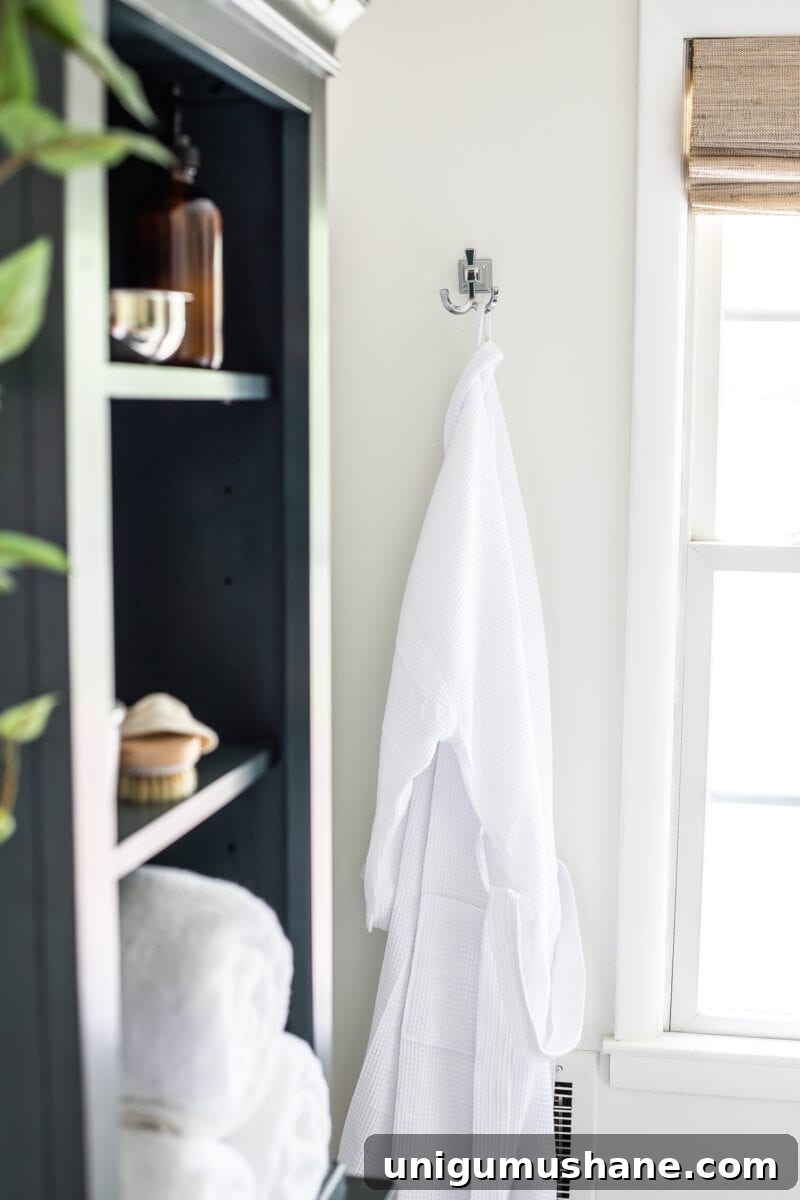
10. Opt for Open Vanities or Open Shelves
Open vanities and shelving reduce visual mass and create an airy feeling. Displayed items should be neat and intentionally arranged to avoid clutter. Open storage keeps the space light while still offering functionality.
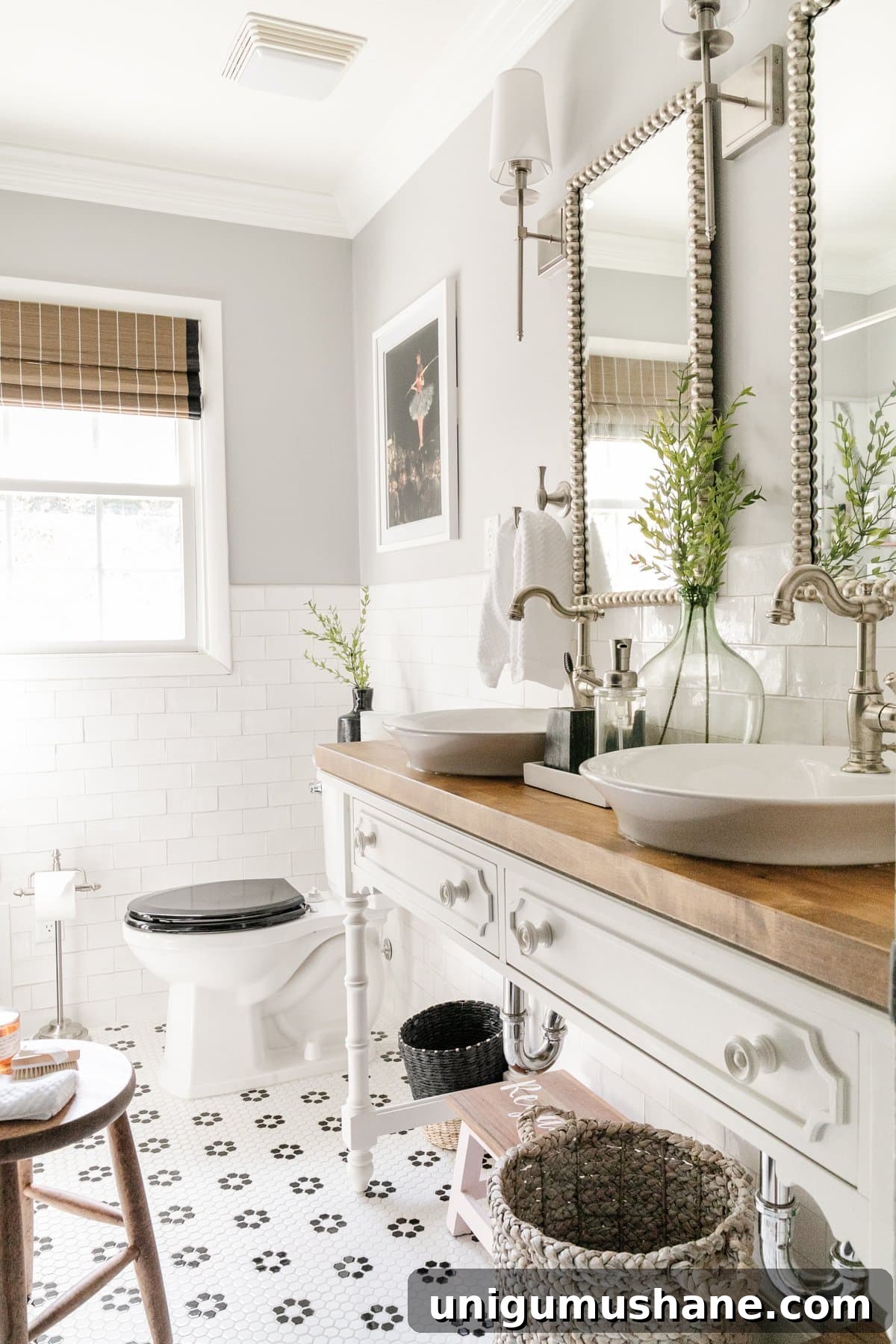
11. Layer the Lighting
Layered lighting — a mix of ambient, task, and accent sources — eliminates shadows and creates a balanced glow that makes a room feel larger. Place sconces at either side of a mirror, add recessed overhead lights, and consider a small accent fixture to highlight texture or artwork.
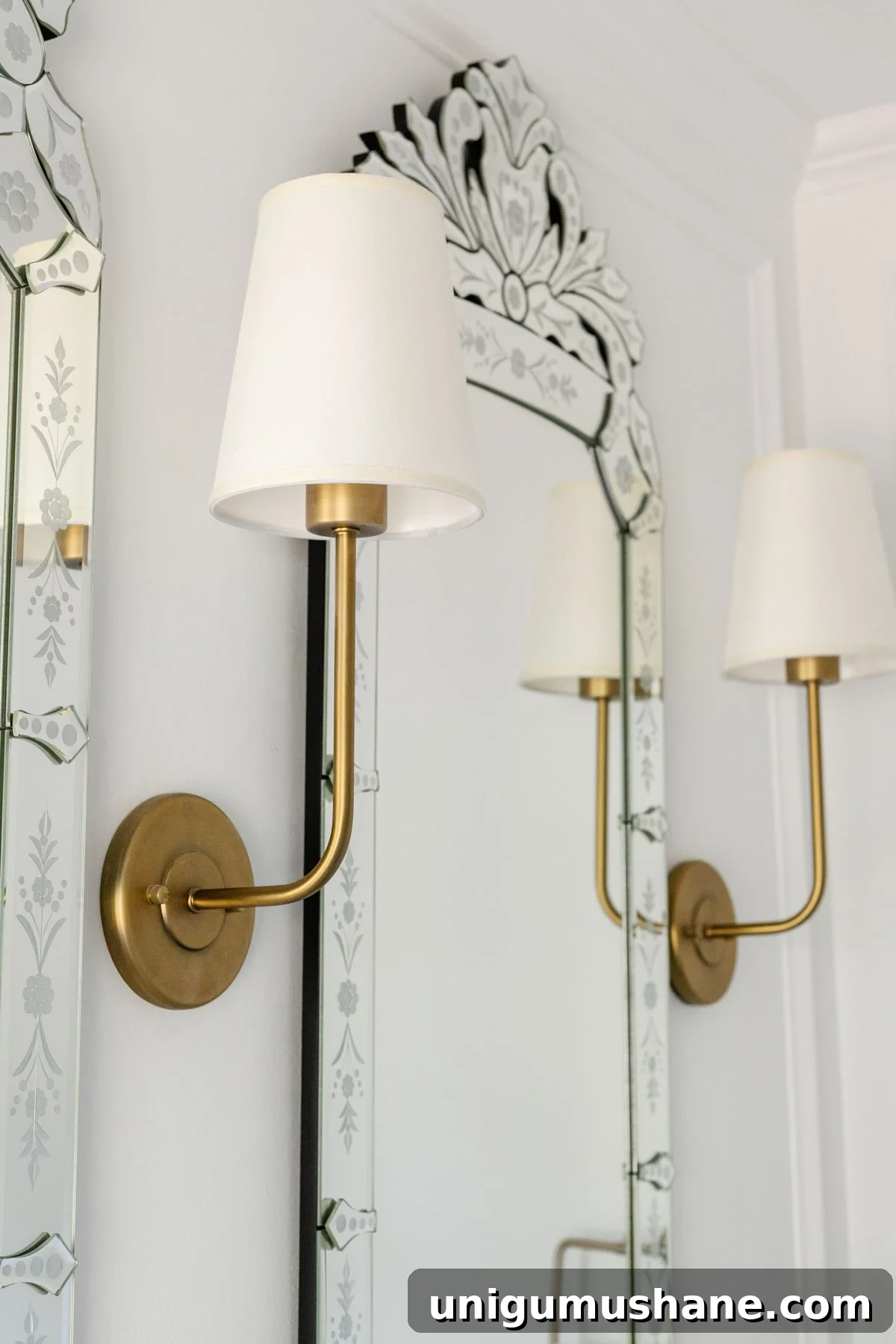
12. Reflective Surfaces
Glossy tiles, polished stone, glass accents, and metallic fixtures bounce light around the room, brightening corners and increasing visual depth. Balance reflective finishes with matte elements to avoid an overly clinical feel.
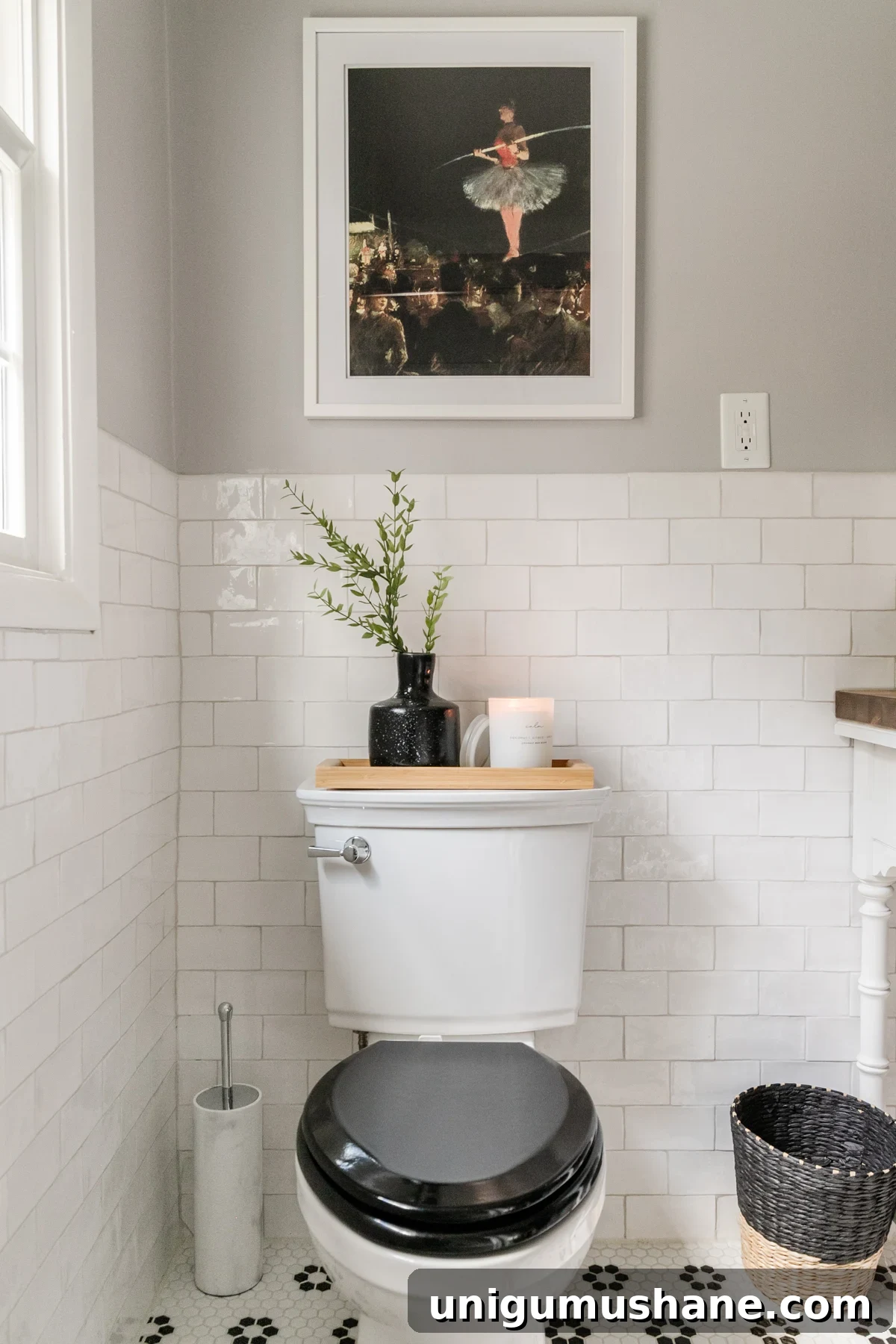
13. Choose Glossy Large Tile for Small Showers
Small matte tiles create many grout lines that visually clutter a shower. Selecting larger tiles with a glossy finish reduces grout visibility, reflects light, and makes the shower feel more open. Larger tiles are also easier to clean and maintain.
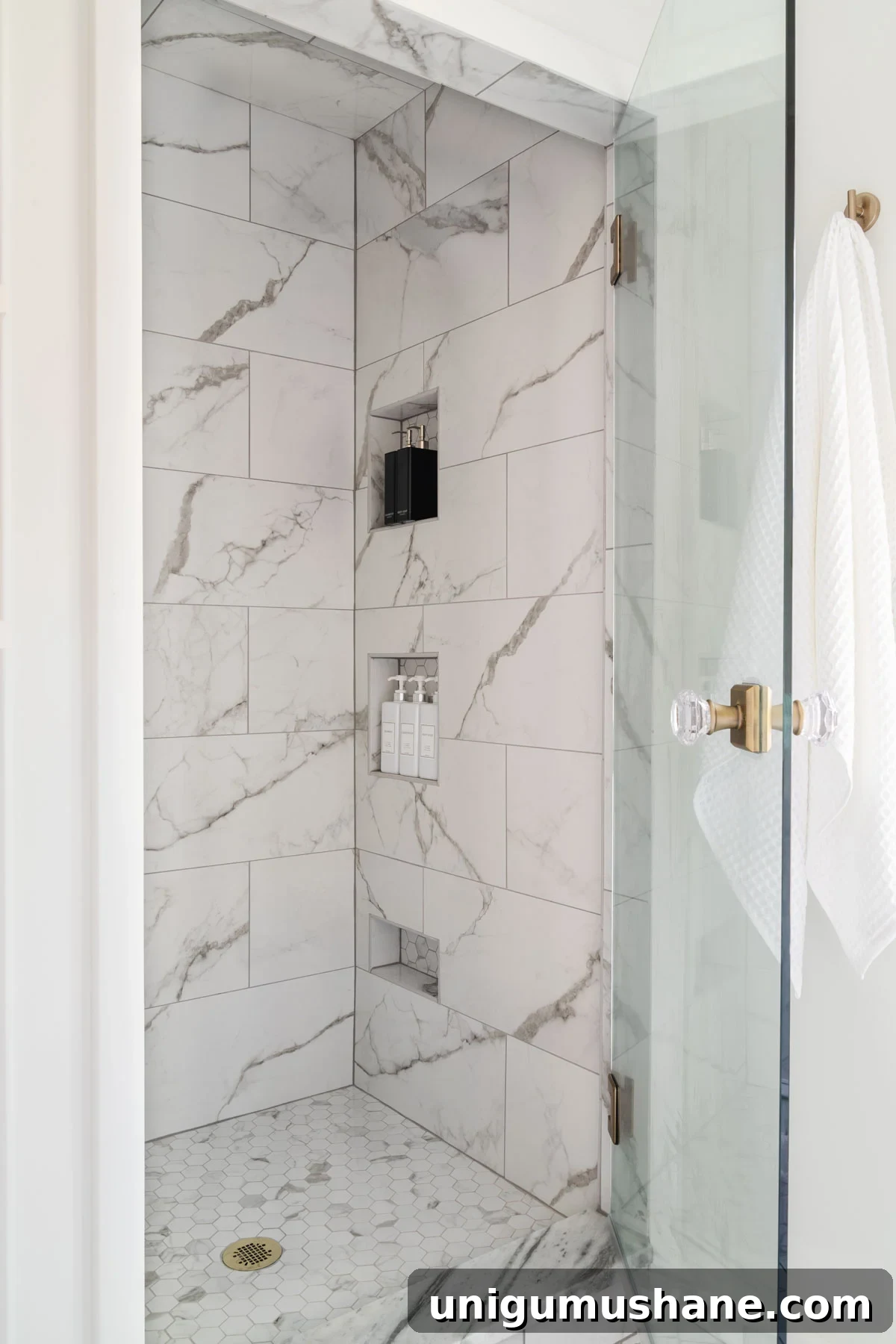
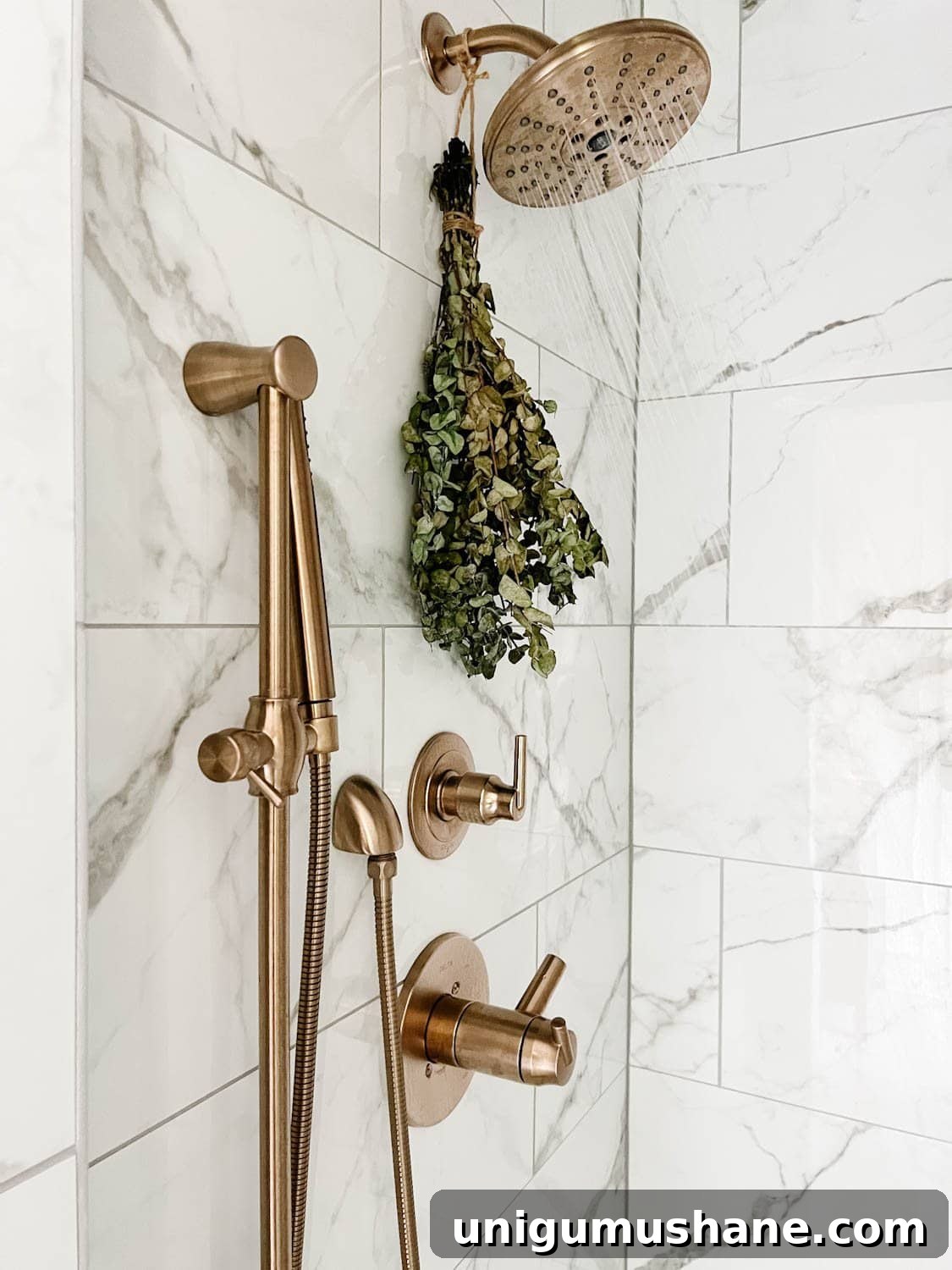
14. Consider Beadboard or Shiplap Wainscoting
Vertical beadboard or shiplap wainscoting can add subtle texture and vertical lines that lift the eye. Applied to the lower half of the wall, it provides charm without overwhelming the space and pairs well with lighter paint or tile above.
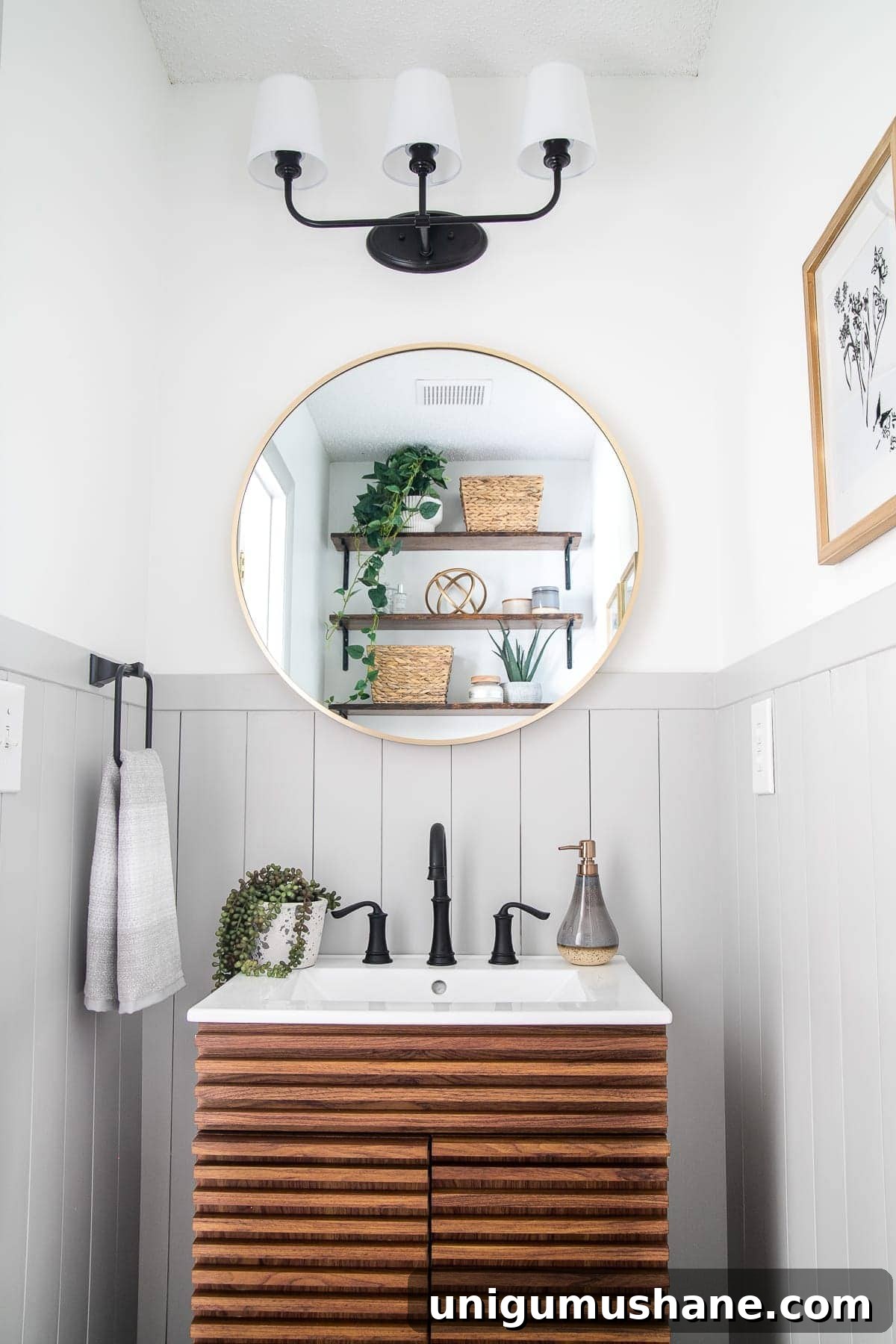
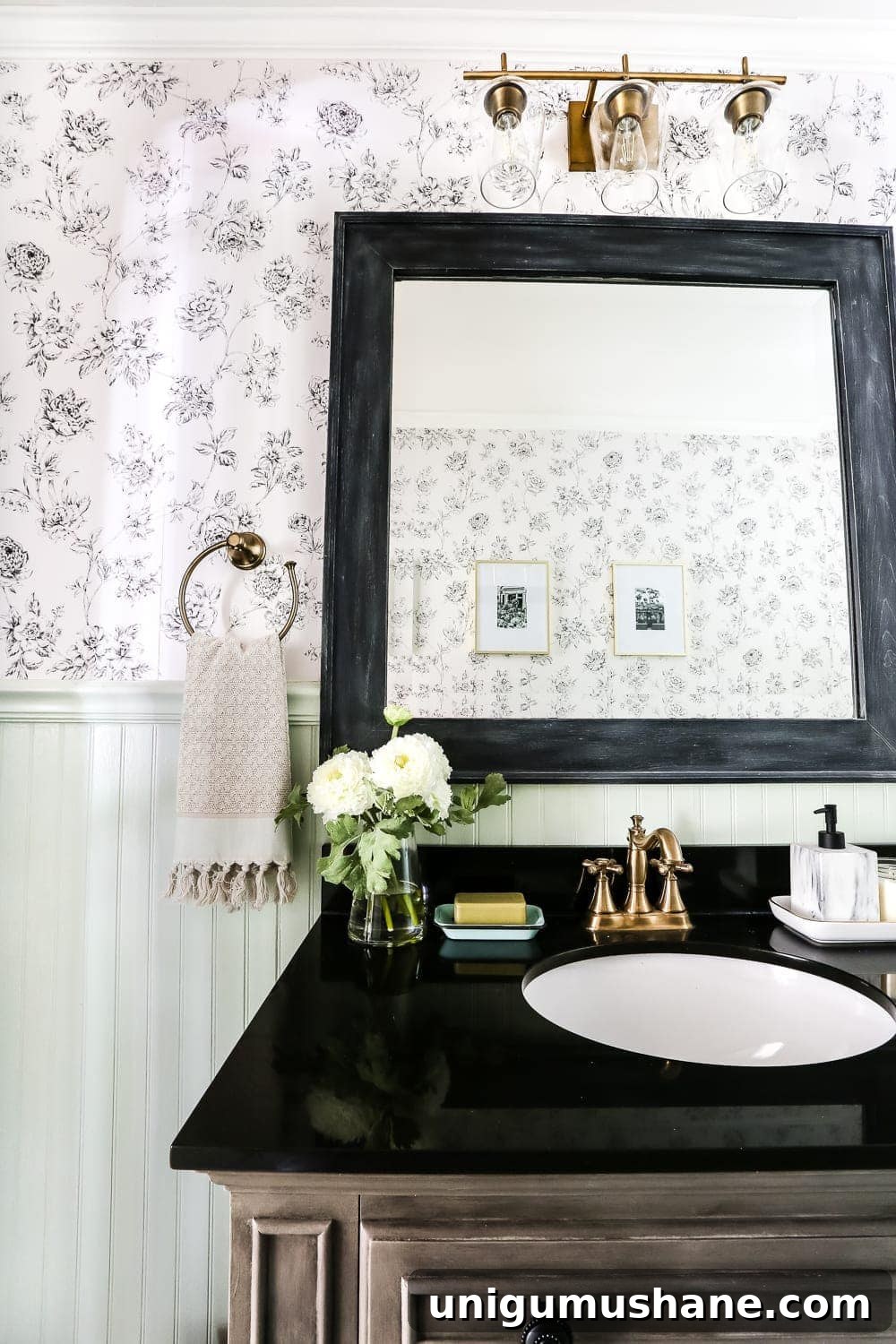
These strategies are easy to combine: for example, a light-colored wall with a large mirror, clear glass shower door, and vertical shelving will amplify each other’s effects. Focus on simplifying the visual field, maximizing light, and choosing materials that reflect or absorb light purposefully.
What other ideas have worked for you in tight bathrooms? Share practical tips that prioritize both function and style.
More Bathroom Ideas
- Wood bathroom vanities that suit a range of budgets
- Ways to update a builder-grade mirror affordably
- Practical linen closet organization for bathrooms
- DIY vertical shiplap wainscoting projects
- How to refresh bathroom faucets with spray paint
- DIY painted bathroom countertops and sink transformations